
Ask ten people when to go to Himachal Pradesh and you’ll get one answer: April to June. Ask anyone who has actually driven the Atal Tunnel into Spiti, or stood under the snow at Solang in January, or pulled apples off a Kotgarh tree in October, and you’ll get five.
The “best time” question is the wrong question. Himachal stretches from sub-tropical Kangra at 700m up to the cold desert of Kibber at 4,200m. The best month for one half is the worst month for the other.
Manali in February is a frozen wonderland; Spiti in February is shut at the door. Tirthan in October is gold; the same Tirthan in July is a slick green sponge. Pick a region first, then a month. The other way round leaves you in Manali staring at clouds when you should have been in the desert.
In This Article
- The quick read: which month suits which region
- The numbers nobody puts in plain English
- March to June: the safe pick, with caveats
- The Dharamshala cricket and Navratri sub-window
- July to mid-September: the monsoon paradox
- The bird-watching exception
- Mid-June to mid-October: the Spiti window
- The summer Spiti calendar
- Snow leopard month: late January to early March
- October to mid-November: the connoisseur’s autumn
- Kullu Dussehra in October
- Bir Billing’s flying season
- December to early March: the snow window
- The Lahaul winter you didn’t know existed
- By traveller type, in plain English
- Booking timing and price guidance
- The contrarian’s recommendation
The quick read: which month suits which region
If you only have time for the table, here it is. The body of the article unpacks each row.
| Region | Sweet spot | Skip if | Why |
|---|---|---|---|
| Shimla, Manali, Dalhousie | March to June, plus December to early February for snow | Late July to mid-September | Spring greens, autumn light, winter snow window. Monsoon brings landslides on the Kalka-Shimla and Chandigarh-Manali roads. |
| Spiti (via Manali / Atal Tunnel) | Mid-June to mid-October | November to May | Kunzum La and the road past Gramphu only clears in summer. Atal Tunnel keeps the Manali side open longer than the old Rohtang route did, but Kunzum still closes the loop. |
| Spiti (via Kinnaur / NH-5) | April to early November, plus February for snow leopards in Kibber | Mid-July to August | The Kinnaur road technically stays open year-round, but monsoon landslides between Tapri and Pooh make it a coin flip in summer. |
| Tirthan, Sainj, Great Himalayan National Park | October and early November, plus April to mid-June | July to mid-September | Autumn is the gold-leaf window. Monsoon turns trails to mud and the Kullu road into a closure roulette. |
| Kasol, Parvati Valley | September to November, March to May | July to August | Autumn and spring give clear river days. Peak summer brings the festival-music crowd; monsoon brings flash floods. |
| Dharamshala, McLeodganj | March to early June, late September to November | Mid-July to August | Spring for the cricket stadium and clear Dhauladhar views; autumn for monastery weather. Monsoon here is the heaviest in the state. |
| Bir Billing | October to early November, plus mid-March to May | July to early September | Paragliding needs stable air. The two shoulder windows are the international flying seasons; monsoon is grounded. |
| Kinnaur (Sangla, Chitkul, Kalpa) | Mid-May to October | December to March (Chitkul snowed in) | Apple orchards, Sangla Valley, the Indo-Tibet border at Chitkul. Heavy snow shuts the Sangla side most of winter. |
| Pong Dam wetlands (Kangra) | November to March | April to October | Migratory birds peak in December-January. By April the bar-headed geese have flown back across the Himalayas. |
| Chail, Kasauli, Solan (lower hills) | Year-round, with March to June and September to November easiest | Few hard skips | Lower altitude (~1,800m) means the snow window is short and the monsoon less severe than Manali. The forgiving option. |
The numbers nobody puts in plain English
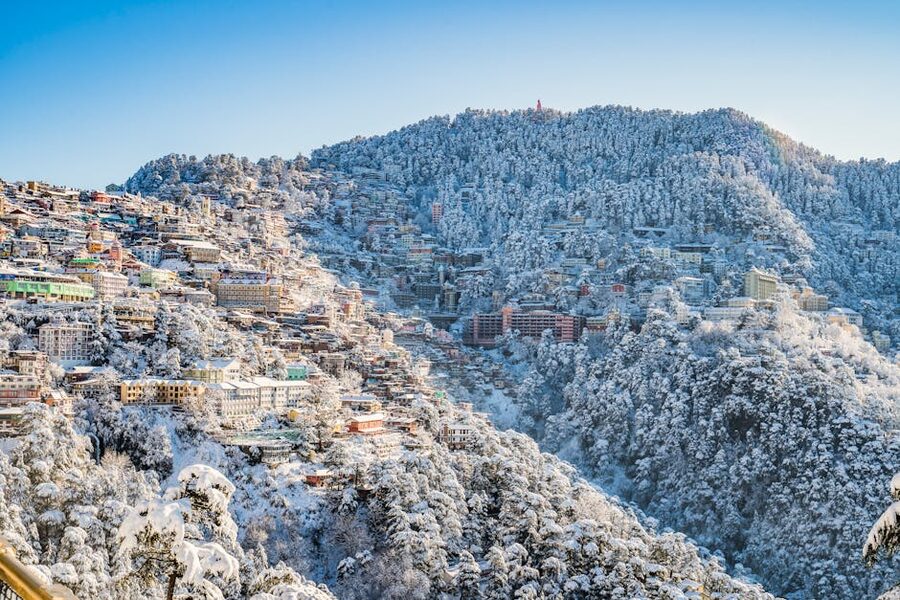
The state’s published averages mask huge altitude swings. Shimla at 2,200m and Kaza at 3,800m are both in Himachal but they are not the same trip.
For Shimla, January days run roughly 14°C high to 2°C low; July days 26/19; October days 23/11. Rainfall climbs from about 50mm in May to 305mm in July and 348mm in August before dropping to 20mm in October. That August figure is the one nobody quotes back to you. Three hundred and fifty millimetres in a month is real rain, and it lands on roads carved into shale.
For Kaza in Spiti, the picture flips. Annual rainfall is under 200mm total. June afternoons can hit 25°C in direct sun; the same June night can drop to 5°C. December and January days run -2°C high with nights at -20°C, and the road closed.
Hotel pricing tracks the weather almost perfectly. A standard double in Manali that runs ₹2,500 to ₹4,000 (~$30 to 48) in October sits at ₹6,000 to ₹10,000 (~$72 to 120) over the May to mid-June peak and the Christmas-New Year week. The monsoon discount across the state is real: 30 to 50% off published rates from mid-July through August, with caveats about access.
March to June: the safe pick, with caveats
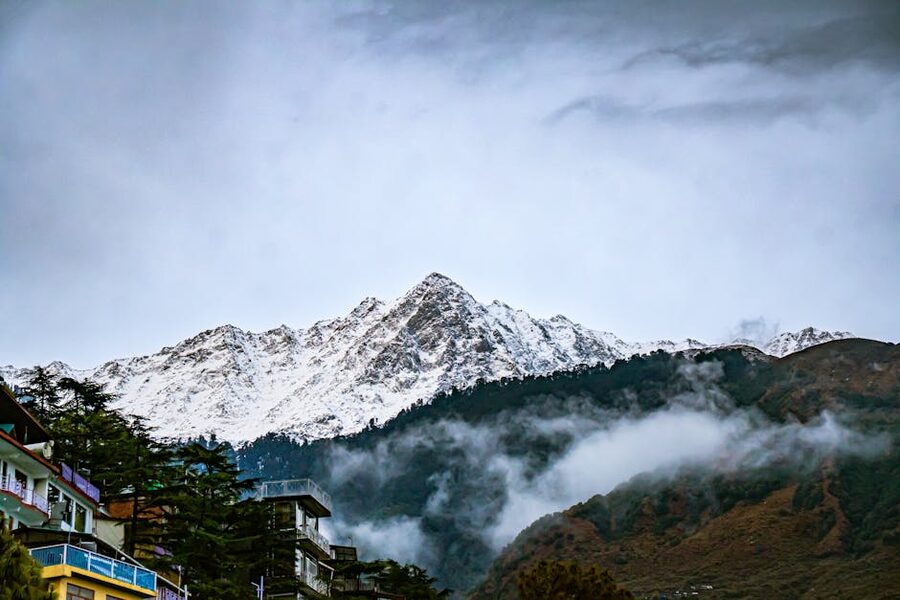
Most “best time to visit Himachal” guides land here, and they’re not wrong. From mid-March to mid-June, the lower and middle hills, Shimla, Manali, Dharamshala, Dalhousie, are at their easiest. Days run 18 to 28°C, the rhododendrons go off in March, the apple blossom hits Kotgarh and Thanedar in early April, and the high passes melt out as the season climbs.
The catches are real. May and the first half of June are the absolute peak; schools across north India break, the heat in Delhi gets unbearable, and the entire plains decide Manali is the answer. The Chandigarh-Manali road convoys nose to tail.
Hotel rates double, the touristy parts of the Mall Road and Old Manali get unpleasant, and the famous summer photos of empty Solang meadows get taken at 6:30am, not noon.
If you can move your trip to March or early April, do. The same destinations cost a third less and the views are arguably better, snow still on the Dhauladhar and the Pir Panjal, valleys greening up. The downside is that the high roads, Rohtang, Kunzum, Sach, and the Spiti loop, are still shut. You’re sticking to the lower and middle hills.
For trekking, late April through June is when the classic Kullu and Kangra routes open, Beas Kund, Bhrigu Lake, Triund, Indrahar Pass. Tirthan Valley and the Great Himalayan National Park run their best moderate-altitude treks through this window before the monsoon shuts the trails.
The Dharamshala cricket and Navratri sub-window
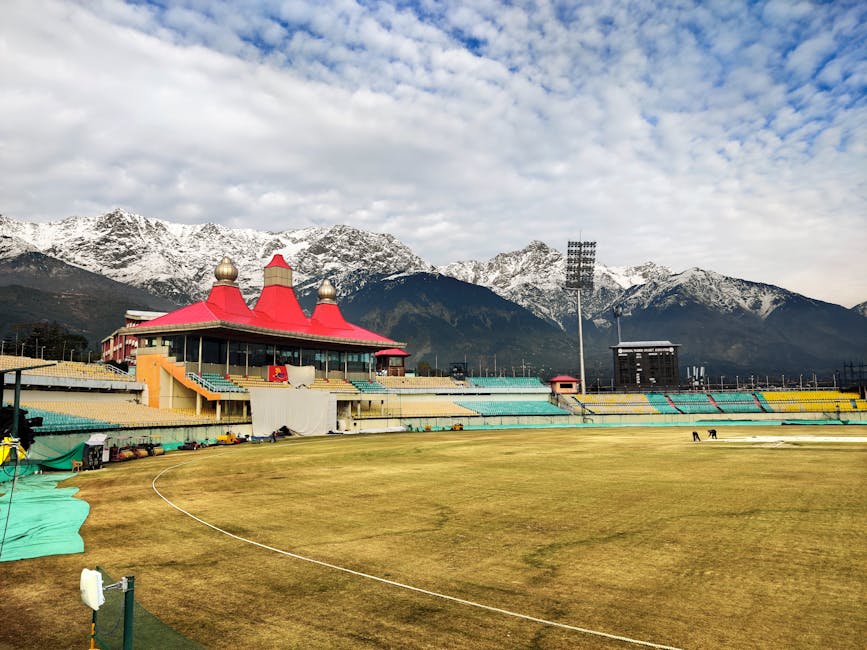
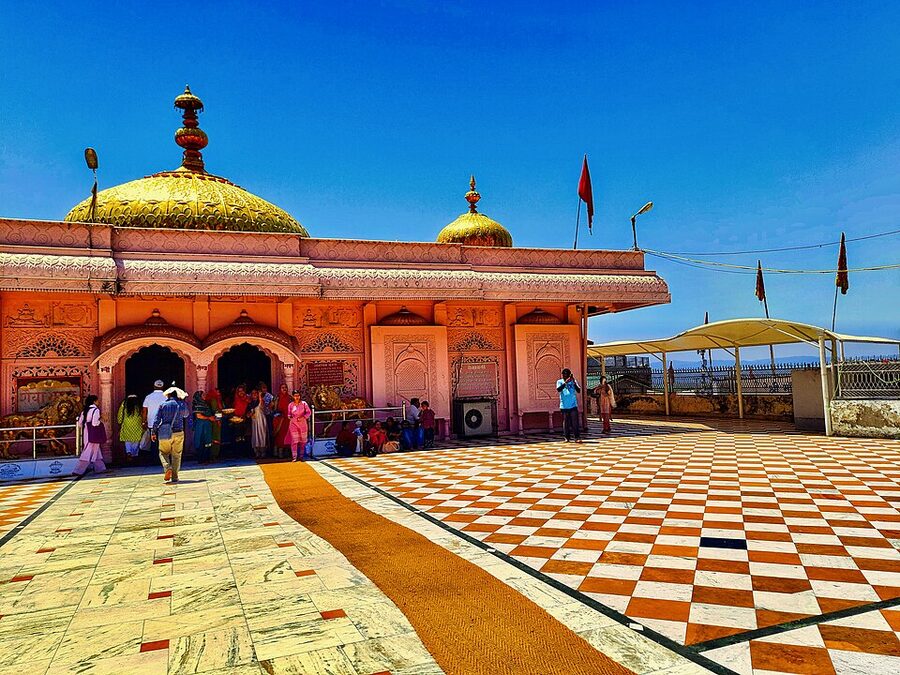
The HPCA Stadium in Dharamshala draws a specific crowd in April and May for Indian Premier League fixtures. The setting is unbeatable, world’s most photographed cricket ground for a reason. If you’re chasing a match, book hotels three months ahead because McLeodganj and Naddi fill on game weekends. The same calendar overlaps with Chaitra Navratri (March or April depending on the lunar year), which packs the Jwalamukhi Temple in Kangra. Both are good reasons to be in Kangra district in spring.
July to mid-September: the monsoon paradox
I’d talk a friend out of a first-time monsoon visit. I’d happily take a second-time visitor in August.
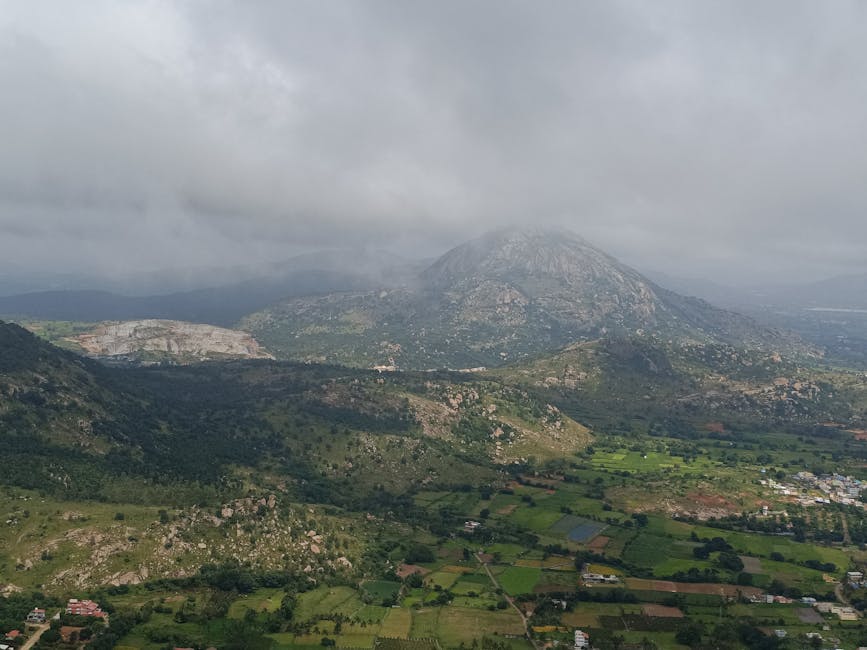
The monsoon delivers two things. The first is the colour: lush, oversaturated, photo-perfect green that you simply do not get in any other month. The second is the closures.
Landslides on the Chandigarh-Manali road, the Kalka-Shimla rail line cancelled for days, the Sutlej running brown and angry, NH-5 above Karcham closed for repairs. In the bad years, parts of the Kullu valley have been cut off for a week at a stretch.
If you go in monsoon, here’s how I’d play it. Skip Spiti and the high passes entirely; the road is closed or marginal anyway. Stick to lower-altitude valleys with shorter approach roads: Tirthan, Chail, Pragpur, the Kangra back-country, parts of Dalhousie and Khajjiar. Build slack into your itinerary, two extra days minimum, because at some point a road will be shut and you’ll be glad you didn’t have a flight to catch.
The clear reward of a monsoon trip is that you’ll have places to yourself and pay 30 to 50% less. Hotel managers I’ve spoken to in Manali and Kasol confirm the discount; some offer “monsoon packages” with breakfast and dinner thrown in to sweeten the deal.
The bird-watching exception
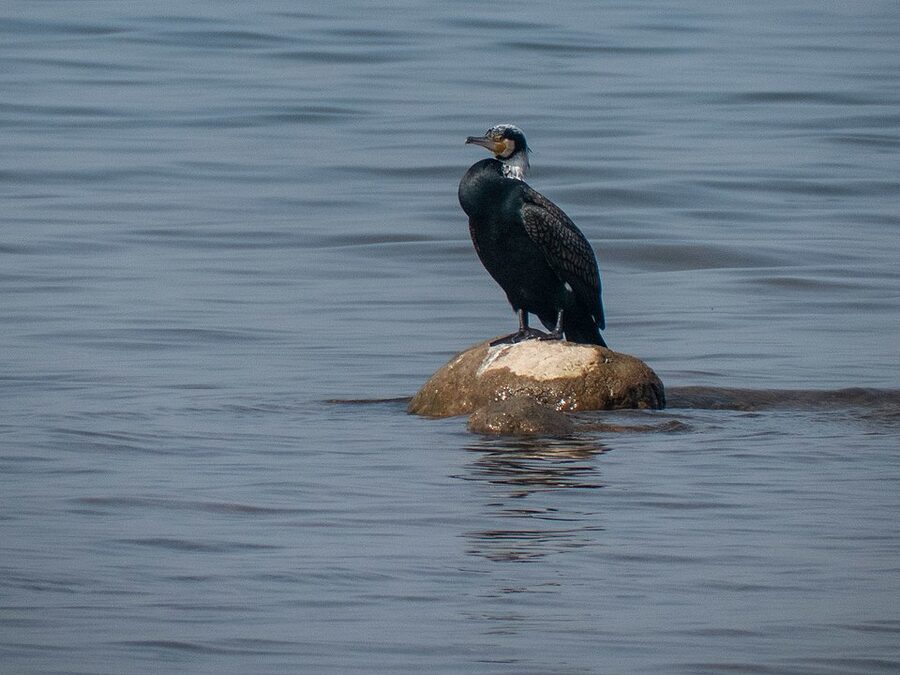
One genuine monsoon plus is the resident bird life around Pong Dam, the Maharana Pratap Sagar reservoir in Kangra. Resident herons, kingfishers, and storks are very active in the green months. The migratory waterfowl, however, the bar-headed geese, ruddy shelduck, gadwall, northern pintail, are a winter event.
They start arriving in October and peak December through February. If you’re going for the migrants, go in winter; if you want lush wetland scenery and breeding residents, go in monsoon.
Mid-June to mid-October: the Spiti window
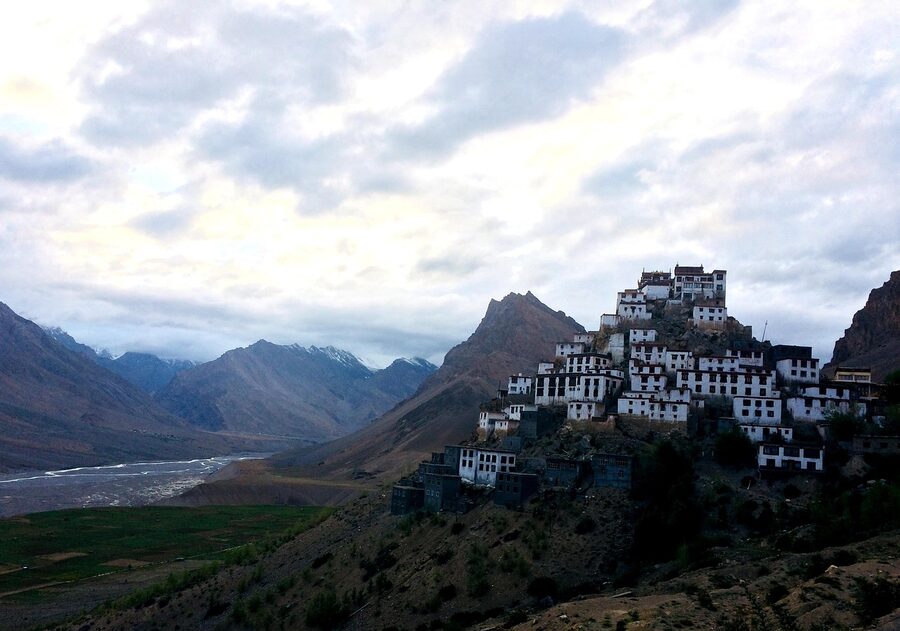
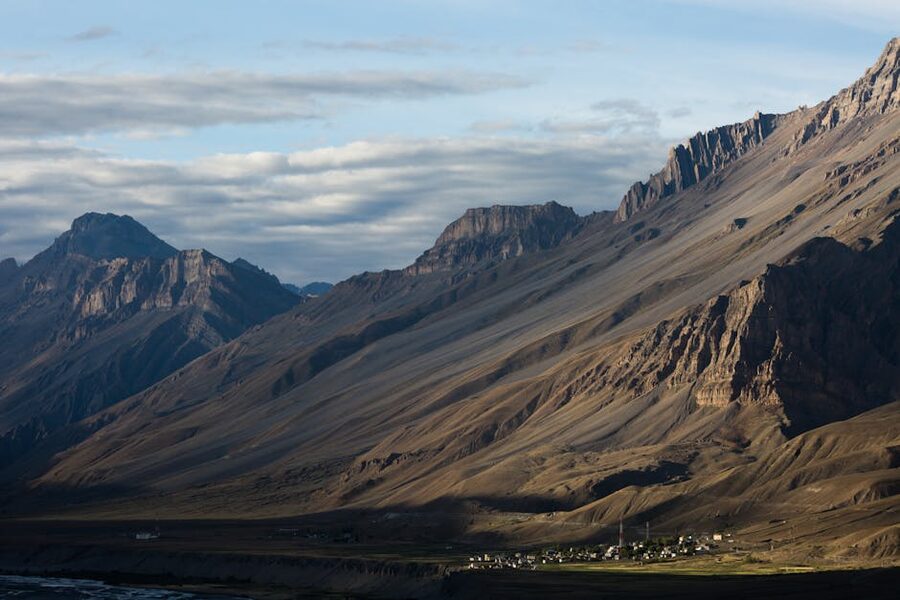
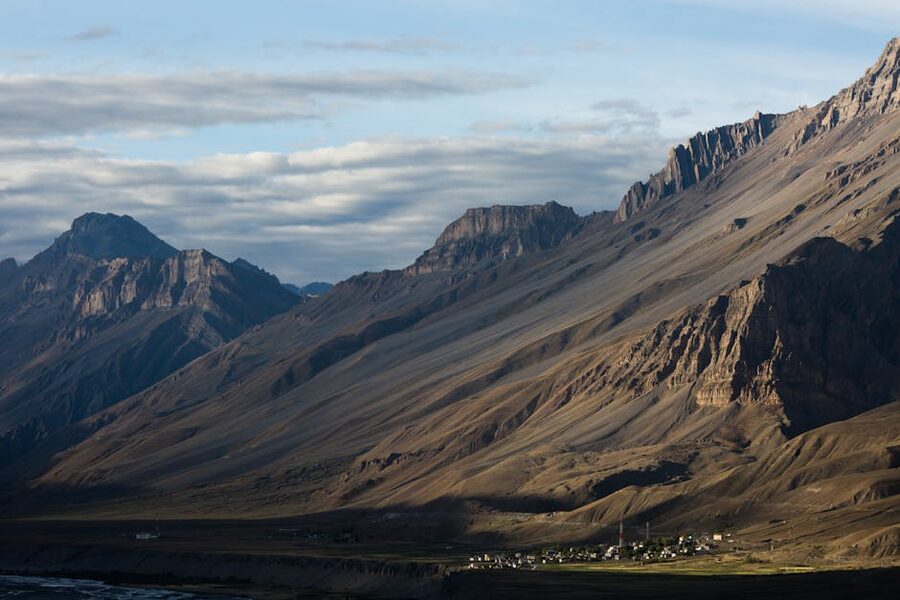
Spiti is the article’s whole reason for existing. Lahaul-Spiti is closed for half the year by the simplest mechanism in mountain geography: snow. The road past Gramphu and over Kunzum La (4,551m) holds snow into June and starts closing again in late October. So your window is roughly mid-June to mid-October. Outside that, you can get partway from either side, but you cannot do the loop.
The Atal Tunnel changed the equation in October 2020. Before, you needed Rohtang Pass to be open, which was a punctual June-to-October affair with road convoys, military closures, and weekend tourist permits. The 9.02km tunnel under Rohtang means Manali to Sissu and Tandi is now drivable in roughly two hours, year-round in theory, so Lahaul (the western half) is reachable in winter for the first time in a generation.
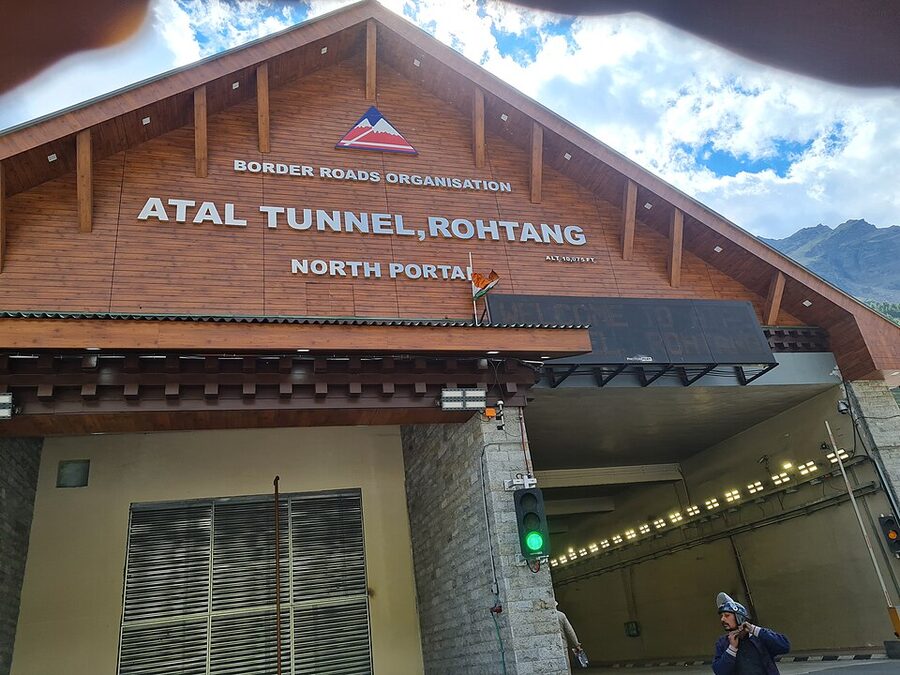
What didn’t change: Kunzum La and the road from Gramphu over to Kaza is still seasonal. So in winter you can drive Manali to Sissu, even Keylong, but you cannot continue to Kaza. To do Spiti in February (and yes, this is a thing for snow leopards and the world’s quietest village experience), you go up the Kinnaur side via NH-5: Shimla to Reckong Peo to Pooh to Nako to Tabo to Kaza. It’s open most winters, with the obvious caveat that in a heavy snow week even the lower stretches close.
The summer Spiti calendar
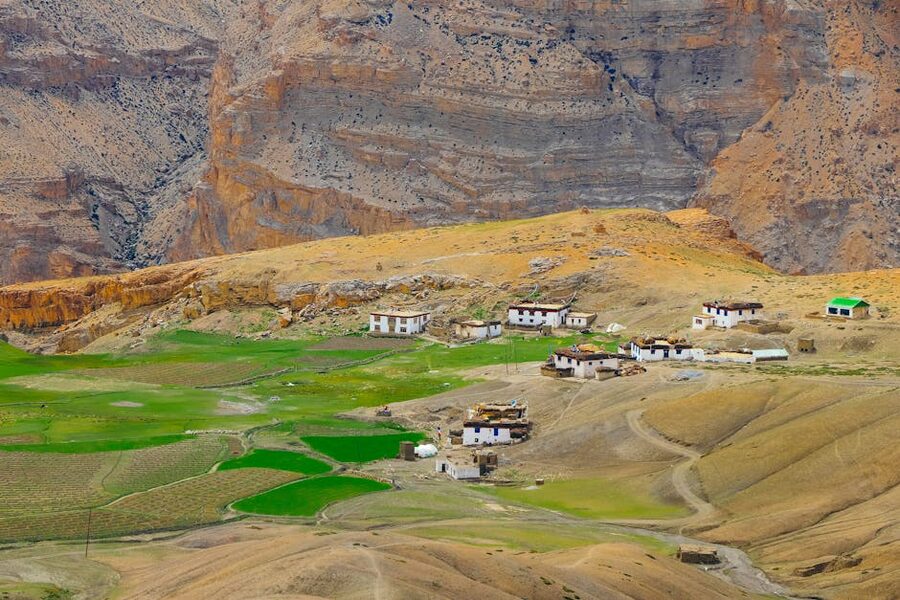
June is for early arrivers; the full Spiti loop usually opens late June. July and the first half of August are tricky, the Spiti monsoon is light but the approach via the Kullu side gets nasty.
Late August through September is genuinely the prime window, dry, clear, the harvest, the Ladarcha fair at Kaza in mid-August, and the high passes still firmly open. Early October is gorgeous and the most reliable for clear skies. Mid-October is the cutoff: by Diwali you’re risking an early snow shutting the loop on you.
If you want to do the full Spiti circuit, the right way is to drive in via Manali and out via Kinnaur (or vice versa), which is only possible in the summer window. Doing it as an out-and-back from one side wastes two days each way.
Snow leopard month: late January to early March
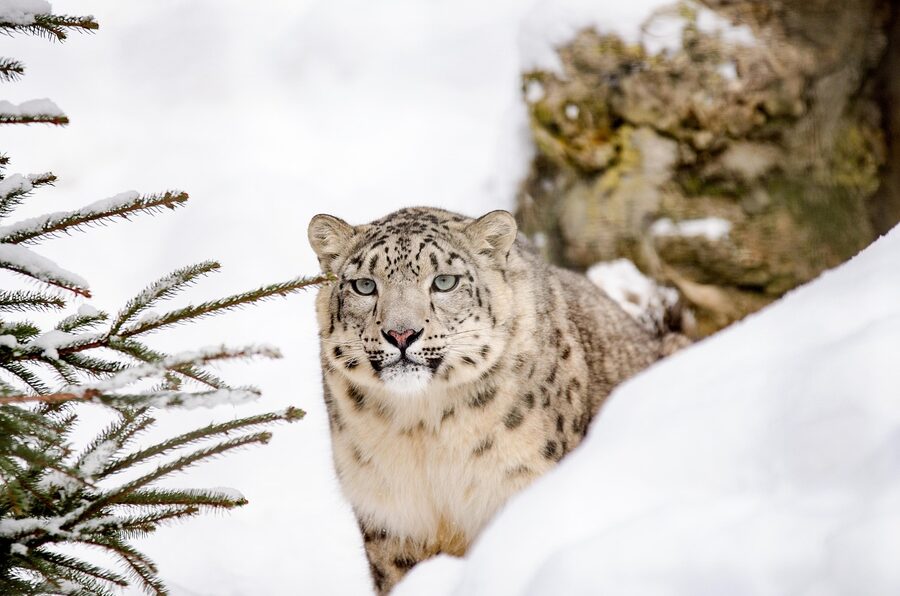
The Kibber-Komic stretch of Spiti, especially the Kibber Wildlife Sanctuary, has become the snow leopard expedition destination in India. Operators run dedicated trips in February and early March: 8 to 12 days of cold, patient watching, scopes set up across valley walls, with sighting probability around 60 to 80% over a full trip. Daytime highs in Kaza are -5 to -10°C; nights drop to -25°C. Trip cost runs ₹2,50,000 to ₹4,00,000 per person (~$3,000 to 4,800), which sounds extreme until you consider it’s the most affordable snow leopard trip on earth, Ladakh runs about double.
You access via the Kinnaur road. There is no Manali option in February.
October to mid-November: the connoisseur’s autumn
If I had to pick one month for an experienced traveller’s first Himachal trip, it would be October. The monsoon is gone. The summer crowds are gone.
The high roads are still open. The light is the best light of the year, low, golden, and the air is so clear from the Triund ridge you can pick out individual prayer flags on Indrahar.
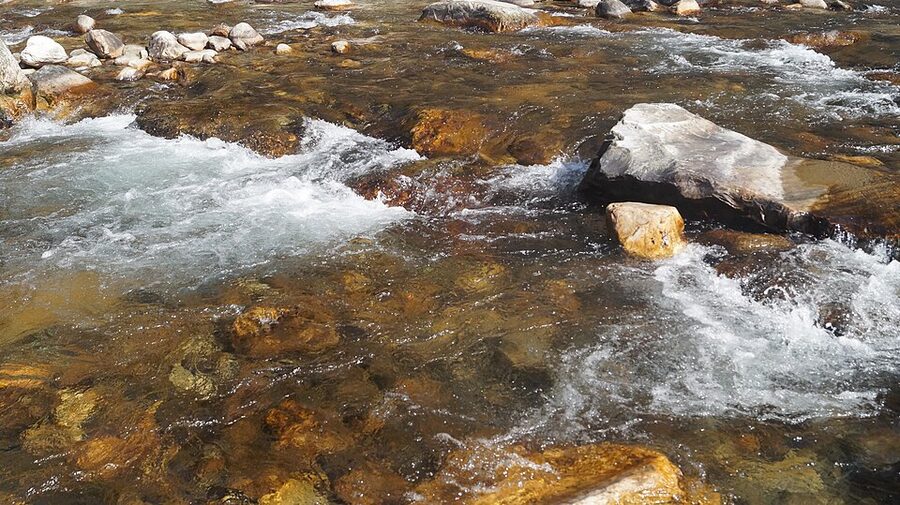
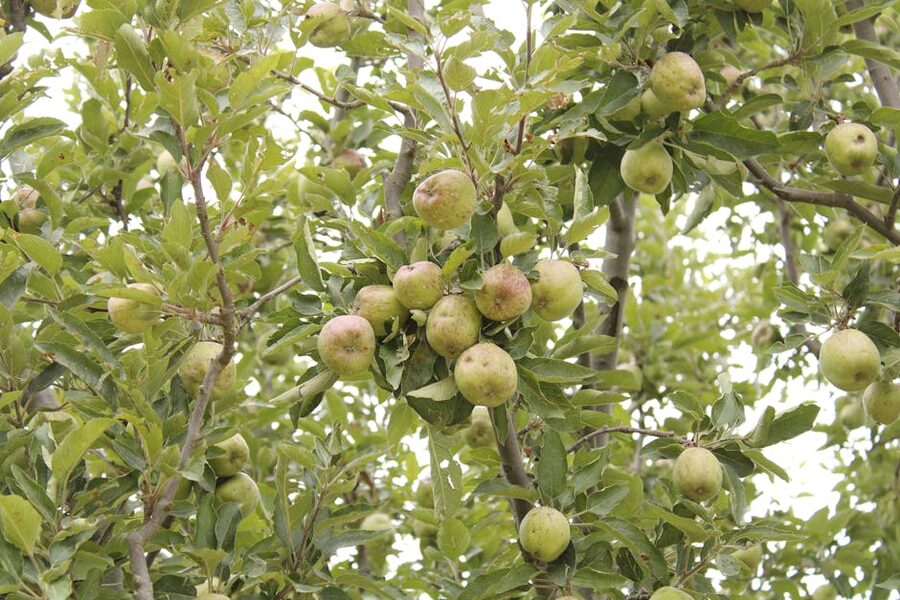
Tirthan peaks in October. The trout fishing reopens in September after the breeding closure; the river runs clear; the rhododendron forests turn copper. Kullu Valley hits its apple harvest in late September and October, the orchards above Naggar and Kotgarh strain under fruit. Kasol and Parvati shake off the summer crowds.
Kullu Dussehra in October
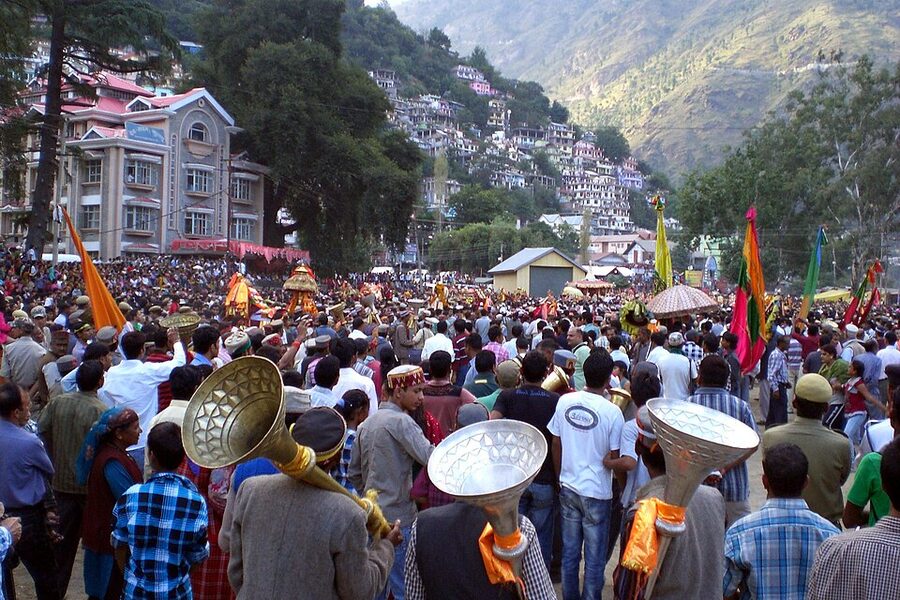
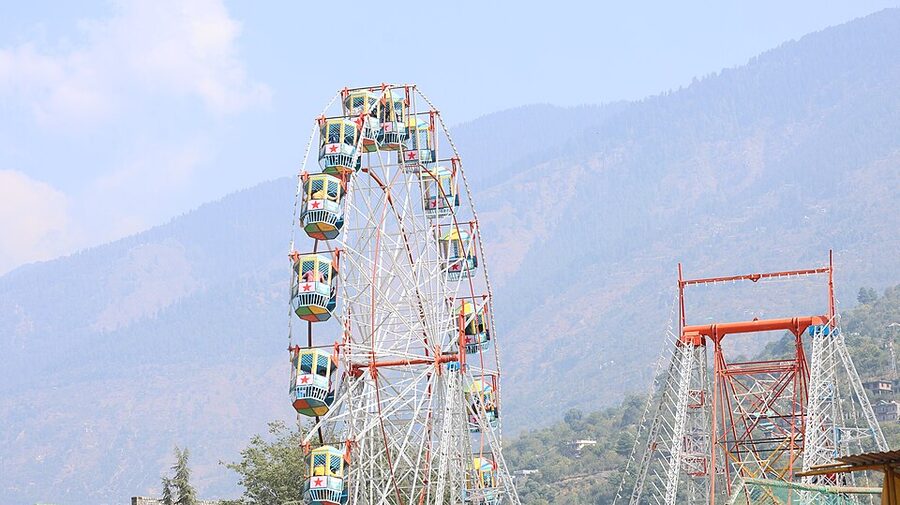
The single biggest reason to be in Himachal in October is the Kullu Dussehra. It runs for seven days starting on Vijayadashami (the date shifts on the lunar calendar; in 2025 it was October 2-8, in 2026 it falls in late September). Dhalpur Ground in Kullu fills with 200-plus village deities in palanquins, processions, the rath yatra of Lord Raghunath, fairs, music, and a giant wheel that gets photographed half a million times. Hotel rates in Kullu town treble for the week; book in August at the latest.
If you can’t time Dussehra, the rest of the festival calendar is laid out in our guide to fairs and festivals across Himachal, the Mandi Shivratri in February-March, the Phulaich harvest in Kinnaur in September, the Lavi Fair at Rampur in November, the Sazo and Fagli winter festivals.
Bir Billing’s flying season
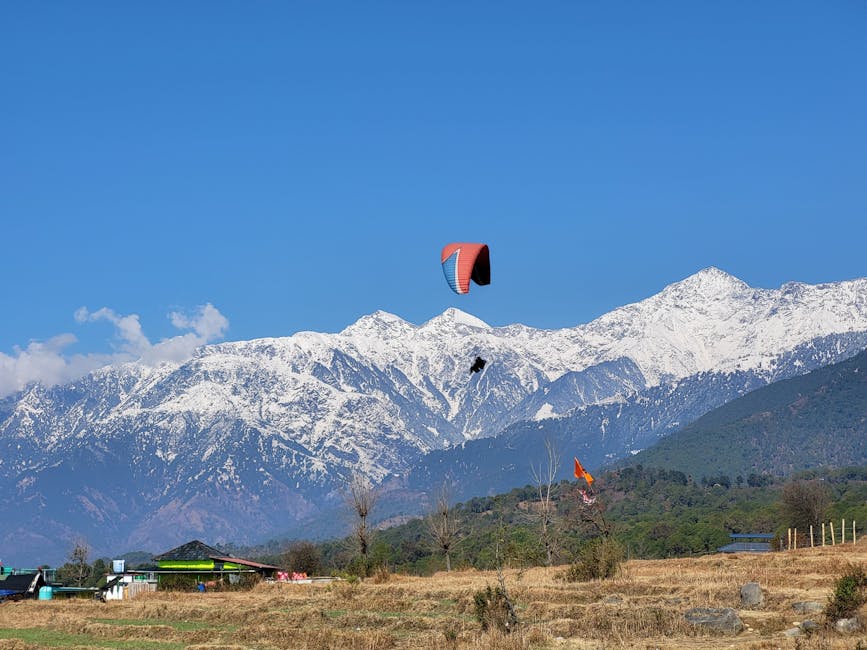
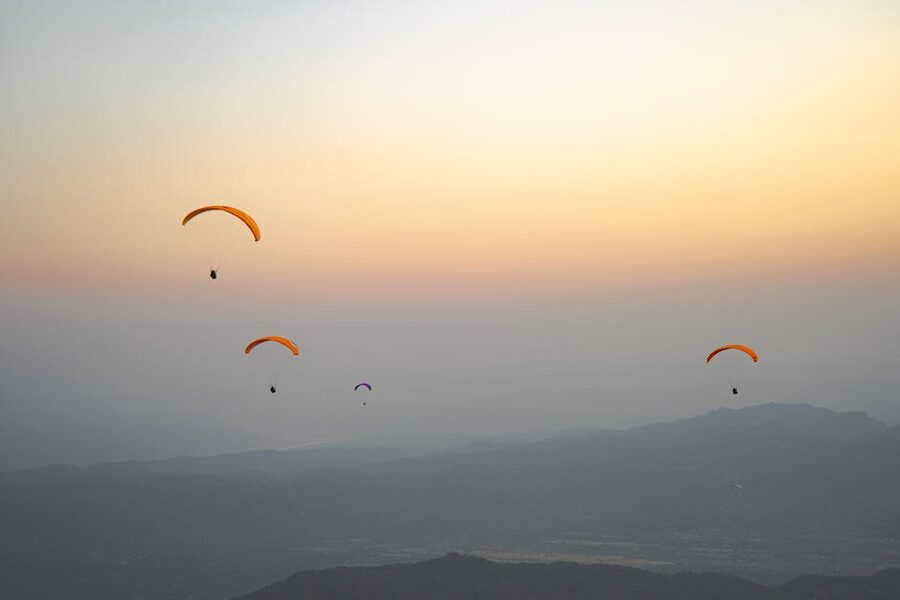
Bir Billing in Kangra hosts what’s still the world’s highest-rated paragliding site. The international flying season is October-November and mid-March to mid-May, the two windows when thermals are active and the weather is stable. The Paragliding World Cup ran here in October 2015 and the site is on the rotation since. Tandem flights operate through both shoulders; ₹3,500 to ₹5,000 (~$42 to 60) for the standard 25-minute Billing-to-Bir descent. In monsoon they don’t fly. In December-February the air is too cold and turbulent.
December to early March: the snow window
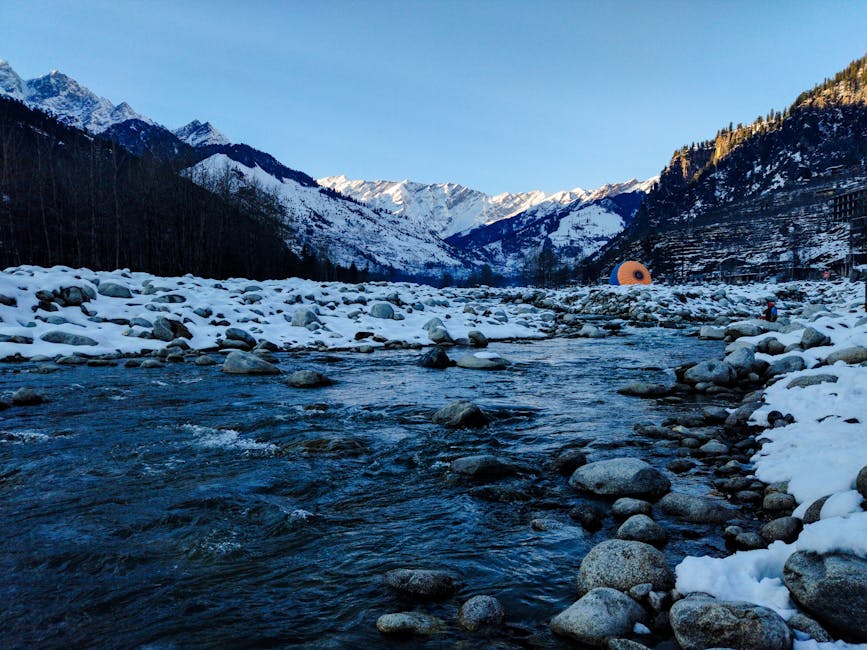
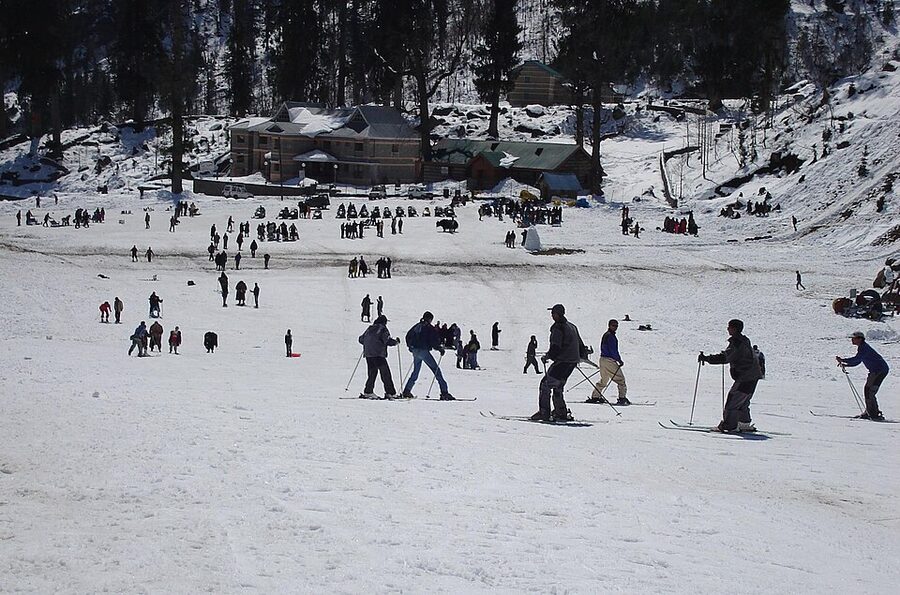
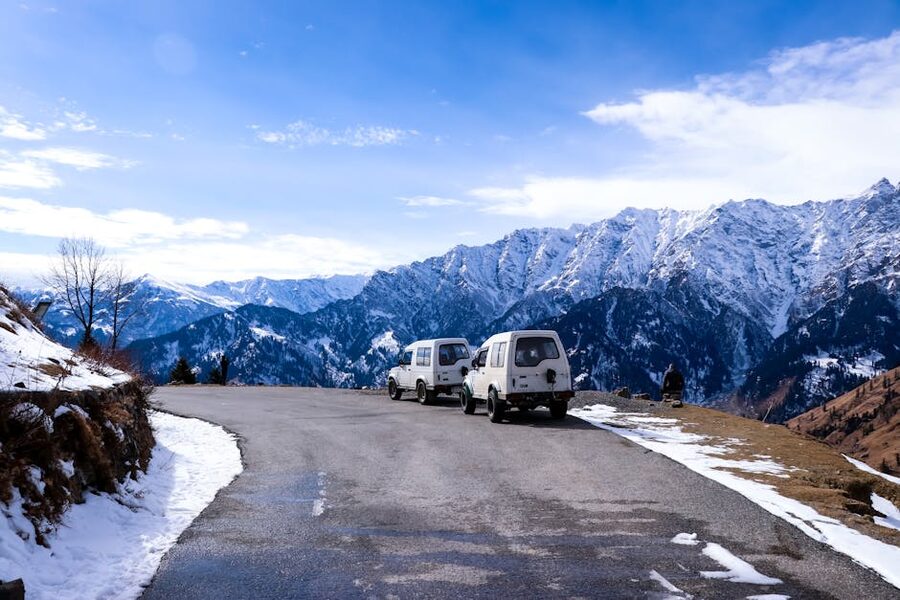
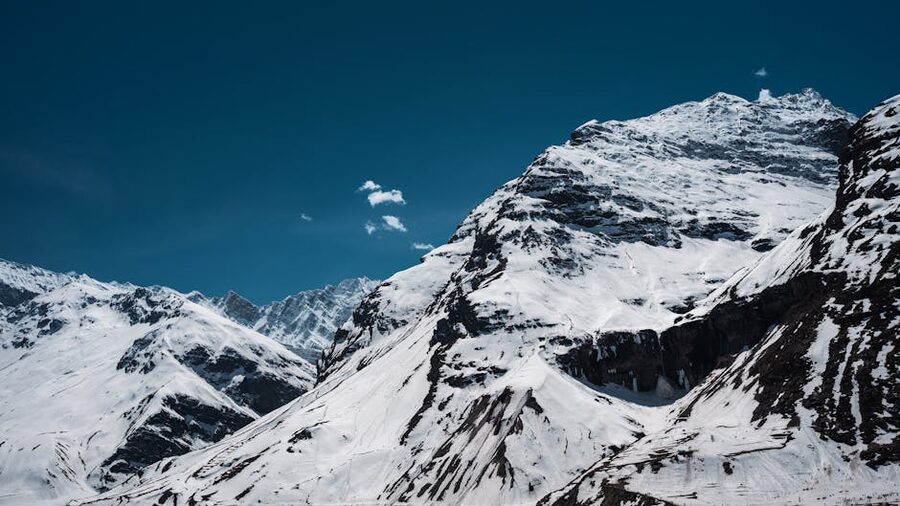
Most foreign visitors don’t expect Himachal to be a snow destination. It is. Manali, Solang Nala, Narkanda above Shimla, parts of Kufri, Dalhousie, and Sissu in Lahaul all get reliable snow from late December through February. Snow falls heaviest in January.
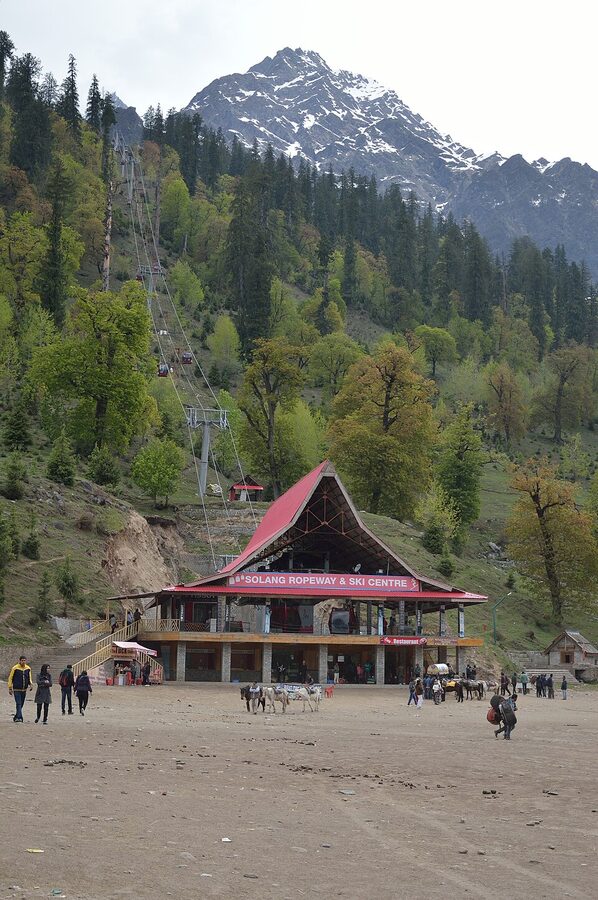
The catches are practical. The Manali winter window is also the honeymoon peak, so hotel rates are at their highest from December 22 through January 5 and stay high through Valentine’s Day. Solang ski packages run ₹3,000 to ₹6,000 (~$36 to 72) per person per day for gear and instruction; the slope is short and the season unpredictable, this isn’t Gulmarg.
The flip side: the connecting roads. Chandigarh to Manali in winter takes 12 to 14 hours instead of the summer 8 to 10. Snow chains are mandatory above Mandi in fresh-snow weeks, and the Kalka-Shimla heritage train (a UNESCO listing in its own right) is at its most photogenic but slowest. If you have a tight schedule, fly into Bhuntar (Kullu-Manali airport) instead of overnighting up.
The Lahaul winter you didn’t know existed
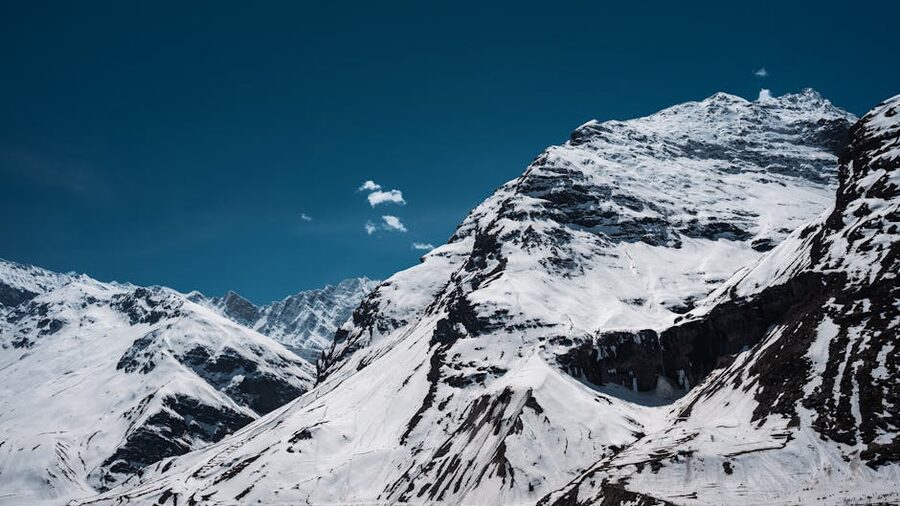
This is the one genuinely new thing on a Himachal seasonal map. Sissu, Tandi, and parts of Keylong are now winter-accessible from Manali via the Atal Tunnel.
Snow lies thick from December through March, the Chandra River freezes in patches, and a small but growing igloo-stay scene runs from Sethan and Sissu. Daytime temperatures in January sit around -5°C, lows hit -15°C. Pack accordingly.
The igloo stays in Sethan run roughly ₹4,000 to ₹6,500 (~$48 to 78) per person per night, including dinner and breakfast. Most operators run mid-January to early March. This is probably the best new winter option in Indian travel and it’s still under-used.
By traveller type, in plain English
Match your goal to the calendar; don’t try to do it the other way round.
Honeymooners and first-timers wanting clean weather: mid-March to early June, with the first three weeks of October as the dark-horse pick. Read our take on when to honeymoon in Himachal for the snow-versus-spring argument; the short version is that snow is more romantic but spring is more reliable.
Snow-chasers: last week of December through mid-February. Skip Manali New Year week unless you’ve booked four months out and don’t mind the rates. Sissu via Atal Tunnel, Solang, and Narkanda are the cleanest snow plays.
Trekkers: April to June for the lower routes (Triund, Bhrigu, Beas Kund, Hampta), September to mid-October for the Spiti and high-altitude lakes (Chandratal, Pin Parvati, Sar Pass post-winter has a different character than pre-monsoon). Avoid July to mid-September for any moderate or higher trek.
Wildlife and birdwatching: November to March for Pong Dam migrants, late January to early March for snow leopards in Spiti, April to June for resident species and high-altitude meadow walks in the state’s national parks and sanctuaries, including Manali Wildlife Sanctuary and Chail.
Festival travellers: October for Kullu Dussehra, March for Mandi Shivratri, September for Phulaich in Kinnaur, November for the Lavi Fair at Rampur. The state’s calendar is dense; the festivals page has the full schedule.
Adventure sports: April-May and October-November for paragliding at Bir Billing; June-September for white-water rafting on the Beas; July-September for Manali-area rock climbing once the snow has melted off the routes.
Spiti specifically: mid-June through mid-October for the road trip, late January to early March for snow leopards via the Kinnaur road. Nothing else.
Budget travellers: July, August, the first three weeks of September. You’ll pay 30 to 50% less and stay in places that wave at you when they see your car. Just stay flexible on routing because at some point a road will be shut.
Booking timing and price guidance
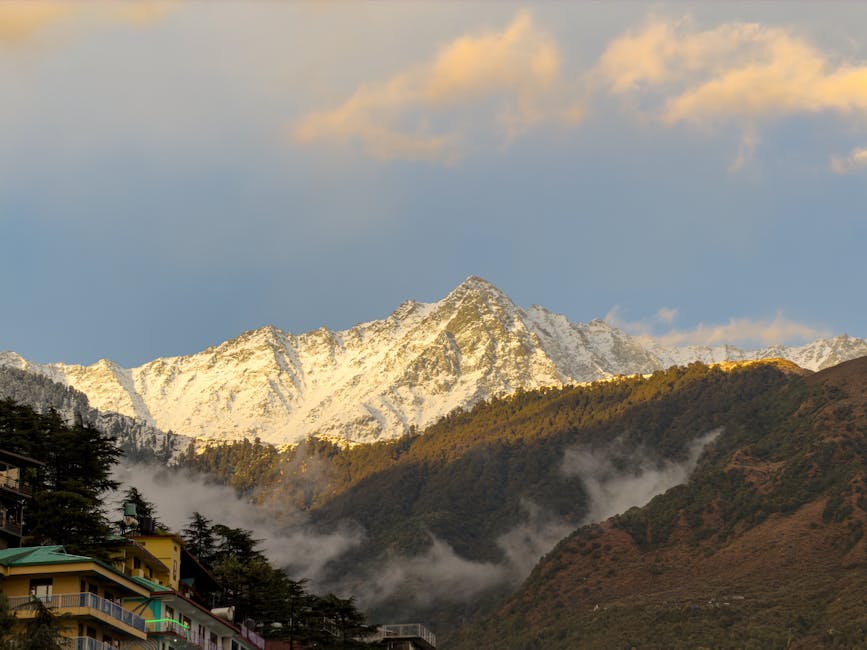
Hotels in the popular hill stations follow a predictable calendar. Peak rates apply mid-April through mid-June, December 20 to January 5, and a long-weekend bump on Holi, Easter, and Republic Day. Shoulder rates (the second-best deal of the year) cover late September through early November, and the second half of February through mid-March. Off-season runs mid-July to early September and the deep-winter weeks of mid-January to mid-February in places that don’t depend on the snow tourism trade.
The booking window that works for me: 8-12 weeks ahead for peak season hotels, especially in Manali and Chail; 3-4 weeks for shoulder season; walk-in is fine in true off-season except during a known festival. Train tickets on the Kalka-Shimla narrow gauge book out 60 days in advance for any winter weekend with snow forecast and any spring weekend in May; do those at the 60-day window.
Tour packages (the assembled-in-advance multi-day kind) make sense for first-timers in May-June and October-November when demand for car-and-driver hire spikes. Self-drive in summer and an on-arrival driver hire in shoulder seasons usually works out cheaper. The various Himachal tour packages we keep tabs on tend to bundle Shimla-Manali-Dharamshala in 8 to 10 days; if you have less time, prioritise one base and explore from it rather than racing the loop.
The contrarian’s recommendation
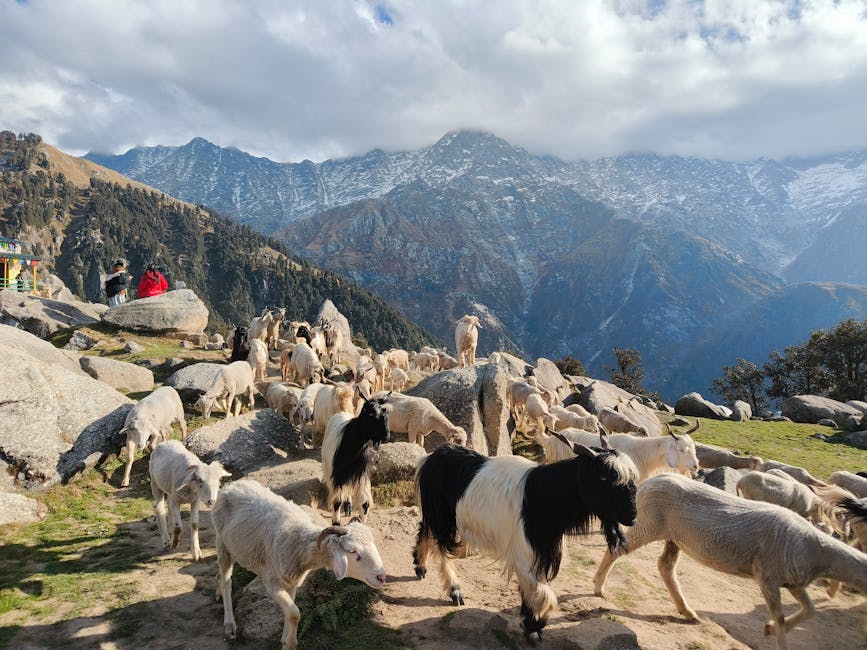
If you’ve never been to Himachal and you want one trip that hits the most varieties of the place: October. Fly into Kullu-Manali around the first week, drive over Atal Tunnel to Sissu, catch the back end of the Spiti loop if you’ve timed it right, drop down to Tirthan for the autumn light, end in Dharamshala for monastery weather and a cricket fixture if there’s one on the calendar. Twelve days, peak shoulder-season rates, and the entire vertical slice of the state in one trip.
If you’ve been before and want the version of Himachal that 95% of visitors miss: late January in Sissu via Atal Tunnel, then drive down to Bir for paragliding’s late shoulder, then south to Pong for the migratory waterfowl. Ten days, off-peak rates, the genuine winter Himachal that wasn’t even possible before 2020.
The “wrong” answers to the best-time question are the people insisting on May. May is fine for a first trip and crowded for any trip after that. The right answer is whichever week matches the version of the state you actually came to see.
Where to go from here: the destination guides (Manali, Lahaul-Spiti, Dharamshala, Kinnaur, Tirthan) drill into the actual itinerary work; the attractions overview and where-to-stay round-up map the rest of the state.
.jpg)


