
The story they tell at the front desk, when you ask, goes like this. In 1891 the young Maharaja of Patiala, Rajinder Singh, fell badly out of favour with the British in Shimla. Different versions of the story circulate. The most colourful holds that he had eloped with a daughter of the British Commander-in-Chief, Lord Kitchener, and that Kitchener responded by banning him from the summer capital. Whether or not the affair really happened the way local guides tell it, the ban itself is real enough. The Maharaja’s reply was to find a ridge across the valley that stood higher than Shimla, secure it from the British and the Maharaja of Keonthal in turn, and build his own summer retreat there. The road came first, then the palace at Rajgarh hill, then a cricket ground at 2,444 metres that still claims the world record. That ridge is Chail. The hotel you now book through HPTDC is what eventually grew on the spot.
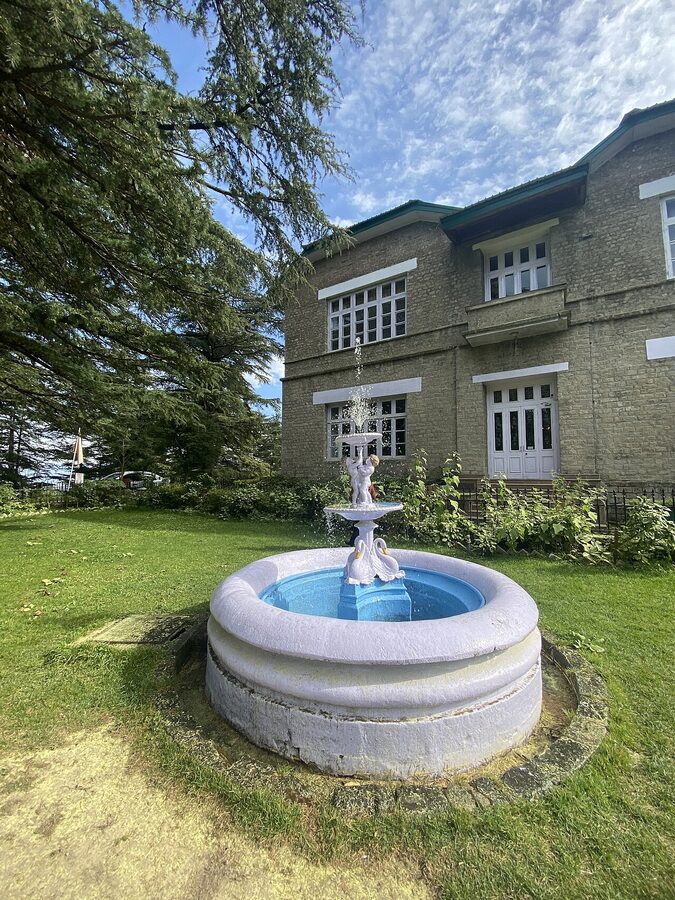
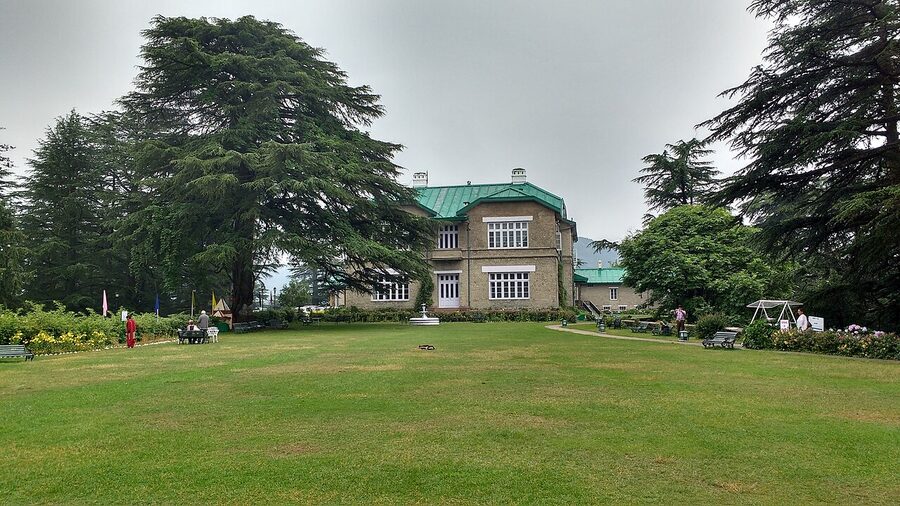
Chail Palace sits at 2,250 metres on Rajgarh hill in Solan district, 44 kilometres from Shimla and 45 from Solan town. The building you stay in is not the original 1891 structure. After Independence the last reigning Maharaja of Patiala, Yadavindra Singh, demolished much of the older fabric and rebuilt the main palace in its current form, completing the work in 1951. In 1972 the Himachal Pradesh government acquired the property and it has been run since then by the Himachal Pradesh Tourism Development Corporation as a heritage hotel. That ownership is the single most important fact for anyone thinking of booking. It is the reason the building has survived, the reason it stays unrenovated to a fault, and the reason you cannot reserve it through Booking.com, Agoda or MakeMyTrip the way you would any other Indian hill-station hotel.
This page is for the traveller deciding whether Chail Palace belongs in their Himachal trip, what it actually is, what staying there is like, what to do in the few square kilometres around it, and the practical realities you should know before paying the deposit. If you are still building a wider Himachal route, the wider hotels in Himachal overview, the honeymoon in Himachal guide and the Himachal tour packages page are useful companions. Chail itself fits naturally into a Shimla-Chail-Kufri loop and is a quieter alternative to Manali’s well-trodden circuit.
The Real History Behind the Hotel
The Patiala connection to this corner of Himachal is older than the palace. Until the early nineteenth century Chail was part of Keonthal state. Gurkha forces under Amar Singh Thapa took it from Keonthal in 1814, and after the Anglo-Gurkha wars the British transferred Baghat and parts of Keonthal to Patiala under a sanad dated 20 October 1815. So when Maharaja Rajinder Singh later chose to build at Chail, he was building on land his predecessors already controlled. Local lore has it that the British originally gifted Chail to Patiala for help during the Anglo-Nepalese War; the formal record is the 1815 sanad. The official Solan district administration’s tourist note on Chail at hpsolan.nic.in covers the same ground in summary.
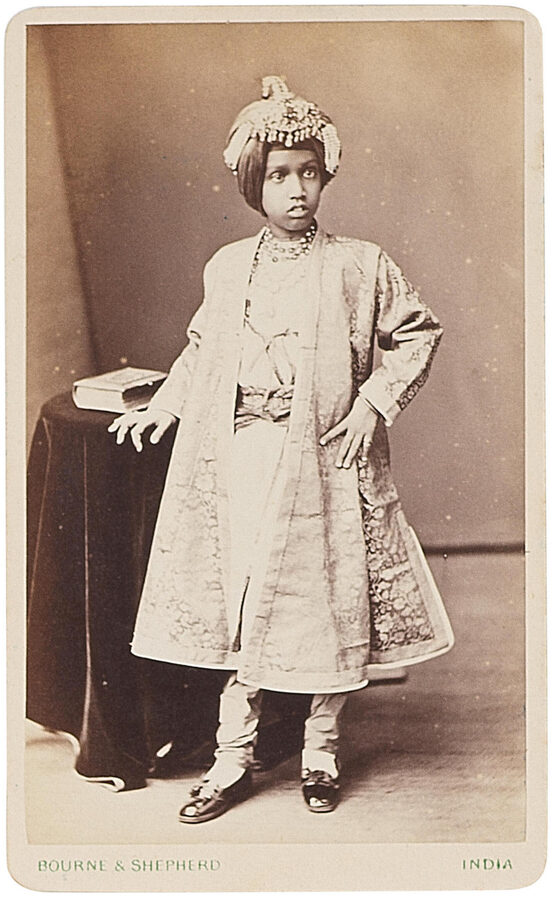
The construction itself dates to 1891-92. Rajinder Singh built first on the Rajgarh ridge, a wooden Victorian-style summer house with electricity unusually early for the region. He also built a smaller place near Kandaghat, the so-called Chail View Palace, intended to look across at Shimla. The road from Kandaghat up to Chail was driven through the deodar forest specifically so that the Patiala court could shift its summer residence here. Rajinder Singh died in 1900, before the estate was anything like complete. His son Bhupinder Singh inherited it and made Chail what it became at its peak.
Bhupinder Singh was, by every account, the kind of ruler who turned everywhere he stayed into a court. Under him Chail acquired the cricket ground (still in use, still the highest in the world), polo grounds, hunting shoots, swimming pools, and a stream of European visitors. Annual chess tournaments were held with players including Boris Kostić. The summer at Chail meant the entire administrative apparatus of Patiala state moved up the hill for several months. The palace itself was extended several times during this period and outbuildings, cottages and the staff quarters that today house the Annexe rooms were added across the wooded slopes.
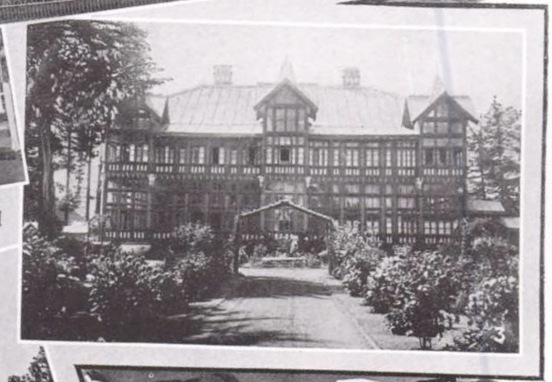
What changed after 1947 changed everything. The princely states were merged into the Indian union, the Patiala royal family lost their administrative role, and Yadavindra Singh, Bhupinder’s son, the last reigning Maharaja, chose to demolish the older palace rather than let it decay through neglect. He commissioned a new structure on the same Rajgarh hill, called Rajgarh Palace, which was completed in 1951. That is the building you sleep in today. In 1972 the family transferred or sold the property to the Himachal Pradesh state government, and HPTDC has run it as a hotel ever since.
Read that last paragraph carefully. The reason matters. People who arrive expecting Mysore Palace or Udaipur’s Lake Palace are not just disappointed by the rooms; they are disappointed by the wrong building. The current main palace is a 1951 structure built in a heritage idiom on top of, and largely replacing, a Victorian summer house. The deep-history charge is in the grounds, the views, the cricket ground, and the cluster of older outbuildings, not in the main hotel block, which is essentially seventy years old.
What It Actually Is Today
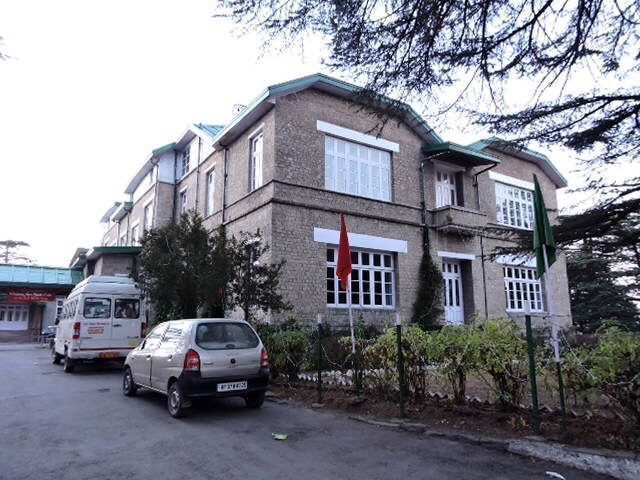
The estate spreads across roughly 75 acres of deodar and chir-pine forest on three adjoining hilltops. The main palace block, the centrepiece, holds the grandest suites along with the Kings Dining restaurant, the Royal Bar, the open-air Cafe Royal, the billiards room and a small library near reception that turns out to be one of the property’s quiet pleasures. Wander past the front desk to find a wooden cabinet of books in the kind of mix only an old hotel library accumulates, Greek tragedies sit beside biographies of Picasso, Lady Chatterley’s Lover in Hindi translation next to Asimov, with volumes on Indian folk art and the social-reform movement filling out the gaps.
Around the main palace, scattered across the slope, are several other accommodation blocks. The Annexe holds further rooms. Beyond it, log huts in their own clearings sit perhaps three hundred metres from the main building, deep enough into the forest that you can hear the nightjar at dusk but close enough to walk to dinner without a torch. The Maharaja’s Cottage, the Wood Rose Cottage, the Monal Cottage and the Rajgarh Cottage are detached units of varying sizes, useful if you are travelling as two or three couples and want privacy without losing the run of the grounds.
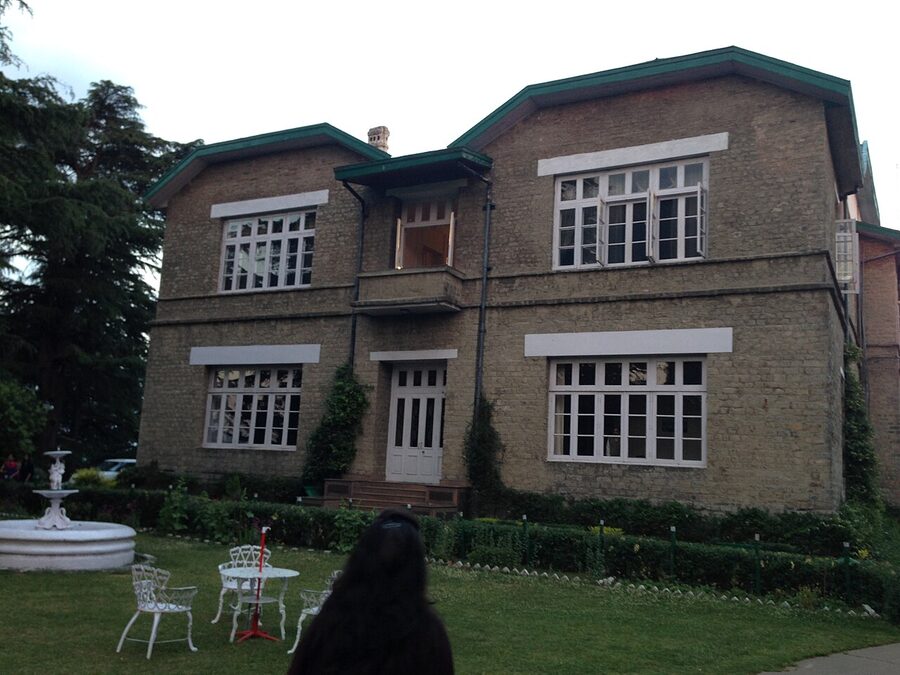
Public-facing facilities have grown organically over the half-century the property has been a hotel. There is a small open-to-all spa offering basic treatments, a children’s park near the entrance, and a conference room rated for around 70 people that picks up government and corporate offsites in the off-season. Outdoor amenities are the part the brochures push hardest: lawn tennis, badminton, table tennis, billiards, the trout-stream walks, and the famous lawn itself. A doctor is on call, the laundry works (slowly), and a small gift shop near reception sells Kullu shawls and HPTDC-stamped souvenirs at fixed prices that, refreshingly for a tourist site, are not negotiable upward.
The Rooms: What to Expect, and What Not To
This is where a clear-eyed read of the property matters. The room categories at Chail Palace are unusual because the property was a working estate first and a hotel second, so what you book is essentially a particular building or wing rather than a uniform room type. The main palace categories carry the period names, Maharaja Suite, Maharani Suite, Diwan Room, Mehman Room, Vazeer Room, Rajkumar Room, Rajkumari Room, and the Annexe and cottage categories add the Log Huts (Regular and Deluxe), the DBR Himneel Block, and the named cottages mentioned above.
The grand suites in the main palace are exactly what you would hope for in a heritage stay: high ceilings, antique furniture, fireplaces that work in season, sitting areas you could write a novel in, and bathrooms with claw-foot tubs. The Maharaja and Maharani suites in particular have sitting rooms, writing desks, and big windows looking onto the lawns. Tariffs in the high season can run to ₹25,000-₹35,000 a night for these rooms; in the off-season they fall sharply. If a heritage suite is the reason you are coming, ask specifically for the named main-palace rooms when you book, the website’s photographs do not always match what you are actually reserving.
The mid-tier and Annexe rooms are where the practical disclaimers begin. Most date from the 1970s or 80s in their interior fit-out, with bathrooms that show their age, carpets that have done long service, and electrical sockets in inconvenient places. The bedding is clean and the heating works (in winter you will need it), but if your reference point is a recently refurbished four-star elsewhere in India, you will find these rooms dated. The standard refrain in TripAdvisor reviews, that the building is splendid but the rooms are tired, is fair. HPTDC’s budget for refurbishment runs at roughly the speed of state-tourism budgets everywhere.
The log huts are the surprise. Set far enough back from the main palace that you are essentially in the deodar forest, they offer a more cabin-like experience: simple plank-walled rooms, working fireplaces, and a verandah where the morning light comes in low through the trees. They are popular with families and couples who prioritise atmosphere over interior finish. Book the Deluxe Log Hut over the Regular if it is available; the difference in space and bathroom quality is worth the extra spend.
Two practical room notes that no website mentions clearly. First, the property is genuinely cold for much of the year. Even in early October the night-time temperature drops sharply once the sun goes off the ridge. Bring more layers than you think you need, particularly if you are staying in a cottage or log hut where the heating is electric and intermittent. Second, the cellular signal across the estate is poor and the wi-fi is weak away from the main palace block. If you need to work, plan to sit in the lounge near reception. The brochure copy that talks about “work from the hills” packages exists for a reason; the wi-fi backbone is being slowly upgraded but is not yet reliable for video calls.
Booking the Hotel: HPTDC, Not OTAs
This is the single most important practical fact about the property and the reason that so many first-time visitors get into trouble at the front desk. Chail Palace is owned and operated by the Himachal Pradesh Tourism Development Corporation, the state government’s tourism arm (see the corporate background at himachaltourism.gov.in). The only authoritative place to book is the HPTDC website at hptdc.in or by ringing the property directly. You will see the hotel listed on MakeMyTrip, Goibibo, Trivago and other Indian OTAs; some of those listings work and some do not, and the inventory they sell is the rump of HPTDC’s allocation rather than the full set of suites and cottages.
The pattern travellers most often run into is this: they book through an OTA expecting the Maharaja Suite and arrive to find HPTDC has them down for a mid-tier Annexe room because the OTA was selling a generic “deluxe” listing. Refunds and reassignments are slow. Booking direct through HPTDC removes this risk; you also tend to get better off-season rates and can request specific named rooms.
Two further notes on booking. There is no Booking.com or Agoda inventory for Chail Palace itself, anything you see under those names will either be a different Chail hotel (the town has perhaps a dozen) or a third-party reseller. And the New Year and Christmas tariffs are a dramatic spike: HPTDC publishes them separately and they include a mandatory gala dinner. If you are weighing the year-end stay, double-check the package inclusions before paying the deposit.
The Lawn, the Library, and the Quiet Pleasures
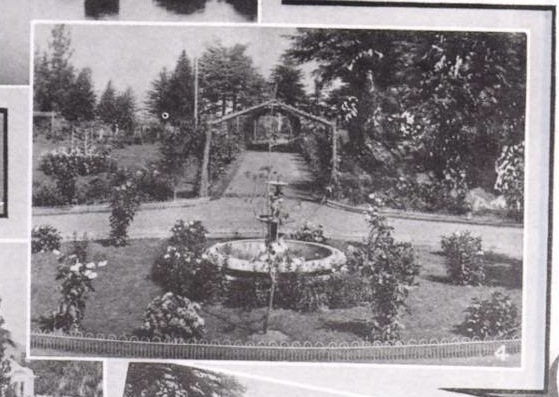
The lawn is the single feature everyone who has stayed here remembers. It runs along the front of the main palace, ringed by deodars on three sides, with a low stone wall along the slope that drops away towards the valley. On a clear October morning the view runs all the way to the snow line. On a wet July afternoon the mist comes up off the slope and you cannot see twenty metres past the wall. Either is good. There are wrought-iron benches along the perimeter, a small platform for occasional outdoor dinners, and the sense, particularly at dawn and dusk, that you have the whole property to yourself for the length of one cup of tea.
Day visitors pay ₹200 to enter the grounds and walk around. This is worth knowing in both directions. If you are staying you will share the lawn with day-trippers from late morning to mid-afternoon; if you are not staying but want to see the place, the entry fee is the gentlest way to do so. Day visitors are not allowed inside the rooms or the spa, but they can use the cafe, the gift shop, and the open lawn freely. The crowd thins after about 4 PM.
The library near the front desk is small and easy to miss, but worth half an hour. The collection is exactly the kind of accidental archive that an HPTDC property accumulates over half a century: state-tourism volumes from the 1970s, paperbacks left by guests from many decades, a few hardback Indian classics, and (the surprise everyone notices) more European and American fiction than you would expect this far up a Himachali ridge. The librarian, when there is one, will check books out to you against your room key. None of it is signed, none of it is for sale, and the cabinet itself is part of the property’s quieter charm.
One small ritual to know about. Staff maintain a shrine to Siddh Baba on the grounds, near a particular deodar; many of them stop there briefly each morning before starting work. If you walk past it, the polite move is the polite move anywhere, slow down a little, do not photograph it without asking. It is one of those signs that the palace is still, in its quiet way, a Punjabi establishment as much as a Himachali one. The Patiala family kept the shrine and HPTDC has kept it too.
Eating at the Palace
The Kings Dining restaurant in the main palace serves multi-cuisine, Indian, Chinese, Continental and a small Himachali section, at fixed-menu HPTDC prices that have remained unusually stable over the years. Lunch and dinner are both buffet during the high season and à la carte in the shoulder months. The Indian section is more reliable than the others; ask for the Punjabi rajma chawal at lunch (a nod to the Patiala connection) and the Himachali sidu if you can find it, served with ghee. Avoid the Continental options unless you are unusually hungry; the kitchen has limited equipment for anything beyond standard hotel fare.
The Royal Bar is open in the evening and is a useful place for a single drink before dinner. Spirits are the standard HPTDC list, the wine selection is thin, and prices are state-tourism prices, which is to say cheap by hotel standards and steep by liquor-shop standards. The open-air Cafe Royal beside the lawn does coffee, tea, sandwiches and pakoras through the day; in the shoulder season it is one of the few places in Chail to sit with a hot drink and the view.
Breakfast is included in most room rates and is solid rather than memorable: South Indian, North Indian and English options, with fresh juice and reasonable coffee. The cooked-to-order omelettes are the safest bet. Dinner outside the hotel means a drive into Chail town, perhaps 1.5 kilometres away, the small bazaar there has a few cafes and dhabas, none of which are remarkable but all of which are cheaper than the palace and useful on a long stay if you want a change.
The Cricket Ground at 2,444 Metres
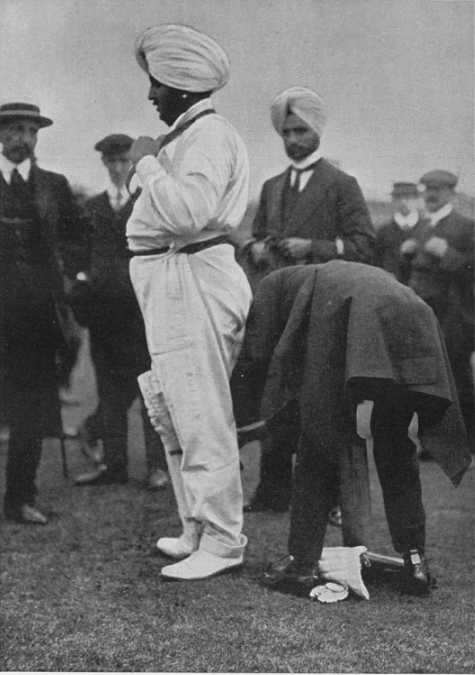
The Chail Cricket Ground is a flat-topped plateau roughly two kilometres above the palace, at 2,444 metres (8,018 ft). It is, by every recognised measure, the highest cricket ground in the world. Construction began under Rajinder Singh in 1893 and was finished under Bhupinder Singh, who used it for matches against touring English and Australian sides during the 1920s. The ground is now part of the Rashtriya Military School (Chail Military School) campus and is shared between cricket, polo, basketball and football. The plateau itself is genuinely flat, which when you have driven up from Kandaghat seems unlikely; from the boundary the slope drops away on three sides into the deodar forest.
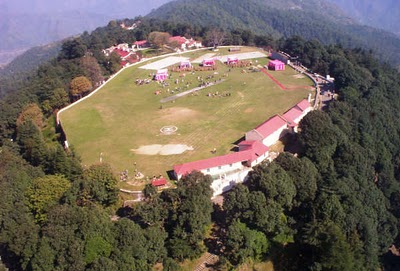
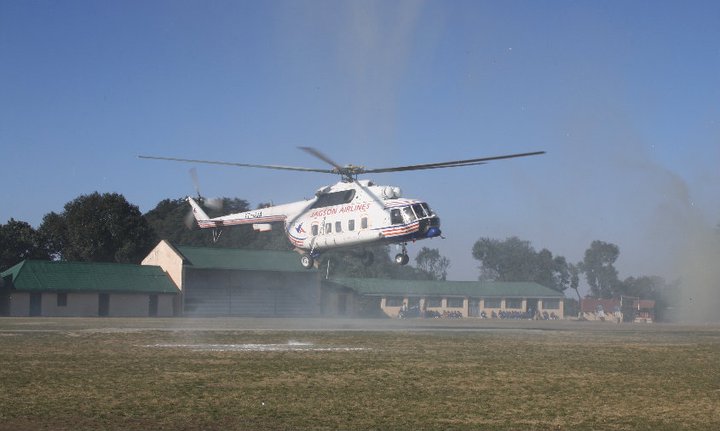
Access for casual visitors is straightforward but worth confirming on the day. Because the ground is on the Military School campus, entry is at the gate’s discretion; if no school activity is on, you can usually walk in, sign the visitor book, and wander the perimeter. School-day matches and parade days close the ground to the public. Photography is allowed of the ground itself; the school buildings and any cadets in uniform are off-limits. Aim for mid-morning on a clear day; the air thinner up there is noticeable, particularly if you are coming straight up from the plains, and a slow walk around the boundary takes about twenty minutes.
Two things about the visit are worth flagging. The military school itself, founded in 1925 by King George V (then the Prince of Wales) at Jullundur and shifted to Chail in 1960, is one of five Rashtriya Military Schools in the country. Its alumni call themselves Georgians and the chapel and parade ground are visible from the cricket boundary if you walk towards the main building. And the polo ground, which also stands on this plateau, was where Bhupinder Singh’s prize Patiala ponies played; the polo tradition in this corner of Himachal effectively died with the princely period and has not returned, though the ground is occasionally used for school events.
Walking the Grounds and the Wider Forest
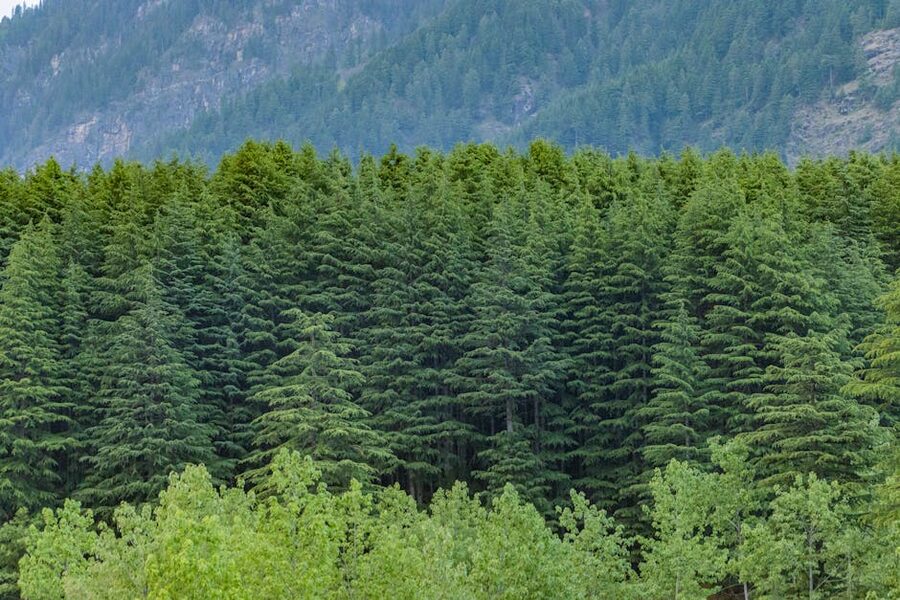
One of the genuine reasons to stay rather than to day-trip is the walks. The 75-acre estate is essentially a managed forest, with marked paths, a few benches, and several gentler loops for casual walkers. The most popular short walk is the perimeter loop around the main lawn and through the deodars at the back of the property; allow about forty minutes including pauses to sit, longer if you walk at first light when the birdlife is at its best. Look for langur troops in the trees, the occasional giant squirrel, and the bar-tailed treecreepers that work their way up the deodar trunks at dawn.
For a longer walk, the path from the back of the estate winds through the forest towards the cricket ground; ask at reception for the Siddh Baba route, which takes about an hour each way and includes the small shrine that gives the path its name. If you have a day to fill, the Kali Tibba temple loop is the most rewarding option from the palace itself, see the section below for the route. None of these walks need a guide in good weather; in mist or after fresh snow take a torch and check at the front desk before setting off.
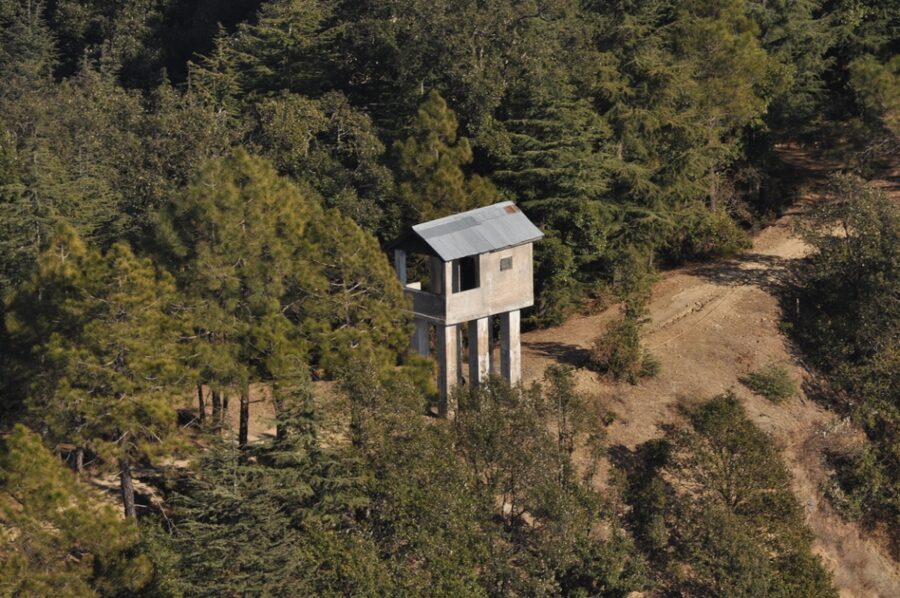
The Chail Wildlife Sanctuary, notified on 21 March 1976, covers about 10,854 hectares around the town, most of which is the same deodar-and-chir-pine forest you walk through inside the palace grounds, only without the lawn. The sanctuary holds ghoral, kakkar, sambhar, red jungle fowl and several pheasant species; pheasant sightings are most likely in early morning and late afternoon, with the cheer pheasant being the species most eager birders come for. There is a watchtower a few kilometres from the palace; access is informal but rewarding for an hour at dawn. The Himachal Pradesh forest department’s protected-area notes are at hpforest.hp.gov.in if you want the formal sanctuary boundaries.
For more on the wider sanctuary system in the region, see the Chail Wildlife Sanctuary page and the broader wildlife in Himachal overview. If you are interested in a different protected area as a comparison, the Manali Wildlife Sanctuary sits on a similar deodar belt further north.
Chail Town and Kali Tibba
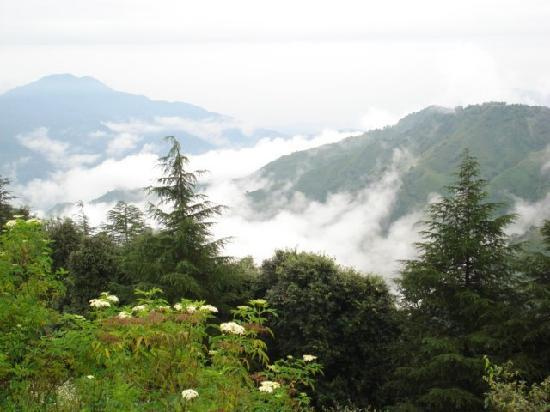
Chail town itself is small. The bazaar runs along a single ridge for a few hundred metres and consists of perhaps thirty shops, a couple of cafes, the post office, the bus stand and a handful of family-run guesthouses for travellers who do not want to (or cannot) book the palace. The town has an HPMC apple-juice outlet that sells the local produce at fixed prices; pick up a bottle of pure apple juice for the equivalent of about ₹120 and you have a far better souvenir than anything the palace gift shop sells.
If the palace itself is full or out of budget, the surrounding hill villages have small homestays and one or two heritage-style boutique stays. The wider Chail hotels page covers the alternatives; for a different hill-station base entirely, the Manali hotels shortlist is a useful comparison and the broader hotels in Himachal overview gives the state-wide context.
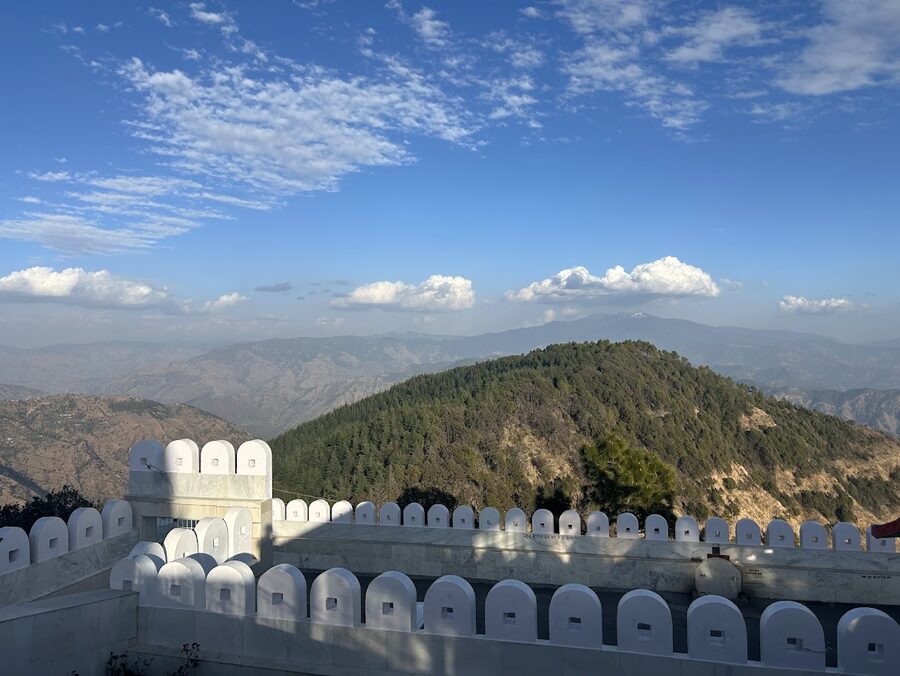
Kali Tibba is the obvious half-day expedition from the palace. The temple itself, dedicated to Kali and Panchmukhi Hanuman, is a small modern white-and-saffron structure on a high ridge a few kilometres outside Chail. What pulls people up there is not the temple architecture (it is plain) but the view; on a clear morning you can see across to Choor Chandni peak in the Sirmaur district, the highest point in the outer Himalayas, and on a really clear day you can see the southern snow line. Opening hours are roughly 8 AM to 6 PM; there is no entry fee and the road is driveable to within about half a kilometre of the shrine, with a short walk up the final stretch.
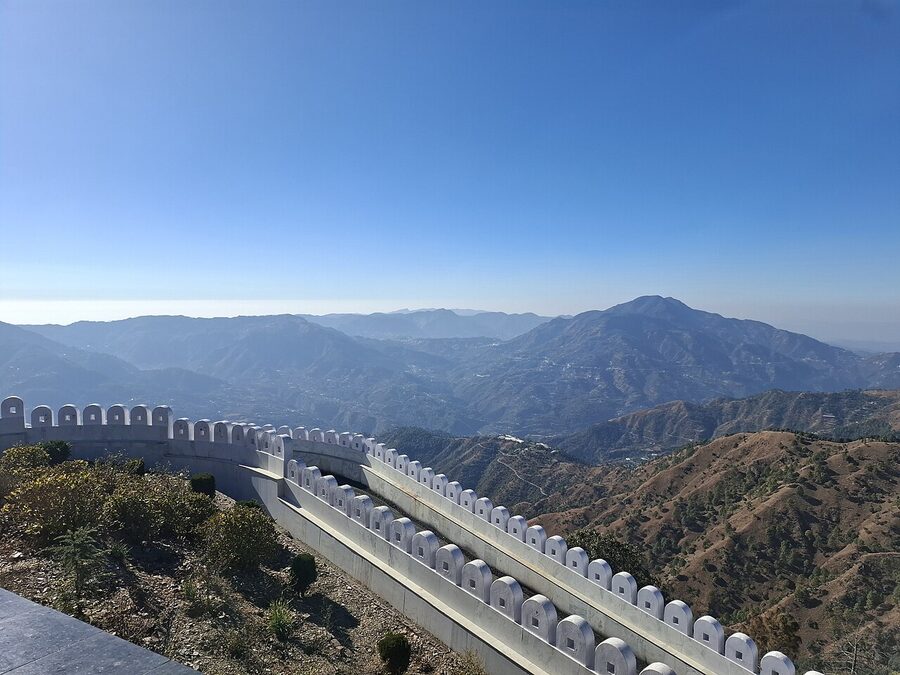
If you want to extend the day, the road continues past Kali Tibba towards the Sadhupul side of the valley. A circular drive Chail – Kali Tibba – Sadhupul – Chail makes a reasonable half-day; allow three to four hours including stops, longer if you eat lunch at one of the in-river dhabas at Sadhupul.
Sadhupul: The Stop on the Road In
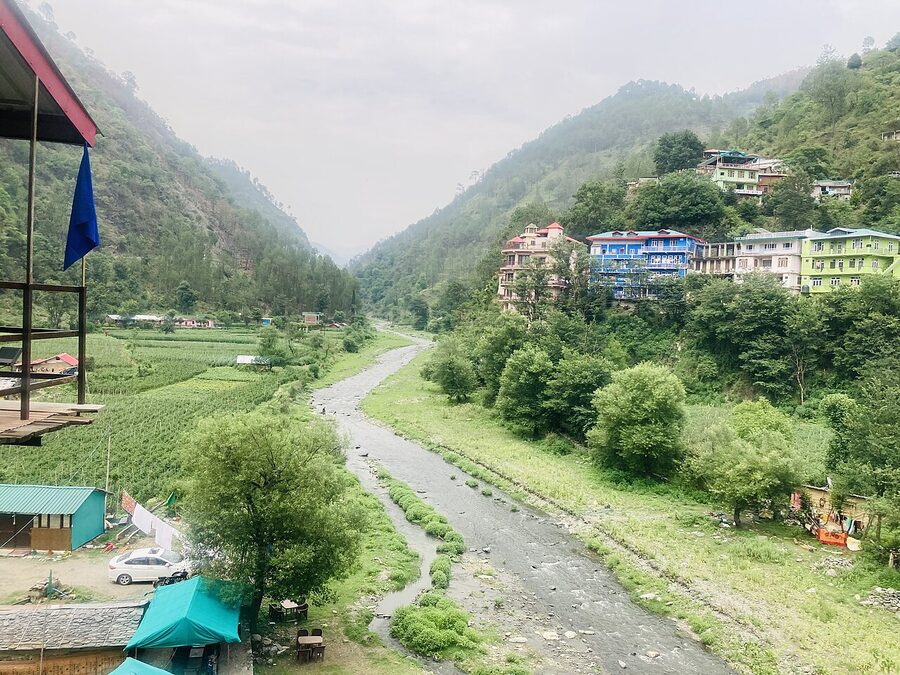
Sadhupul is the famous waypoint on the road from Solan and Kandaghat up to Chail. It is essentially a low river crossing where the Ashwani Khad (locally Ashwani river) runs flat under a road bridge, with a string of small open-air dhabas and one or two slightly more permanent restaurants set up so that diners can sit on plastic chairs in ankle-deep water. In the May to June high season the place is heaving and the queues for tables stretch up the bank; in the shoulder months it is much quieter and genuinely pleasant.
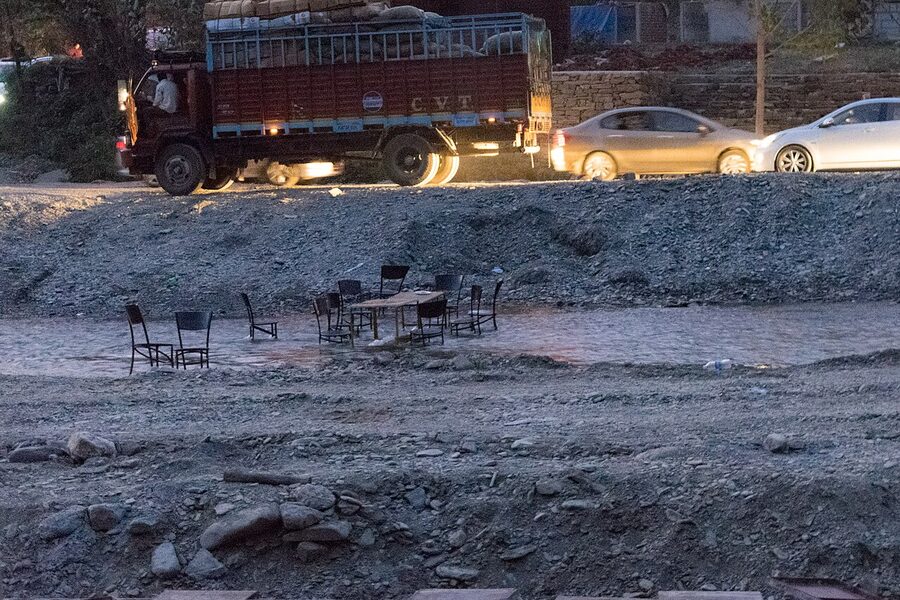
The food at Sadhupul is plain dhaba food: Maggi (the unofficial state noodle), aloo parathas, hot pakoras, sweet chai. None of it is a culinary destination and none of it pretends to be. What you are paying for is the chair in the stream and the half-hour off the road. Do not order anything elaborate; the kitchens are basic and the wait can be long. Forty minutes total, drink, eat one snack, get back in the car, is about right.
One practical note: the river crossing itself is shallow but the stones are slippery, and children should be supervised. After heavy rain the level rises quickly and the dhabas pack down for the day. The site is around 11 km from the palace and adds perhaps 20 minutes to the drive in or out from Kandaghat.
Kufri and the Wider Day-Trip Range
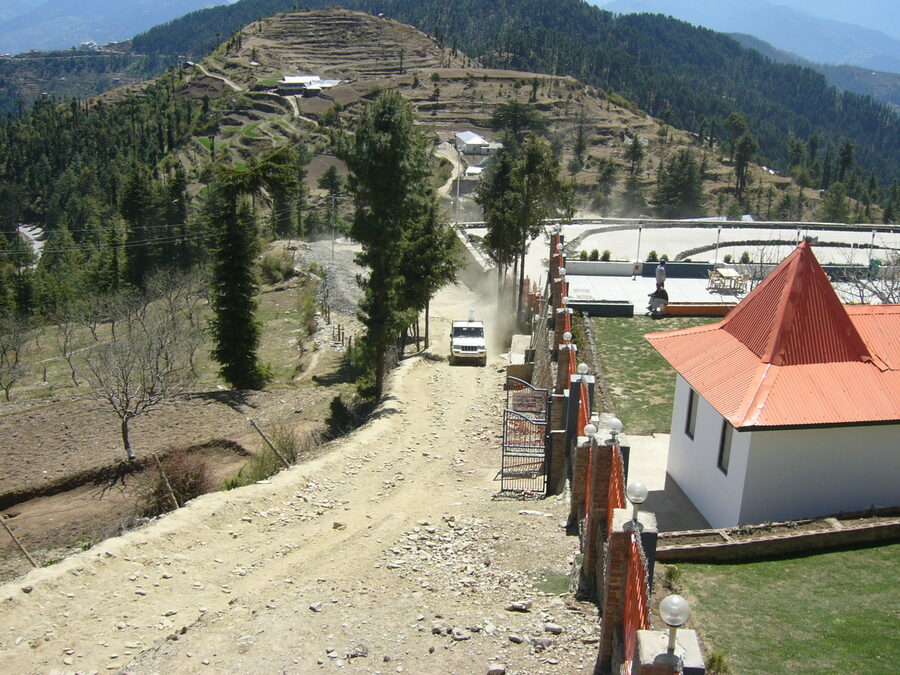
Kufri is roughly 28 km from Chail by the back road through the forest. The hill station itself is small, touristic, and these days more famous for its winter snow play and the Himalayan Nature Park than for any deep merit of its own. Day-trippers come for the Mahasu Peak walk, the small (and now somewhat sad) zoo, and in season the chance to see fresh snow without the drive to Manali. The plain truth: Kufri is not a destination in itself, but if the weather is right and you want to fill an afternoon, the round-trip from Chail through the forest is pleasant and the Mahasu Peak viewpoint is genuinely worth the climb.
Avoid the horse rides and the photo-booth costumes that line the main road; both are over-priced and uniformly unpleasant. Walk up the path instead, with the apple orchards on either side, and you will see the same view for nothing.
Shimla itself is 44 km away and works well as a day visit if you have an early start; the Mall, the Ridge, and Christ Church are walkable from each other in a morning and you can be back at Chail Palace for dinner. From Chail’s quiet to Shimla’s noise is a sharper jump than the distance suggests; some people find it useful contrast and some prefer to stay put.
If you have more time, Solan town is 45 km away in the other direction and useful primarily for its old buildings and the Mohan Meakin brewery, Asia’s oldest, established 1855, which is open for tours by prior appointment. None of this is essential; Chail’s appeal is staying put, not running around.
Getting to Chail
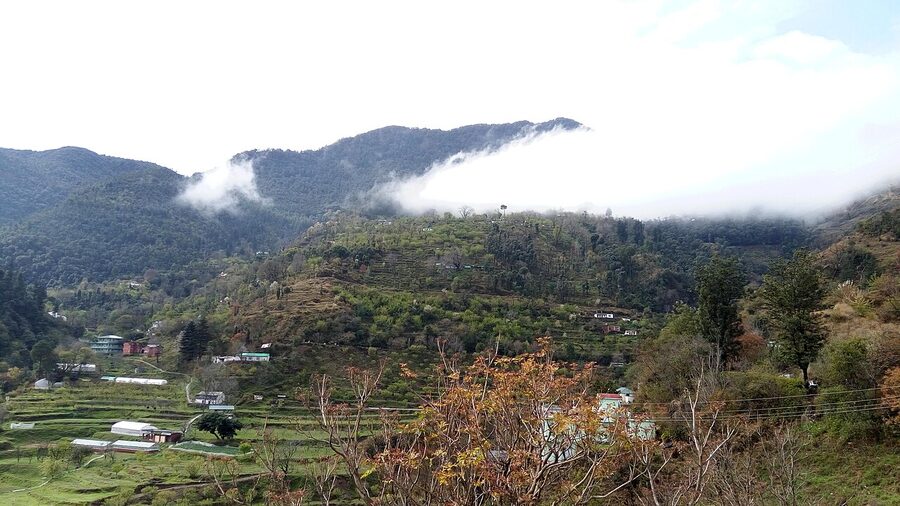
Chail has no train station and no airport. The realistic ways in are by road, with three usable approaches. From Shimla the standard route runs via Kufri and is 45 km, taking about two hours by car on a clear day. From Solan via Kandaghat the route is 49 km and takes around two hours. From Chandigarh, the longer plains-side approach via Kalka and Kandaghat is 110 km and takes between three and a half and four and a half hours depending on Pinjore-Kalka traffic. From Delhi the standard distance is around 350 km, eight to nine hours by car or overnight by train to Kalka and then a road transfer.
The nearest railway station is Kandaghat at the foot of the climb, on the Kalka-Shimla narrow-gauge line, a UNESCO World Heritage Site in its own right. The narrow-gauge from Kalka to Kandaghat is a three-hour ride through 102 tunnels and 800-odd bridges; for many travellers it is one of the highlights of the trip in itself, and arriving at Chail by way of the Kalka-Kandaghat train rather than by direct road is a much more atmospheric way to start a stay. Pre-book the seats well in advance, particularly in the May-June and October peak seasons. The nearest mainline station is Kalka, served by Shatabdi and Himalayan Queen services from New Delhi.
The nearest civilian airports are at Shimla (Jubbarhati, 37 km from Kandaghat, with a handful of flights from Delhi and Chandigarh and frequent weather cancellations) and Chandigarh (about 120 km away, far better connected). Most travellers arrive overland.
For longer-distance routing, the wider Delhi-Manali page covers the broader trans-Himachal context, and the tourist attractions of Himachal overview puts Chail in the wider state-tour context.
When to Go
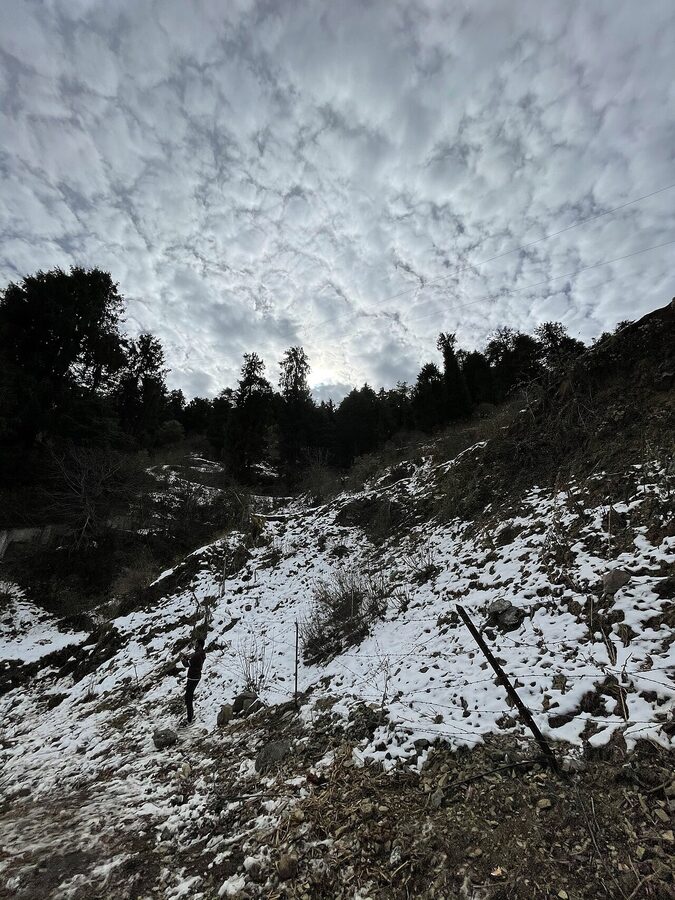
Chail has four broadly distinct seasons and the right answer to “when to go” depends on what you are coming for. The annual rainfall sits at around 150 mm, sharply lower than Manali or Dharamshala, which makes the shoulder months unusually reliable.
Late September to mid-November is the single best window. The monsoon has cleared, the air is sharp, the apple harvest is on in the lower Solan villages, daytime temperatures sit between 15 and 22°C, and the rates have dropped from their summer peak. October in particular is the photographer’s month: the haze is at its lowest of the year and the deodars hold their dark green right up to the first frost.
Mid-March to mid-June is the spring to early-summer high season. April and May are popular with families escaping the plains heat; the palace runs full or near-full from around 10 May through the end of June, rates spike, and the road from Kandaghat backs up at weekends. If you must come in this window, travel mid-week and book at least three months ahead. Sadhupul becomes unpleasantly crowded.
Late June through August is the monsoon. Rainfall is moderate by Himachal standards but the lower Mandi-side roads (and the Shimla approach) can close briefly after heavy rain. If you do not mind cloud cover for a portion of each day, the palace lawn in the mist is one of the great atmospheric experiences of the property and the rates are at their lowest. Take a torch for the cottage walks; the paths are slippery.
December to February is winter. The first proper snowfall usually arrives in mid- to late December; through January and the first half of February, the palace grounds reliably hold snow, the cricket ground above is often closed by drift, and the temperature sits between -2°C and 8°C. Heating in the rooms is electric and intermittent; pack proper winter clothing and assume that the wood-fire in the lounge is your evening base. Christmas and New Year carry steep tariff spikes (often 50-100% above shoulder rates) and an inclusive gala dinner; if your visit is for the snow rather than the celebration, mid-January mid-week is the calm window, the snow has settled, the holiday crowds have left, and rates fall back.
If your trip is built around festivals rather than weather, the fairs and festivals of Himachal overview covers the state-wide festival calendar. The Sazo festival in late January (a quiet, household-oriented festival in the western Himachal villages) lines up well with the calm post-Christmas window at Chail.
Practical Information at a Glance
The cleanest summary of the figures you actually need on arrival:
- Altitude of palace: ~2,250 m (7,380 ft)
- Altitude of cricket ground: 2,444 m (8,018 ft), highest in the world
- Estate area: ~75 acres (three adjoining hilltops)
- Built: Original palace 1891-92 (Maharaja Rajinder Singh); current main block completed 1951 (Maharaja Yadavindra Singh)
- Acquired by HPTDC: 1972
- Day-visit grounds entry: ₹200 per adult
- Distance from Shimla: 44 km via Kufri
- Distance from Solan: 45 km via Kandaghat
- Distance from Chandigarh: ~110 km
- Nearest railway: Kandaghat (Kalka-Shimla narrow gauge, UNESCO World Heritage)
- Nearest airports: Shimla (Jubbarhati, 37 km) and Chandigarh (~120 km)
- Wildlife sanctuary: 10,854 hectares, notified 21 March 1976
- Average annual rainfall at Chail: ~150 mm
- Booking: Direct via hptdc.in only, not via Booking.com or Agoda for the palace itself
For background on the wider hill-station system in which Chail sits, the Lahaul and Spiti page covers the higher trans-Himalayan circuit further north, the Jwalamukhi Temple page covers the major Kangra-side pilgrimage, and the Kullu Dussehra page covers the Valley of the Gods festival cycle. Together these give the wider context the Chail traveller often wants to slot in alongside.
Who Chail Palace Is For, and Who It Is Not For
This is the part most reviews skip. Chail Palace is not a luxury hotel and HPTDC has never claimed it is one. The palace block is splendid, the grounds are exceptional, the lawn and the library are quiet jewels, and the cricket ground above is genuinely a wonder. But the rooms are dated, the wi-fi is bad, the kitchen is competent rather than special, and the booking process is the slow process of dealing with a state-tourism corporation. If your reference point is a recently refurbished international resort or one of the new heritage-revival properties run by Oberoi or Taj in Rajasthan, you will be disappointed.
Who it is for: travellers who care about the history more than the thread-count; readers and walkers who want a quiet base in a deodar forest at 2,250 metres; couples and small families looking for a long-weekend escape from Delhi or Chandigarh that does not involve the Manali traffic or the Shimla noise; cricket fans who want to walk on the highest pitch in the world; anyone with a soft spot for the slightly threadbare grandeur of mid-century Indian state hotels. Stay three nights, not one. Walk the grounds before breakfast. Have one drink at the Royal Bar and ask the bartender about the Patiala family, if they are in a talking mood. Skip the Continental on the menu. Wake up early enough to be at Kali Tibba by sunrise on at least one morning. Take the train down to Kandaghat on the way out, even if it adds half a day to your departure.
The palace, like the family that built it, has lost its original grandeur but kept something that is harder to manufacture, a slowness, a 75-acre quiet, and the kind of view that justifies the climb. The rest you can adjust to.