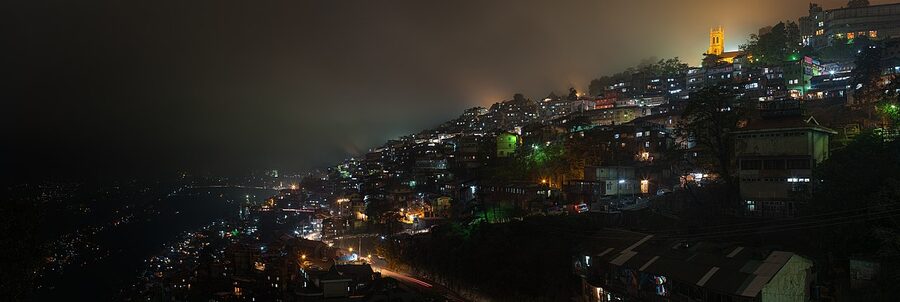
Most people get Shimla wrong by going in May. They book the train, ride the toy train up, fight the Mall Road crowd for two evenings, take a Kufri photo with a yak, and leave thinking the town is a colonial hangover that’s a bit overrun.
The town they describe is real. It’s also Shimla in its single worst week of the year. Move the trip to October, walk the Heritage trail at 6:30 in the morning before the buses arrive, and base in Mashobra rather than central Shimla, and you’ll find a hill town that earns its 1860s reputation as the loveliest summer capital the British ever built.
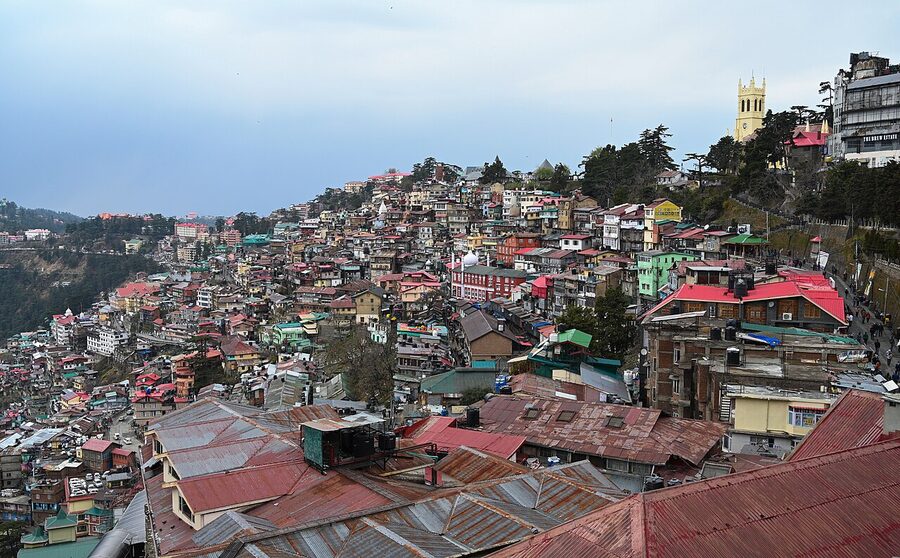
Shimla is the capital of Himachal Pradesh and sits at around 2,200 metres on a long ridge in the western Himalayas, about 350 kilometres north of Delhi. The British declared it the summer capital of India in 1864, and from then until independence in 1947 it ran the country for six months of the year.
The town is built on seven hills, with Jakhu Hill the most central. The British layered onto the original village of Shyamali a startling concentration of half-timbered cottages, a working theatre, a neo-Gothic church, the enormous Viceregal Lodge, and the narrow-gauge railway up from Kalka, which UNESCO listed as a World Heritage Site in 2008. All of it is still here. The challenge for the modern visitor isn’t finding things worth seeing; it’s filtering out the parts of the modern tourist machine that have grown up on top of them.
This guide is for travellers thinking of going, who want to know what’s worth their time, what to skip, when the weather is on your side, and where to base. Shimla has problems. The traffic is bad, Mall Road in season is a parade, and the Kufri experience is mostly poor. But Shimla in the right month, walked properly, with a base outside the central crush, is one of the more rewarding hill stations in north India, and the only one with this density of real Raj-era architecture.
Why Most First-Timers Get Shimla Wrong
Three mistakes account for most of the disappointment readers take home from Shimla.
Mistake one: going in May or June. School holidays send a wall of family traffic up from Delhi-NCR, Punjab, and Haryana. Hotel rates double or triple. The drive from Chandigarh, normally three to four hours, can take eight.
Mall Road in the evening becomes a slow-moving river of selfie sticks and pony rides. The temperature is fine, but you are sharing the experience with several hundred thousand other people. October is the better month and almost no one knows it.
Mistake two: basing on Mall Road. Central Shimla is the loudest, most crowded, most expensive part of town. The hotels are mid-range business stock with terrible parking, and the noise carries up the slope until midnight. Stay in Mashobra (13 km up the ridge, deodar forest, much quieter), Naldehra (23 km, golf course in the deodars, almost empty), or Chail (45 km, the Patiala Maharaja’s hill estate, several degrees cooler than Shimla itself), and use Shimla town as a half-day excursion rather than the base.
Mistake three: spending money at Kufri. Kufri is 16 km from Shimla and gets pitched as the snow point and adventure spot. In practice it’s a small clearing of muddy paths, overworked yaks rented out for photos, very bad zorbing, and an “Asia’s biggest natural ice rink” claim that doesn’t survive a day’s research.
Skip it. Go to Mashobra and Tattapani instead, or push another hour to Narkanda for proper apple-orchard country and a real ridgeline walk to Hatu Peak.
Get those three calls right and Shimla turns into one of the better long-weekend trips in north India. Get them wrong and you’ll write a review online complaining the place is overrated. Both reviews are accurate, but about a different town.
When to Go
Shimla has four climates and most of the year is good if you avoid the two pinch points. Here’s what actually happens month by month.
Late September to Mid-November: The Best Window
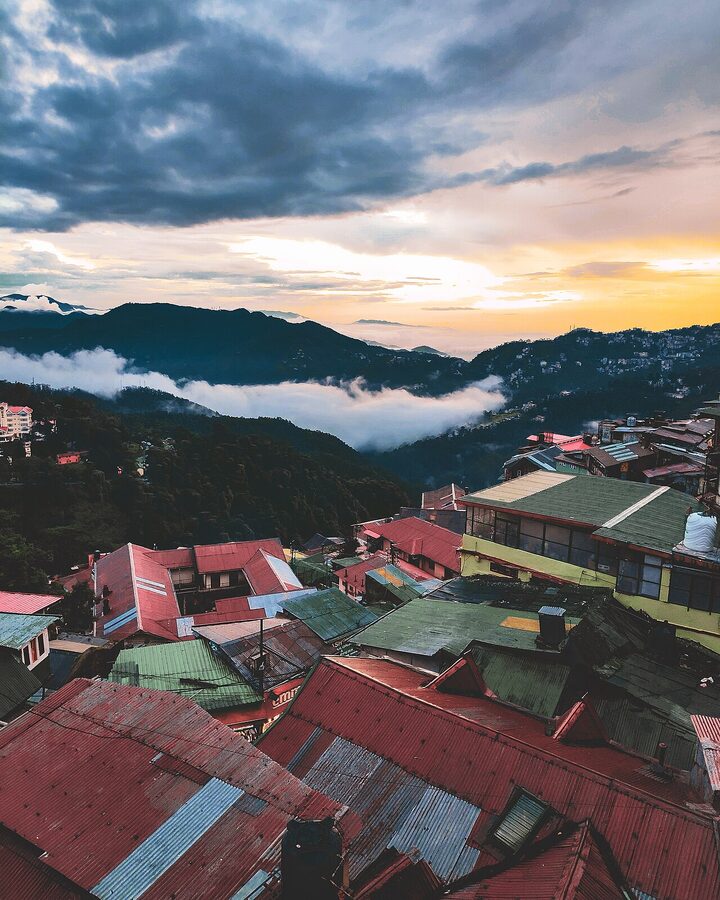
If you have a choice, go between the third week of September and the first week of November. The monsoon clears, the sky stays clear most days, daytime temperatures sit between 15 and 22 degrees in town and around 8 to 14 in the evenings. The apple harvest runs through October across the valleys towards Narkanda and Kotgarh.
Crowd levels drop sharply once the school holidays end, and hotel rates fall by half mid-week. October is the single best photographic month. The air is cleaner than at any other time of year, the colour on the deodars is at its richest, and the Greater Himalayan snow line is visible to the north on most clear mornings from the Ridge.
Late December to February: For the Snow
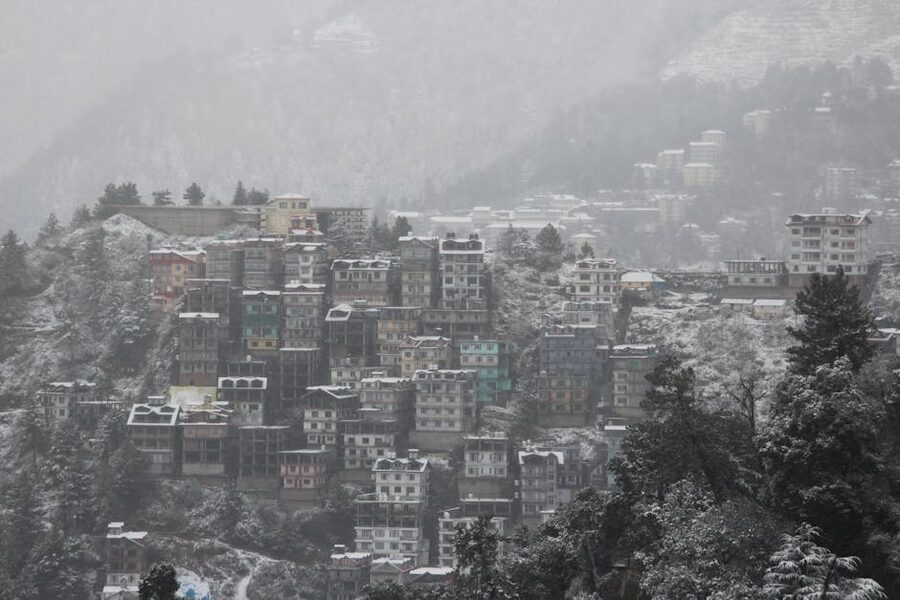
This is when domestic visitors come for snow. The first proper snowfall usually lands in mid- to late-December. Through January and February, Kufri, Narkanda, and the slopes around Mashobra are reliably under snow, and there’s a working ice-skating rink in central Shimla, the only natural-ice rink in south Asia.
Daytime temperatures in town hover around 5 to 10 degrees, dropping below freezing at night. Tourist traffic is heavy on weekends and around Christmas and New Year, when hotel rates spike 50 to 100 percent. Mid-week in late January, however, is quiet and beautiful. Bring proper layers and shoes with grip; the lanes ice over at night.
March to Mid-April: The Awkward Shoulder
March is technically spring but Shimla in March is still cold, the snow has thinned to slush rather than fresh powder, and most of the Christmas-season specials are over. By mid-April the rhododendrons are out on the slopes towards Mashobra and Tattapani, and the apple blossom comes in around Kotgarh, which is genuinely beautiful and almost empty of tourists. April is a fine month for travellers who want quiet and don’t mind cold mornings.
Mid-May to Mid-July: When You Should Probably Not Come
This is the stretch that has built Shimla’s reputation as overcrowded, overpriced, and frustrating. Indian summer holidays send a wall of traffic up from Delhi-NCR, Punjab, and Gujarat. The Kalka–Shimla toy train is fully booked weeks in advance, hotel rates triple, and Mall Road in the evening is essentially impassable.
If you must come in this window, travel mid-week, book accommodation at least three months ahead, and base in Mashobra or Naldehra rather than central Shimla so you have somewhere to retreat to in the afternoons.
Late July to Early September: Monsoon
The Shimla monsoon is heavy, with the wettest stretch in late July and August. Landslides on the Chandigarh–Shimla road are common in big rain weeks, and the road can close for hours at a time.
Crowds drop sharply, hotel rates fall, and the deodars are at their greenest. Walking the lanes in a light drizzle is genuinely lovely if you have a decent waterproof. The flip side is that visibility for the long Himalayan views is poor; you came for atmosphere, not panoramas.
Getting to Shimla
The town has a small civilian airport at Jubbarhatti, 22 km south, but it has so many altitude and runway restrictions that scheduled commercial flights are now effectively non-existent. The realistic options are road from Delhi or Chandigarh, the Kalka–Shimla toy train from Kalka, or a road transfer from Chandigarh after a flight or train into Chandigarh’s IXC airport.
The Toy Train From Kalka (the Best Option if You Can Plan Ahead)
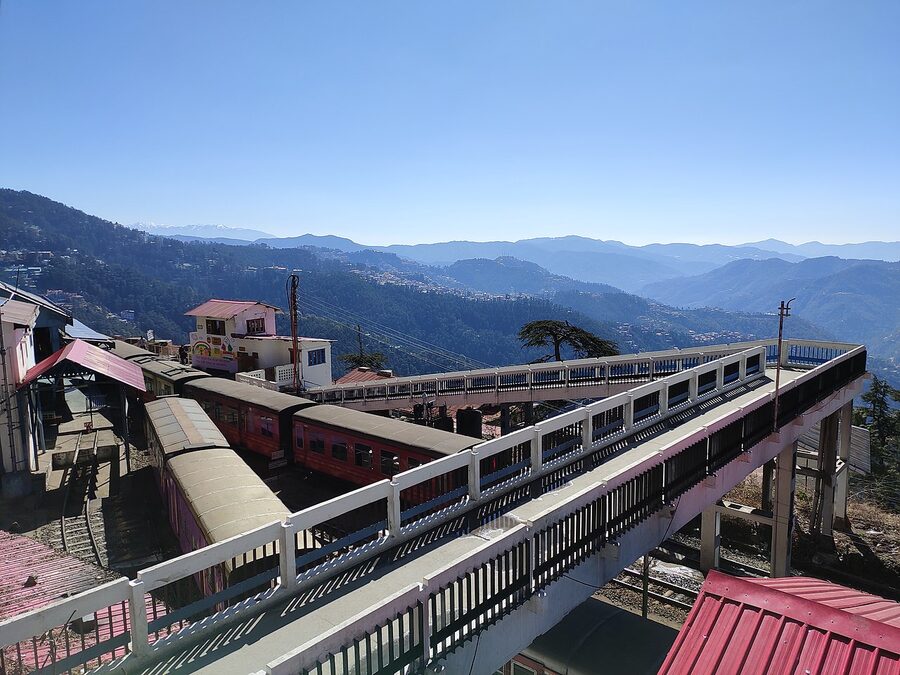
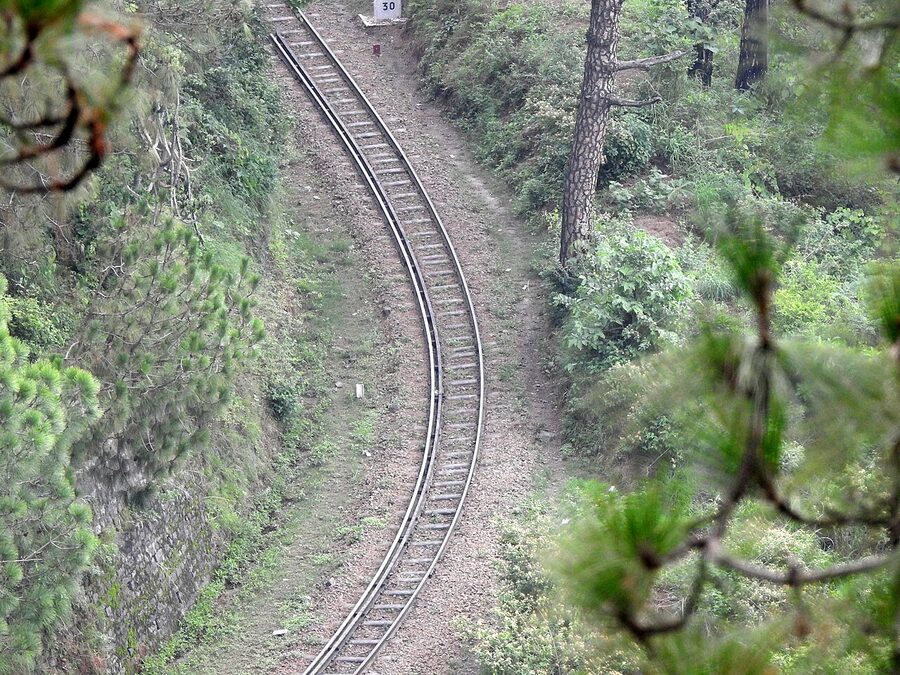
The Kalka–Shimla railway is a 96 km narrow-gauge line that climbs from 656 metres at Kalka to 2,076 metres at Shimla, through 102 tunnels and over 800 bridges. Built between 1898 and 1903 by the British, it has been on the UNESCO World Heritage List as part of the Mountain Railways of India since 2008. The journey takes between five and six hours one way depending on the train.
There are five trains a day in each direction. The Shivalik Deluxe Express (5:30 AM up, 5:40 PM down) is the most comfortable, with reserved seating, a meal included, and large windows; book this if you can. The Himalayan Queen (12:10 PM up, 10:30 AM down) is the most popular tourist option in the day. The 4 AM Kalka–Shimla Passenger is the cheapest and the slowest, taking close to six hours.
Fares range from around 65 INR (~$0.80) for an unreserved second-class seat on the passenger train to roughly 700 to 800 INR (~$8 to $10) for the Shivalik Deluxe one way. The Shivalik Deluxe books up to 120 days ahead; most of the others take reservations 30 days ahead, which is a hard limit if you’re travelling in season.
Practical tip: the left side of the train (facing Shimla, going up) gives you the best valley views. The right side has more tunnels but more dramatic cuts. If you only ride one direction, ride up; the morning light is better and you have something to look forward to.
By Road From Delhi or Chandigarh
The standard distance from Delhi is around 350 km via NH44 through Chandigarh; from Chandigarh it’s about 115 km on NH5. Driving time from Delhi runs eight to ten hours under good conditions, twelve in heavy traffic, and the bottleneck is always the climb up from Parwanoo.
From Chandigarh airport, taxis run roughly 4,000 to 5,500 INR (~$48 to $66) and take three and a half to four and a half hours. Government and private Volvos from Delhi’s Kashmiri Gate ISBT run all night and cost 1,000 to 1,800 INR (~$12 to $22) for an AC sleeper. The Himachal Road Transport Corporation (HRTC) takes online bookings; book 24 to 48 hours ahead in season.
If you have the schedule flexibility, the cleaner option is the Shatabdi Express from New Delhi to Kalka in the morning (departing around 7:40 AM), arriving Kalka around 11:35 AM, and connecting to the toy train. You arrive in Shimla in the late afternoon with daylight to spare, and the entire trip is more pleasant than any car ride up the same gradient.
By Air
Chandigarh (IXC) is the practical airport for Shimla, with daily connections to Delhi, Mumbai, Bangalore, and several other Indian cities. Jubbarhatti has occasional flights but they are weather-dependent and frequently cancelled; don’t build an itinerary around them.
Where to Base in Shimla
Shimla isn’t a single thing. There are at least five distinct areas to consider, each with a different price point, atmosphere, and character. Pick the right one and you save yourself most of the city’s frustrations. For a fuller round-up of accommodation across Himachal, see our overview at hotels in Himachal; the section below is the per-neighbourhood call.
The Mall and Lower Bazaar (Central Shimla)
The most central and the most crowded part of town. You can walk to almost everything, the food options are widest here, and the Heritage trail starts at the door of any Mall Road hotel. The downside is constant noise from below the Ridge, traffic at the Cart Road level, and a sense that you’re staying inside a small, very busy shopping street rather than in the mountains.
Hotels run from around 1,200 INR (~$14) for a basic guesthouse to 8,000 INR (~$96) and up for mid-range business stock. The heritage Clarkes Hotel on Mall Road, built in 1898, is a fair splurge in this band. Stay here if your trip is short, you don’t have a car, and you intend to do the Heritage walk and a couple of half-day excursions only.
Chhota Shimla and Sanjauli
About three kilometres east of the Ridge, on the back side of Jakhu Hill, Chhota Shimla and Sanjauli are where most of Shimla’s actual residents live. Less postcard, more working town. Quieter at night than central Shimla, ten minutes by taxi to the Mall, with mid-range guesthouses at meaningfully lower rates. Stay here if you want a base that’s still in the city but with more local character.
Mashobra (the Best Suburb)
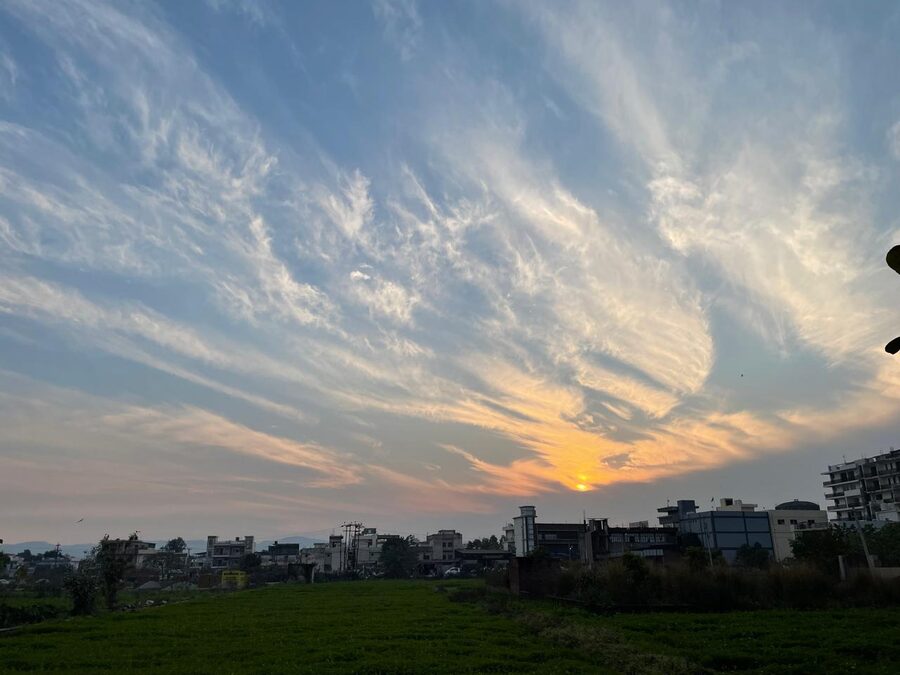
Thirteen kilometres east of Shimla on the ridge towards Kufri, Mashobra is what central Shimla looked like in the 1920s. Deodar forest, Raj-era cottages, the Wildflower Hall heritage hotel (now an Oberoi resort at the upper end of the price range), several heritage homestays, and a working bazaar with a couple of decent cafes.
The British viceroys actually kept a private retreat here at the Retreat Building, which is still the official summer residence of the President of India. Mashobra is the best base for a first visit if you can manage the 25-minute drive to and from central Shimla. Stay at one of the heritage homestays around the lower bazaar (around 4,000 to 7,000 INR, ~$48 to $84, a night in October) for the best of both worlds.
Naldehra (For Quiet)
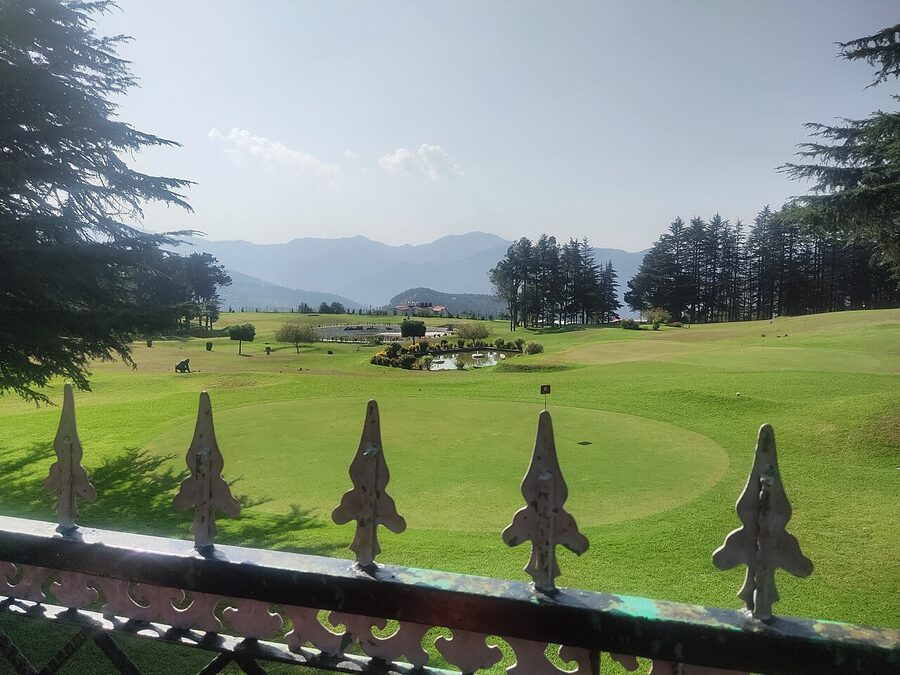
Twenty-three kilometres north of Shimla, Naldehra is built around a 9-hole golf course laid out by Lord Curzon in 1905. The course sits at 2,200 metres in a deodar bowl, and Curzon liked the place enough to name his daughter after it.
There’s an HPTDC hotel and a small handful of cottages in the surrounding villages. Quiet to the point of almost dull, which is the entire point. A 45-minute drive from central Shimla; stay here if you want pure forest air and don’t intend to go to town more than once or twice.
Chail (For the Big Move)
Forty-five kilometres south-east, at 2,250 metres on a ridge that sits about 100 metres higher than Shimla’s Ridge, Chail was founded in 1891 by Maharaja Bhupinder Singh of Patiala. The story goes that he was banned from Shimla for an alleged affair with a British officer’s daughter, though the historical record is muddier than the legend.
The Chail Palace (now an HPTDC heritage hotel) is the obvious stay. The surrounding pine forest holds the world’s highest cricket ground at 2,444 metres and the small Chail Wildlife Sanctuary. Cooler than Shimla by several degrees in summer and almost empty out of peak season.
The drive in from Shimla is two hours on slow mountain roads. Don’t base here if you want to spend a lot of time in central Shimla; it’s far enough that you’ll resent the drive. We have a fuller piece on Chail itself at Chail Palace and on the wildlife area at Chail Wildlife Sanctuary.
The Mall, the Ridge, and the Colonial Spine
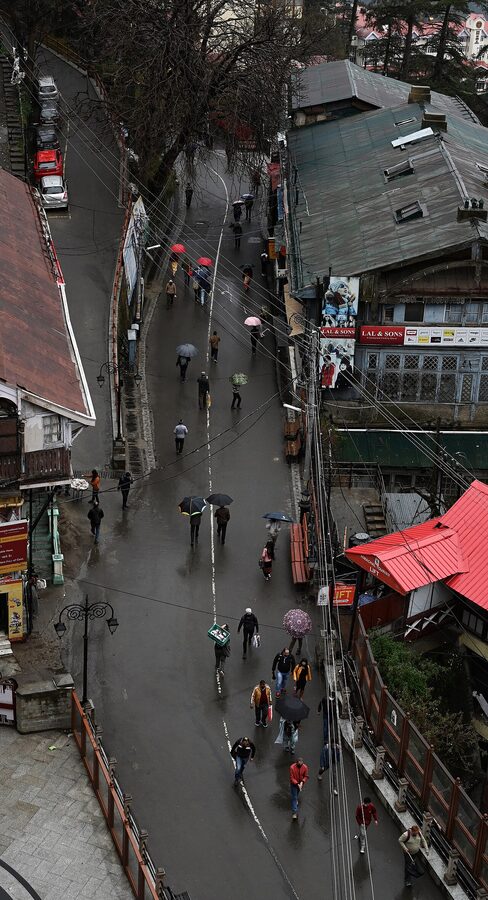
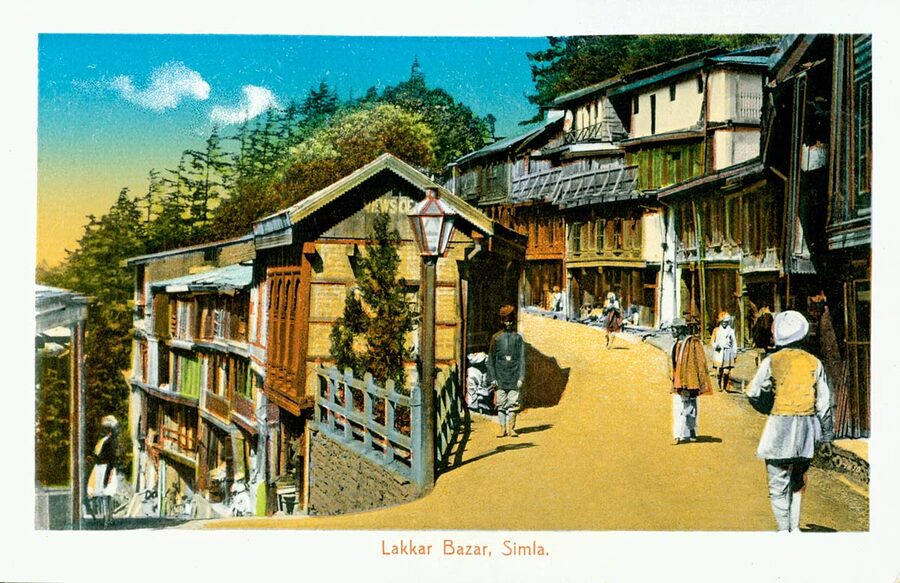
Central Shimla is laid out along an east-west axis on the top of the ridge, with two parallel streets at different levels. The upper street is The Mall, a roughly 1.5 kilometre pedestrianised stretch that has been the social heart of the town since the 1830s. The lower street, about thirty metres of vertical drop below, is Lower Bazaar, where most of the cheaper shops, dhabas, and produce vendors are.
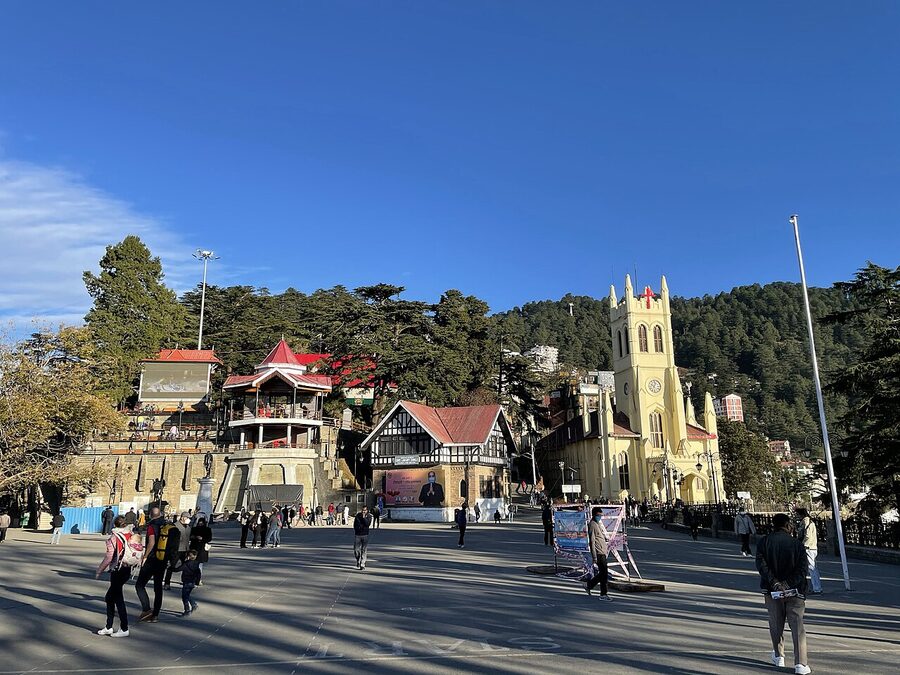
The two are connected by lifts (a working public elevator system, 10 INR a ride) and by a half-dozen sets of stone stairs. The Mall meets the Ridge, an open public plaza with a clock tower and the Christ Church spire at its eastern end, at Scandal Point. Half the colonial-era institutions of Shimla are within ten minutes’ walk of Scandal Point.
Christ Church
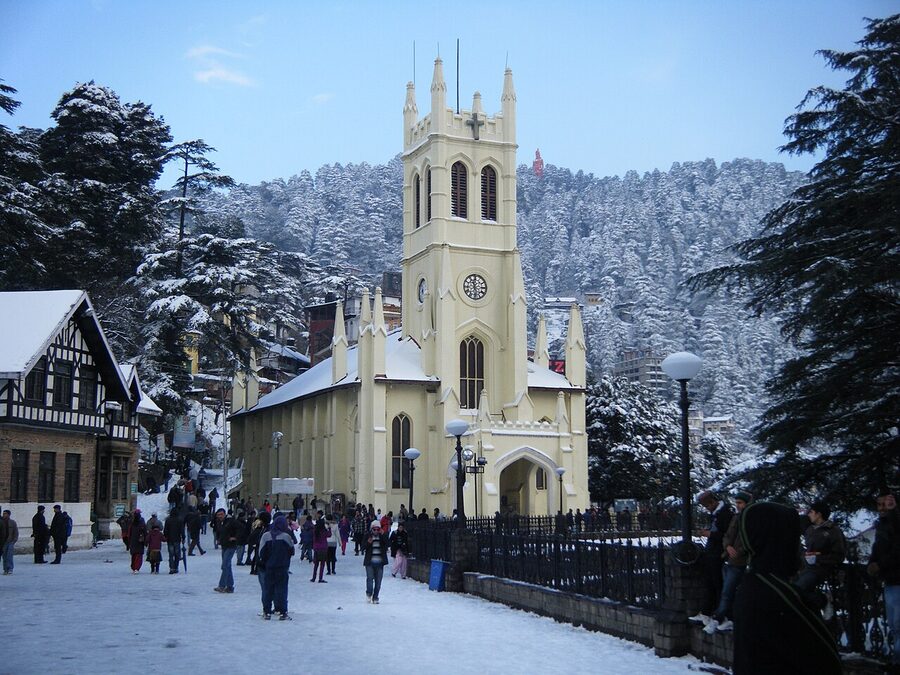
The neo-Gothic Christ Church, built between 1844 and 1857 to a design by Colonel J.T. Boileau, is the second-oldest church in north India and the building most often photographed as Shimla itself. The five stained-glass windows represent faith, hope, charity, fortitude, and patience, with a sixth added later for humility.
The fresco around the chapel window was designed by Lockwood Kipling, Rudyard Kipling’s father, who was the principal of the Mayo School of Art in Lahore at the time. The pipe organ, installed in 1899, is one of the largest in north India and is still played for the Sunday 8 AM service.
Entry is free; donations welcome. Try to come around 5:30 PM in summer or after 6 PM in winter when the church is illuminated. The stained glass from inside in early evening light is the best photograph in town.
The Mall
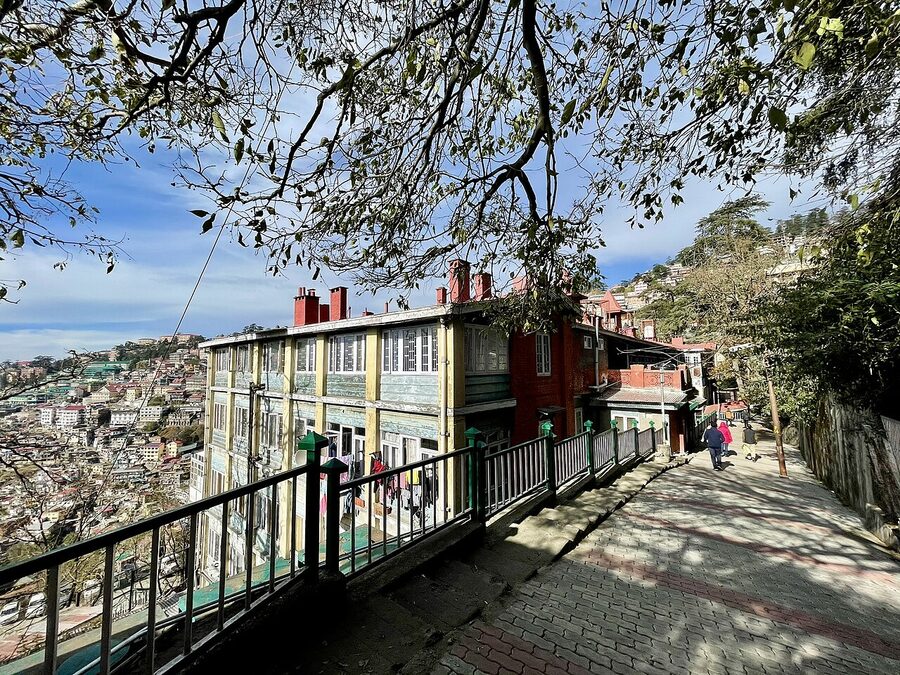
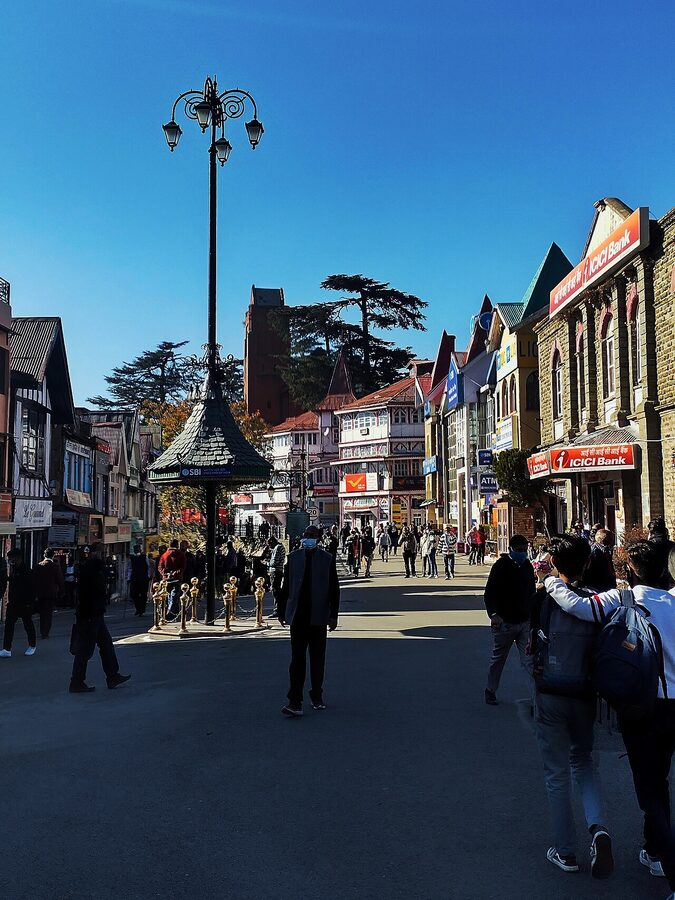
The Mall itself is a working bazaar layered on top of half-timbered Tudor-revival shopfronts. Auto-rickshaws are not allowed, and even private cars need a special pass; everything walks. The eastern end at Scandal Point holds the General Post Office (built 1882, still the main post office), the Town Hall (1908, renovated 2020), and the central Police bandstand.
Walk west towards the Gaiety Theatre and you pass the Indian Coffee House, which has been pouring filter coffee at low prices since 1957 and is still where retired civil servants come to argue about state politics. Beyond Gaiety, the Mall thins out into a stretch of warm-clothing shops and Tibetan handicrafts vendors. First-quoted prices on shawls and pashminas come down by 30 to 40 percent if you push, and that’s normal.
Scandal Point
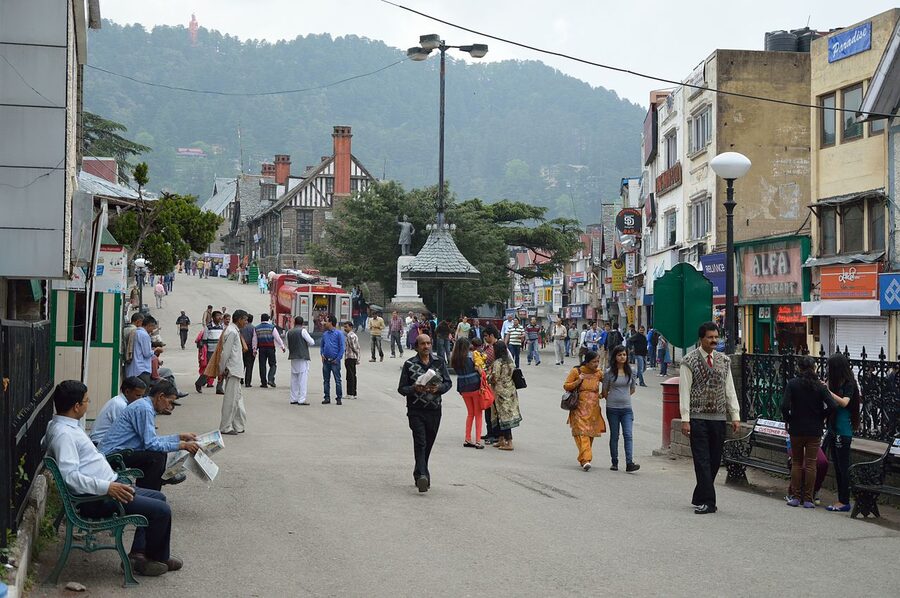
The lamp post in the middle of the road where the Mall meets the Ridge marks Scandal Point. Locals tell the story more often than they tell any other Shimla story: that Maharaja Bhupinder Singh of Patiala met and eloped with the daughter of a senior British officer from this exact spot in the early 1900s, and that Lord Kitchener banned the Maharaja from Shimla in retaliation.
The story is half history, half folk. Bhupinder did go on to develop Chail at a deliberately higher elevation, and the lamp post is real. Today Scandal Point is the social magnet of evening Shimla; you’ll find half the town here from 6 PM to 9 PM in season, often with a brass band on the Town Hall side.
Gaiety Theatre
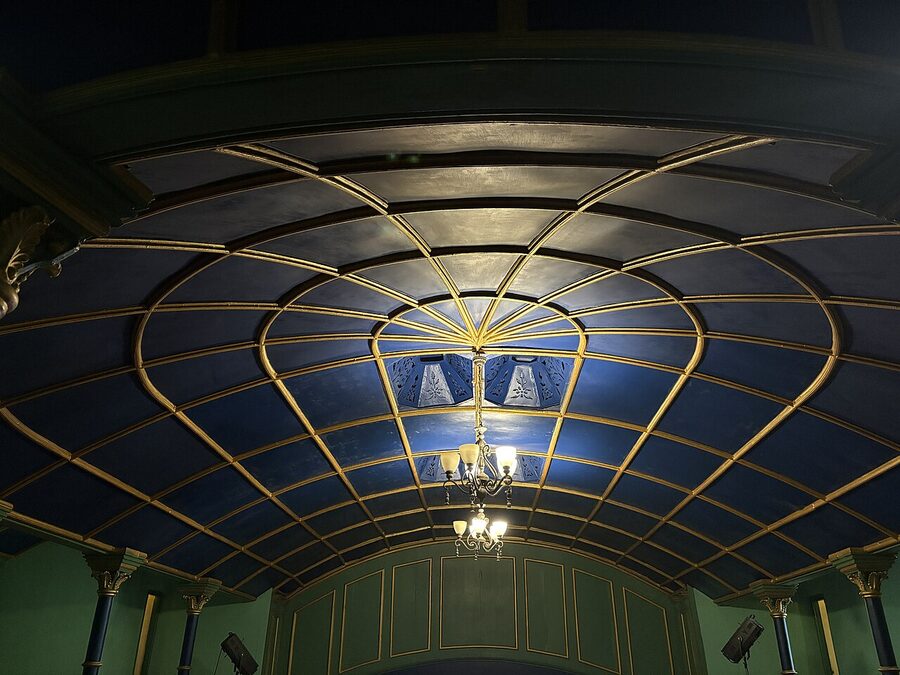
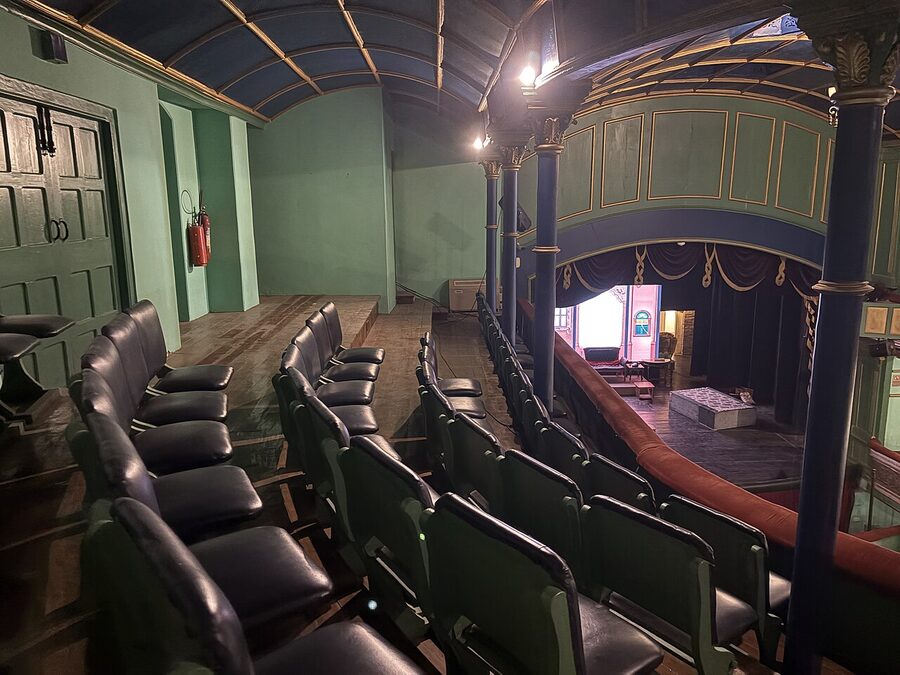
The Gaiety, designed by Henry Irwin and opened in 1887, is one of the oldest working theatres in India. Rudyard Kipling acted on this stage; so did Lord Elgin, the then-Viceroy. The auditorium was restored to within an inch of its original Victorian Gothic specification in a 2008 to 2012 renovation, and it now seats around 320 people for plays, music, and the regular Shimla Amateur Dramatic Club productions.
If a show is on during your visit, book; tickets run 200 to 800 INR (~$2.50 to $10) depending on the production. Even without a show, the building can usually be visited as part of a 50 INR guided tour through the day.
Jakhu Hill and the Temples
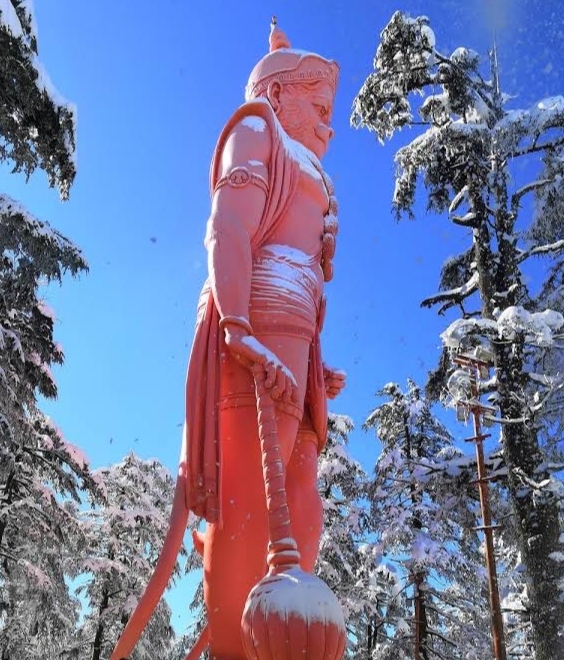
Jakhoo Temple
Jakhu Hill, at 2,455 metres, is the highest point in central Shimla and home to the Jakhoo Temple, dedicated to Lord Hanuman. The Ramayana places Hanuman as having rested here while flying north to retrieve the sanjeevani herb to revive Lakshmana, and the story is the founding myth of the temple.
The current structure has been rebuilt several times. A 33-metre Hanuman statue, finished in 2010, was put up to mark the spot. From the top on a clear morning the view is genuinely panoramic: the snow line of the Greater Himalaya is sometimes visible 75 km to the north, and the entire spine of central Shimla unfolds below.
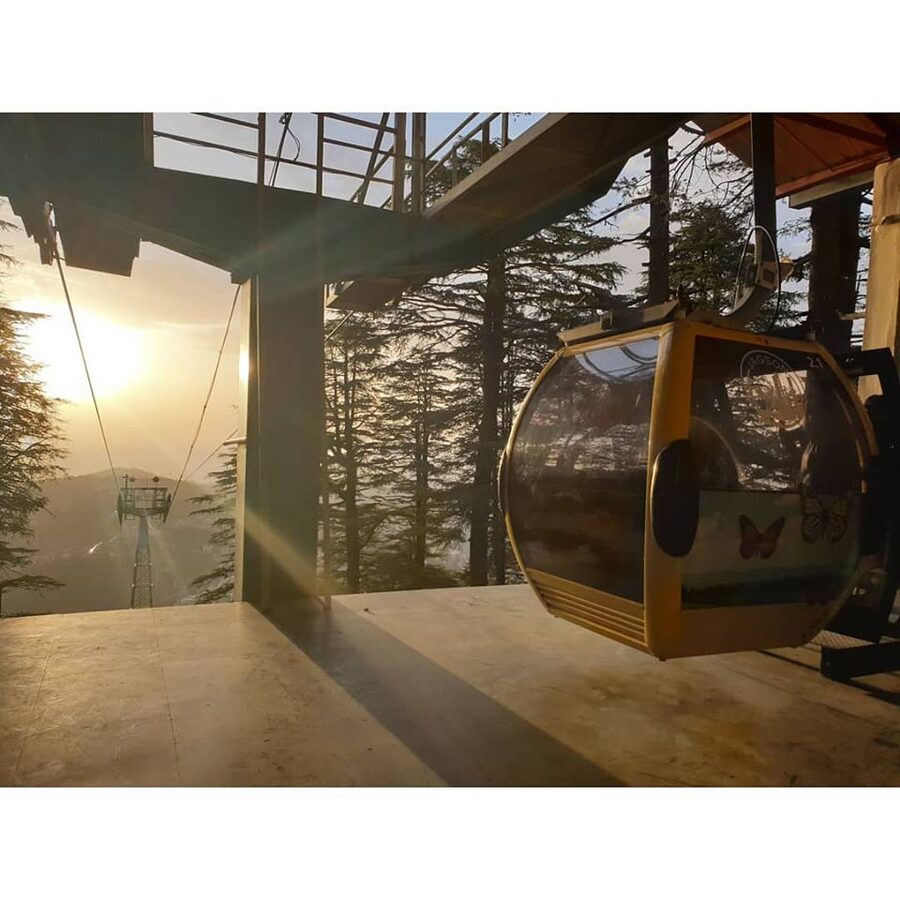
There are three ways up. The walk from Christ Church takes 30 to 50 minutes depending on fitness, and the trail is steep enough that fit thirty-somethings will arrive winded. The Jakhu Ropeway (around 500 INR, ~$6, return), opened in 2017, runs from a station just below the church and takes you to the top in about ten minutes. A taxi will drive you up the back road for around 800 to 1,200 INR (~$10 to $14); parking at the top is limited.
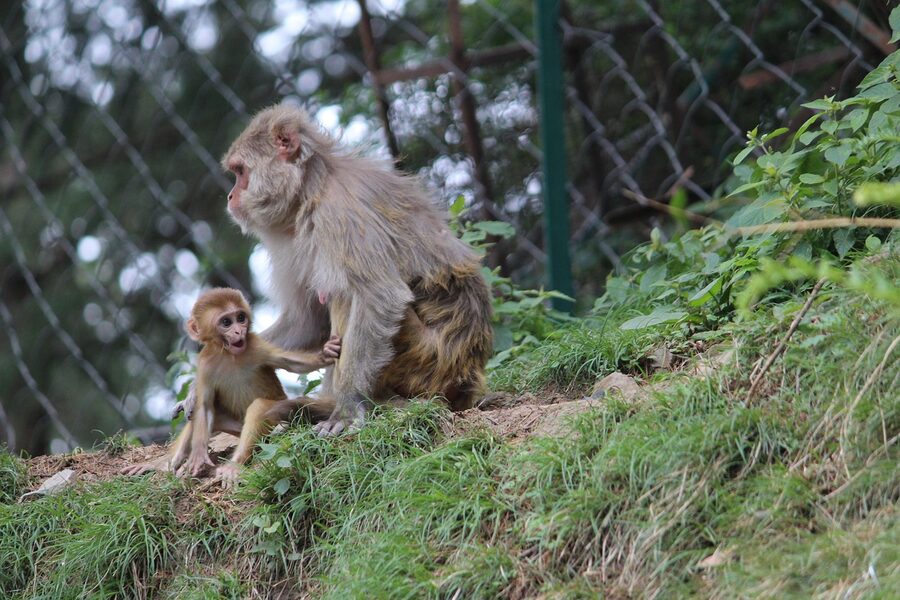
Two warnings. The monkeys at Jakhu are aggressive and well-trained at relieving visitors of food, glasses, and phones. Do not carry food up, and hold sunglasses in your hand or take them off entirely. Sticks for warding off monkeys can be rented at the entrance for 5 to 10 INR; this is not theatre.
Tara Devi Temple
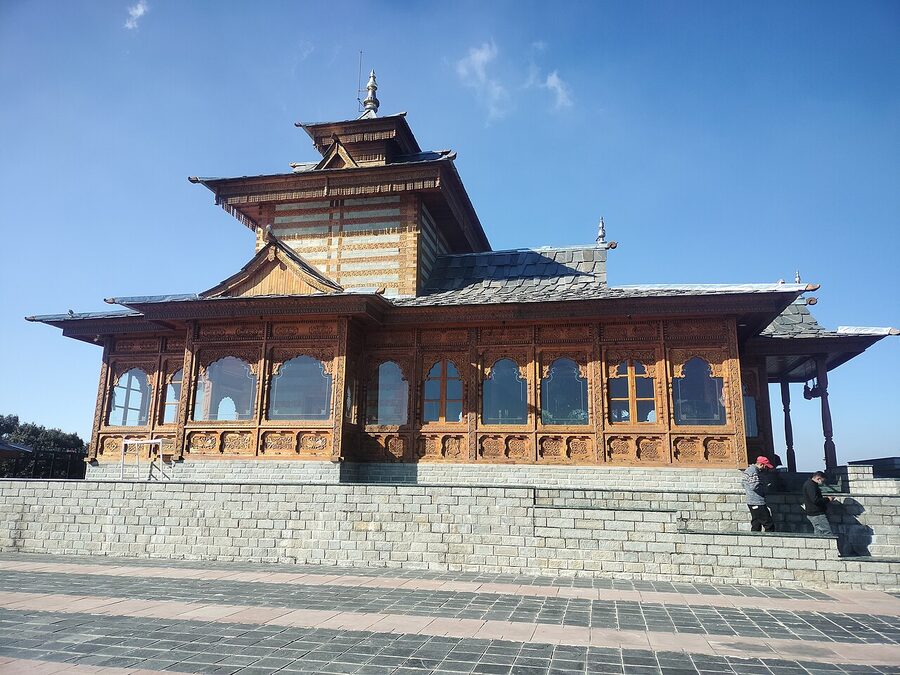
Eleven kilometres south of central Shimla on the road towards Solan, Tara Devi sits at 1,851 metres on its own hilltop and is dedicated to Tara Devi, the “Star Goddess” form of Kali. The temple is around 250 years old, and the drive in winds steeply up through pine. The view from the temple courtyard back towards Shimla is one of the better wide shots in the area.
Open 7 AM to 6:30 PM, no entry fee. The road in is one-lane in places; a local driver is the simpler option than a self-drive.
Sankat Mochan
About 7 km from central Shimla on the Shimla–Kalka highway at Tara Devi village, Sankat Mochan is a popular Hanuman temple founded around 1950 by the saint Neem Karoli Baba (the same Neem Karoli associated with the Berkeley counterculture connection through his Kainchi ashram in Uttarakhand). The temple itself is modern but the location is excellent and the courtyard view is panoramic. Open early to late.
The Heritage Walk Worth Doing
The single best half-day in Shimla is a slow walk west from the Ridge along the upper ring road to the Viceregal Lodge, with stops on the way. It’s about three kilometres each way, almost entirely level (or slightly downhill), shaded by deodar and pine, and takes you past the bulk of the colonial-era state buildings.
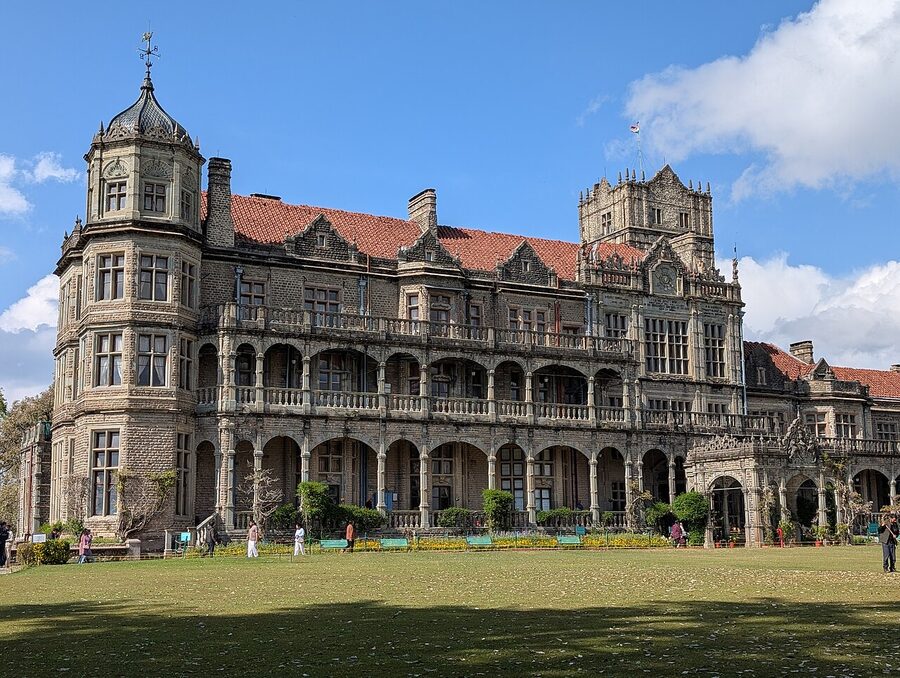
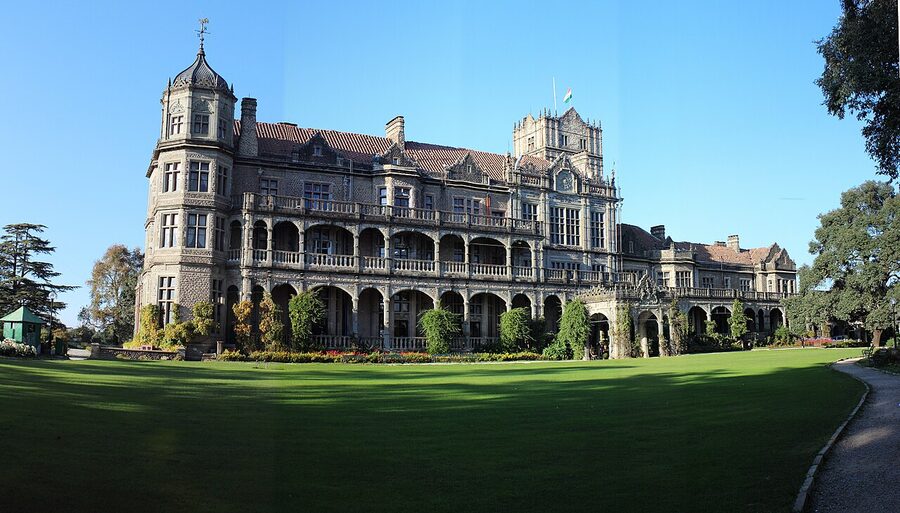
Viceregal Lodge (Rashtrapati Niwas / IIAS)
The Viceregal Lodge, completed in 1888 and designed by Henry Irwin in Scottish Baronial style, was the office and summer residence of 13 British Viceroys from Lord Dufferin onwards, until Lord Mountbatten in 1947.
Two of the most consequential meetings in modern Indian history happened in this building: the Simla Conference of 1945, which produced the first formal proposal for the partition of British India, and the 1972 Shimla Agreement between Indira Gandhi and Zulfikar Ali Bhutto which ended the Indo-Pakistani War of 1971. The teak-panelled interiors are intact; so are the libraries. Today the building houses the Indian Institute of Advanced Study (IIAS), and the public can visit by guided tour.
Tours run roughly hourly from 10 AM to 5 PM, last about 35 minutes, and cost 50 INR per adult (10 INR extra for camera permission inside). Closed Mondays. The grounds, which include manicured British-style gardens with views back towards the snow line of the Pir Panjal and Greater Himalaya, are open separately for a smaller fee and are worth a wander even if you don’t take the indoor tour. Allow at least 90 minutes for the visit.
State Museum (Chaura Maidan)
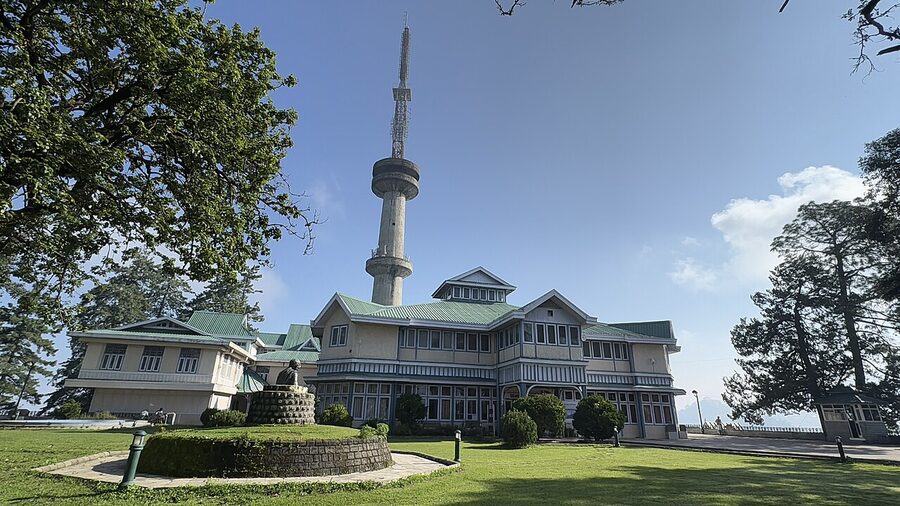
Roughly halfway along the walk to the Viceregal Lodge, set back on a small ridge at Chaura Maidan, the Himachal State Museum holds about 10,000 artefacts from across the state. The standouts are the Pahari miniatures (small-scale paintings from the Kangra and Basohli schools, 17th to 19th century) and a quietly excellent collection of 6th to 11th-century stone sculpture from temples in the lower hills.
Open 10 AM to 5 PM, closed Mondays and Tuesdays. Entry 50 INR; cameras free, no flash. Allow 60 to 75 minutes.
Annandale
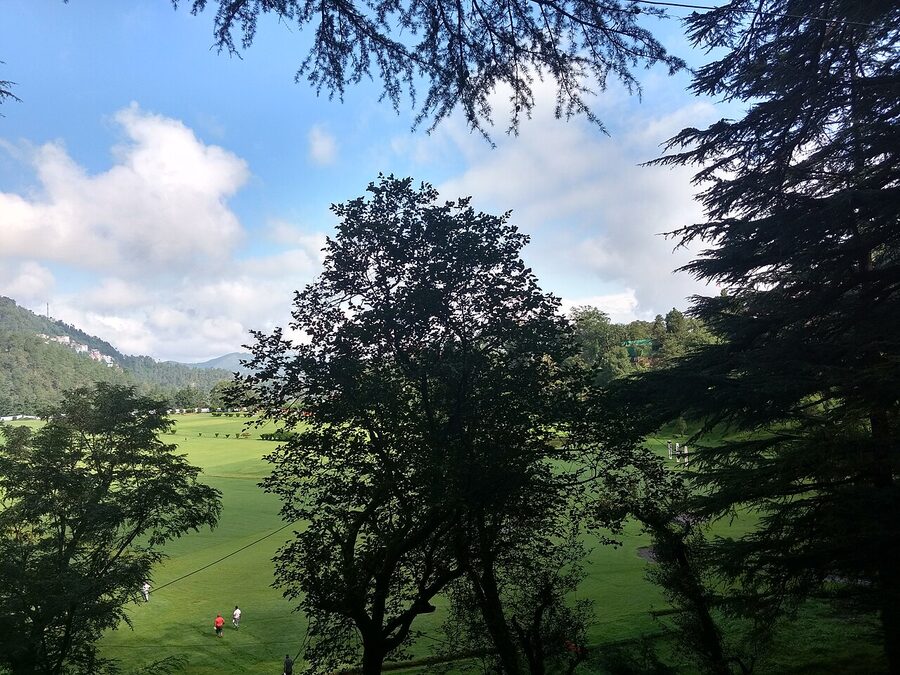
A 30-minute walk down from the Ridge into a deodar-ringed bowl below the main town, Annandale is a flat semi-circular field used as a sports and parade ground since the 1830s. The British played cricket and polo here; the Indian Army runs it now.
The small Army Heritage Museum on one side has a clear, well-organised display of regimental history and equipment, including good material on the Sikh Regiment, the Gurkha regiments raised in the area, and the 1962 and 1971 wars. Entry around 30 INR. Open 9:30 AM to 5 PM, closed Mondays. The walk down is genuinely lovely; the walk back up takes 45 minutes if you take it slow.
Day Trips That Beat the Town
Most travellers spend two days in central Shimla and then run out of things they want to do. The day-trip ring around Shimla is much stronger than the central town for travellers on a third or fourth day. Here are the picks, in order of how much I’d push them.
Tattapani (Hot Springs on the Sutlej)
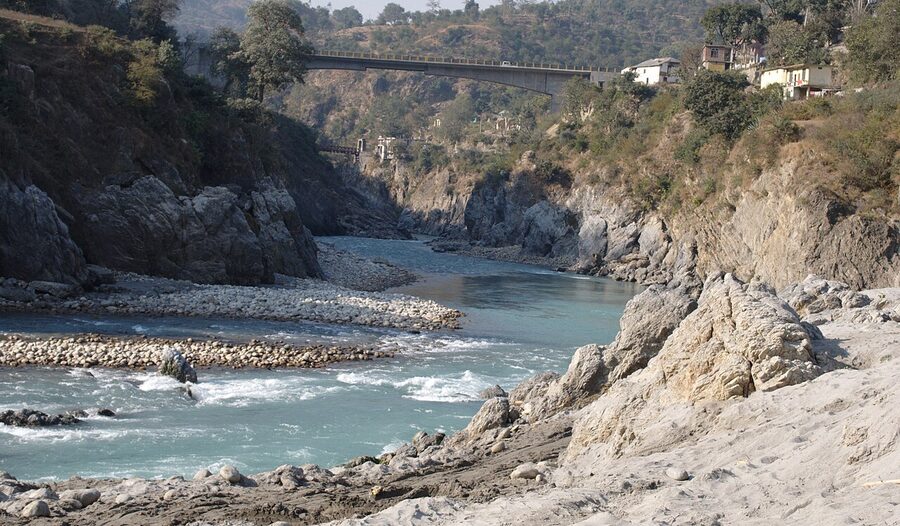
Fifty-five kilometres north of Shimla, Tattapani sits on the Sutlej River where natural sulphur hot springs surface right at the river bank. Local belief gives the springs medicinal value, and locals have been using them for at least a century.
The springs themselves are nothing fancy: shallow stone-bordered pools, sulphurous water at around 42 to 45 degrees, free to use, and for several months of the year now affected by upstream dam-related water-level changes that locals will tell you about if you ask. Even so, an hour in the springs at sunset, with the Sutlej moving past below, is one of the better experiences within day-trip range.
White-water rafting on the Sutlej runs from Tattapani between mid-March and mid-June, around 700 to 1,500 INR (~$8 to $18) for a two-hour run with a registered operator. Drive time from Shimla is two and a half hours each way; an early start (out by 7 AM) gives you a comfortable day. A full overview of nearby state attractions is at tourist attractions of Himachal.
Narkanda and Hatu Peak

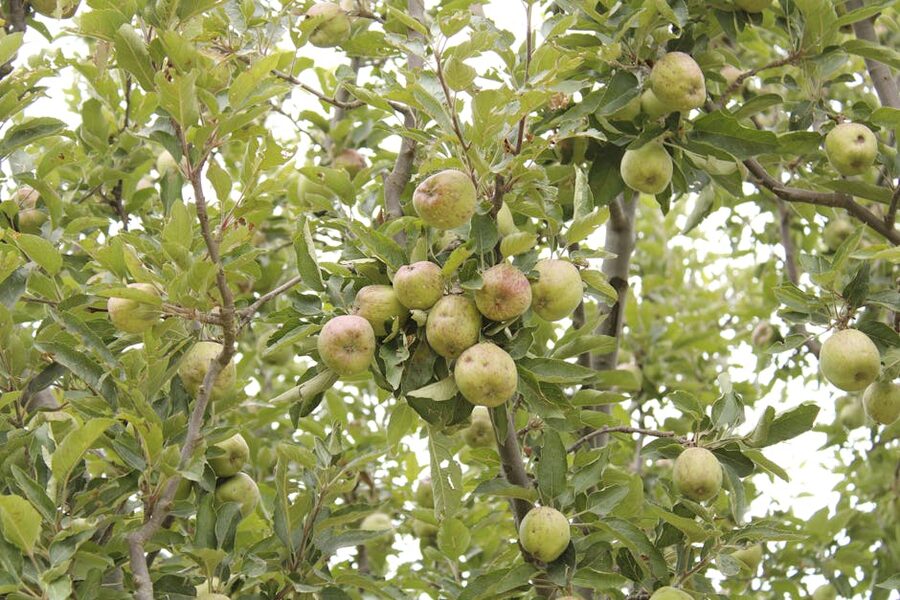
Sixty-five kilometres north-east of Shimla on the Hindustan-Tibet road, Narkanda is a small town at 2,700 metres in apple-orchard country. There’s a working ski slope here in January and February (cheaper and quieter than Solang in Manali), and from May through October the orchards on the Kotgarh slopes below are the best fruit-belt drive in Himachal.
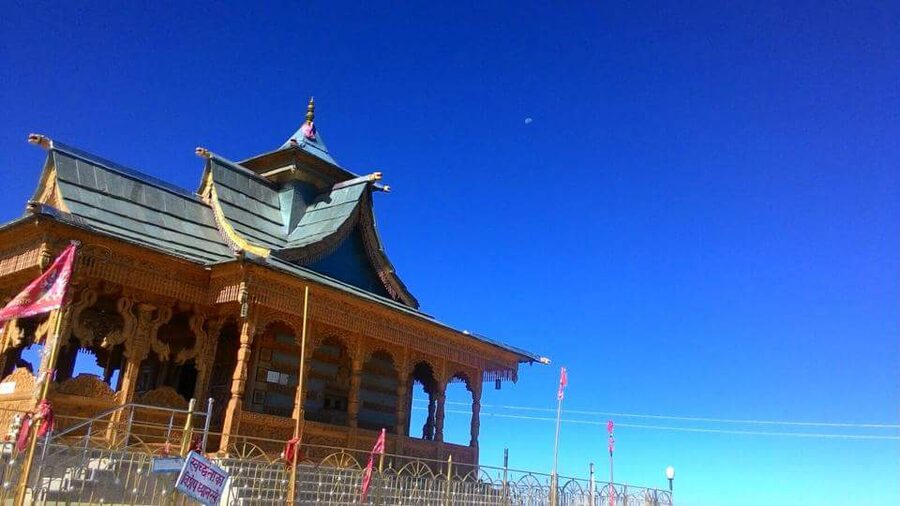
Above Narkanda, an 8 km road climbs to Hatu Peak at 3,400 metres and the small wooden Hatu Mata Mandir on the summit. The road is rough enough that a 4WD is sensible; the view from the temple on a clear day reaches across the Sutlej Valley to the western Greater Himalaya. Drive time from Shimla is two and a half to three hours each way. Best done as a day trip in October when the apples are coming off, or as an overnight to see the harvest.
Mashobra and Naldehra
The classic half-day combination from Shimla is the 13 km drive to Mashobra, a coffee at one of the bazaar cafes, a walk through the deodars to the Mahasu Devta temple in Mashobra village, and a continuation to Naldehra (another 23 km) for an hour at the Curzon-laid golf course. Both towns are quieter than Shimla by an order of magnitude, and the deodar forest between them is the best forest walk in the immediate area. A taxi for the round trip from Shimla runs around 2,500 to 3,500 INR (~$30 to $42) including waiting time.
Chail (the Patiala Hill Estate)
Forty-five kilometres south-east of Shimla, Chail is the Patiala Maharaja’s hill estate. The 1891 Chail Palace is now an HPTDC heritage hotel, and the area around it holds the world’s highest cricket ground at 2,444 metres, plus the small Chail Wildlife Sanctuary. Drive time from Shimla is around two hours each way on slow mountain roads, so this works as a day trip with a 7 AM start, or much better as an overnight. Detailed coverage at Chail Palace.
Kufri (Skip)
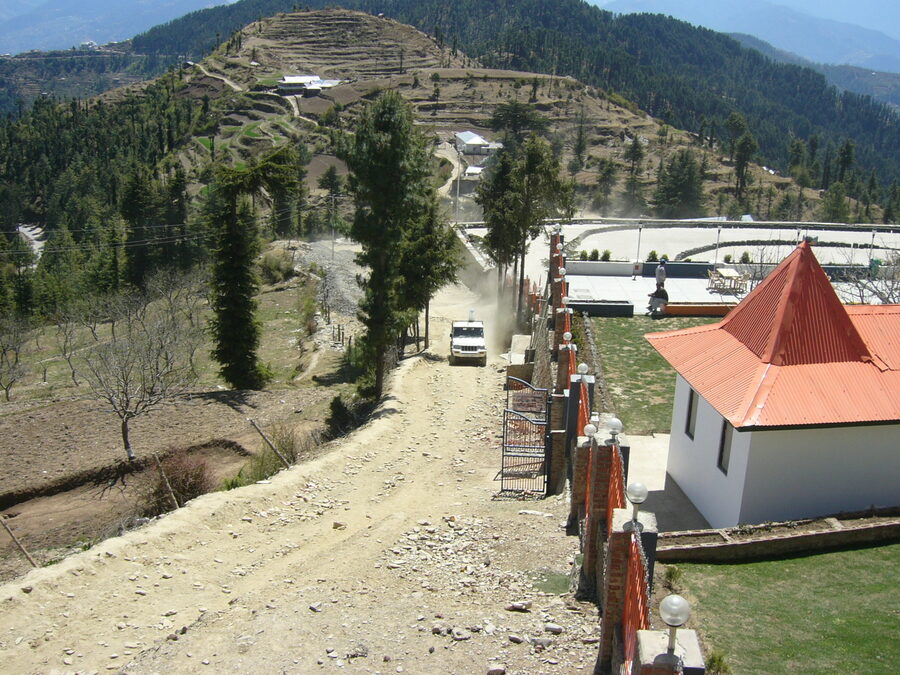
Sixteen kilometres east of Shimla on the Shimla–Rampur road, Kufri is the most-pitched and least-rewarding day trip on the local circuit. The ground experience is muddy paths, overworked yaks rented out for photos at 100 to 300 INR (~$1.20 to $3.60) a shot, an “amusement park” with rides best described as well-meaning, and an “Asia’s biggest natural ice rink” claim that is contestable.
The small Himalayan Nature Park (around 50 INR entry) does have decent enclosures for snow leopard, Himalayan monal, and Himalayan black bear, and is the one part of Kufri that’s worth time. Beyond that, skip it; Mashobra and Narkanda both beat it on every metric except distance from your hotel.
Chadwick Falls
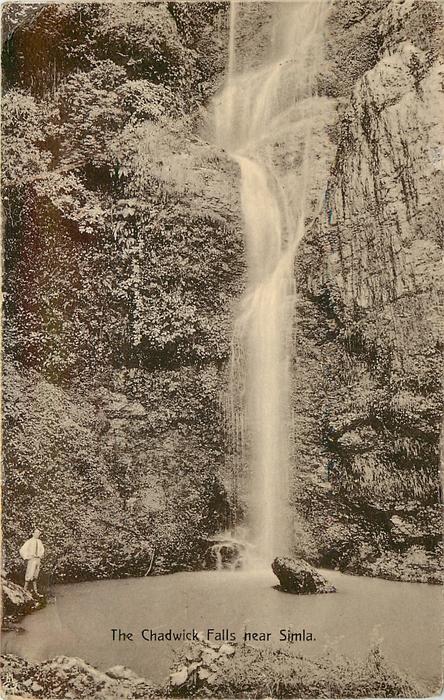
About 7 km south-west of central Shimla through the Glen valley, Chadwick Falls drops 67 metres in a deodar gorge. It is at its best in the days right after heavy monsoon rain, between July and early September; in dry months it can be little more than a trickle. The walk in from the Glen takes about an hour each way and is a good legs-stretcher when the central town starts feeling crowded.
What to Eat in Shimla
Himachali cuisine doesn’t get the press that Punjabi or Rajasthani food does, which is mostly fine because the locals would rather eat it themselves. The dishes worth seeking out:
- Siddu. A steamed wheat-flour bun stuffed with poppy-seed paste or walnut filling, traditional to Kullu and Mandi but widely served in Shimla. Eaten hot with ghee and dal. Himachali Rasoi at 54 Middle Bazaar (down the steps next to the fire station off Mall Road) is the standard recommendation; siddu plate around 80 to 120 INR (~$1 to $1.50).
- Dham. The traditional festival meal of Himachal, served on big-leaf plates. Rice, dal, rajma, kadhi made with yoghurt rather than buttermilk, often with the regional sweet madra. Cooked overnight by botis (the hereditary cooking caste). Expect 200 to 350 INR (~$2.50 to $4.20) for a full plate.
- Chha gosht. Mutton cooked in a yoghurt-based gravy with cardamom and dry red chillies. Heavier than the Kashmiri version, lighter than Punjabi mutton curry. Look for it on the menu at the HPTDC Goofa Ashiana on the Ridge or at the older heritage hotels.
- Trout. Cold-water trout farmed at HPTDC’s farms in Patlikuhl and Barot, served grilled or fried at the better hotels and at Goofa Ashiana. Around 600 to 900 INR (~$7 to $11) for a whole fish.
- Madra. Chickpeas cooked in yoghurt with cinnamon, cardamom, and cloves. Vegetarian and surprisingly filling. Look for it on the dham plate.
For everyday eating, the Indian Coffee House on Mall Road has been pouring south-Indian filter coffee since 1957 and serves the cheapest decent breakfast on the spine: dosa around 90 INR, omelette and toast around 100 INR, filter coffee 35 to 60 INR (~$0.40 to $0.70). The waiters wear the original turbans. Food quality is fine, not extraordinary; the experience is the place itself.
Among the cafes, Wake & Bake on Mall Road (opposite the Municipal Corporation office) is the better breakfast pick, with cinnamon rolls, decent espresso, and a meal around 200 to 400 INR (~$2.50 to $4.80). Café Sol on the Hotel Combermere rooftop does a strong North Indian–Continental hybrid menu. The Brew Estate at Lakkar Bazar near Christ Church is the local craft-beer pick if you’ve had enough chai. Avoid the chain pizza places on Mall Road; they’re priced for tourists and the local food is much more interesting.
Practical: Money, Walking, Monkeys, Altitude
Walking. Central Shimla is built on a steep slope. The Mall is essentially the only flat stretch in town; everything else is up or down. If you’re staying below the Ridge (Lower Bazaar, Cart Road, the railway station), the walk back to your hotel after dinner is a 100-metre vertical climb in the dark.
Take the lifts (Cart Road to the Mall, 10 INR per trip, runs roughly 8 AM to 9 PM). Wear shoes with grip in winter; the lanes ice over.
Money. Mall Road has multiple ATMs, including SBI and HDFC, and most work. Lower Bazaar has a couple. Outside the central core (Mashobra, Naldehra, Tattapani), ATMs are spotty and can run out of cash on weekends; carry a working amount of physical cash if you’re going more than a day-trip distance from the Mall. Almost every restaurant in central Shimla now takes UPI, but the cafes in Lower Bazaar and the smaller dhabas are still mostly cash.
Monkeys. Aggressive at Jakhu Hill in particular. Don’t carry food openly, and don’t make eye contact, which they read as a challenge. If a monkey grabs something, drop it; trying to retrieve it gets you bitten and a rabies vaccine you didn’t budget for.
Altitude. Central Shimla at around 2,200 metres is high enough to slow most travellers slightly on day one, but not high enough for serious altitude sickness. Drink more water than you think you need; it’s drier than the plains.
If you’re going on to Spiti or any of the higher Himachali destinations afterwards, Shimla makes a good first acclimatisation step. Our broader regional overview is at Lahaul and Spiti.
Touts and travel agents. The area around the General Post Office at Scandal Point and the railway station has a steady supply of touts offering “package” sightseeing. Most are fine, some are not. The HPTDC office at Scandal Point opposite the Town Hall, run by the state government, is the more reliable booking source for HPTDC properties, day-tour buses, and basic local information.
Festivals and Local Culture
Shimla has a year-round events calendar. The pieces worth knowing about:
Shimla Summer Festival happens in early June each year and runs four to seven days. Cultural performances, food stalls, painting and photography contests, and a flower show on the Ridge. Attendance balloons hotel rates by 30 to 50 percent, but if you’re already in town it’s worth catching an evening on the Ridge.
Ice Skating Carnival in early to mid-January at the natural ice rink on Lakkar Bazaar Road. The rink, dating from 1920, is the only natural-ice rink in south Asia. The carnival adds figure skating displays and races to the daily session schedule. Day pass around 250 INR (~$3) including skate hire.
MTB Himalaya in late September is one of the larger mountain biking races in south Asia. The route changes year to year but starts and ends in or near Shimla. Worth coming for if you ride; otherwise the route closures around the start can briefly affect the ridge roads.
Kullu Dussehra in October isn’t in Shimla, but it’s the largest religious festival in Himachal and well within reach as an overnight from Shimla via Kullu. The seven days of processions and the gathering of local deities is one of the great folk events in north India. We have a full piece on it at Kullu Dussehra; for the broader festival calendar across the state see fairs and festivals of Himachal.
Beyond Shimla
Shimla is one of the easier hill stations in Himachal to combine with another destination on the same trip. The natural pairings are:
Manali via Mandi and Kullu, around seven hours by road. The contrast is sharp: where Shimla is colonial and ridge-built, Manali is alpine and valley-built. A Shimla–Manali combination is the classic two-week Himachal trip. Detailed coverage at Manali tourist attractions.
Dharamshala via Bilaspur and Mandi, about ten hours by road. Mostly worth doing if you have ten days; the drive is long. Dharamshala is the centre of the Tibetan exile community in India.
Spiti via Kalpa and Tabo from Shimla, on the Hindustan-Tibet road, is the longer overland approach to Spiti rather than the standard Manali approach. Five to seven days. The road over Sumdo and into Kaza is genuinely remote; this is for travellers with time.
Kasol and the Parvati Valley via Bhuntar, around six hours from Shimla. A different mood entirely: backpacker cafes, river-bed walks, Israeli food, much younger crowd.
Kullu Valley for Manikaran and Bijli Mahadev, around five hours from Shimla, makes an overnight trip if you’re driving on to Manali or back to Delhi via Mandi.
For trip-planning combinations on a fixed schedule, our overview pages on Himachal tour packages and the Himachal honeymoon route have the standard itineraries that include Shimla.
A Last Word
Shimla rewards travellers who slow down and punishes travellers who try to speed-tick a list. The Mall is a half-hour walk; if you spend three hours instead, with a coffee break in the middle, you’ll see what the British saw when they decided to run an empire from the place. The town can be experienced in two days and enjoyed in five.
If I had to give one piece of advice to a friend who was going for the first time, it would be this: don’t go in May, don’t stay on Mall Road, and don’t pay for a yak photograph at Kufri. Get those three calls right, and Shimla turns into the best long weekend in north India.