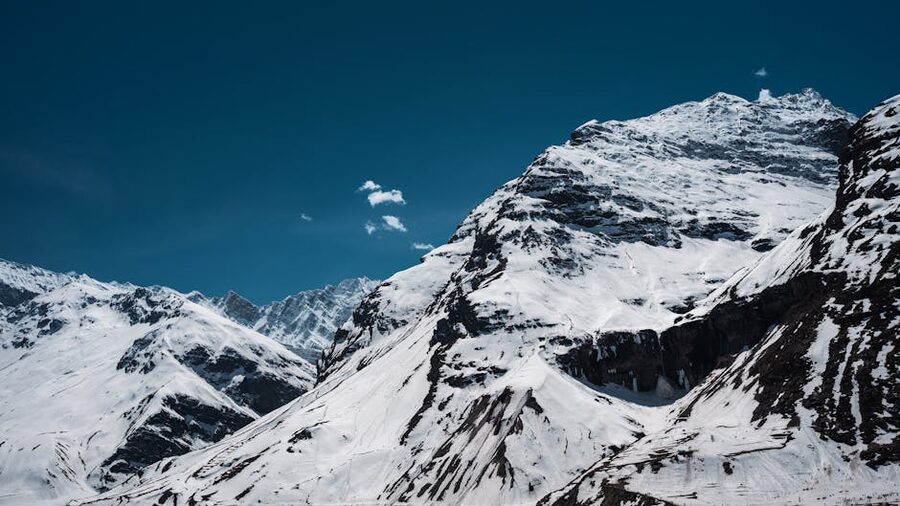
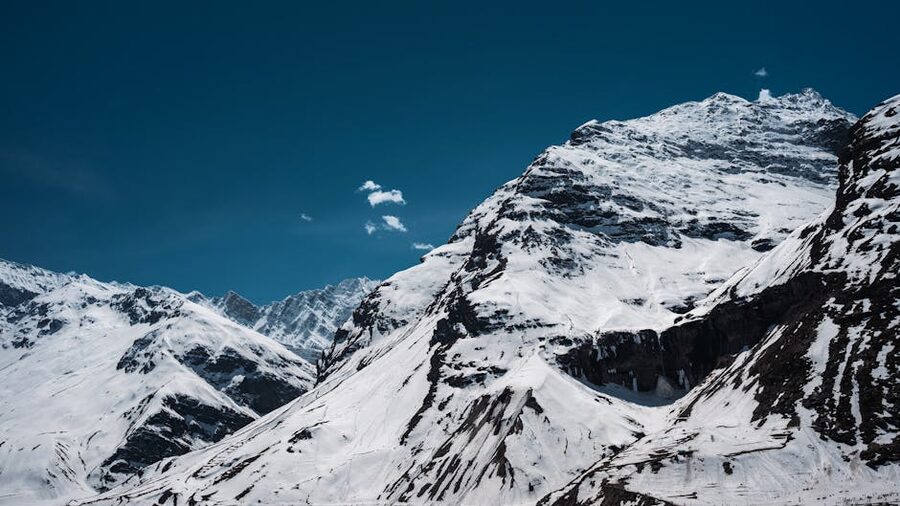
The default Indian honeymoon to Himachal Pradesh goes Manali-Kullu-Solang for five nights, December or May, with a snowman photo on day three. Forty thousand couples a year do exactly this trip. Most of them have a fine time. A small percentage come back wishing they’d skipped the snowman photo and gone to Tirthan instead.
Honeymoon-as-product in Himachal Pradesh is mostly a packaging exercise. Tour operators sell variations on the same Manali-Shimla circuit with a candle-lit dinner upgrade and the word “couple” added to the tariff sheet. Occasionally there’s a videoshoot. The properties themselves are almost always the same hotels they sell to family groups; the candle-lit dinner is two extra rotis. None of this matters if you choose well. All of it matters if you don’t.
This guide is structured around a different decision than “which package.” It assumes you already know you’re going to Himachal and you have somewhere between four and twelve nights. The real question is what kind of honeymoon you want, because Himachal can deliver three quite different ones. There’s the comfortable classic option built around Manali, Shimla, and Dharamshala, which is what nine in ten couples book and what most people mean when they say “Himachal honeymoon.” There’s the off-route option built around Tirthan, Sangla, or one of the smaller Parvati Valley villages, which is quieter and cheaper and almost no package will sell you. And there’s the indulgent option built around the heritage hotels and resort properties, the Cecil, Wildflower Hall, Chail Palace, Ananda, where the room itself is the trip. We’ll walk through all three, with prices, the practical realities, and where the marketing breaks down.
In This Article
- Three Versions of the Same Honeymoon
- The Comfortable Classic in Manali, Shimla, and Dharamshala
- Manali: where to actually base yourself
- Shimla: classier than its reputation suggests
- Dharamshala and McLeod Ganj: the dark-horse pick of the classic three
- Going Off-Route in Tirthan, Sangla, and the Quieter Valleys
- Tirthan Valley: the editor’s pick
- Sangla and Chitkul: the Kinnaur option
- The Parvati Valley: Kasol, Tosh, and Kheerganga
- The Spiti Option (only if you have ten days)
- The Indulgent Option: Heritage Hotels and Resort Properties
- Wildflower Hall, Mashobra
- The Oberoi Cecil, Shimla
- Chail Palace
- Ananda in the Himalayas
- Smaller boutique stays worth knowing about
- When to Go and Why the Season Matters More Than People Think
- Mid-April to mid-July: peak summer
- Mid-July to mid-September: monsoon
- October and early November: the connoisseur’s window
- Late November to March: winter
- Practical Realities Nobody Mentions
- Altitude and how to manage it
- Roads, weather, and buffer days
- Hospital access in remote valleys
- Phone coverage, internet, and the digital detox question
- What to Actually Do as a Couple
- Three Sample Itineraries to Build From
- Comfortable Classic, 6 nights
- Off-Route, 7 nights
- Indulgent, 5 nights
- The Choice Most Couples Get Wrong
Three Versions of the Same Honeymoon
Almost everyone who plans a Himachal honeymoon ends up choosing between three shapes. They’re rarely framed this way in the package brochures, which prefer to differentiate by night count and hotel star rating. But in practice the experience differs by what kind of place you sleep in and how far off the main road you go, and those decisions follow a simple typology.
The comfortable classic: five to seven nights moving between two or three of the bigger towns, usually Manali plus Shimla, sometimes with Kullu, Manikaran, or a day out to Solang and Rohtang in between. Hotels are mid-range three- and four-star properties with restaurants and heating. Package cost for two, ex-Delhi, runs roughly ₹35,000 to ₹70,000 depending on hotel tier and whether you fly or take the Volvo. This is what most domestic operators mean by “honeymoon package,” and it’s what the SERP for “Himachal honeymoon” is dominated by.
The off-route: four to ten nights based in one or two valleys that aren’t on the standard circuit. The headline candidates are Tirthan Valley west of Kullu, Sangla and Chitkul in Kinnaur, the upper Parvati Valley above Kasol (Tosh, Pulga, Kheerganga), the Spiti Valley if you have ten clear days, and the smaller hill stations like Bir, Khajjiar, or Jibhi. Stays are usually riverside cottages, a homestay run by a local family, or a small heritage stay. Cost runs lower than the standard circuit because you’re paying for inventory the package operators haven’t aggregated. Two people can spend a comfortable seven nights in Tirthan for under ₹40,000 all-in.
The indulgent: four to six nights at one or at most two heritage or resort properties, with the hotel itself as the experience. The headline names are Wildflower Hall (Mashobra, 13 km from Shimla), the Oberoi Cecil (lower Mall Road, Shimla), Chail Palace (the HPTDC-run former Patiala summer palace), Ananda in the Himalayas (technically just over the border in Uttarakhand but commonly booked as part of a Himachal trip), and a handful of smaller boutique properties in McLeod Ganj, Naggar, and Mashobra. Costs start around ₹20,000 a night and have no real ceiling.
None of these is objectively better than the others. They suit different couples. The rest of this guide breaks each down with the practical detail that the package brochures don’t include. A note before we go further: the state hotel guide covers the full price-tier breakdown for each major town, and is the one to read alongside this if your honeymoon question is really a hotel question. If you’re trip-planning rather than honeymoon-planning, the state tour packages page bundles many of the routes covered here as multi-day itineraries.
The Comfortable Classic in Manali, Shimla, and Dharamshala
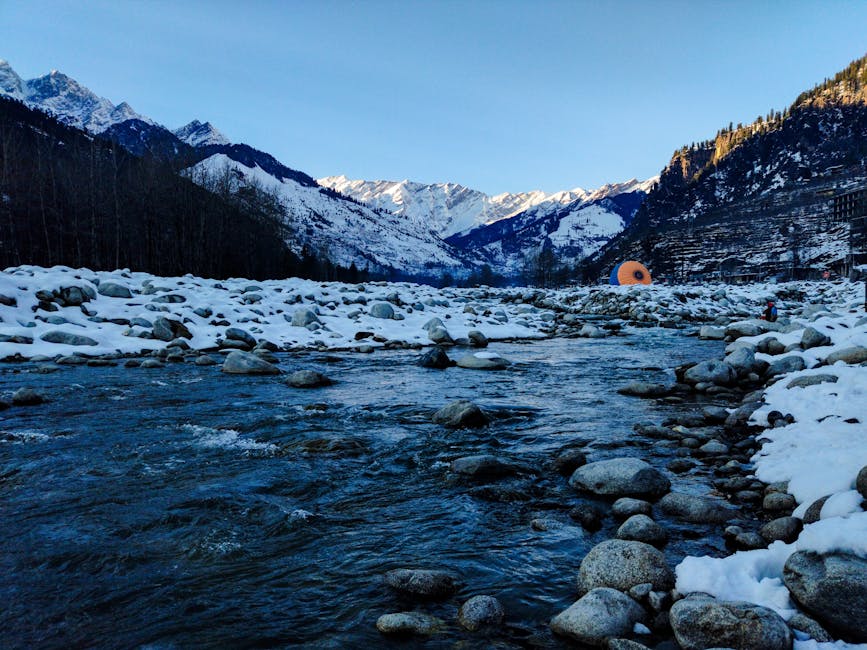
The default option exists for a reason. Manali, Shimla, and Dharamshala have spent four decades getting good at hosting couples, and the bones of a comfortable trip are easier to assemble here than anywhere else in the state. Roads are good, hotel options run from ₹2,500 to ₹40,000, the airports work, and the standard sights, Hidimba Devi temple, Solang, Mall Road, the Bhagsu waterfall, the Tibetan monasteries, are organised, signposted, and don’t require you to be a confident traveller to enjoy. If this is your first trip to the hills together, this is the safe bet, and there’s no shame in that.
Manali: where to actually base yourself
Almost every Manali honeymoon ends up in one of four places, and which one you pick determines the trip more than which hotel you book. Old Manali, across the Manalsu stream from the bus stand, is where the cafés and the laid-back atmosphere are; the lane is too narrow for cars in season and properties tend to be small (under twenty rooms), family-run, and rate ₹2,500 to ₹6,500 in mid-tier. New Manali, around the bus stand and the Mall Road, has the larger hotels with proper parking and is where most package operators put you; rooms are ₹3,500 to ₹6,500 in shoulder, ₹7,000 to ₹12,000 in peak. The Vashisht side, north of New Manali across the Beas, has the hot springs and a quieter feel. Up-valley toward Naggar and Solang, properties trade walking convenience for grounds, river frontage, and quiet, worth it for stays of three or more nights.
For couples specifically, the up-valley properties tend to deliver more honeymoon and less package. Span Resort & Spa at Katrain, about 20 km south of Manali on the Kullu road, has riverside cottages and is a short drive from both Manali and the Kullu Valley sights, verified at Booking.com. The Himalayan, set in a converted faux-castle structure between Manali and Naggar, is another popular choice in this band, Booking.com listing. Honeymoon Inn Manali is the standard mid-tier in town and exactly what its name suggests, couples-focused, in the new-town zone, slightly older finish, bookable on Booking.com (yes, the URL has a typo). For a deeper run-down on options across the town, the Manali hotels page covers each sub-area in more detail.
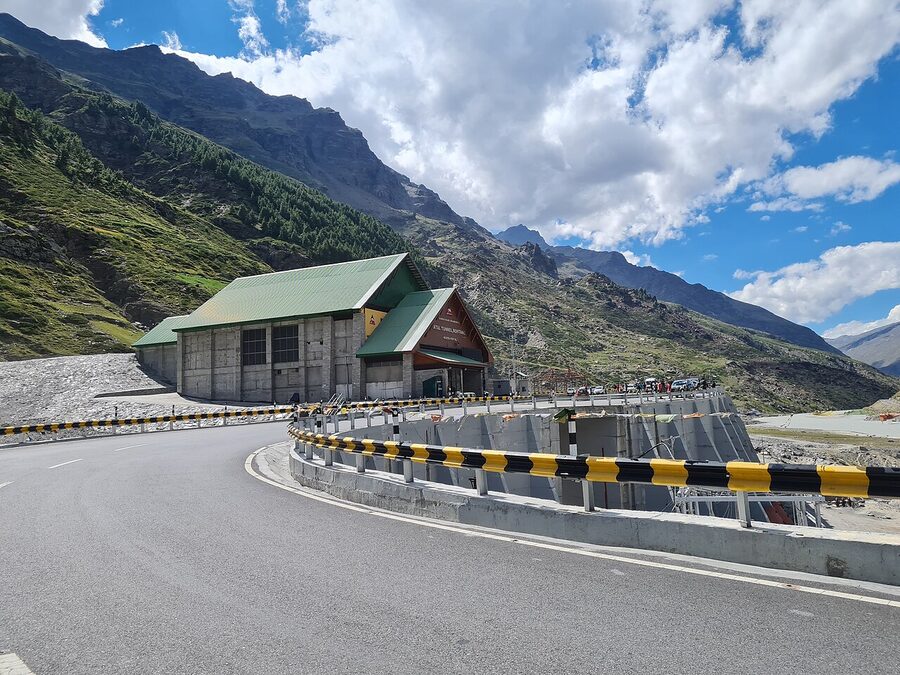
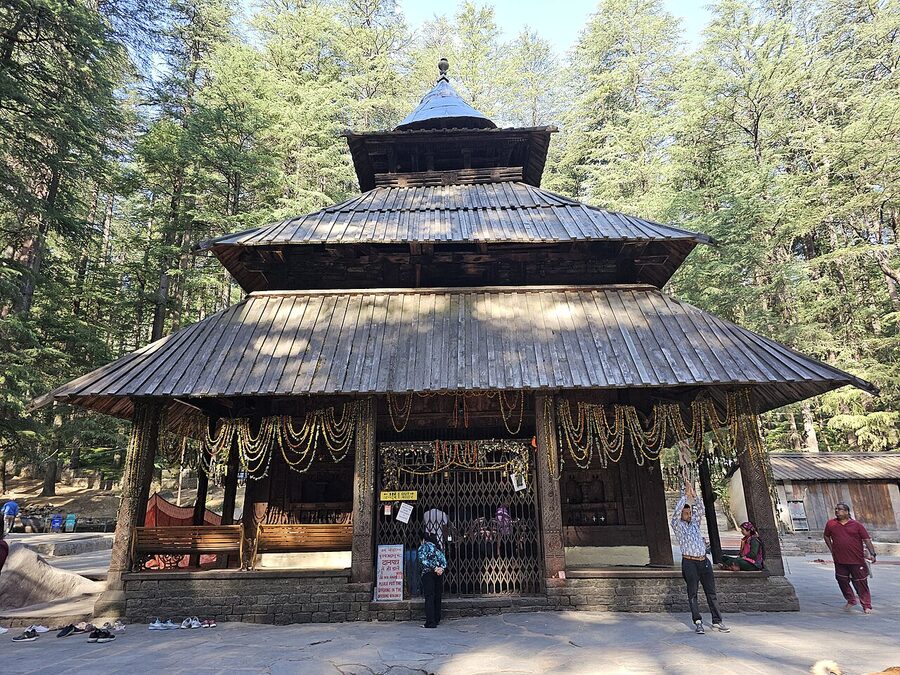
What to do once you’re there: the Hidimba Devi temple in the Dhungri deodar grove is genuinely worth the half-hour visit, especially first thing in the morning before the bus tours arrive. The drive over the Atal Tunnel to Sissu and back, now possible year-round since the tunnel opened in October 2020, is one of the most rewarding day trips in the state, the Lahaul side is a different country, and you can be back in Manali for dinner. Skip Solang Valley unless you’re set on the joyrides; it’s a charmless car park most of the year, and the para-gliding and zorbing are better done at Bir or Solan respectively. Skip Rohtang Pass entirely now that the tunnel has rendered the drive optional, it’s a permit hassle and the views from Sissu are better. For the wider sights inventory across the area, the Manali attractions page goes into each in more depth, and the Manali Wildlife Sanctuary on the Hampta Pass road is the closest forested escape if either of you wants a break from the town.
Shimla: classier than its reputation suggests
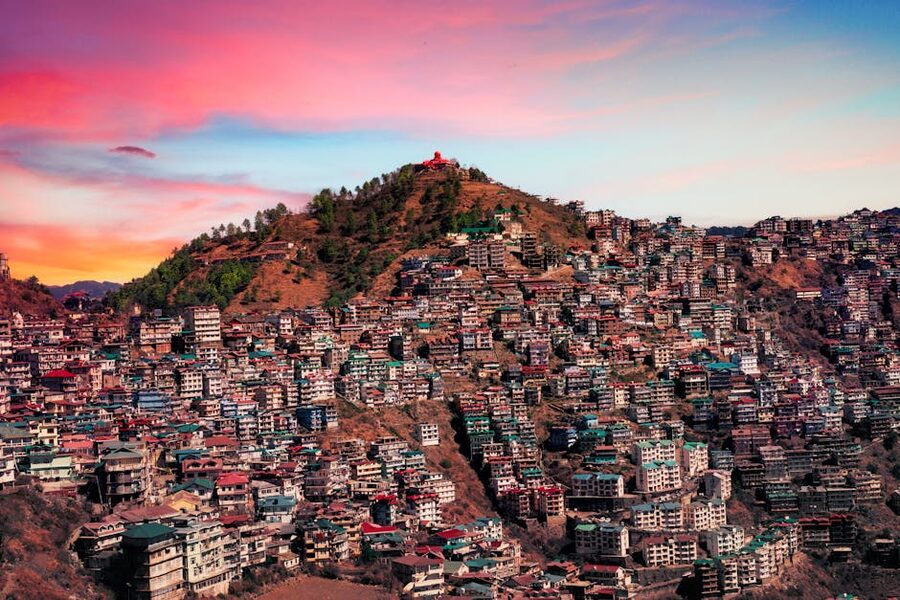
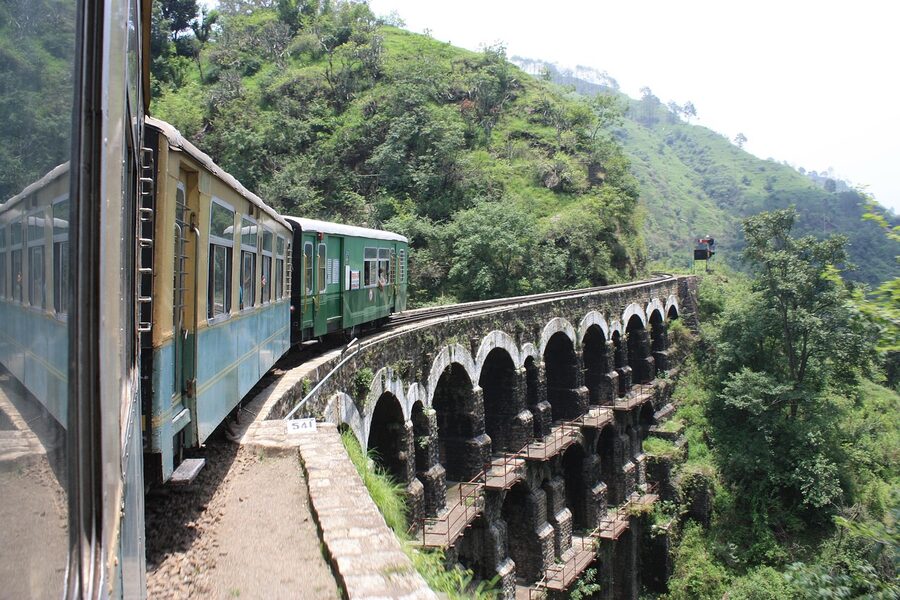
Shimla has a slightly unfair reputation among younger couples as the dad-joke choice, old, crowded, full of school groups in summer. It is none of those things if you book the right room. The Mall and the Ridge are car-free, which is the single fact that makes the town pleasant on foot. The 1830s heritage stock around Chaura Maidan and Chhota Shimla is genuinely from the Raj era, not pastiche. The Kalka-Shimla toy train, a UNESCO World Heritage line, is the better way in than the road if your timing works. And the food in Shimla, particularly along the Mall and at a couple of Lower Bazaar hidden corners, is meaningfully better than what you’ll find in Manali.
For a honeymoon specifically, three options stand out. The Oberoi Cecil at the lower end of Mall Road, in the original 1884 building, is the most expensive room you can book inside Shimla itself and the only one that genuinely feels like a Raj-era hotel rather than a recreation of one, Booking.com listing. Wildflower Hall at Mashobra, 13 km out at 2,500 m, is the splurge property, we’ll come back to it in the indulgent section. And in the mid-tier, Toshali Royal View on a separate ridge from the main town has full-skyline views and works well for couples who want some distance from the Mall Road bustle.
Honeymoon Inn Shimla is the equivalent of its Manali sibling, three-star, couples-positioned, walkable to the Mall, and is on Booking.com if you want the package experience without the package price. The HPTDC-run Hotel Holiday Home, on a wooded ridge ten minutes from the Mall, is the value pick at this tier, government-run, slightly dated, but a genuinely lovely setting and consistent year-round pricing.
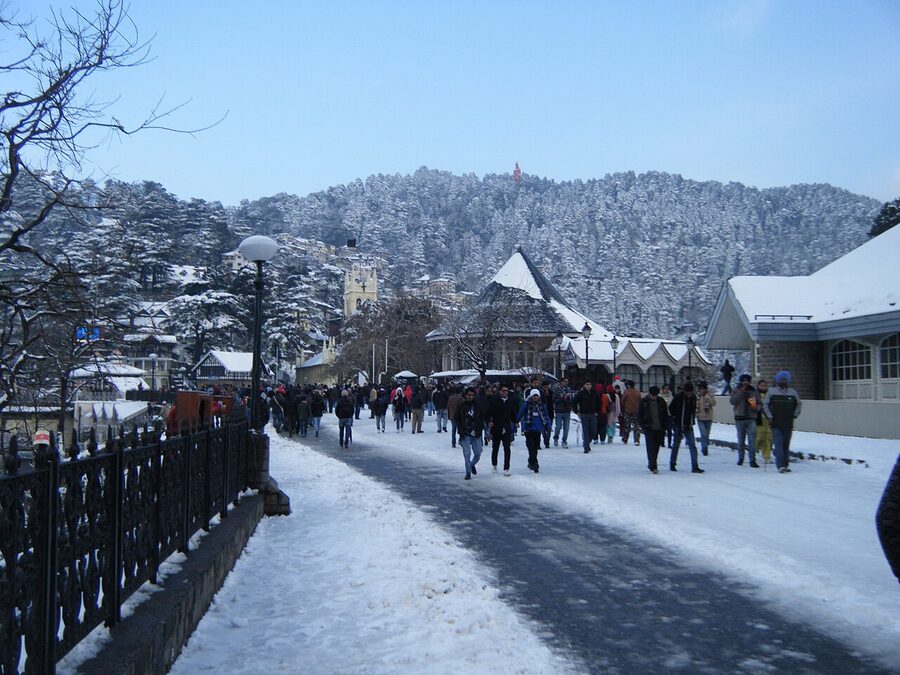
What to do: walk the Mall in the evening, sit at a Lhasa or Indian Coffee House for a long lunch, take the toy train at least one way (the Shimla-Kalka run takes around five and a half hours, departures from both ends most mornings), and consider a half-day to Naldehra for the colonial-era 9-hole golf course set in deodar forest. Skip Kufri unless you are genuinely set on the Kufri tourist scene with its photographer-with-yak setup; Mashobra and Naldehra deliver the same forest-and-mountain experience without the noise. If you’re driving into Shimla from the plains, the Delhi-Manali corridor guide covers the route timings and stop options, including the Shimla diversions.
Dharamshala and McLeod Ganj: the dark-horse pick of the classic three
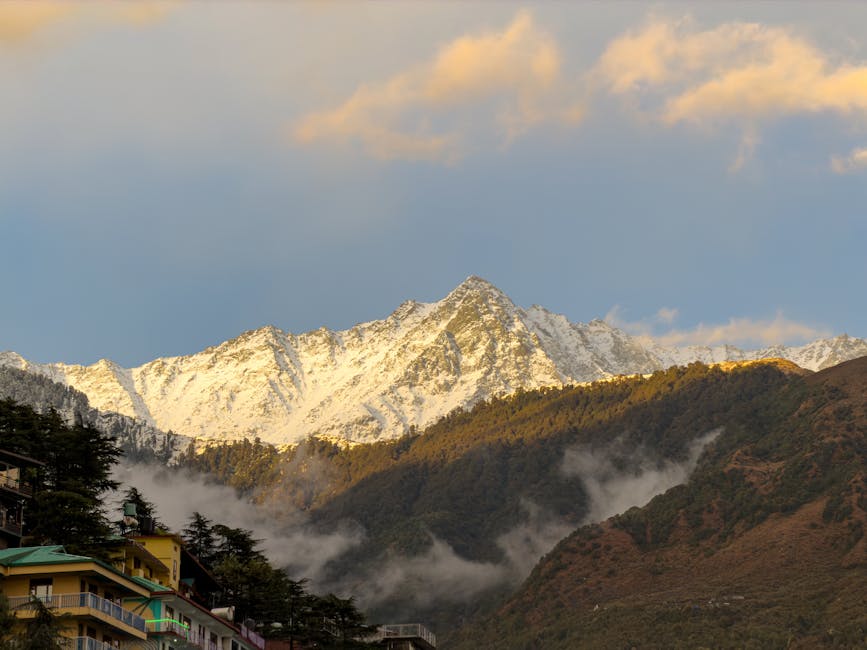
If you and your partner are leaning more toward conversation, food, and a slower pace than toward joyrides and snow points, Dharamshala is the better classic pick than either Manali or Shimla. The town spreads across two altitudes, Lower Dharamshala, the administrative centre at around 1,250 m, and Upper Dharamshala including McLeod Ganj at 2,082 m. The McLeod Ganj area is what almost every honeymooner means when they say “Dharamshala”: the Tibetan exile community since 1960, the Dalai Lama’s main residence, the cafés and bookshops along Temple Road and Jogibara Road, and a horizon dominated by the Dhauladhar wall that looks closer than it should.
For couples this works because the day rhythms suit it. Mornings at Bhagsu falls or the Tsuglagkhang complex, lunch at one of the Tibetan or pan-Asian cafés in McLeod, an afternoon walk to Dharamkot or up the Triund trail (the lower section is doable in a few hours; the full Triund hike is a long day), and evenings around the prayer wheels and the small bookshops. There’s almost no honeymoon package that pushes Dharamshala first because it doesn’t sell as easily as a snow-and-Solang Manali combo, but the couples we’ve heard from after the trip almost universally say they wish they’d given it more nights. The Jwalamukhi temple in Kangra, an hour and a half south of Dharamshala, is one of the older Hindu pilgrimage sites in the region and a useful contrast point if your trip is leaning entirely into the Tibetan-Buddhist McLeod side.
Stay options divide between Upper McLeod (more atmosphere, smaller rooms, a walk uphill to your front door), the Naddi side above McLeod (better mountain views, a short drive from the cafés), and Lower Dharamshala (cheaper, less interesting, mostly a transit base). The Norbulingka Institute property at Norling House on Booking.com is the most distinctive boutique stay, it sits within the Tibetan arts institute’s grounds, has its own thangka-painting and woodcarving workshops on site, and is a 30-minute drive down to lower Dharamshala. The institute itself is worth a half-day even if you don’t stay there.
Going Off-Route in Tirthan, Sangla, and the Quieter Valleys
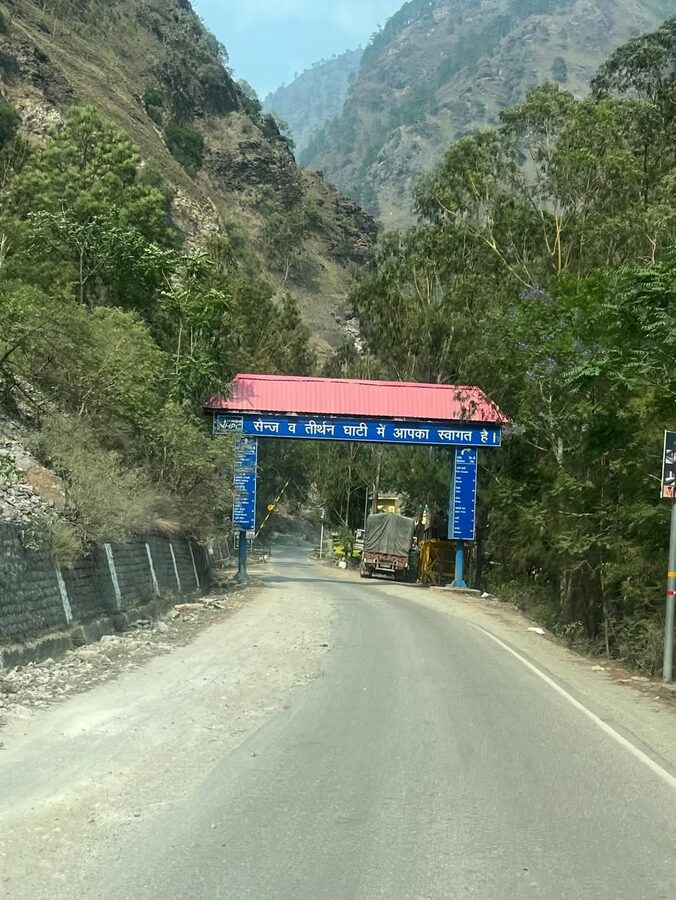
The case for a quieter valley over the standard circuit is straightforward. The Himalayan stretches that draw photographers and writers (Tirthan, Sangla, the Pin Valley in Spiti, the upper reaches of the Parvati above Kasol) have a depth of landscape that the busy hill stations don’t offer because they’re too built up. The trade is comfort and convenience for atmosphere and quiet. A four-night Tirthan trip can be your full honeymoon. Some couples prefer it to anything the package brochures sell.
Tirthan Valley: the editor’s pick
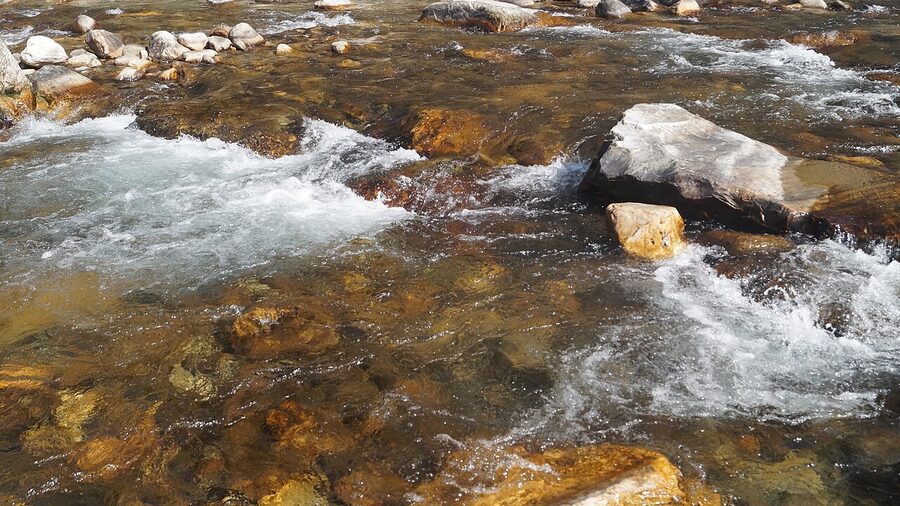
Tirthan sits about 60 km south of Manali in the Banjar tehsil of Kullu district, on the buffer of the Great Himalayan National Park (a UNESCO World Heritage site since 2014). The valley follows the Tirthan River, which is one of the cleaner rivers in this part of the Himalaya, clear enough that the Himalayan brown trout introduced by the British in the 1900s still thrive, and the reason that almost any conversation about Tirthan eventually turns to fishing. The road in is the NH305 from Aut, exiting the highway just before the Larji tunnel; the drive from Chandigarh takes seven to eight hours, from Delhi twelve.
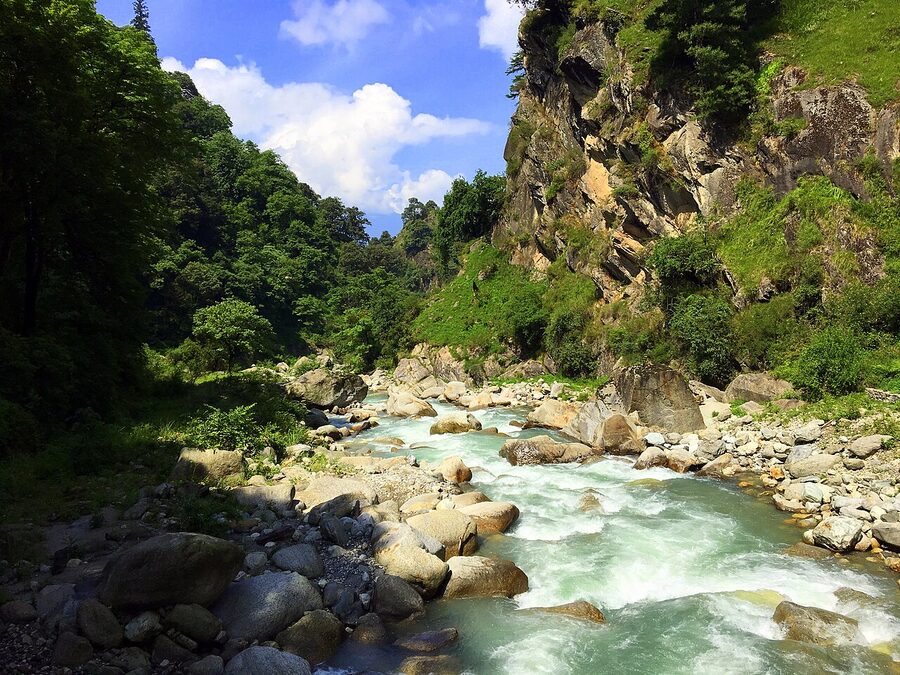
What you actually do in Tirthan as a couple: very little, by design. There are river walks along the Tirthan, the Chhoie waterfall hike (about 90 minutes return from Nagini), an easy half-day to Jalori Pass at 3,120 m for the views and the Serolsar Lake hike, the Jibhi area further up the road with its old wooden temples, and the option of a guided trout-fishing day. The Great Himalayan National Park trekking, including the multi-day Sainj and Tirthan ecotrek routes, is for couples who came specifically for the trekking, it’s not a casual add-on.
Stays are mostly small homestays and riverside camps, with prices typically ₹2,500 to ₹6,000 a night for a double room with meals. The named properties around Banjar, Nagini, and Gushaini are run by individuals or families and aren’t always on Booking.com, many of the better ones are direct-only or on small operator sites. Best season is late March to June and October to November. Monsoon (July to mid-September) is wet, lush, and dramatically green, but the road in can take landslide damage; avoid if you have rigid dates.
Sangla and Chitkul: the Kinnaur option
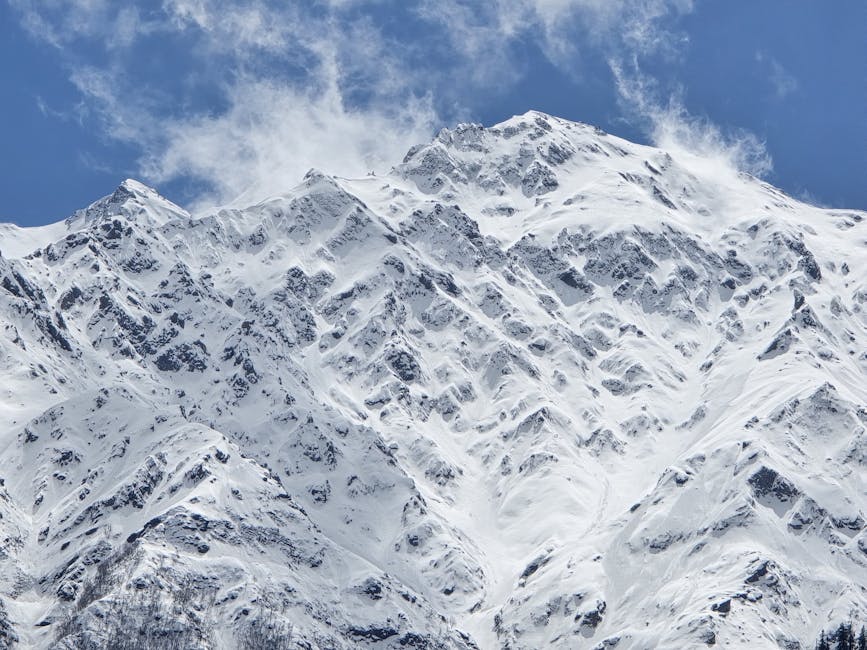
Sangla sits in the Baspa Valley in Kinnaur district, about 250 km from Shimla on the Hindustan-Tibet Road. The drive in is the experience: from Shimla through Narkanda and Rampur, then along a road carved into the cliff above the Sutlej before the turnoff at Karcham up the Baspa Valley. Sangla itself is a small town at 2,680 m with the 15th-century Kamru Fort above and the wooden Bering Nag temple below; Chitkul, 25 km further on, is the last village before the Indo-Tibetan border at 3,450 m and the destination most couples come for.
What works for a honeymoon: the views are some of the cleanest in Himachal because the Baspa hasn’t been built up the way the Beas has. Banjara Camps in Sangla is one of the established properties, riverside Swiss-style tents with proper bathrooms, in a location that nothing else competes with, verified on Booking.com. The HPTDC also runs a property at Sarahan (Hotel Srikhand) on the way in, useful for a one-night stop before the final climb.
Practical realities: the road in is long and mostly single-lane in stretches, with weather closures possible from December through March. Sangla town has limited dining; expect to eat at your property. Chitkul is a day trip from Sangla, not a base, the village has handful of small homestays but nothing built for couples. Mobile coverage is patchy. If your idea of a honeymoon involves any kind of room service after 9 pm, Sangla is the wrong choice. If your idea of a honeymoon involves looking at one of the most striking valleys in north India from a tent next to a glacial river, it might be the right one.
The Parvati Valley: Kasol, Tosh, and Kheerganga
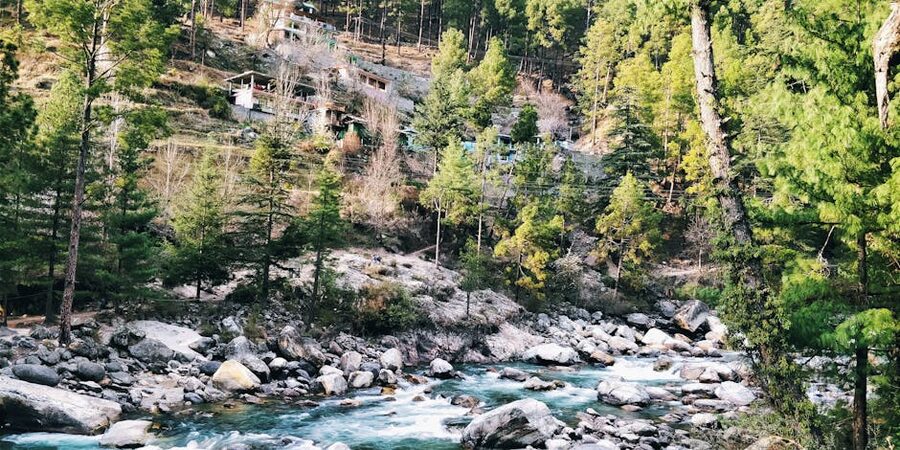
The Parvati Valley, branching off the Kullu Valley at Bhuntar and following the Parvati River up to its source, is the most divisive entry on this list. Kasol, the main village, has spent fifteen years building a reputation as the “Amsterdam of India”, a packed strip of riverside cafés and Israeli-traveller-influenced food along a few hundred metres of NH3. For some couples it’s exactly right; for others it feels like an outdoor music festival that never ends. The truth is that it’s both, depending on the season and the time of day.
The version that makes more sense for a honeymoon is up-valley from Kasol: Tosh and Pulga, perched above the road end at Barshaini, where small homestays and cottage stays in pine groves cost ₹1,500 to ₹3,500 a night for a double. Tosh is a 30-minute drive from Kasol then a 15-minute walk. The views toward the Parvati and the surrounding peaks are dramatic, the village is genuinely small, and the food at the cafés (Buddha Place, the Pink Floyd Café variants) is good in a backpacker way. Kheerganga, the famous hot-spring trek above Barshaini, is a 4-hour climb each way and arguably better as a day commitment from Tosh than as an overnight, since the hot spring itself is now organised and not the mystical setting of older blog posts.
Stay realistic on Parvati: this is not a luxury circuit and the heritage-hotel route doesn’t exist here. If your honeymoon needs include attentive service or a spa, this is the wrong valley. If they include cheap cottage stays in pine forests with the river audible from bed and a relaxed café scene within walking distance, Tosh is hard to beat.
The Spiti Option (only if you have ten days)
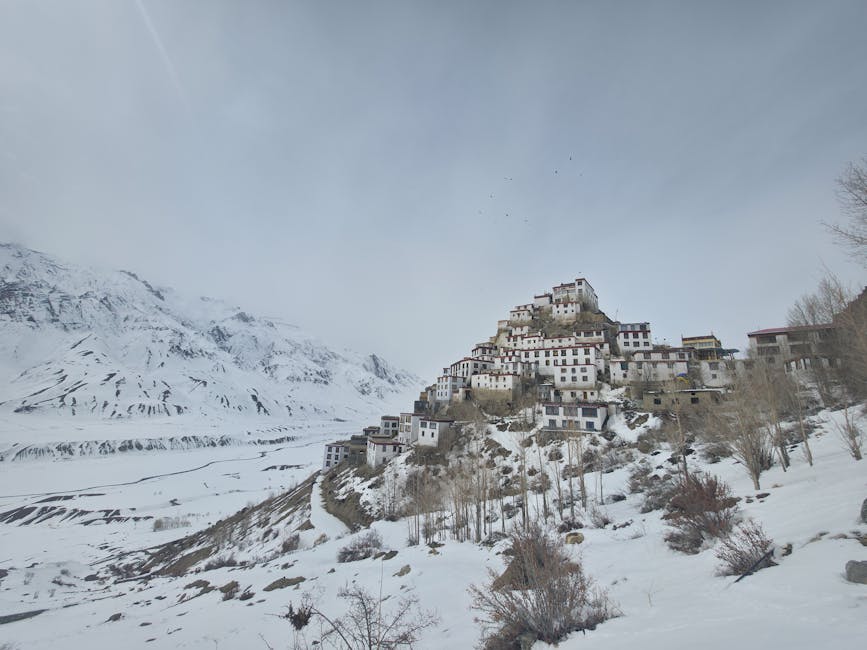
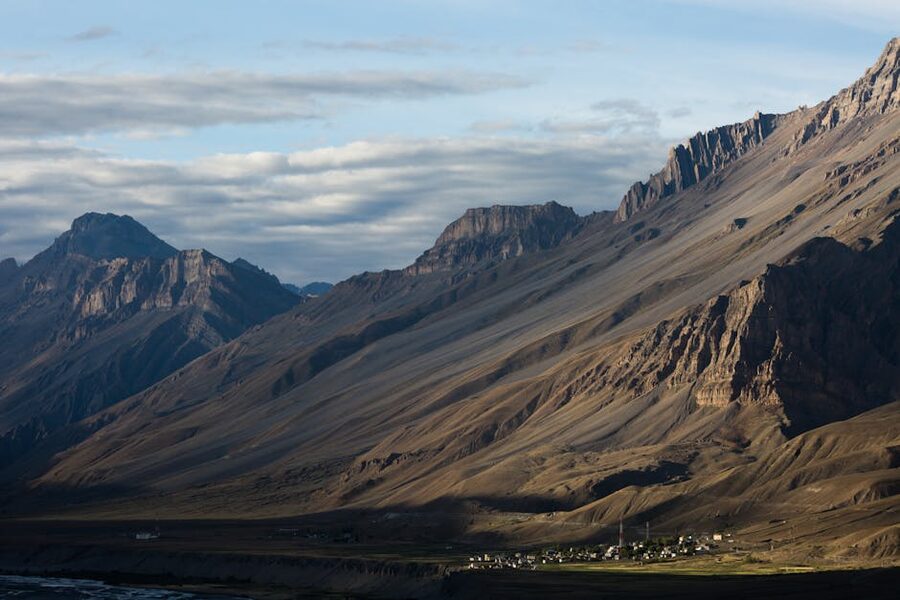
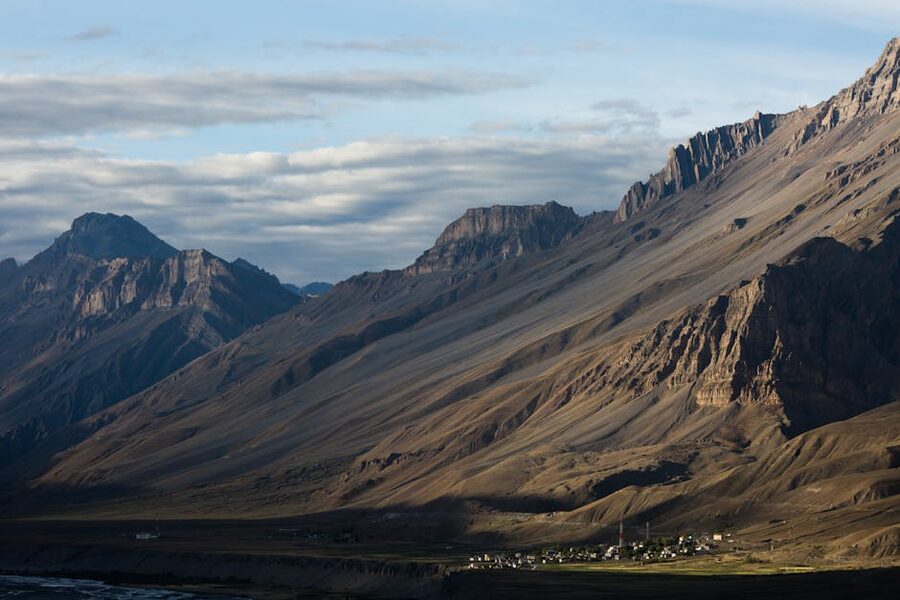
Spiti is the most ambitious honeymoon you can do in Himachal, and the one that comes with the most caveats. The valley sits in the rain shadow of the Pir Panjal range, climatically more like Tibet than the rest of the state. Kaza, the main town, is at 3,650 m. The famous monasteries, Key, Tabo, Dhankar, sit between 3,000 and 4,200 m. The Lahaul and Spiti deep guide covers the geography and routes in full; for a honeymoon specifically, the gating questions are time and altitude.
Time: ten days minimum if you want to enjoy it. The driving distances are long, the road from Manali via the Atal Tunnel and Kunzum Pass is open only mid-June to mid-October, and acclimatisation needs to be deliberate (don’t sleep above 3,500 m on night one). The classic loop, Manali to Kaza via Lahaul, then Kaza to Tabo to Kalpa to Shimla via Kinnaur, or the reverse, takes ten to twelve days at a sensible pace.
Altitude: if either of you has a history of altitude sickness or any unmanaged respiratory condition, Spiti is not the honeymoon. Hospitals at Kaza and Keylong are basic; the nearest serious medical facilities are at Manali or Shimla, six to eight hours away on roads that may be closed. The risk profile here is genuinely different from Manali or Shimla, and worth a frank conversation before you book.
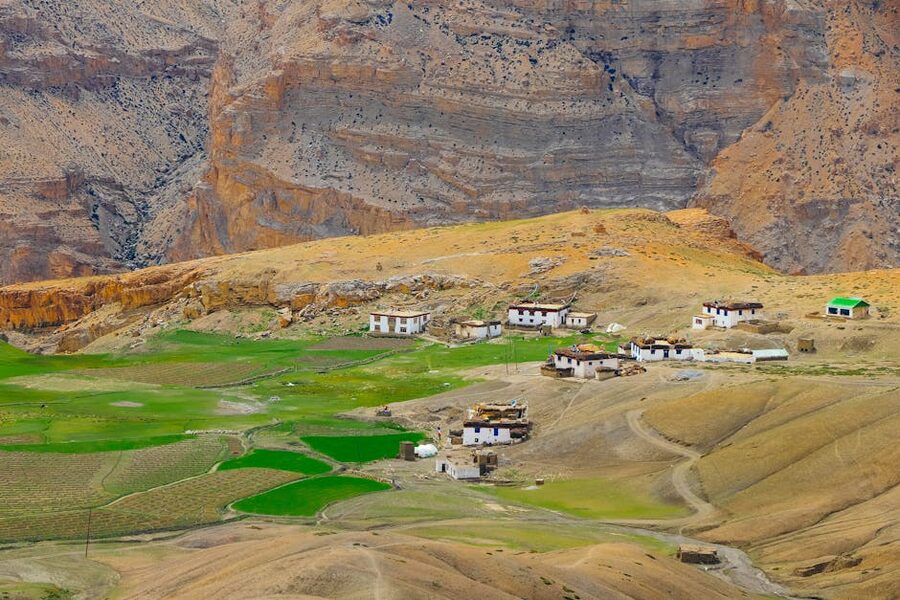
If you have the time and the altitude tolerance, Spiti as a honeymoon is unforgettable. The monasteries are some of the oldest active Buddhist sites in the western Himalayas (Tabo was founded in 996 CE), the night skies are among the darkest you’ll experience anywhere, and the homestays in villages like Komic, Hikkim, and Langza put you in a household at over 4,400 m. Just don’t try to do it in five days.
The Indulgent Option: Heritage Hotels and Resort Properties
The third option is the room as the trip. A meaningful number of Himachal honeymoons are built around staying in one or two heritage or resort properties for the full duration, with sightseeing kept light and most of the day spent at the hotel. This is a different planning logic from the first two options, you’re not trying to see Himachal so much as you’re using Himachal as the setting for a week off. There are five properties in the state worth knowing about for this version of the trip.
Wildflower Hall, Mashobra
The most famous luxury hotel in Himachal Pradesh, run by the Oberoi group, on the site of Lord Kitchener’s residence at 2,500 m about 13 km out of Shimla in the Mashobra forest. The current building is a 1925 reconstruction of the original (which burned down) and has 84 rooms, a heated indoor pool, a spa, and a long-lawn-and-cedar-hedge setup that does most of the marketing on its own. Rooms start around ₹35,000 in the off season and run well above ₹70,000 in peak. Booking.com listing. For a honeymoon, the appeal is that you don’t really need to leave; the property has its own walks, the spa is genuinely good, and meals are taken on a terrace looking down on the Sutlej basin. The downside is that the location is 30-40 minutes’ drive from Shimla itself, which makes town visits a half-day commitment rather than a casual evening out.
The Oberoi Cecil, Shimla
The other Oberoi in the Shimla cluster, at the lower end of Mall Road in the original 1884 building. Smaller and more intimate than Wildflower (just 79 rooms across the property), with the advantage of being walkable to the Ridge in fifteen minutes. The Cecil’s lounge, an atrium under a glass roof with the original fireplace, is the single best public room in Himachal Pradesh, and the building itself feels like a Raj-era hotel rather than a recreation of one. Rates start around ₹22,000 in shoulder, climbing past ₹50,000 at peak. Booking.com listing. If your trip is structured around Shimla itself (the Mall, the food, the cultural calendar, see the festival calendar for dates), book the Cecil; if your trip is structured around the hotel, book Wildflower.
Chail Palace
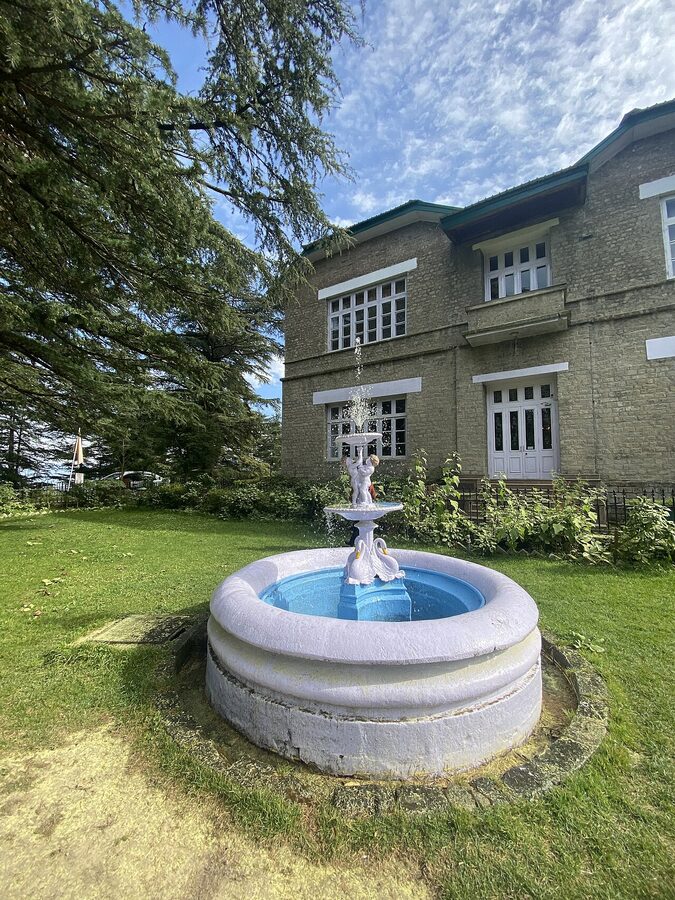
The most distinctive heritage stay in Himachal Pradesh, and the only one in the genuinely-affordable category. Chail sits at 2,250 m, 44 km from Shimla, and the palace itself was built in 1891 by Maharaja Bhupinder Singh of Patiala after he was banished from Shimla by the British (the story varies but the most repeated version has him eloping with the daughter of Lord Kitchener, then commander-in-chief of the British Army, after which Shimla society made his summer presence unwelcome). The maharaja built his own hill station in response, Chail Palace, the world’s highest cricket ground, and the Sidh Baba ka Mandir, and moved his summer court here for the next half-century. The town today still organises around these three; the Chail Palace property page covers the rooms and history, and the Chail Wildlife Sanctuary wraps the maharaja’s old hunting grounds into a forest reserve that’s a short drive from the palace.
The palace was acquired by the Himachal Pradesh Tourism Development Corporation in the 1970s and is run today as the Palace Hotel, which means rooms are bookable directly through HPTDC at rates that are dramatically lower than what a comparable heritage property would charge in private hands, typically ₹6,500 to ₹14,000 a night depending on category and season. The property has its quirks (it is government-run, dining is limited, service is warm rather than slick) but the building itself is the real thing, the grounds are spectacular, and the fact that you can book it for a tenth of Wildflower’s rate is its own kind of luxury. For couples who want a heritage stay without the heritage price tag, this is the answer in Himachal Pradesh.
Ananda in the Himalayas
Ananda is technically in Uttarakhand, at Narendra Nagar above Rishikesh, but it commonly comes up in Himachal honeymoon planning because it is the nearest serious wellness retreat to the Himachal-Punjab corridor, and many couples treat it as either a pre- or post-Himachal week. Bookings are direct through anandaspa.com rather than the standard OTAs, and the format is structured wellness, ayurvedic consultation, daily yoga, an extensive spa programme, rather than a hotel-with-spa. Rates are comparable to Wildflower and bookings need to be made well in advance, particularly for honeymoon windows. If your honeymoon is structured around resetting health and pace rather than seeing places, Ananda is the option to know about; for couples for whom a full structured wellness programme sounds more like work than honeymoon, it isn’t.
Smaller boutique stays worth knowing about
Below the headline names there’s a tier of small heritage and boutique properties that don’t get the press but punch above their rate cards. Naggar Castle, the 16th-century timber-and-stone fortified residence above the Kullu Valley, is HPTDC-run and books directly through them, it isn’t luxury but it is uniquely atmospheric, and the rooftop café terrace looks across at the Pir Panjal in a way no other property does. Several converted apple-orchard houses around Shimla, Naldehra, and Mashobra operate as small boutique stays at the ₹8,000-15,000 band; they tend to surface on niche operator sites rather than Booking.com and are worth a search if you have specific dates. The Norbulingka Institute property in Sidhpur near Dharamshala (Norling House, booking via Booking.com or direct) is a category of its own, boutique, monastic-influenced, with the institute’s workshops as part of the daily life around you.
When to Go and Why the Season Matters More Than People Think
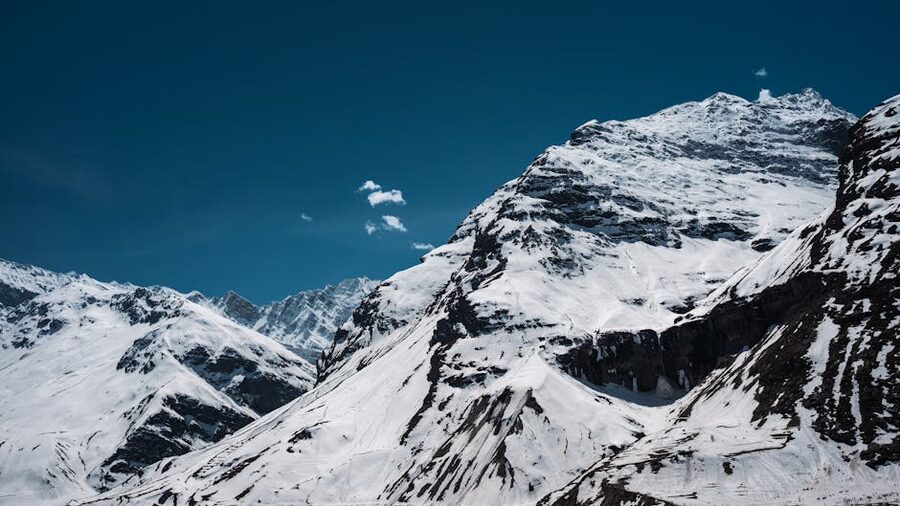
Honeymoon planning in Himachal is more season-driven than people realise. The same property in May and in February is effectively two different hotels at two different price points with two different sets of trade-offs. Here’s the seasonal breakdown by what each window actually delivers, with the catches.
Mid-April to mid-July: peak summer
The busiest stretch of the year. Hotels run 60-100% above their winter base rates. Air is clean, days are warm (15-25°C in the towns, cooler at night), all roads are open, all attractions accessible. Pre-monsoon haze can dull the views in late June. The catch: every other Indian honeymoon couple is doing the same trip in the same window, and Manali in particular is unpleasant in peak May because the road in is jammed and the Mall is wall-to-wall. If you’re booking summer, lean off-route (Tirthan, Sangla, Kinnaur) where the crowd doesn’t reach.
Mid-July to mid-September: monsoon
The cheapest and most underrated honeymoon window. Rates drop 30-50% below summer peak. The hills are at their greenest. Cafés and restaurants are uncrowded. The catch is the rain itself, which can be heavy and persistent in July and August, and the road risk, landslides on the highways into Kullu, Kinnaur, and Lahaul are real and can add hours or days to your travel. If you go in monsoon, build slack into the itinerary, base in fewer places, and skip Spiti and the upper Kinnaur reaches entirely. Dharamshala and McLeod Ganj take the monsoon better than Manali because the rains arrive later and lighter; this is the season for that part of the state.
October and early November: the connoisseur’s window
Clear skies, cool air, autumn colour in the apple orchards, almost no other tourists. Rates drop close to monsoon levels. The mountain views are the best of the year, the air is at its cleanest after the rains have washed it. This is the editor’s pick for a Himachal honeymoon if your dates are flexible. The catch is small: the high passes (Kunzum into Spiti, Rohtang for the old route) start closing in mid-October as the season’s first heavy snowfall lands, so the Spiti loop becomes one-way only after about the second week. Below that, everything works.
Late November to March: winter
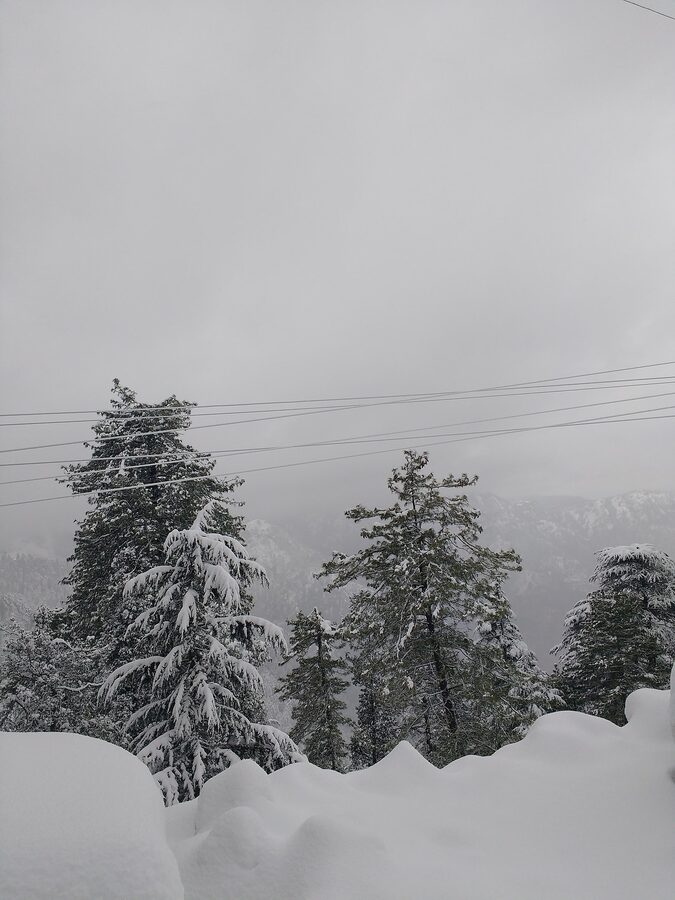
The second peak, especially for the snow-photo demographic. December and January in Manali, Shimla, and Dalhousie can mean genuine snowfall, with rates marked up the hardest of any nights of the calendar around Christmas and New Year. Roads to higher ground (Solang, Kufri) may close for hours after fresh snow. Spiti and the upper Kinnaur valleys become inaccessible from the Manali side; the Atal Tunnel stays open year-round but the road beyond Sissu can close. The catch is the practical one: you’re paying peak prices for unpredictable conditions. If snow is genuinely the point of your trip, mid-January to mid-February is statistically the most reliable. If snow is just a hoped-for bonus, the autumn shoulder is a better bet.
Practical Realities Nobody Mentions
Three things almost no honeymoon brochure mentions and that have meaningful weight on how the trip actually goes.
Altitude and how to manage it
Manali, Shimla, Dharamshala, and Dalhousie all sit between 1,750 and 2,250 m. Almost nobody has any altitude trouble in this range, but the body still notices, slightly heavier legs on the first day’s walks, a deeper sleep than usual, more thirst. Hydrate more than you think necessary, take the first day easier, and you’ll feel right by day two. Above 3,000 m (Solang Valley, Kufri ski runs in winter, Rohtang Pass, the Tirthan Jalori Pass, anywhere in Spiti), real altitude rules apply: ascend gradually, sleep low even if you visit high, don’t drink alcohol on the night you cross 3,500 m, and know the early signs of mountain sickness (headache that doesn’t respond to paracetamol, nausea, sleep difficulty). For the standard Manali-Shimla-Dharamshala circuit none of this is a meaningful concern. For Spiti or Sangla-Chitkul it is.
Roads, weather, and buffer days
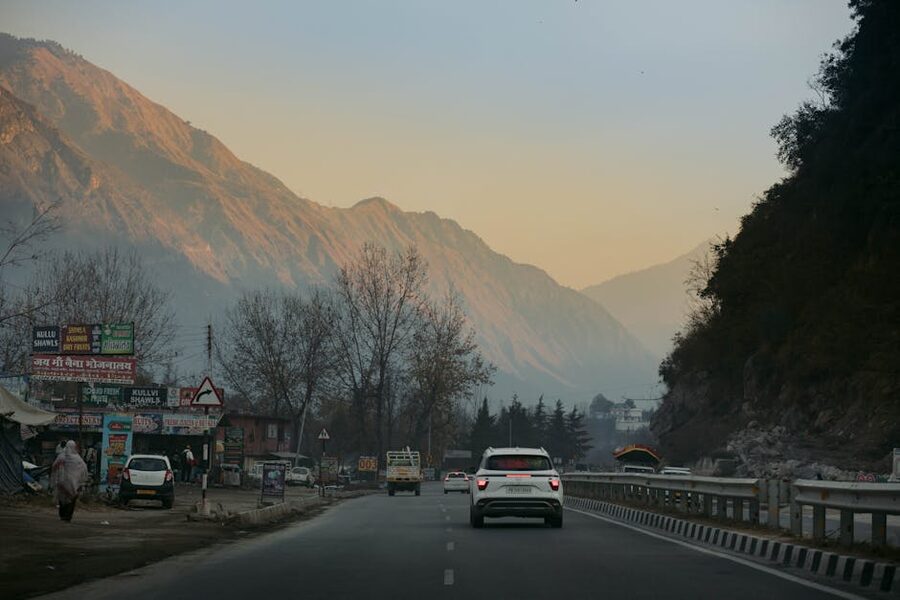
The mountain highways into Himachal Pradesh are good by Himalayan standards but landslide-prone in monsoon and snow-prone in winter. The Chandigarh-Manali route can become a 12-hour drive when normally 7-8. The Shimla-Sangla road, the Manali-Spiti road via Atal Tunnel, and the Shimla-Spiti road via Kinnaur all see sporadic closures of hours to days. Build at least one buffer day into any trip that involves more than two destinations. If you have a fixed flight back from Delhi or Chandigarh, leave the hills at least a full day before, not the morning of.
Rail and air access: Bhuntar (Kullu-Manali) airport handles a small number of flights per day, weather-dependent, and is unreliable December through February. Gaggal (Kangra) airport near Dharamshala has similar scale and reliability. Shimla airport at Jubbarhatti is barely a real airport. The reliable air gateways are Chandigarh and Delhi, with road or train transfer in. The Kalka-Shimla narrow-gauge railway, a UNESCO World Heritage site, is the better option in for Shimla if your timing works, the journey takes about five and a half hours and is itself a highlight. Incredible India’s Himachal page lists the broader access options.
Hospital access in remote valleys
For Manali, Shimla, and Dharamshala, hospital access is fine, there are functional district hospitals and several private practices that handle everything short of major surgery. For the off-route valleys (Tirthan, Sangla-Chitkul, Tosh-Kheerganga, Spiti), serious medical access is hours away on weather-dependent roads. The implication for honeymoon planning is small but real: if either partner has a medical condition that could deteriorate quickly (cardiac issues, brittle diabetes, severe asthma), the standard circuit is the responsible choice. For couples without those concerns, the off-route options are well within normal travel-risk tolerance and shouldn’t be a worry.
Phone coverage, internet, and the digital detox question
Jio and Airtel cover the towns reliably and most of the road network adequately. The off-route valleys are patchier, Tirthan has decent coverage in Banjar but thinner upstream, Sangla works at the town but drops in Chitkul, Tosh and Pulga have limited bars, and Spiti depends on which village you’re in. Hotels in the standard circuit have wi-fi that ranges from good to nominal. If you’ve planned the honeymoon as a deliberate digital detox, the off-route valleys are the right setting and the patchy coverage is a feature, not a bug. If one of you needs to stay reachable for work, base in the standard circuit and don’t promise anyone reliability above 2,500 m.
What to Actually Do as a Couple
The standard honeymoon agenda, para-gliding day, snow-point day, Mall Road shopping, candle-lit dinner upgrade, works for a lot of couples but is entirely optional. A few categories of activity that fit a honeymoon better than the package versions:
The Kalka-Shimla toy train. The 1903 narrow-gauge railway from Kalka to Shimla, a UNESCO World Heritage site, takes around five and a half hours and runs through 102 tunnels and over 869 bridges. The first-class car has windowed doors and is meaningfully more comfortable than the cheaper seats. Either direction works; some couples do it in as a slow-build into Shimla, then fly or drive back from the trip’s end.
A long lunch in McLeod Ganj. Several small Tibetan and pan-Asian places along Temple Road and Jogibara Road do thukpa, momos, and Tibetan bread well, and serve them at a pace that suits a long meal. The Common Ground café and a couple of upstairs places overlooking the Bhagsu road are particular standouts. This isn’t dinner-with-a-view material; it’s lunch at street level with the prayer flags and the conversation, which is the actual McLeod Ganj experience.
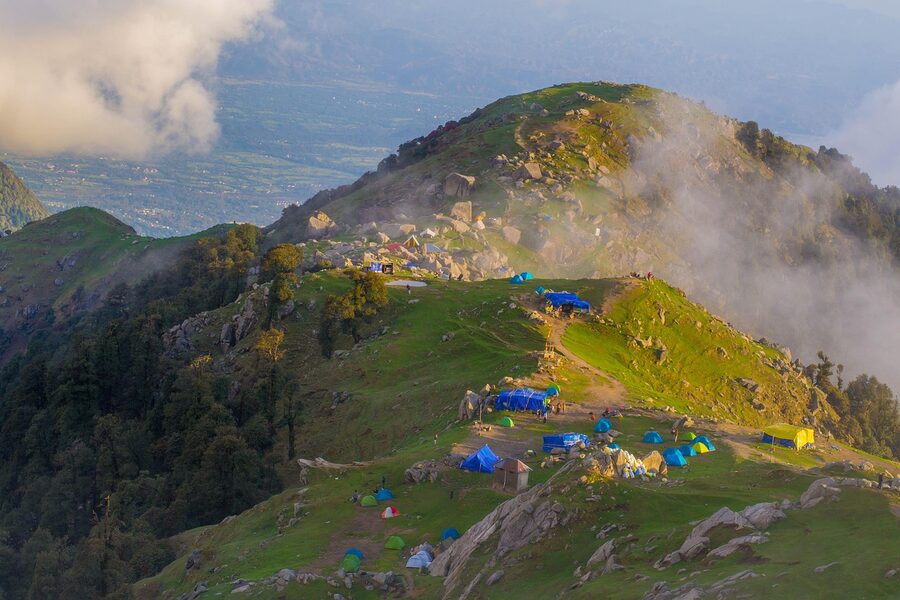
The Triund hike. If both of you can manage a moderate uphill walk (about 9 km return, 1,000 m of ascent), the day-hike to Triund above McLeod Ganj is one of the better couple-friendly walks in the state. Start by 7 am, take it slow, lunch at the top, back down by mid-afternoon. Triund itself sits below the Indrahar Pass with the Dhauladhar wall directly above; on a clear day the view is among the best in north India.
The drive over the Atal Tunnel. Now that the tunnel has made the Lahaul side a day-trip from Manali, this is one of the most under-mentioned honeymoon experiences in the state. Leave Manali at 7 am, through the tunnel, breakfast at Sissu (about 90 minutes from Manali), continue to Jispa or just to the Sissu lake-and-waterfall area, back to Manali for late dinner. The landscape on the Lahaul side is genuinely otherworldly and you don’t need any altitude tolerance.
An afternoon at Naldehra. The 9-hole colonial-era golf course at Naldehra, set in deodar forest at 2,200 m about 22 km from Shimla, is the venue for a quiet half-day even if neither of you golfs. The forest walks around the course are open to the public and the HPTDC runs a small property nearby for lunch.
Evening at the Tibetan monasteries. The Tsuglagkhang complex in McLeod (the Dalai Lama’s main residence and the Namgyal Monastery), the Norbulingka Institute below Dharamshala, and the various smaller gompas around Naggar and the Spiti Valley are all open to visitors and best visited toward late afternoon when the prayer sessions begin. The state attractions guide covers the full inventory.
What to skip, in our opinion: paragliding at Solang (the Bir-Billing site does it better and at a more genuine scale); the standard Mall Road tourist photographers in any town; the candle-lit dinner upgrades that come with most honeymoon packages (the food is rarely better than the regular menu); and any package that promises you Rohtang Pass as a highlight, since the tunnel has made Rohtang itself an obstacle rather than a destination. If your honeymoon happens to coincide with October’s Kullu Dussehra week, factor that in early; Kullu and Manali hotel rates climb hard for those seven days and the road through the valley is busy.
Three Sample Itineraries to Build From
The brochures sell night-counts; what’s harder to find is itineraries that match the three types we started with. Here are three skeletons that work as starting points. Adjust by season, budget, and which town you and your partner actually want to wake up in.
Comfortable Classic, 6 nights
Day 1: Fly or train to Chandigarh, drive to Shimla (about 4 hours), check into a Mall-area mid-tier hotel. Day 2: Walk Shimla, the Mall, the Ridge, Christ Church, lunch at Indian Coffee House, evening at the Cecil’s atrium even if you’re not staying there. Day 3: Drive to Manali via Kullu (8-9 hours; consider the helicopter if budget allows). Day 4: Day in Old Manali, Hidimba Devi temple early, café morning, Vashisht hot springs late afternoon. Day 5: Atal Tunnel day trip to Sissu and Jispa. Day 6: Naggar and the Roerich Art Gallery, dinner at one of the up-valley properties. Day 7: Drive Manali-Chandigarh-fly out (long day; build a buffer if your flight is late evening).
Off-Route, 7 nights
Day 1: Fly to Chandigarh, drive to Tirthan Valley via Aut (7-8 hours). Day 2: Tirthan riverside walks, Chhoie waterfall hike, dinner at the homestay. Day 3: Day to Jalori Pass and Serolsar Lake, lunch at one of the Jibhi cafés on the way back. Day 4: Drive Tirthan to Sangla via Shimla (long day, 9-10 hours; break in Shimla if you can). Day 5: Sangla, explore Kamru Fort, visit the Bering Nag temple, walk along the Baspa. Day 6: Day trip to Chitkul. Day 7: Drive Sangla to Shimla (6-7 hours), overnight in Shimla. Day 8: Train or drive to Chandigarh, fly out.
Indulgent, 5 nights
Day 1: Fly Delhi-Shimla (or train Kalka-Shimla as the slow option), check into the Cecil. Day 2: Walk the Mall, lunch at the Cecil terrace, afternoon spa. Day 3: Move to Wildflower Hall at Mashobra, settle in. Day 4: Hotel day, long breakfast, walk in the Mashobra forest, spa afternoon, formal dinner at Cedars. Day 5: Hotel day, pool morning, day trip option to Naldehra, evening at the property. Day 6: Drive Mashobra-Chandigarh, fly out. (Variation: swap one Wildflower night for two at Chail Palace if you want the heritage experience without the all-Oberoi spend.)
The Choice Most Couples Get Wrong
The single most common mistake in a Himachal honeymoon is over-packing the itinerary. Five hill stations in seven nights, two of them just a meal stop. The cars are bigger than the experiences, the hotels blur into each other by night four, and the photographer-with-yak gets the same setup whether you’re in Kufri or Solang. The couples who come back happiest from a Himachal trip are almost always the ones who picked one or two places and stayed put. Whether you pick the comfortable classic, the off-route valleys, or the indulgent heritage stay, the pattern is the same: depth beats breadth. One valley, a week, a slow rhythm. The mountains aren’t going anywhere, and you can come back for the next one on the next anniversary.
Whichever direction you choose, the practical preparation is the same: book the hotel before the dates if you’re going in peak season, check the road status forty-eight hours before you travel, build a buffer day, take the train at least one way if you can, and remember that the photo opportunities the marketing leans on (snow-point selfie, candle-lit dinner, white-horse Solang ride) are very rarely the ones you’ll remember a decade later. The ones you will remember are the long lunch above the prayer flags in McLeod, the morning at Hidimba before the bus tours arrived, the half-hour at Wildflower’s terrace as the cloud cleared off the Sutlej basin, the evening in the Tirthan homestay when the river noise was the only sound for hours. Pick the trip that lets those happen.