
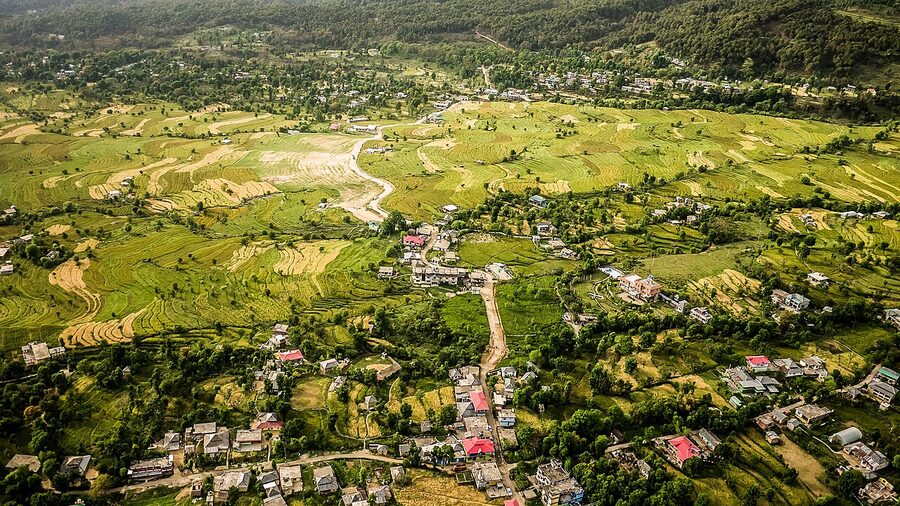
Bir sits at 1,525 metres on the western edge of the Kangra Valley, looking up at the snowfield wall of the Dhauladhar range. Billing sits a thousand metres above it, on a grassy ridge 14 km up a switchback road that ends in a chai shop. The two villages share a name because pilots run off the top one and land in the bottom one, and that one fact has shaped most of what writes about Bir-Billing online. Show up for that and you have a fine afternoon. Stay three days and you start noticing the rest: a Tibetan refugee colony settled in 1962, half a dozen working monasteries within a 7 km radius, organic farms, a meditation institute modelled on ancient Nalanda, and the kind of café-and-walking pace that pulls long-stay travellers in for months.
I would not call Bir-Billing offbeat anymore. It is a regular weekend run from Delhi and Chandigarh now, and the cafés on landing-site road get full on a sunny Saturday. But it is still the rare Himachal town where you can paraglide in the morning, watch monks debate philosophy in the afternoon, and eat wood-fired pizza at sunset, and have all three feel like the place’s actual character rather than a stitched-together itinerary. This guide covers what to do, where it actually is, how to get there from anywhere in north India, and which of the place’s three personalities (flying town, monastic centre, slow village) is the one you should plan around.
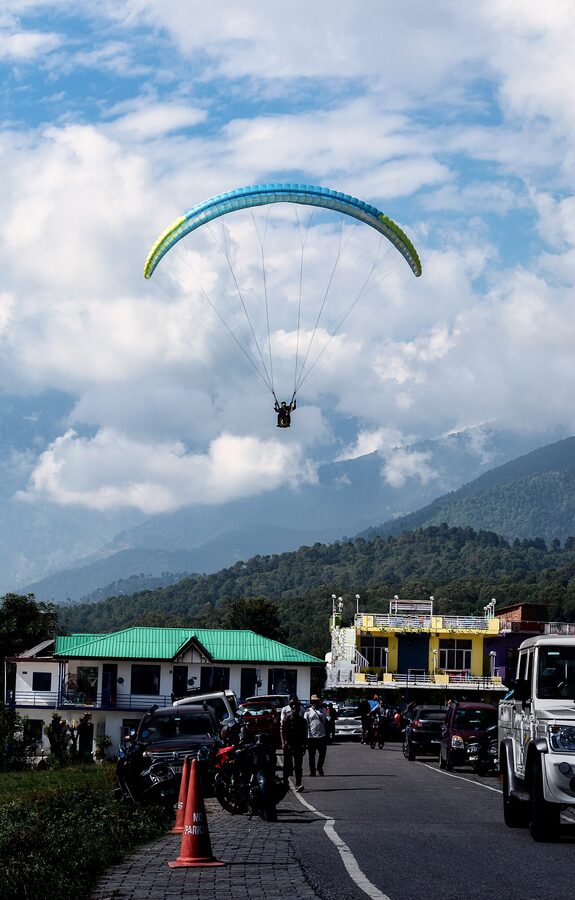

Bir-Billing at a glance
Three places, one name. Here is what each is for.
| Place | Altitude | What it is | How long you’d spend |
|---|---|---|---|
| Bir (Tibetan Colony / Chowgan) | 1,525 m | The main village. Cafés, hostels, monasteries, paragliding landing site, Deer Park Institute. Where you sleep and eat. | 2 to 5 days |
| Billing | 2,428 m | The take-off ridge for paragliding. A grassy meadow with one chai shop and views into the back range. Day trip from Bir. | 2 to 3 hours |
| Bhattu / Sherab Ling | 1,400 m | 5 km west of Bir. The largest monastery in the area, set in pine forest. Half-day visit. | 2 to 3 hours |
If someone in Delhi tells you they’re “going to Bir-Billing for the weekend,” they almost always mean Bir village, the Tibetan Colony specifically, where the hostels and cafés are. Billing is a place you visit, not a place you stay.
Where Bir actually is, and why the names confuse everyone
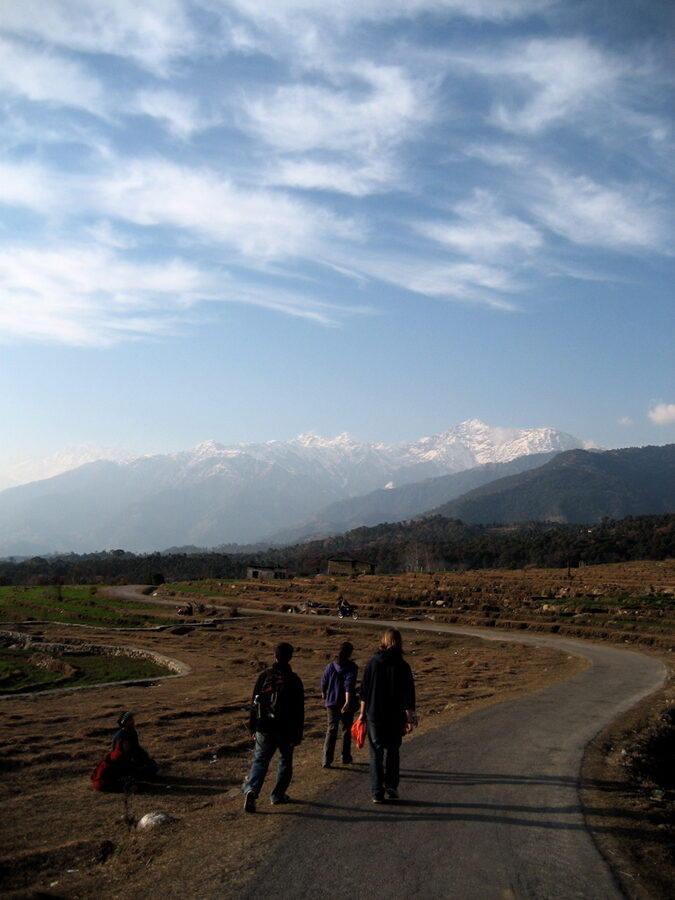
Bir is in Kangra district at the western end of Himachal Pradesh, two hours by road from Dharamshala and the Dalai Lama’s residence. The same Dhauladhar range that frames McLeod Ganj continues east and rises directly behind Bir, and on a clear morning you can watch the snow line crawl down the wall as the sun comes up.
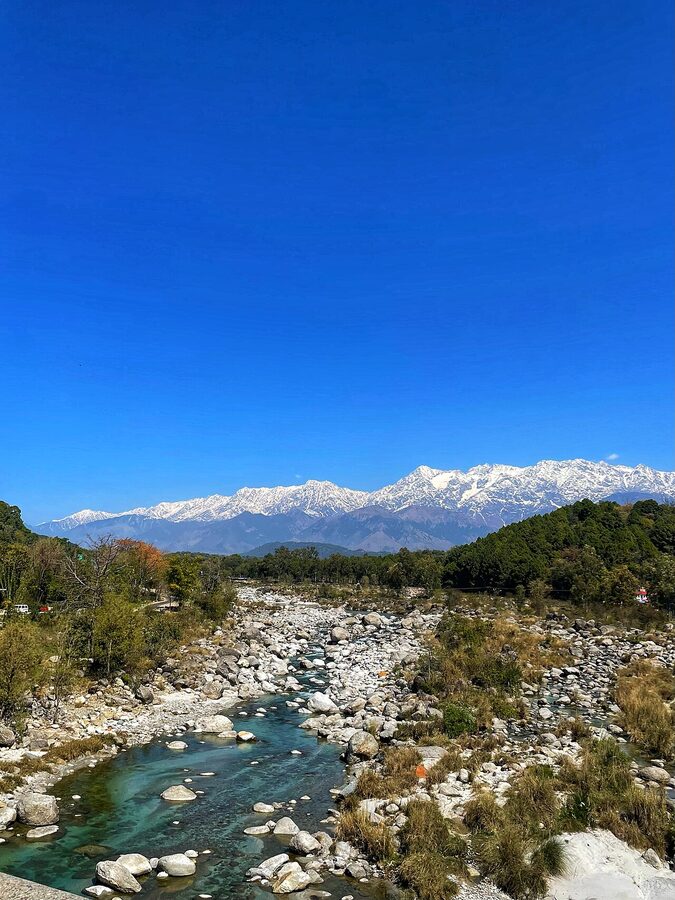

The naming gets confusing because “Bir” is shorthand for a small constellation of villages and the locals don’t all use the term the same way. Bir proper, the original 17th-century settlement, sits on the upper slope above the bazaar. Below it is Lower Bir, then Chowgan village, and at the western edge of Chowgan is the Bir Tibetan Colony, which is what most tourists mean when they say “Bir.” Bhattu, where Sherab Ling Monastery is, sits a few kilometres west. Bir Road Bazaar, on the highway down the hill, is where the bus drops you and where you change for local transport up.
If you tell a taxi driver “Bir,” expect to be taken to the Tibetan Colony, since that is where most foreigners stay. If you want the older, quieter Bir bazaar above, say “Upper Bir.” If you want the monastery in the pine forest, say “Sherab Ling” or “Bhattu.” It saves a couple of confused conversations on day one.
The Tibetan Colony
The Colony was established in 1962 by Tibetan refugees from the Kham region of eastern Tibet who came over the Himalayas after the Chinese occupation. India gave them this strip of land and they built a settlement around what became the Chokling Monastery. Today the Colony is the cultural and tourist heart of the Bir area. Walk a single 1.5 km loop through the Colony and you pass three working monasteries, half a dozen Tibetan-owned cafés serving thukpa and momos, the Deer Park Institute, and the paragliding landing site. The traffic is mostly motorbikes, scooters, and packs of young monks in maroon robes walking to morning prayers.

Paragliding in Bir-Billing: what you actually need to know
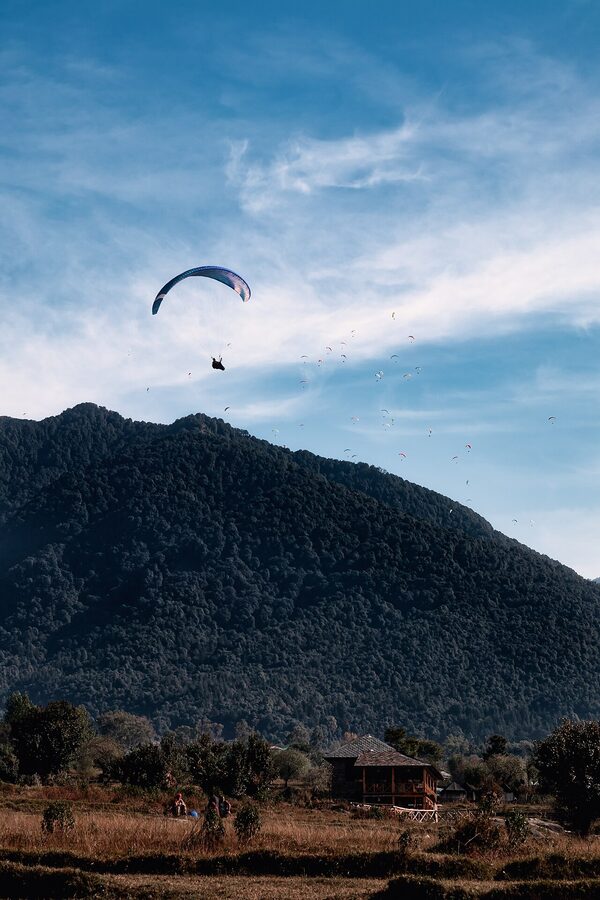
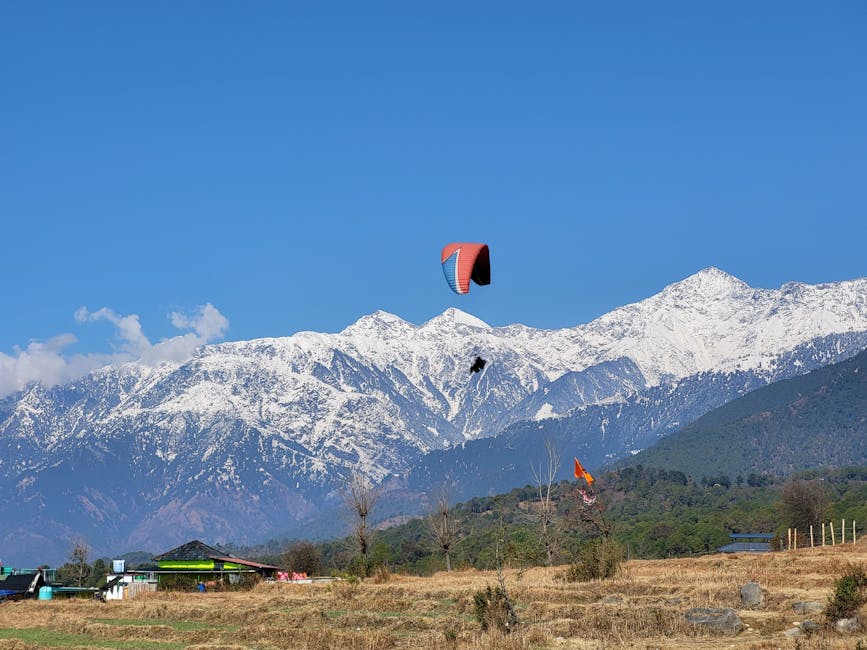
Bir hosted the Paragliding World Cup in 2015 and has been on the global pilot circuit ever since. In a normal autumn season Billing has 200 to 300 pilots on launch on a good day, including international visitors who fly in for the spring and autumn windows. The site reputation is solid: a long, continuous front ridge that runs roughly 100 km east-west, reliable thermals from late morning, and the option to either stay on the easy front face or commit to flying “into the back” (the high mountains behind), where retrieves can be a multi-day walk on foot or by mule if you go down.
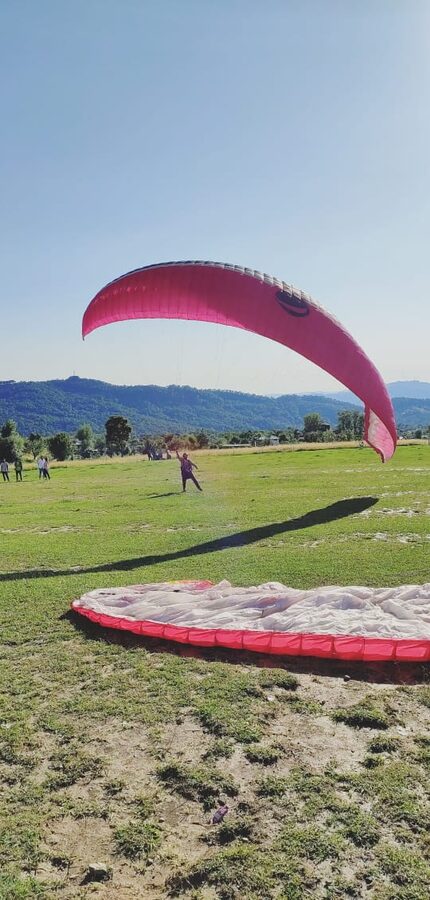
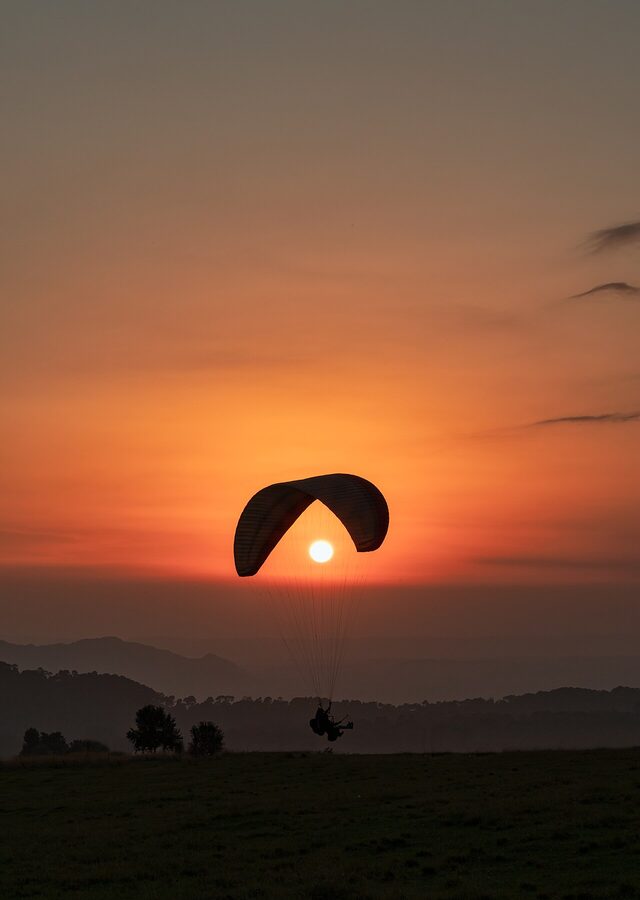
For the visitor who has never flown before, none of that matters much. You’re booking a tandem flight: 30 to 60 minutes in the air with a certified pilot doing all the work, taking off from Billing, landing at the Bir landing site, and getting a GoPro video if you paid the extra ₹500.

What a tandem flight costs in 2026
Tandem prices are quoted on a sliding scale based on flight time and how far the pilot takes you. A short joy flight is 10 to 15 minutes in the air and the cheapest option. A standard flight is 20 to 30 minutes, which is what most operators sell as the default. A long cross-country flight pushes 45 to 60+ minutes and includes a longer track along the Dhauladhars.
| Flight type | Air time | Cost (INR) | USD equivalent |
|---|---|---|---|
| Short / joy flight | 10–15 min | ₹2,500–3,500 | ~$30–42 |
| Standard tandem | 20–30 min | ₹3,500–4,500 | ~$42–54 |
| Long / cross-country | 45–60+ min | ₹5,000–6,500 | ~$60–78 |
| GoPro video add-on | – | ₹500 | ~$6 |
A few things to know. Prices are negotiable on weekdays and outside peak season, operators on the landing site itself often quote 10 to 20% lower than agencies in the Colony. The transport from Bir up to Billing for take-off is included in the flight cost, normally a 40-minute taxi ride. Eat light before the flight; the thermals can make you queasy and the take-off is a running launch off a steep grass slope. If you weigh more than about 90 kg, expect a ₹500 surcharge.
For booking, you can show up at Bir landing site any morning in season and book on the spot, or pre-book through the Billing Paragliding Association’s member operators. Parabooking is the most established specialist platform listing certified pilots; Adventure Nation aggregates tandem packages with hotel pickup. Stick with operators registered with the Billing Paragliding Association. Touts on the landing site occasionally undercut the certified rate by 30%, and the safety record is the reason not to take that bet.
When to fly
The two clean windows are March to mid-June and October to mid-November. In these months the thermals are strong, the cloudbase normally sits around 4,000 m, and the front-range conditions are predictable enough to put a beginner in the air without drama. October is my pick if you want one set of dates: the air is cool, the views into the back range are sharp, and the post-monsoon greenery hasn’t burned off yet.
The site officially closes for tandem flights from 15 July to 15 September (monsoon season), when conditions become unsafe and most operators pack up. Winter (December to February) is technically open but flights are limited; some pilots fly on the warmer winter days for the surreal experience of gliding over snow-dusted monasteries, but availability is patchy and you should not plan a winter trip around getting in the air.

Safety: the part most guides skip
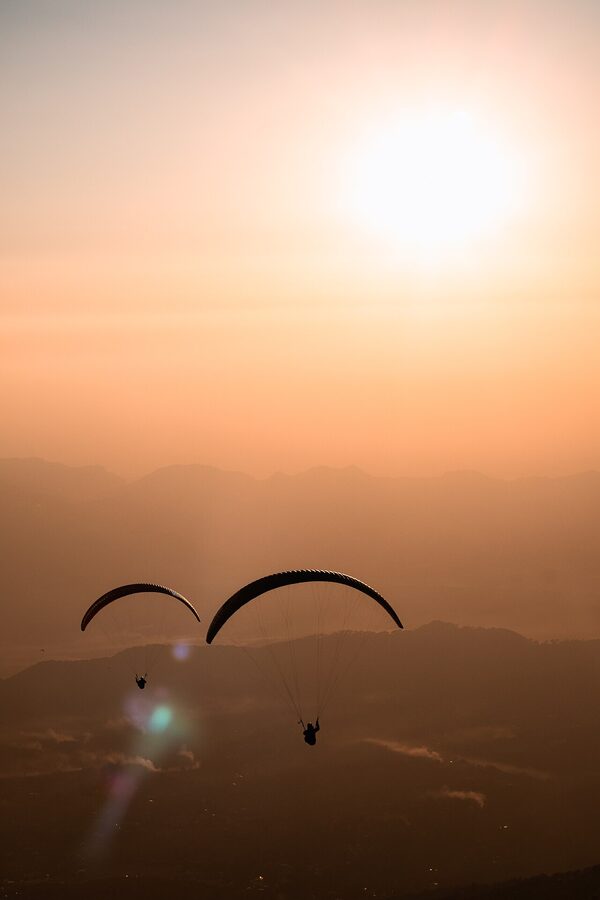
Bir is a serious flying site, not a theme park, and that needs saying. Several pilots have gone missing here over the years, mostly experienced flyers who pushed into the back range and could not get out. For a tandem passenger flying the front ridge with a certified pilot in fair weather, the risk is genuinely low and comparable to other commercial tandem sites worldwide. The risk goes up sharply if you’re: solo on your own wing without local knowledge, flying into the back, flying in marginal weather to “make it work,” or flying with an uncertified operator. The Indian helicopter rescue infrastructure is not the Alps; getting out of a back-range crash site can take days.
The plain practical advice for a tandem visitor: book through a Billing Paragliding Association operator, fly in season, do not fly on a windy or visibly cloudy day even if the operator is keen, and remember you can say no on the launch and walk back down. Nobody will mind.
The monasteries
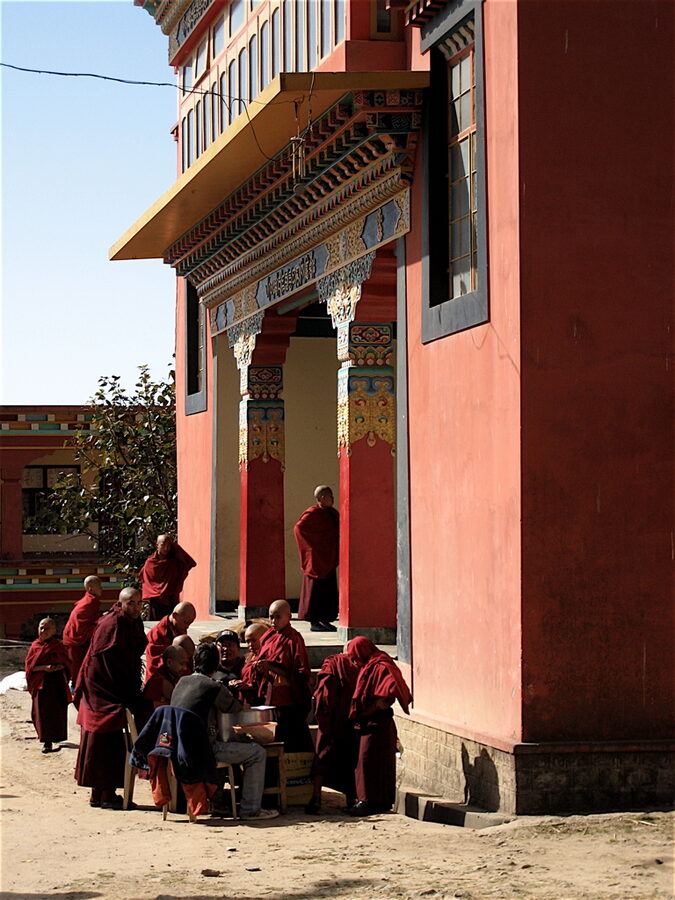
If paragliding is the obvious reason to come, the monasteries are the reason most long-stay travellers don’t leave. There are at least eight working Tibetan Buddhist monasteries within a 7 km radius of Bir, plus the Deer Park Institute, which does Indian-tradition wisdom courses on the same campus footprint. Each was founded by a different lama from a different lineage. Walking into a working morning prayer at any of them (sat at the back, not the front, and quiet) is a different experience from a guided “monastery tour” anywhere else in Himachal.
Palpung Sherab Ling, Bhattu
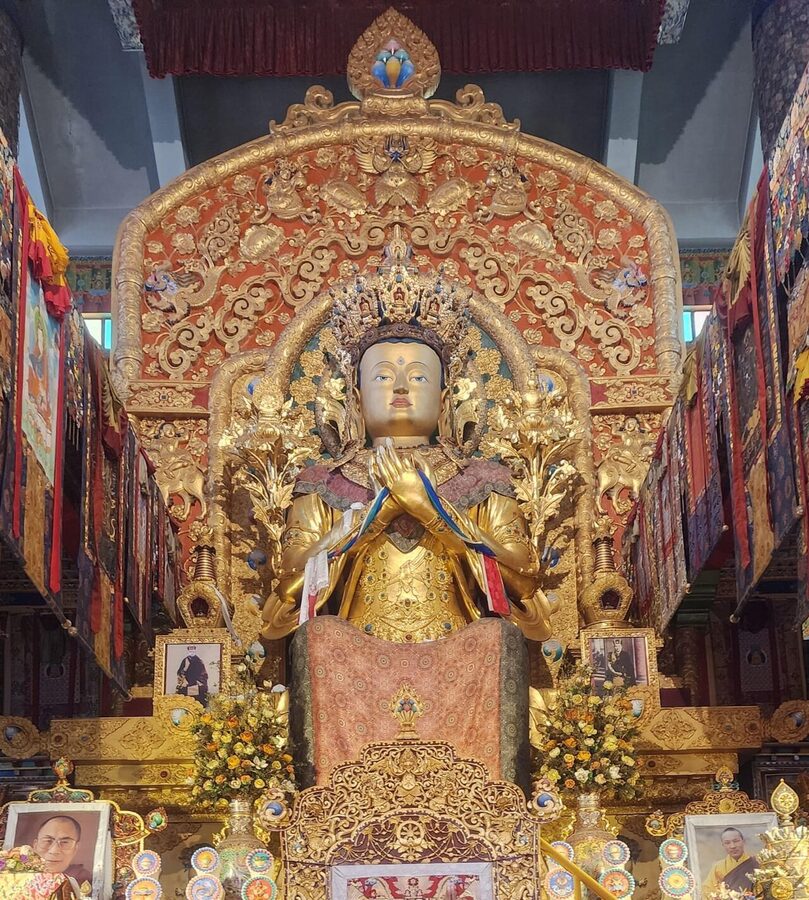
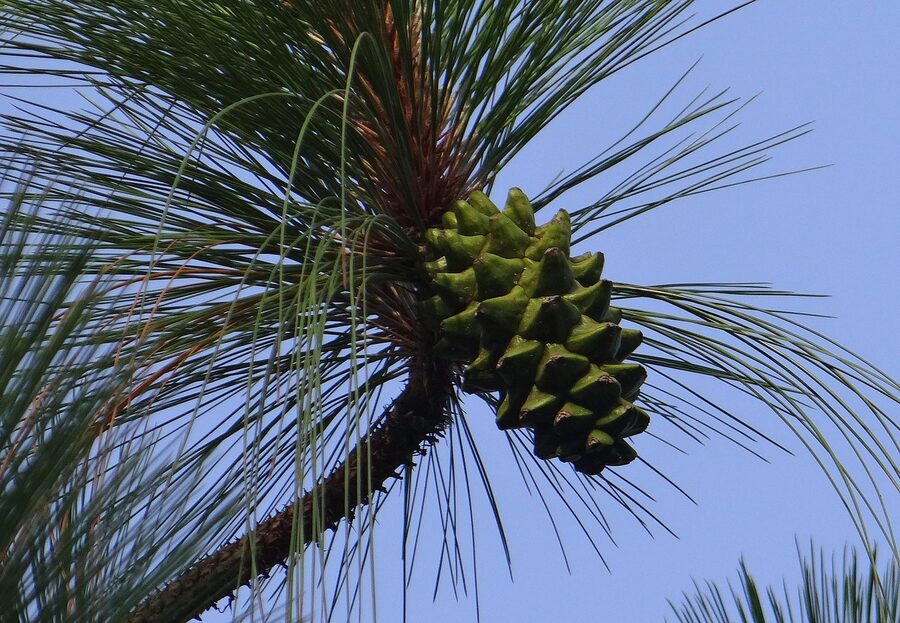
The biggest of them, and the one to see first if you only have time for one. Sherab Ling sits 5 km west of Bir in the village of Bhattu, set inside 30 acres of pine forest at about 1,400 m. It is the exile seat of the 12th Chamgön Kenting Tai Situpa, one of the regents of the Karmapa lineage of the Karma Kagyü school of Tibetan Buddhism. The main hall houses an enormous gilded Buddha statue that easily fills the room, and the campus runs a community of around 1,200 monks and a major scholastic and meditation programme. There’s a guesthouse on site if you want to stay overnight, and a simple restaurant where the butter tea is the thing to order.


To get there from Bir, walk the level path through the tea gardens, about an hour at a steady pace and one of the loveliest walks in the area. A taxi from the Colony is around ₹400 (~$5) round trip. Photography inside the main hall is sometimes restricted; check the sign at the door.

Chokling Monastery
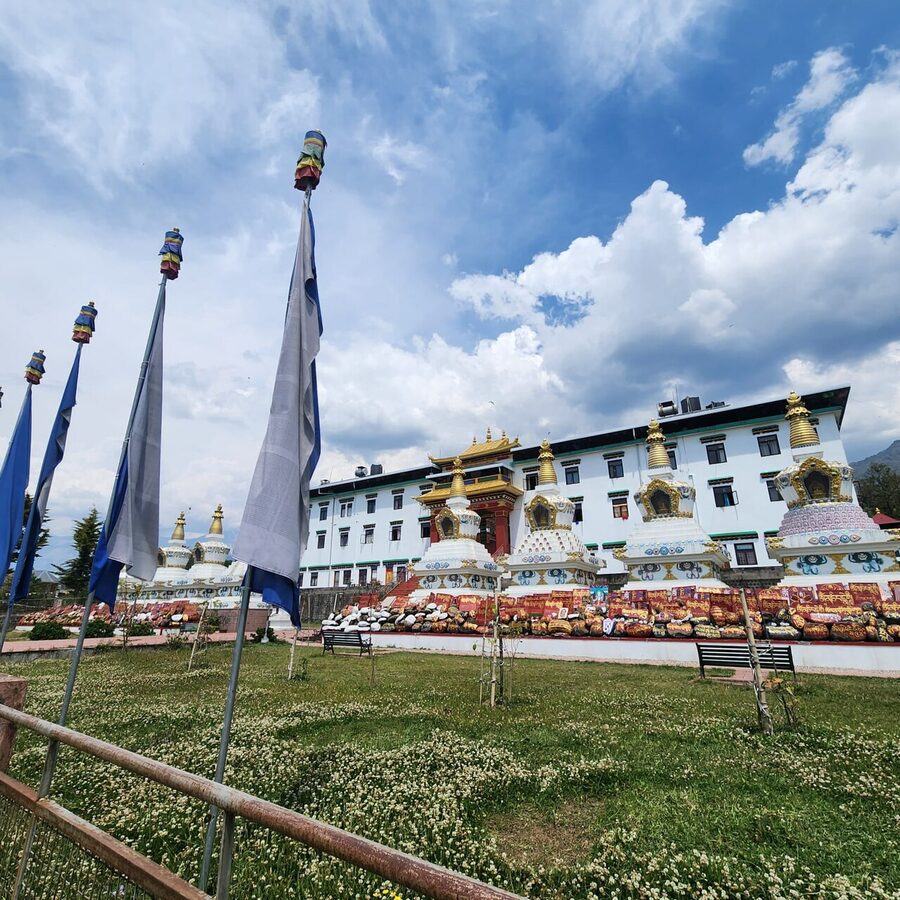
The original monastery of the Tibetan Colony, built in the 1960s by Neten Chokling Rinpoche, an incarnate lama of the Nyingma school. It sits at the centre of the Colony, a five-minute walk from anywhere you’ll be sleeping. The signature feature is a row of eight white stupas in front of the main hall and an oversized Padmasambhava statue inside. Late-afternoon light on the stupas is the photograph everyone takes; the better hour is dawn, when the prayer service is on and you’ll have the courtyard to yourself bar a few sweepers.

Dzongsar Khyentse Chökyi Lodrö College of Dialectics, Chauntra
Seven kilometres east of Bir in Chauntra village, this is a working monastic university rather than a stop on a sightseeing trail. It’s a higher-studies college that pulls scholar-monks from over 300 monasteries across the Himalayan world, and it is one of the most respected institutions in contemporary Tibetan Buddhism. If you can time a visit to catch the late-afternoon debate session, do, students in pairs make philosophical statements and slap their hands together to drive home the point, and the entire courtyard fills with the sound of it. There’s also a basketball court the young monks use after dialectics, which is the most pleasantly disorienting thing you’ll see this week.

Tsering Jong, Dirru, and Palyul Chökhorling
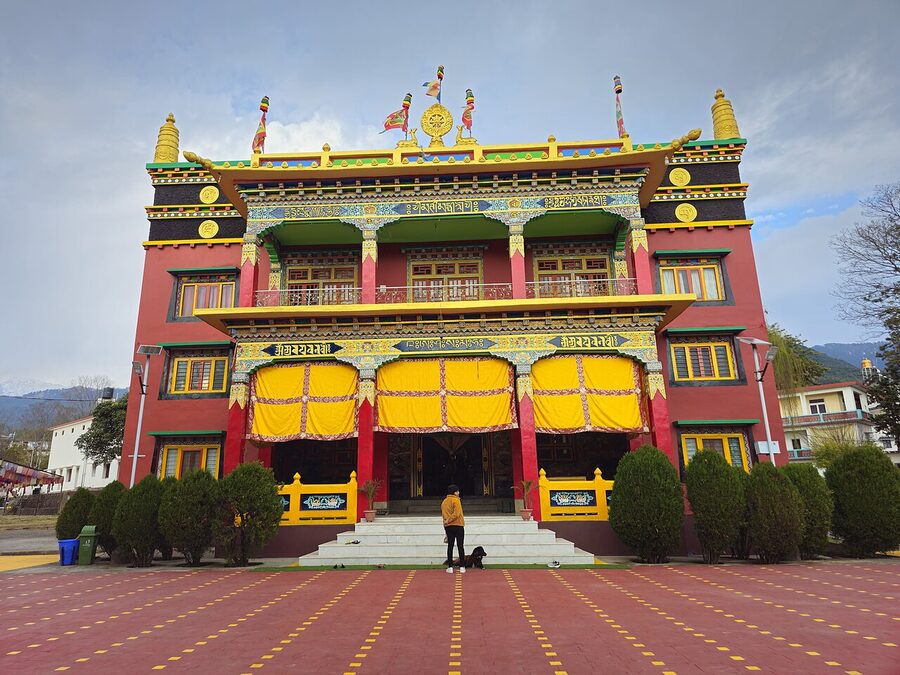
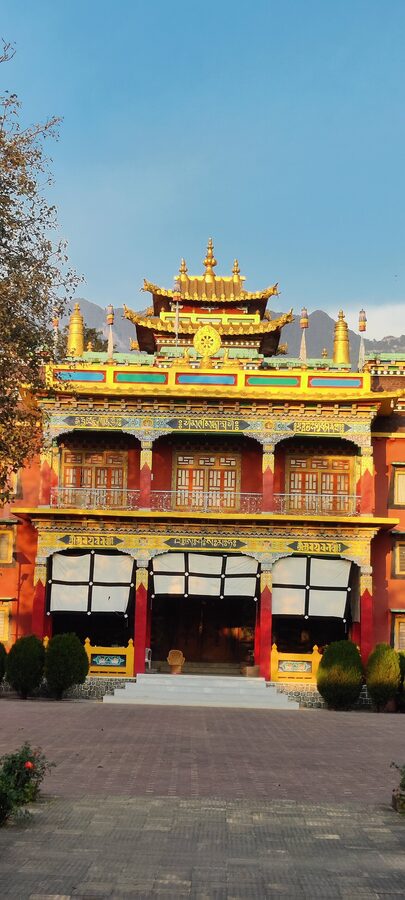
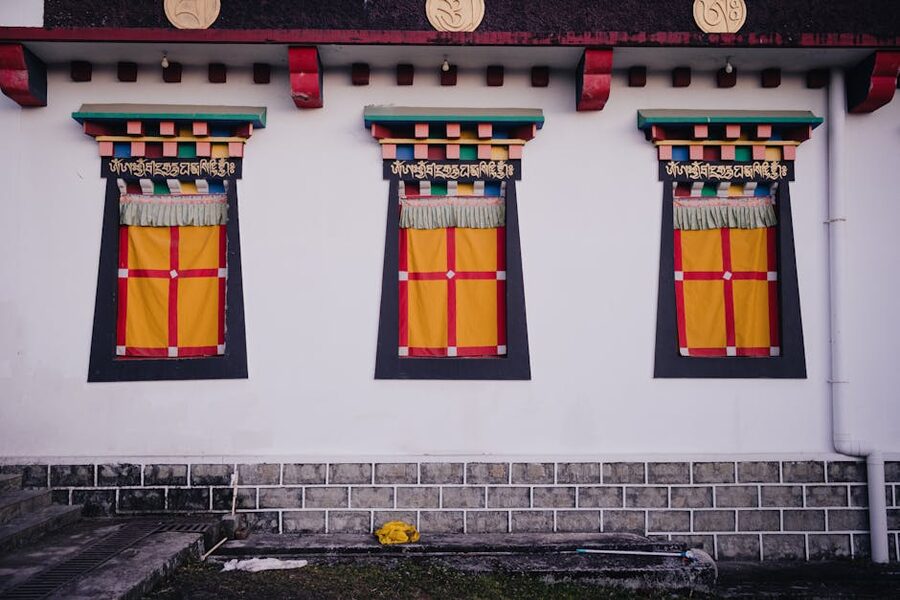
The smaller monasteries in and around the Colony are worth ten or fifteen minutes each rather than full visits. Tsering Jong sits at the corner of Colony Road and the Chowgan tea gardens, and the wall murals are the standout, bright primary colours, intricate sculpted detail. Sakya Dirru (technically Dirru Samdup Dechen Choekhor Ling) is the bright-blue monastery you’ll stumble into if you cut through the fields between the Colony and the bazaar; it’s quieter and rarely visited. Palyul Chökhorling is on the main Colony road across from Hotel Surya Classic, and the line of paragliders coming down behind it makes for one of the only photographs you’ll get that says “Bir” without needing a caption.

Deer Park Institute
Not a monastery, Deer Park is a study centre founded by Dzongsar Khyentse Rinpoche in 2006 with the explicit aim of recreating the cross-tradition learning culture of ancient Nalanda. The course list runs from week-long Sanskrit immersions to single-day workshops on Thai massage, sound healing, and classical Indian dance. Even if you don’t sign up for anything, the campus is open to walk through, and the canteen serves an excellent vegetarian buffet lunch and dinner, book your plate by mid-morning if you want to eat there. Ask about the meditation caves at the back of the property.
Treks and day hikes
The trekking around Bir runs from a one-hour stroll to a multi-day camp, all of it through pine forest, rhododendron belts, and old shepherd grazing pastures. The trails leaving from Bir are mostly unsignposted, so either go with a local or take screenshots of the map at the hostel before you leave.
Bir to Billing on foot: 14 km, 4 to 5 hours
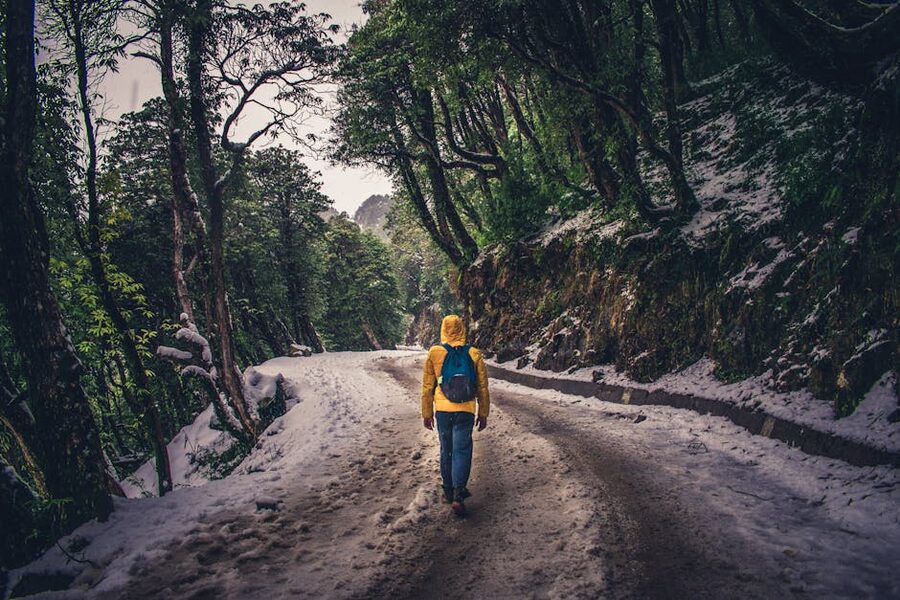
The classic route. You climb 900 metres up a forest path that roughly follows the road but cuts the switchbacks. Pine and oak the whole way, with rhododendron in early spring (late February to early April) and the chance of a langur troop crossing the path mid-morning. Most people walk up and either fly down on a tandem or take a shared taxi back. Doing it the other way (bus up to Billing and walk down) is also fine and saves the climbing.
Rajgundha: overnight
The most-recommended multi-day trek out of Bir. From Billing, the trail drops into the upper Uhl Valley and reaches the semi-nomadic village of Rajgundha in 4 to 5 hours. The village has a handful of homestays and a campsite; from there you can either turn around the next morning or push on to Kukkar Gundha or further into the Bara Bangal route. The trail goes through the Dhauladhar Wildlife Sanctuary, so expect to see Himalayan tahr if you start early. On a clear night Rajgundha is one of the better stargazing spots within a day’s walk of any Indian road.
Hanumangarh and other day hikes
Several shorter options for half-day legs:
- Hanumangarh trek from Billing, 5 to 6 hours round trip to an old hilltop pilgrimage site with a clean panorama of the Dhauladhars. The trail is long but easy.
- Mangroli Mata Temple sunset hike from Kaflaun village, 90 minutes up to a ridge temple, popular for sunset.
- Palpung Sherab Ling forest walk, the level path from the Colony to the monastery through the tea gardens, about an hour each way. The easiest “trek” on the list and arguably the prettiest.
- Gunehar Waterfall, a 30-foot fall reachable in a 1.5 km walk from Bir bazaar. Refreshing in summer; small and underwhelming the rest of the year.
- Bangoru Waterfall in Gunehar village, and the natural pools behind the Bir Khas cemetery, both ten-minute scrambles from the road and good swimming spots in May and June.

Pro tip on monsoon hiking: the leech population in Bir’s forests is real between July and early September. Tuck trousers into socks, carry a small bottle of saltwater spray, and check yourself before you sit down on anything green.

Cafés, food, and slow days
Bir’s café scene is the reason a three-day trip turns into a ten-day one. Most of it clusters in three places: the Tibetan Colony itself, the row along landing-site road, and a couple of outlier addresses in Gunehar and Bhattu that justify the bike ride. The food is heavy on Tibetan staples (momos, thukpa, butter tea), expanded with continental breakfasts, wood-fired pizzas, and the now-near-mandatory house-baked sourdough. A meal for two in a sit-down café runs ₹400 to ₹700 (~$5 to $8); a Tibetan dhaba plate is ₹100 to ₹200.
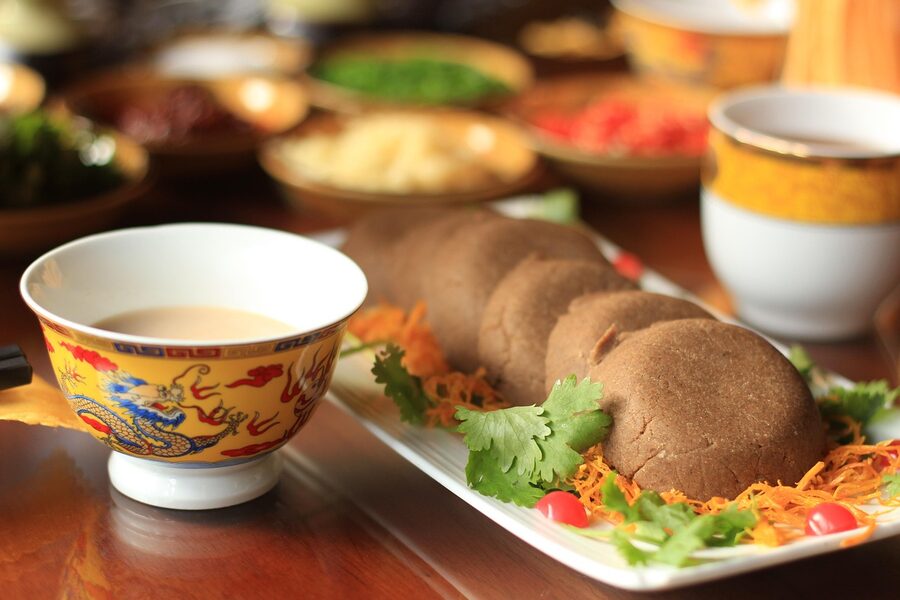
The places I keep going back to:
- Garden Café in the Tibetan Colony, long-stayers’ canteen for Tibetan bread egg rolls, fresh salads, and wood-fired pizzas. Small art gallery in the courtyard. Closes around 8 pm like most of the village.
- Silver Linings, quiet, good for working, the homemade iced tea and lentil bean burger are the order. The book shelves at the back are unfortunately tempting and you may lose an afternoon.
- Avva Café for South Indian breakfast, set dosa, filter coffee, and an upper-deck table looking out over the landing site. The sunset slot fills up early.
- Bhoomi Café for Korean, the japchae and dan dan mein are the real deal, and there are house-made desserts that rotate daily.
- Joy Café in the Colony, Tibetan, including glass noodles and proper momos. Cheap, busy at lunch, no English menu but the staff are patient.
- The 4 Tables in Gunehar village, wood-fired pizzas, minimum four pizzas per booking, you pre-order. It is a 10-minute drive from the Colony and the views from the terrace are arguably the best in the area.
- Milan Café on the landing site, surprise hit for fresh wood-fired pizzas right where the canopies are coming down.
- Chachu Chai at Billing take-off, the original (and famous) chai stall on the launch ridge. Maggi noodles and an omelette is the standard pre-flight order.
Bir does not have a nightlife as such. Most cafés close by 8 or 9 pm, and dinner happens early. Zostel’s kitchen serves until 10:30 pm, which makes it the late-night exception.
Where to stay
Accommodation tracks three audiences: backpackers and solo travellers in hostels, mid-range visitors in homestays and small hotels, and the occasional luxury booking at a resort or eco-property. The 2026 going rates:
| Type | Per night (INR) | USD equivalent | Where |
|---|---|---|---|
| Hostel dorm bed | ₹400–800 | ~$5–10 | Tibetan Colony, Upper Bir |
| Budget homestay | ₹800–1,500 | ~$10–18 | Chowgan, Upper Bir, Bhattu |
| Mid-range hotel | ₹2,000–4,000 | ~$24–48 | Colony main road, landing site |
| Camping / glamping | ₹1,500–2,500 | ~$18–30 | Gharnala, Chowgan, Gunehar |
| Resort / luxury | ₹4,500–9,000+ | ~$54–108+ | Tea gardens, Upper Bir |
Hostels
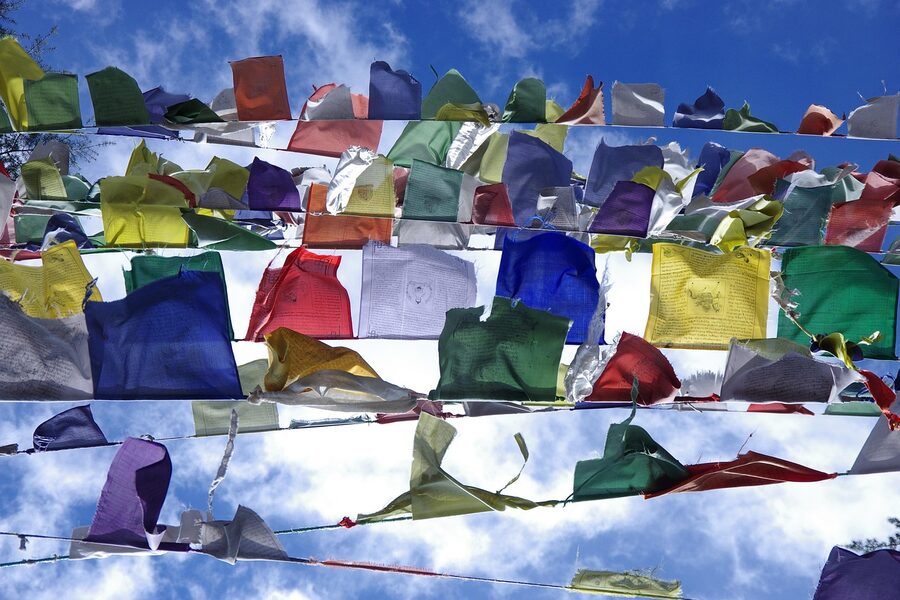
For solo travellers and budget bookers, the hostels are some of the best in Himachal, clean, social, and well-run. Zostel Bir (Official site | Booking) is the obvious pick, dorm beds from ₹400, a rooftop common area with prayer flags strung over the seating, and breakfast through dinner served in-house. goStops Bir Landing Site (Official site | Booking) is the other strong option, ten minutes from the landing site itself. The Hosteller Bir and Sparrow House are the other two often mentioned.
Homestays and mid-range
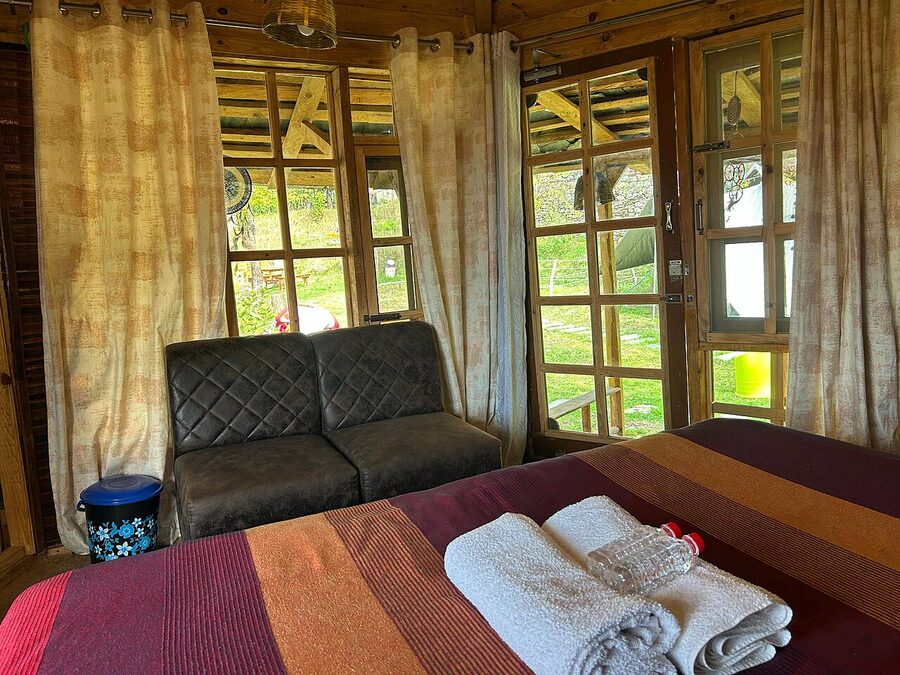
The Tibetan Colony has dozens of small guesthouses and family homestays. Hotel Surya Classic on the Colony’s main road is the long-running mid-range option, basic rooms, hot water, a decent restaurant, and the most-recognised landmark address in the village. The trip.com listing is the cleanest non-tracking link if you want to book remotely (Trip.com). For homestays, Mohinder Homestay, Hari Om Homestay, and Bhawani Guest House in Upper Bir are family-run with simple rooms in the ₹500 to ₹1,500 range; you’ll want to book by phone or just walk up.

Resorts and longer-stay properties
For a step up, The Colonel’s Resort (Official site) is the senior upscale property, set in tea gardens 10 minutes from the Colony, with cottage rooms and the area’s only fine-dining restaurant. Tatva Resort and La Maison sit in the same bracket. Sherab Ling Guesthouse in Bhattu is a rare option to stay on a working monastery campus, basic rooms, full board, and you wake up to the prayer drums. For sustainable-living types, the Dharmalaya Institute in Ghornala village offers volunteer placements and full-board residence in mud-and-stone cottages built on the property; book through their website months in advance.
For the broader picture of Himachal stays, our guide to hotels in Himachal Pradesh covers the regional patterns and which platform tends to win on which kind of property.
How to get to Bir-Billing
Bir is well-connected by road from the major north-Indian cities, less well-connected by rail or air. The single best option for most overseas visitors is to fly into Delhi, then take an overnight bus or a domestic flight to Kangra. Below is the full route map.
From Delhi (520 km, 11–13 hours)
The standard option is the overnight Volvo semi-sleeper bus from Majnu Ka Tila (the Tibetan settlement in north Delhi) straight to the Bir Tibetan Colony. The fare in 2026 is ₹1,500 to ₹2,500 (~$18 to $30), buses leave around 6 to 7 pm and arrive in Bir between 6 and 8 am. HRTC also runs a public Volvo from Delhi Kashmere Gate ISBT for around ₹900 to ₹1,100 (~$11 to $13). Alternatives are: train to Pathankot (six hours), then a four-hour taxi or local bus; or the SpiceJet flight from Delhi to Kangra (Gaggal) Airport (60 minutes) followed by a 65 km road transfer.
From Chandigarh (280 km, 6–8 hours)
Direct overnight Volvo buses run from Chandigarh’s Tribune Chowk in the evening, fare around ₹500 to ₹700 (~$6 to $8). HRTC has a daytime service via Mandi for the same price range. Self-driving via NH3 is genuinely pleasant. The road is in good shape and the climb starts about Bilaspur.
From Dharamshala / McLeod Ganj (70 km, 2–2.5 hours)
This is the route most international travellers take. A private taxi from Dharamshala to Bir runs ₹1,500 to ₹2,000 (~$18 to $24) and takes a comfortable two hours. The HRTC bus from lower Dharamshala bus stand goes via Palampur and Baijnath, two daily departures (6 am and 2 pm), about four hours, ₹120 (~$1.50). Sharing a taxi from McLeod Ganj is the easy middle ground. Ask at any guesthouse and someone will be putting a car together.
By air: Kangra (Gaggal) Airport
The nearest airport is Gaggal, also known as Kangra or Dharamshala Airport (DHM), 65 km from Bir. SpiceJet and IndiGo run daily Delhi-Kangra flights, sometimes with seasonal weather cancellations because the runway is short and visibility-dependent. From the airport, taxis to Bir run ₹1,800 to ₹2,200 (~$22 to $26); HRTC buses head to Dharamshala from where you can connect onward.
By train: the Kangra Valley toy train
The narrow-gauge Kangra Valley Railway runs from Pathankot to Joginder Nagar and stops at Ahju, three kilometres from Bir. The full Pathankot-Ahju run takes about seven hours, and the carriages are slow, basic, and cheap (tickets from ₹35). It is not a practical way to actually reach Bir if you’re on a tight schedule; it is one of the most scenic rail journeys in India if you’ve allowed it the time. From Pathankot Junction (the broader-gauge mainline station) most people skip the toy train and take the four-hour taxi instead.


Getting around Bir once you’re there
The village itself is small enough to walk everywhere. The Colony, the landing site, and Chokling Monastery are all within a 1 km radius. For trips further out (Sherab Ling, Chauntra, Gunehar, the bazaar), the standard options are:
- Rent a scooter. ₹600 to ₹800 a day (~$7 to $10). The most useful option if you want to roam. Several rental shops in the Colony; the one below Paloma Bistro is reliable and willing to negotiate. Carry an international driving permit if you’re an overseas visitor.
- Rent a small bike. ₹800 to ₹1,000 a day (~$10 to $12). Better for the Billing road if you want to ride up.
- Local taxi. ₹100 (~$1.20) for a single trip within the Colony and surrounds; ₹400 to Sherab Ling round trip; ₹800 to ₹1,200 for Bir to Billing return.
- Local bus. Cheap (₹15 to ₹40) but infrequent. Catch them at the Bir Road bus stop down the hill, or at Chowgan Chowk for limited up-to-Billing services.
- Walk. Genuinely the best option for everything within 3 km. The level walk through the tea gardens to Sherab Ling is one of the highlights of a trip here.
When to visit
Bir is a year-round destination if your trip isn’t centred on flying. If it is, the windows narrow.
| Season | Months | What to expect |
|---|---|---|
| Spring (peak) | March – mid-June | Strong thermals, paragliding open. Rhododendron in bloom in the higher forests in March-April. Days warm, nights cool. Best photographic light. |
| Monsoon (skip) | July – mid-September | Paragliding closed (15 July to 15 September). Heavy rain, leeches in the forests, some café closures. Lush green landscapes if you don’t mind getting wet. |
| Autumn (peak) | October – mid-November | The pick window. Stable thermals, sharp clear views of the Dhauladhars, comfortable temperatures. Wedding-season for international pilots. |
| Winter | December – February | Cold (2–8°C). Limited paragliding. Quieter cafés. Snow on the higher peaks visible from Bir; some snowfall on Billing ridge but rarely on Bir village itself. |
The plain steer: if you have a choice, come in October. Second choice is late March or April. Avoid July and August unless you specifically want a quiet, cheap, monsoon trip with the cafés half-empty.
Bir-Billing vs Manali: which one for you?
Most first-time visitors to Himachal end up choosing between Bir-Billing and Manali for their adventure-flavoured stop. They sound similar on paper: both have paragliding, both are mountain towns, both are well-connected from Delhi. They are very different in practice.
| Bir-Billing | Manali | |
|---|---|---|
| Altitude | 1,525 m (Bir) / 2,428 m (Billing) | 2,050 m (Old Manali, Solang ~2,560 m) |
| Paragliding scene | World-class, long-format flights, certified pilot community, autumn season is the international circuit | Beginner joy-flights from Solang Valley, shorter air time, more package-tourism feel |
| Cultural anchor | Tibetan-Buddhist (8+ working monasteries, refugee colony from 1962) | Hindu (Hadimba Devi, Manu Temple) plus old hippie-trail / Israeli-traveller subculture |
| Vibe | Quiet, café-and-monastery, slow stay | Busy, weekend-tourist, full-on hill-station feel especially in summer |
| Crowd profile | Long-stay travellers, pilots, retreat people, slow travellers | Honeymooners, families, weekend groups, school trips |
| Best for | Real flying, monastic culture, working from a café for a week | Snow play, full-itinerary hill station, Solang adventure park |
| Onward routes | Dharamshala, Tirthan Valley, Kullu, Parvati Valley | Lahaul and Spiti, Leh, Solang, Rohtang |
The short version: come to Bir for serious paragliding, Tibetan culture, and slow days. Come to Manali for a fuller hill-station experience, snow activities, and as a launchpad to Lahaul and Spiti. If you can fit both into a two-week loop, the typical good order is Delhi → Bir-Billing (4 days) → Manali (3 days) → onward to Spiti or back to Delhi via Mandi.
For a quieter alternative on the same wavelength as Bir, the next valley over is also worth a look. See our guides to Tirthan Valley and Kullu Valley. The full Himachal tourist attractions overview sets out the regional shape if you’re still picking your trip.
Day trips from Bir
Most people stay long enough that one or two day trips out of Bir start making sense. The strongest options:
- Dharamshala and McLeod Ganj (70 km, 2 hours), the seat of the Dalai Lama, with Tsuglagkhang Complex, the Norbulingka Institute, and the Triund trek. A full day or, more sensibly, an overnight.
- Palampur (30 km), the tea capital, with working tea gardens and a quieter hill-station feel than Bir’s tourist drag. Good for a half-day with lunch.
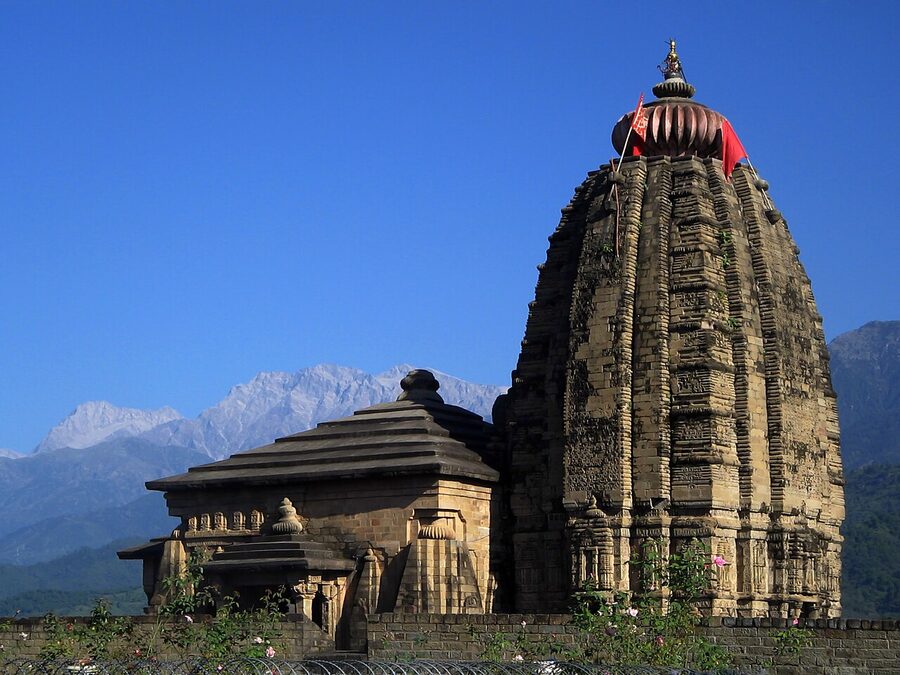
- Baijnath (12 km), an 800-year-old Shiva temple in Nagari-style stone, quiet and well-preserved, by the Gomati river. An hour’s stop on the way back from Palampur.
- Andretta Pottery Village (30 km), the artist Sobha Singh’s old village, now a small pottery cooperative running visitor workshops. Half a day with the lunch.
- Prashar Lake (100 km), three-hour drive each way, lake at 2,730 m surrounded by alpine meadows. Better as an overnight than a same-day return.

Practical kit: money, mobile, fuel, and the small stuff
A few details that catch first-time visitors out:
- ATMs are scarce and unreliable. There is one Kangra Cooperative Bank ATM at Gandhi Chowk in the Tibetan Colony, but it runs out of cash on busy weekends. The SBI Grahak Seva Kendra next to it can do counter withdrawals with no fee. The nearest reliably stocked ATM cluster is in Chauntra, 6 km away. Carry cash from Delhi or Dharamshala if you can.
- UPI and card payments work at most cafés and the bigger hotels, but not all. Dhabas and small homestays are cash-only.
- No fuel pump in Bir. The nearest is in Baijnath (16 km) or at Chauntra (6 km). If you’ve rented a bike or scooter, fill up in Baijnath before the climb up.
- Mobile network. Jio and Airtel both have full 4G coverage in Bir, the Colony, and along the Bir-Billing road. BSNL has the broadest reach if you’re trekking up to Rajgundha or beyond. Network drops out within ten minutes of leaving the road on most trails.
- Permits. Foreign nationals technically need a Protected Area Permit (PAP) to stay inside the Tibetan Colony itself, the same paperwork that applies to Dharamshala-Tibetan settlements. Most overseas visitors get around this by staying just outside the Colony, Zostel and the Upper Bir homestays are technically outside the PAP zone. Indian, Tibetan, Nepali, and Bhutanese passport holders don’t need one.
- Power and Wi-Fi. Power is generally reliable but cuts out for an hour or two during heavy weather. Wi-Fi at hostels and cafés is fast enough for video calls; the cellular 4G is often quicker.
- Altitude. Bir at 1,525 m is well below altitude-sickness thresholds. Billing at 2,428 m is borderline if you’ve gone up fast and are exerting yourself. If you’ve come straight from sea level, take the first day slow.
How long to stay
Two days will get you a tandem flight, one monastery visit, and a couple of café meals. You’ll see why people like Bir without really getting it.
Three to four days lets you do the flight, walk to Sherab Ling, visit two or three other monasteries, and have a slow day or two in the cafés. This is the right length for most first-time visitors.
A week is the right length if you want to actually do a Deer Park course, walk the Bir-Billing path on foot rather than just flying down it, get out to Rajgundha for a night, and come home with a sense of the place. A week is also when you start meeting the long-stay community (the writers, the meditation students, the pilots between competition seasons), and the village reveals what’s actually keeping them there.
Beyond a week, Bir starts being something different from a holiday. People come for ten days and stay six months. If you have the kind of work that travels and you’ve been thinking about a slow month somewhere in the mountains, Bir is one of the obvious candidates in north India for it.

FAQs
Is Bir-Billing worth visiting if I don’t want to paraglide?
Yes, and arguably more so. The monasteries, the café scene, the Deer Park courses, and the trekking are all worth the trip on their own. Plenty of long-stay visitors here have never been off the ground.
Is Bir-Billing safe for solo female travellers?
Yes, it’s one of the safer Himachal destinations for solo women. The community is mostly other travellers and Tibetan refugees, the village is small, and standard sense applies (don’t walk forest trails alone after dark, book accommodation in advance). Multiple long-stay female solo travellers have written about living in Bir for months without trouble.
How many days do I need?
Three to four days is the sweet spot for a first visit, enough to fly, see two or three monasteries, and have a couple of slow days. A week if you’re combining it with day trips to Dharamshala, Palampur, or Baijnath.
What’s the difference between Bir and Billing?
Bir is the village at 1,525 m where you sleep, eat, and where paragliders land. Billing is the take-off ridge at 2,428 m, 14 km up the road. You stay in Bir; you visit Billing.
Does it snow in Bir?
Snow is rare in Bir village itself. You might see a dusting in late January once every couple of years, but nothing reliable. Billing gets several snowfalls a year. The Dhauladhar peaks behind both villages are snow-capped from December to April.
Do international visitors need a permit?
Foreign nationals technically need a Protected Area Permit (PAP) to stay inside the Tibetan Colony at Bir, the same as for the McLeod Ganj refugee settlements. Most international visitors stay just outside the Colony (Zostel, Upper Bir homestays, the Bhattu and Gunehar properties) and skip the paperwork. PAPs are issued in Delhi and Dharamshala if you do need one.
What is the minimum age for paragliding?
Most operators put the minimum at 14 with parental consent, with a weight range of roughly 30 to 115 kg. Visitors over 90 kg often pay a small surcharge. There’s no upper age limit; pilots regularly fly tandem with passengers in their 70s on calm days.
Can I learn paragliding in Bir?
Yes, several Billing Paragliding Association schools run 10 to 15 day courses for solo certification (P1/P2 levels). Costs run ₹35,000 to ₹65,000 (~$420 to $780) including kit hire, instruction, and certification. Bir is one of the few sites in India where you can complete the full beginner-to-solo pathway in a single trip. Sky Summits and several BPA-affiliated schools take international students.
Bir is the rare destination where the marketing line, “more than just paragliding”, actually understates the case. Come for the flight, certainly. Stay for the morning prayer drums, the walk to Sherab Ling, the lentil bean burger at Silver Linings, and the realisation halfway through day three that you haven’t checked your phone since lunch.