
Don’t go in May. The town gets a quarter of a million visitors that month, the road from the south becomes one continuous queue of taxis, and Mall Road in the evening looks less like a hill station than the parking lot of a Delhi mall. Late September is when Manali becomes Manali again. The school holidays are over, the air is cool but not cold, the apples are coming off the trees, and the high passes are still open. If you can move your trip by even three weeks, you should.
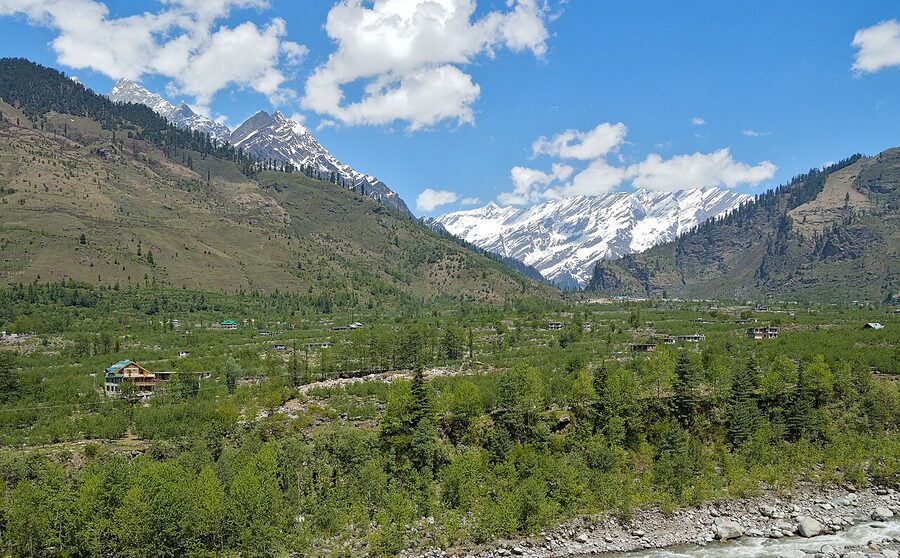
Manali sits at 2,050 metres at the head of the Kullu Valley, on the right bank of the Beas, and is the single most visited destination in Himachal Pradesh. The Himachal Pradesh tourism authorities count well over five million visitors a year between Kullu district and Manali itself, with a sharp peak in the May to mid-July school-holiday window and a smaller spike from late December through early February for snow tourism. The town has been a hill station since the 1840s, when it was a quiet apple-growing village with a few colonial-era cottages and a handful of temples. The road in from the plains was paved properly only after Indian independence. The boom that built today’s Manali, with its concrete hotels stacked up the slopes and traffic snarls on Mall Road, dates from the 1980s onward.
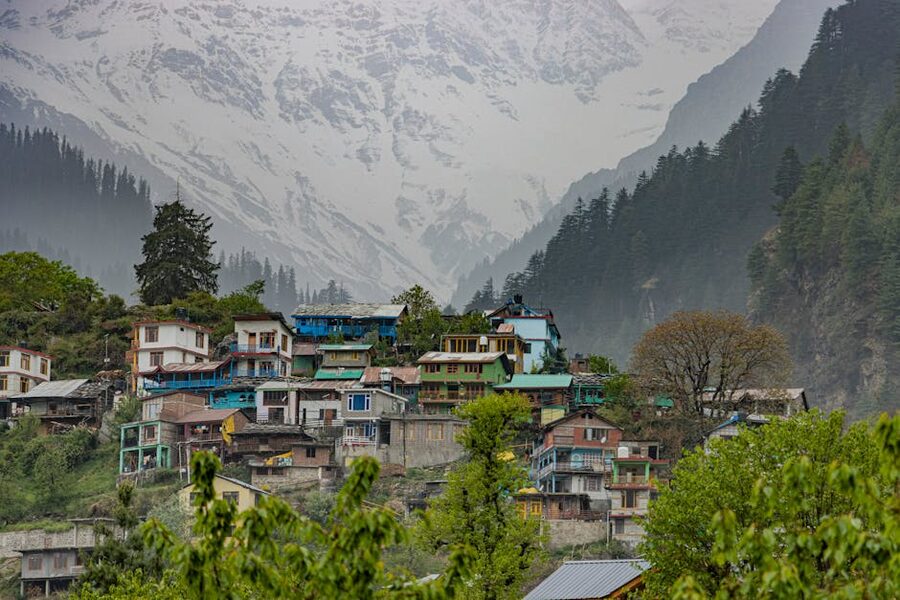
It is also, on the right week of the year and at the right altitude, one of the loveliest places in the western Himalayas. The river is loud. The deodar forest above Old Manali smells like damp resin all summer. The temples are real working temples, not staged for tourism. From the Solang ridge above town, on a clear morning, you can see all the way north to the snow line of the Pir Panjal range. This guide is for travellers thinking of going, who want to know what is genuinely worth their time, what to skip, when the weather is on your side, and where to base.
When to Go: Choose Your Manali Carefully
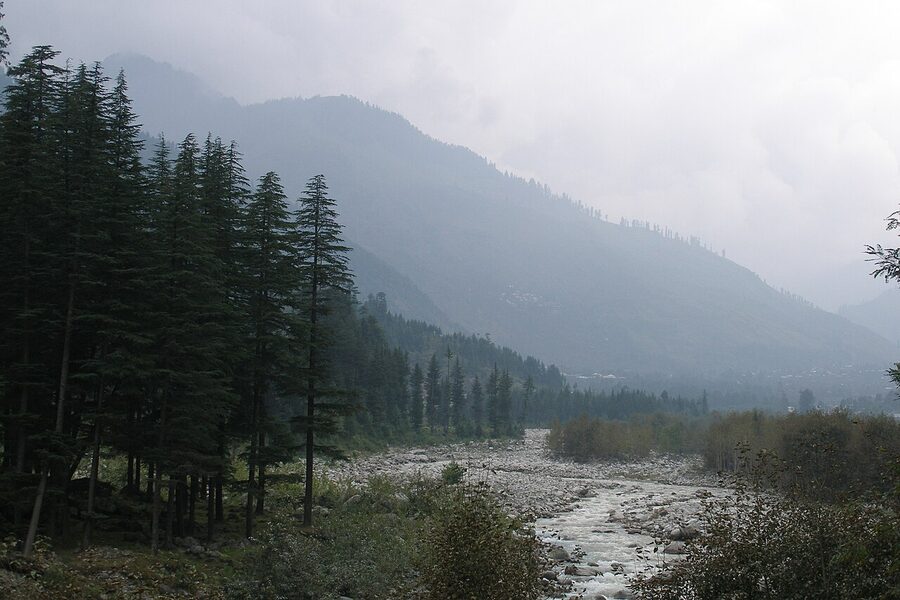
Most of what travellers complain about regarding Manali, including the crowds, the prices, the queues to enter Rohtang Pass, the poor air quality from idling buses, and the disappointing weather, comes down to going at the wrong time. There is no single best month; there are several different Manalis depending on when you arrive.
Late September to Mid-November: The Best Window
If you have a choice, go between the third week of September and the first week of November. The monsoon clears by mid-September, the sky stays clear most days, daytime temperatures sit between 15 and 22 degrees in town, the apple harvest is in full swing in the lower Kullu Valley, and the high passes are still open. Crowd levels drop sharply once the school holidays end. Hotel rates fall by half, sometimes more. Rohtang Pass is generally accessible until about mid-October, sometimes the first week of November, and the Atal Tunnel keeps Lahaul open year-round. October is the single best photographic month: the air is cleaner than at any other time of year, the Beas runs clear rather than monsoon-brown, and the deodars hold their green right up to the first snowfall.
December to February: For the Snow
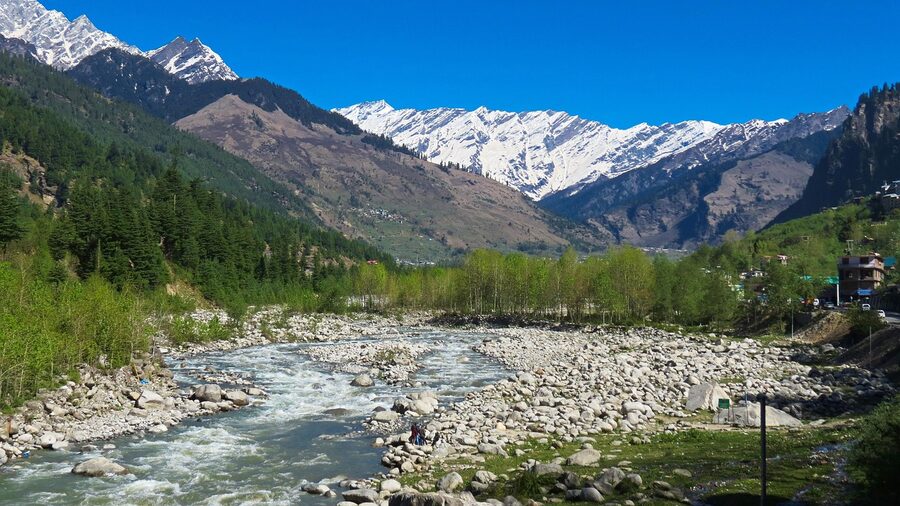
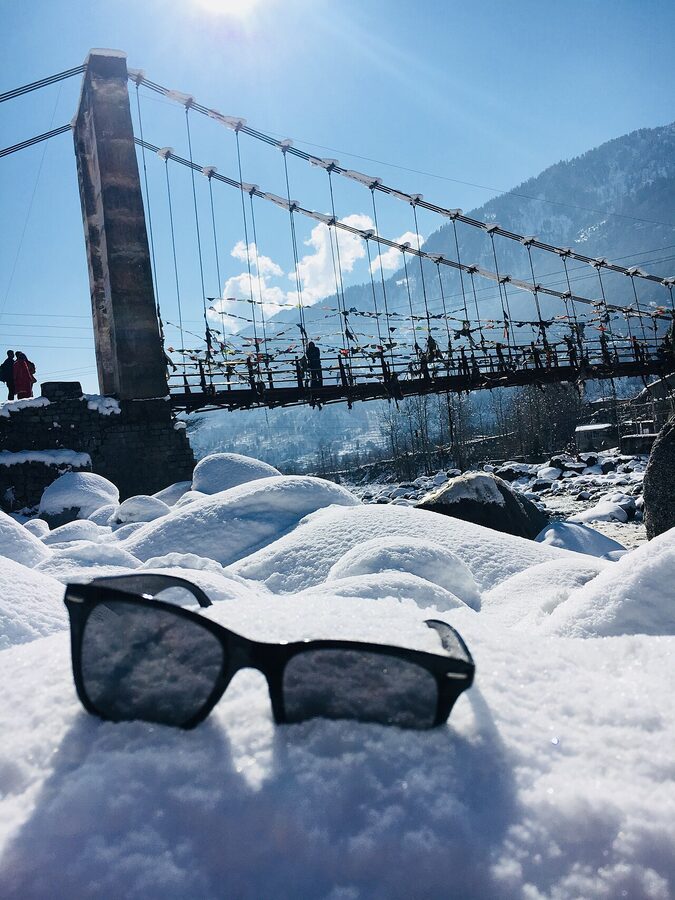
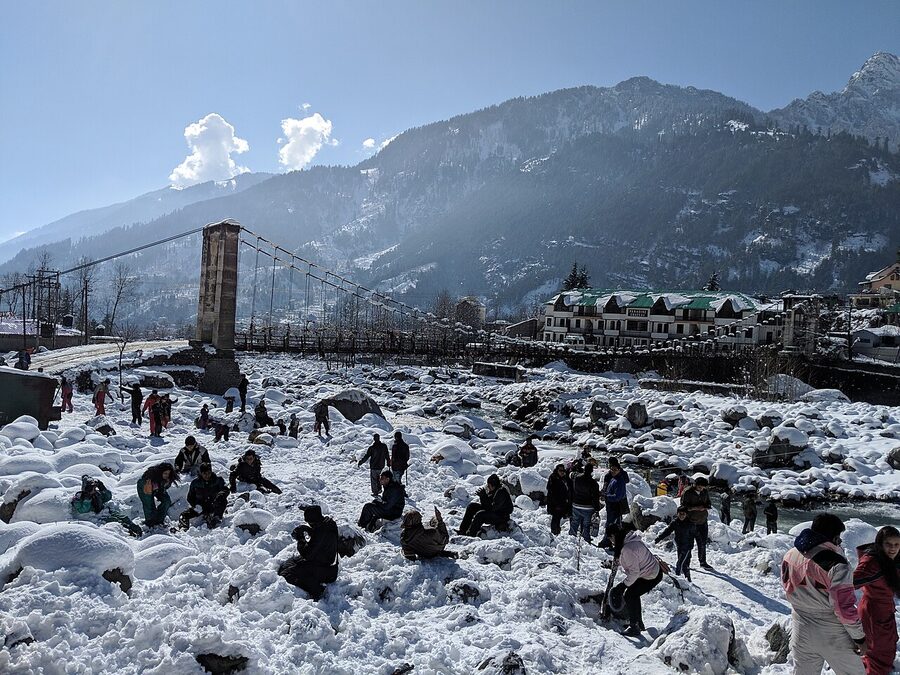
This is when domestic visitors go for snow. The first proper snowfall usually lands in mid-December; through January and February, Solang Valley and the road towards Rohtang are reliably under snow, and ski schools at Solang run beginner courses for around two thousand rupees per day inclusive of equipment. Daytime temperatures in Manali itself hover around 5 to 10 degrees, dropping below freezing at night. Tourist traffic is heavy on weekends and around Christmas to New Year, when hotel rates spike 50 to 100 percent above shoulder season. Mid-week in late January, however, can be quiet and beautiful. Snow chains or all-terrain tyres are necessary if you intend to drive past Solang. Most rental cars in Manali are not equipped for it; hire a local driver who knows the road.
March to Mid-April: The Awkward Shoulder
March is technically spring but Manali in March is still cold, the snow has thinned to slush rather than fresh powder, and Rohtang Pass remains closed. By mid-April the high passes start to open and the apple blossom comes out, which is genuinely beautiful, but rates begin climbing again as the school holidays approach. April can be a good month for trekking the lower routes like Beas Kund or Bhrigu Lake, which open earlier than the higher crossings.
Mid-May to Mid-July: When You Should Probably Stay Home
This is the period that has built Manali’s reputation as overcrowded, overpriced, and frustrating. Indian summer holidays send a wall of family-tourist traffic up from Delhi-NCR, Punjab, and Gujarat. Hotel rates triple. The drive from Chandigarh, normally six to seven hours, can take twelve. Rohtang Pass restricts daily vehicle entry to 1,200 vehicles split between petrol and diesel, with permits sold out days in advance through the official online system. Solang Valley becomes a fairground of inflated zorbing prices and hour-long queues for the cable car. If you must go in this window, travel mid-week, book accommodation at least three months ahead, and base outside the main town in places like Naggar, Sethan, or even Sissu in Lahaul on the other side of the tunnel.
Late July to Early September: Monsoon
The Kullu Valley sits in an active monsoon zone. From the second half of July through August, expect heavy rain on most afternoons, frequent landslides on the road in from Chandigarh, and intermittent road closures. The 2023 monsoon caused catastrophic damage along the Mandi to Kullu stretch, with the road closed for weeks and several bridges washed out. Reconstruction is now largely complete but the underlying geology has not changed. Travel during peak monsoon if you have schedule flexibility and don’t mind waiting out a closure; otherwise plan around it.
Getting to Manali
The town has no train station and a small civilian airport at Bhuntar, fifty kilometres south, which sees a handful of flights from Delhi and Chandigarh, often delayed or cancelled in poor weather. The realistic options are road from Delhi or Chandigarh, or the train as far as Chandigarh and a road transfer from there.
By road from Delhi, the standard distance is around 540 kilometres via the Chandigarh-Bilaspur-Mandi-Kullu route, which takes between twelve and fifteen hours by private car or overnight Volvo bus depending on traffic and the state of the highway. Bus operators including HRTC (the state government carrier) and HPTDC, plus several private companies, run nightly Volvos from Kashmiri Gate ISBT and the Majnu ka Tila depots. Fares for AC sleeper Volvos run 1,200 to 1,800 rupees one way; the official HRTC site at hrtchp.com takes online bookings. From Chandigarh airport, taxis to Manali run 6,000 to 9,000 rupees with one stop, taking around eight hours.
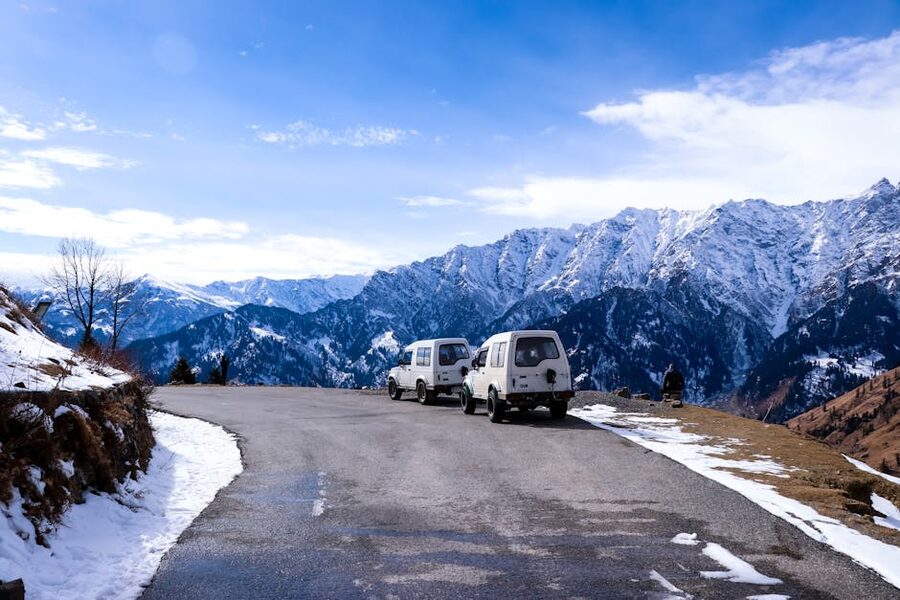
The drive itself has improved considerably with the four-laning of the Kiratpur-Manali stretch, which has cut travel time over the old route by two to three hours under good conditions. Two stretches still cause delays: the climb from Mandi over the Pandoh Dam, and the final approach into Kullu town. Avoid the Friday-evening Delhi exit and the Sunday-evening return; those are the worst windows on the road.
Where to Base: Choose Your Neighbourhood
Manali is not a single thing. There are at least five distinct areas to base in, each with a different price point, atmosphere, and clientele. Picking the right one matters more than picking the right hotel.
Manali Town (around Mall Road)
The main bazaar around Mall Road is the most central, the most crowded, and the most convenient for short trips. You can walk to Hadimba Temple, the museum, and the bus stand. The downside is noise, traffic, and the sense that you are staying inside a small, crowded shopping district rather than in the mountains. Hotels here run from 1,500 rupees for a basic guesthouse to 8,000 plus for a mid-range business hotel. If your trip is short and you intend to do a lot of organised day trips, this works. For more on accommodation across the state and pricing, see our overview at hotels in Himachal, with a specific shortlist coming at Manali hotels.
Old Manali
Across the Manalsu Nullah from the new town, Old Manali is the original village of stone-and-wood houses, now overlaid with cafes, music bars, and backpacker guesthouses. The vibe is younger, cheaper, and a touch hippie, with German bakeries, Israeli falafel joints, and live music venues along the main lane. Cafe 1947 by the river has been running since 2005 and is still the local benchmark. Drifters’ Inn and Lazy Dog Lounge are the standard watering holes. Stay here if you are travelling on a budget, are happy with basic rooms, and want to be in walking distance of the river and the trail to Manu Temple. Avoid in winter when much of the cafe scene shuts down and the lanes ice over.
Vashisht
Three kilometres up the eastern slope from Manali across the Beas, Vashisht is a working village with a 4,000-year-old Shiva temple and natural sulphur hot springs. The springs are open to all, separated by gender, and free; bring a change of clothes. The village itself is much quieter than Old Manali but has a good cluster of mid-range guesthouses and rooftop cafes with views back across the valley. Stay here if you want a quieter base within ten minutes’ drive of Mall Road but with mountain village character. The downside is that the road in is steep and gets blocked in fresh snow.
Naggar
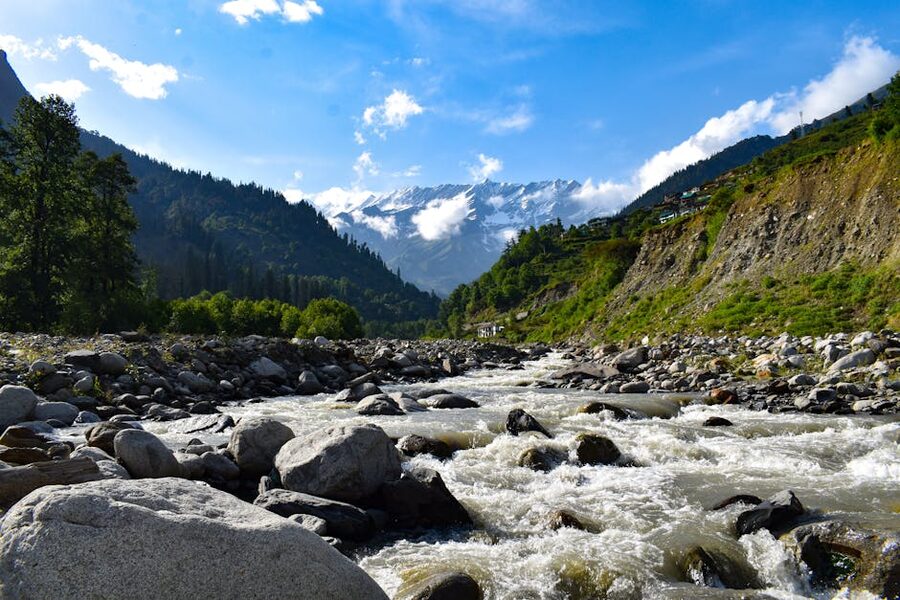
Twenty kilometres south of Manali on the left bank of the Beas, Naggar was the capital of Kullu for fourteen hundred years before the seat moved down to Sultanpur. The 16th-century Naggar Castle, now a heritage hotel run by HPTDC, sits on a ridge with full views across the valley. Below it sit the Roerich gallery, a working trout farm, and several apple orchards. Naggar is what travellers who want hill character without the Manali crush should consider. The town itself has perhaps a dozen heritage and boutique stays, plus several apple-orchard homestays in the surrounding villages of Hallan and Rumsu. Twenty minutes by car gets you to Manali for the day; an hour gets you to Bijli Mahadev or Malana.
Sethan and Hampta
Twelve kilometres east of Manali, Sethan is a tiny Buddhist village of around twenty households perched on a south-facing slope above the Hampta Valley. In winter, snowfall here is reliable and the village has become the centre of Manali’s small ski-touring and snowboarding community, with several igloo-stay outfits opening between January and early March. In summer, it is the standard starting point for the Hampta Pass trek across to Lahaul. Sethan is genuinely off-grid in feel: there are perhaps eight or nine homestays and one cafe. Stay here if you want isolation and you are coming for snow or trekking.
The Old Town and the Temples Worth Visiting
Manali has more temples per square kilometre than almost any other Himalayan hill town, partly because the Kullu Valley is famous within Hindu tradition as the Valley of the Gods, with each village holding its own deity. Three or four are worth real time; the rest you can skip without regret.
Hidimba Devi Temple
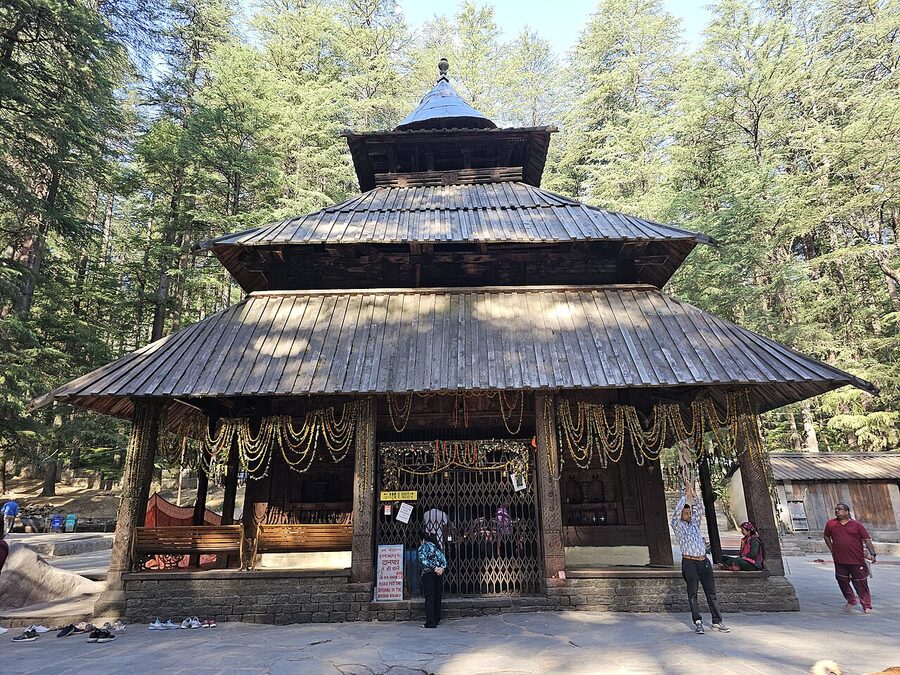
This is the temple every visitor sees, and unlike many checklist sights, it deserves the visit. Built in 1553 by Maharaja Bahadur Singh, the Hidimba Devi Temple is a four-tier pagoda-style wooden shrine standing in a deodar grove just outside the main town, dedicated to Hidimba, the demoness wife of Bhima from the Mahabharata who became the local mother goddess of the Kullu Valley after her marriage to a Pandava. Architecturally it is one of the finest examples of the western Himalayan kath-kuni style, with hand-carved cedar walls, a horn-decorated entrance, and a stone shrine inside containing the goddess’s footprint rather than an idol. The grounds around it stay cool and dim even on the hottest summer afternoon.
Practical points: it is roughly two and a half kilometres from the Manali bus stand, walkable in 30 minutes from Mall Road or a 100-rupee auto ride. There is no entry fee. Best time is early morning before the tour buses arrive, around 7 to 9 AM, or last light around 5:30 PM in summer when the goddess festival ceremonies sometimes happen. The annual Hadimba Devi Festival each May is when the local pujaris bring her palanquin out in a procession, and is the one time of year the temple is genuinely full of devotees rather than tourists. If you visit during the May summer rush, come at 6:30 AM or you will be queuing.
Just outside the main temple wall is a smaller shrine to Ghatotkach, Hidimba and Bhima’s son. Locals consider both shrines part of the same complex. A short walk uphill from the temple takes you to the small Manali Sanctuary, which we cover separately at manali wildlife sanctuary.
Manu Temple, Old Manali
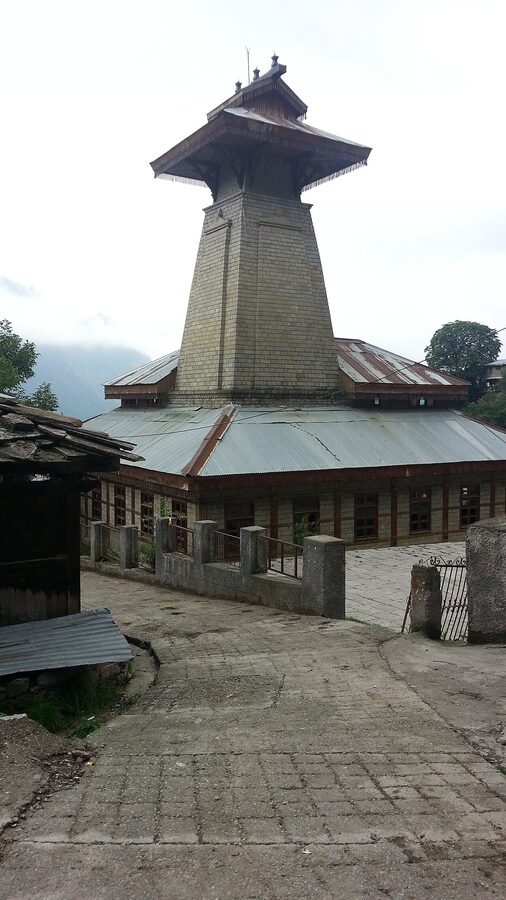
Across the Manalsu in Old Manali, Manu Temple is the only known temple in India dedicated to Manu, the lawgiver of Hindu mythology and the figure for whom Manali is named. The current structure dates from a 1992 reconstruction but the site has been in continuous worship for centuries. The architecture is plainer than Hadimba and the visit is not so much about the building as the climb up through the old village to reach it: a 15-minute uphill walk through stone houses, apple orchards, and small shops. Pair it with a coffee at one of the cafes along the upper Old Manali lane afterwards. No entry fee; open dawn to dusk.
Vashisht Temple
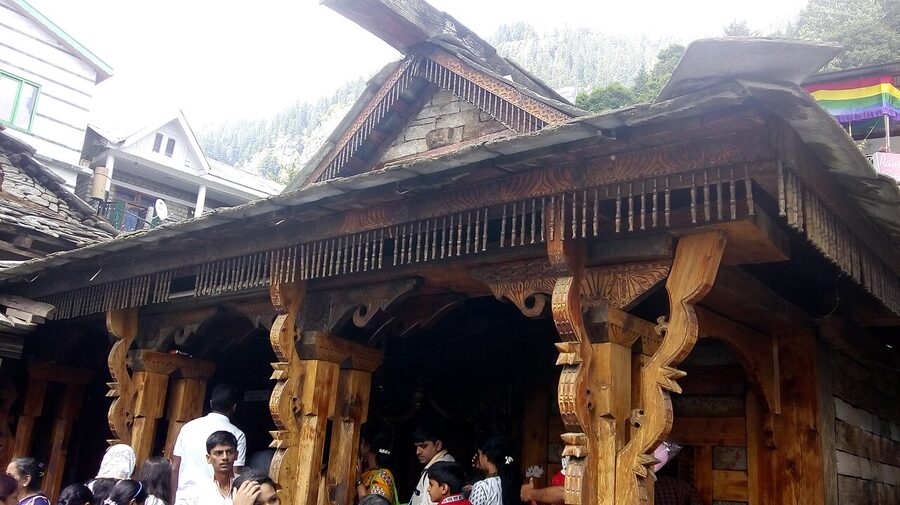
Up the eastern slope across the Beas, the Vashisht Temple complex has both an ancient stone Vashisht shrine and a separate small Rama temple, all built around natural hot sulphur springs that emerge from the hillside. The springs have been used for at least a millennium and the current temple structure dates from at least the 16th century, with much older foundations beneath. The bathing tanks are open to all visitors with separate sections for men and women. They are free, not particularly clean, and intensely sulphurous; bring a towel and don’t expect a spa. The point is the ritual of the bath, not luxury. The temple itself is a small carved-stone structure with a Shiva lingam and a copper Vashisht idol.
Practical: roughly 3 kilometres from Manali centre by road. If you walk, the path up from the Beas bridge is steep but takes only 20 minutes. Best in early morning or late afternoon, avoiding the midday sun and the day-tripper rush.
Manikaran (a day trip from Manali)
Eighty kilometres south of Manali in the Parvati Valley, Manikaran is a pilgrimage site sacred to both Sikhs and Hindus, with the Manikaran Sahib Gurudwara, multiple Shiva and Rama temples, and a series of intensely hot natural springs that emerge in the river bed. The water in some pools approaches boiling; the gurudwara langar uses the springs to cook rice and lentils that are then served free to all visitors. Manikaran works well as a day trip from Manali, paired with Kasol either before or after; the drive takes around three hours each way. The road is narrow and deteriorates after Bhuntar; a local driver is the safer option than a self-drive rental.
Skip-or-Stop Quick List
Tibetan Monastery (Gadhan Thekchhokling Gompa) on Mall Road: 10-minute stop, worth it if you are walking past. Himalayan Nyingmapa Monastery: similar, 10-minute stop. Naggar Castle: stop if you are passing through Naggar, otherwise skip. The lesser temples around Old Manali (Gayatri, Siyali Mahadev, Durga Mata): skip unless you are already on a Hidimba walk and have spare time.
Solang Valley and the Adventure Sports Question
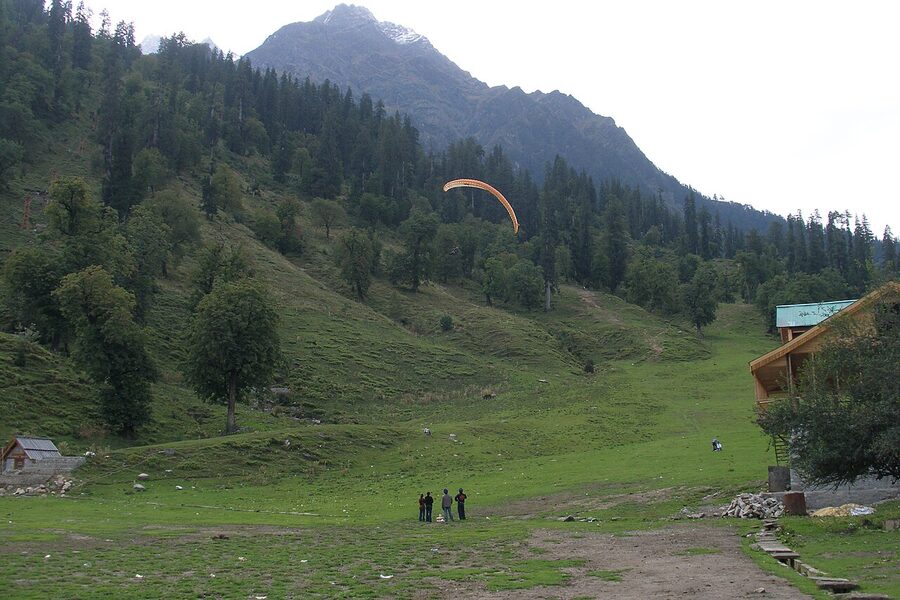
Fourteen kilometres north of Manali on the road to Rohtang, Solang Valley is the centre of Manali’s adventure-sports industry. In summer, paragliding takes off from the high meadow above the valley and lands at the base; in winter, the same slopes carry skiers. The valley itself is genuinely beautiful, with the Beas Kund glacier feeding the stream that runs through it, and the snow line of Hanuman Tibba and Patalsu peak visible from the meadow.
The fair assessment of Solang as it currently operates: the natural setting is spectacular but the ground experience has been heavily commercialised. In peak summer it can feel less like a mountain valley and more like an outdoor adventure mall, with touts, inflated prices, and queues. The cable car (ropeway) opened in 2017 and runs to Mount Phatru at 3,200 metres for 700 rupees return; the views from the top are excellent on a clear day, but the queues during May-June can stretch to two hours. Off season the experience is much better.
Activity prices, current as of 2026:
- Paragliding: Short flight 15 to 20 minutes, 1,500 to 2,500 rupees. Long flight 30 to 45 minutes, around 3,500 rupees. Take-off from a higher launch site.
- Skiing (Dec-Feb): Beginner half-day course around 1,500 to 2,000 rupees including equipment and instructor. Multi-day courses through the Atal Bihari Vajpayee Institute are better value at 6,000 to 8,000 rupees for three days.
- Zorbing: 500 to 800 rupees per ride. Underwhelming for the price.
- Ropeway: 700 rupees return.
- ATV ride: 1,000 to 1,500 rupees for 15 minutes. Skip.
For paragliding, choose an operator certified by the Atal Bihari Vajpayee Institute of Mountaineering and Allied Sports rather than a touted street offer. The institute also runs longer-form mountaineering and skiing courses that are a serious option if you want to learn properly. Look for tagged equipment and a written waiver; if neither is offered, walk away.
The Skiing Reality
Solang is fine for first-time skiers and good fun for a day, but it is not a serious ski resort. Lifts are limited, snow conditions vary widely with the season, and serious skiers should know that nearby Sethan and the upper Hampta area have become the centre of small-scale ski touring, with two or three local operators running guided backcountry trips. Auli in Uttarakhand and Gulmarg in Kashmir remain the better options if you are travelling specifically to ski. Solang is best treated as a half-day novelty, not a destination in itself.
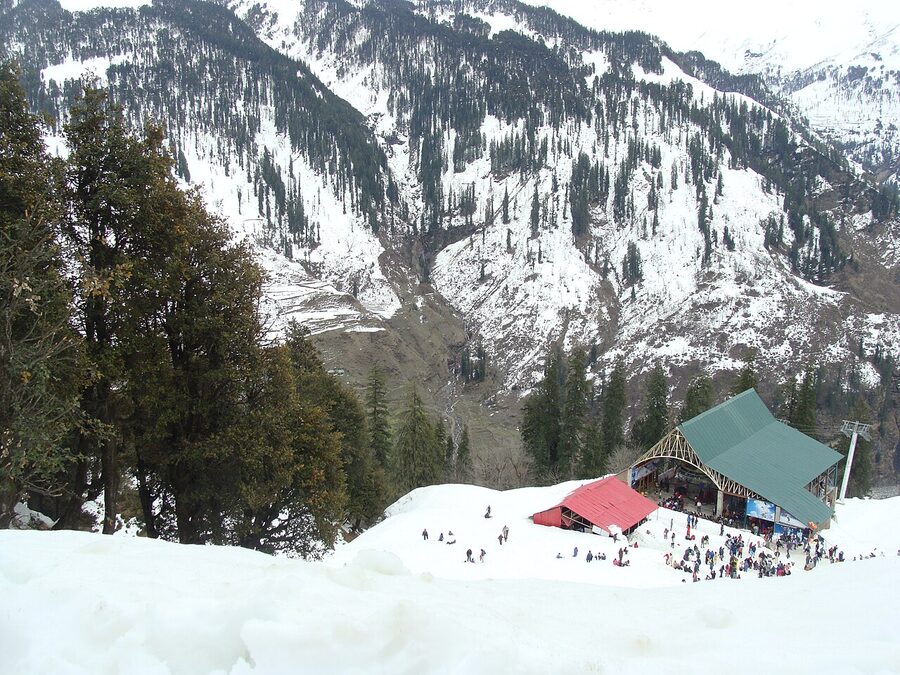
Rohtang Pass and the Atal Tunnel
The single most photographed bit of road in Himachal Pradesh, Rohtang Pass at 3,978 metres on the Pir Panjal range was the only motor link between Manali and Lahaul-Spiti for almost a century. It still functions as that link in summer, but its primary role today is as a high-altitude viewpoint for tourists who never venture beyond it. The pass is open from early-to-mid May through mid-October, with exact dates depending on the snow.
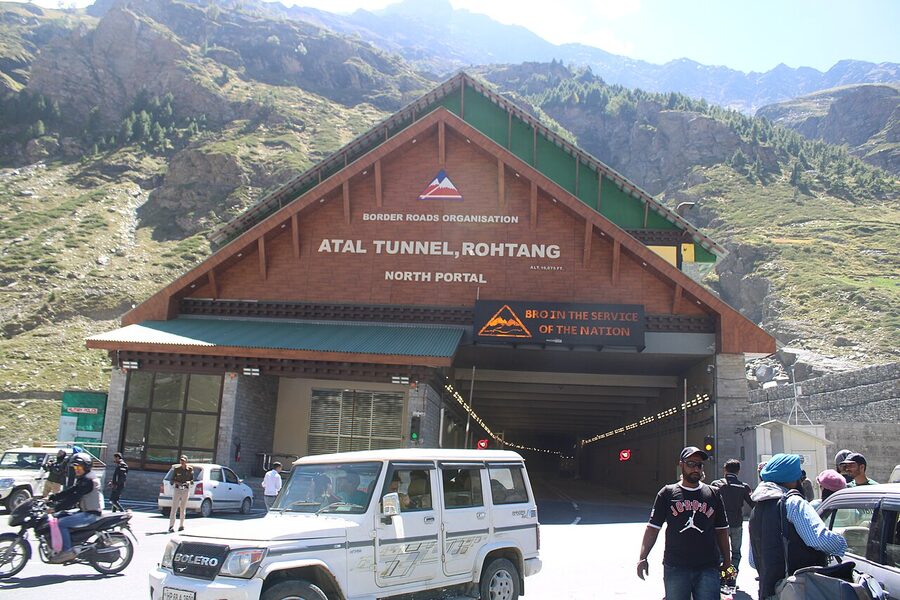
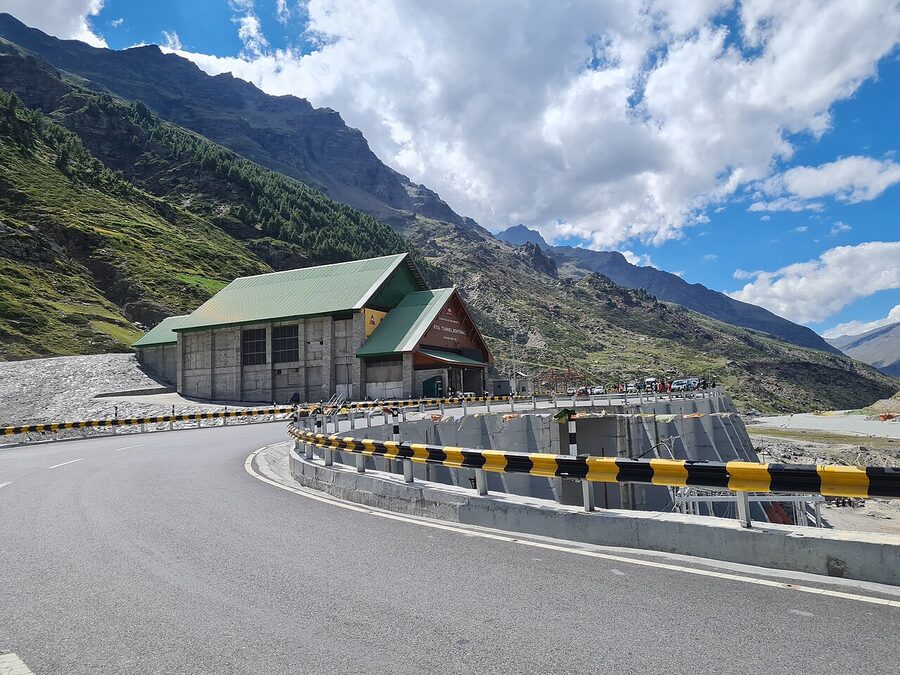
The headline change of the last five years is the Atal Tunnel, opened by the Border Roads Organisation in October 2020. At 9.02 kilometres long, it is the world’s longest highway tunnel above 3,000 metres, and it now connects Manali to Sissu in Lahaul in around an hour year-round, where the old Rohtang crossing took three to six hours and was closed half the year. Most travellers headed to Lahaul-Spiti now use the tunnel and bypass Rohtang entirely, which has actually improved the experience of visiting the pass itself, since traffic on it is now leisure-only.
To visit Rohtang Pass you need a permit. The Himachal Pradesh state government caps daily vehicles at 1,200, split between petrol and diesel categories, with a green tax of 50 rupees and a permit fee of 500 rupees. Permits are issued through the official portal at rohtangpermits.nic.in and must be applied for at least 24 hours in advance. The pass is closed to all tourist traffic on Tuesdays for environmental rest. Hire a local taxi unless you are comfortable driving narrow Himalayan switchbacks; rental cars from Manali typically cannot apply for permits, so a taxi or a private operator is the practical option. Day trip cost from Manali: around 4,000 to 6,000 rupees for a sedan or SUV including the driver.
For the Atal Tunnel, no permit is required, no toll is charged for cars, and the speed limit inside the tunnel is 60 km/h. Driving from the south portal at Solang to the north portal at Sissu takes about ten minutes inside the tunnel itself. From Manali to Sissu is around 33 kilometres total. For more on what is on the other side, see our guide to Lahaul and Spiti. For real-time tunnel and Rohtang status, the BRO’s site at bro.gov.in is the official source.
Practical tip: if you only have one day and can’t decide between Rohtang and the tunnel, the better experience for most people is now to drive through the tunnel to Sissu, see the lake and the frozen waterfall in winter or the green meadow in summer, and come back. You skip the permit hassle, you cross under the Pir Panjal range rather than over it, and you actually get to spend time in Lahaul rather than queuing at a viewpoint.
Old Manali, Mall Road, and the Town Itself
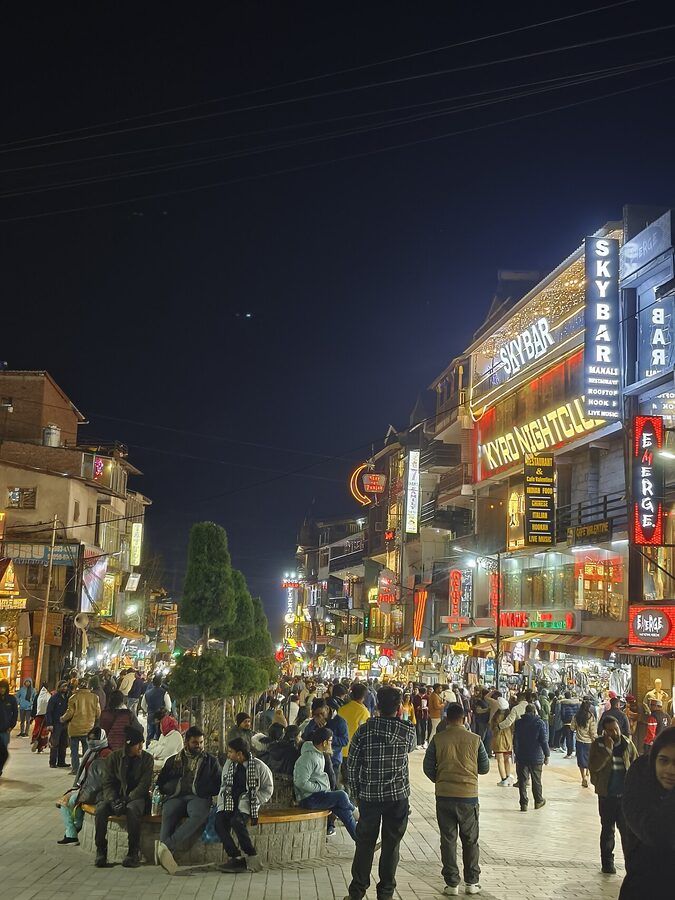
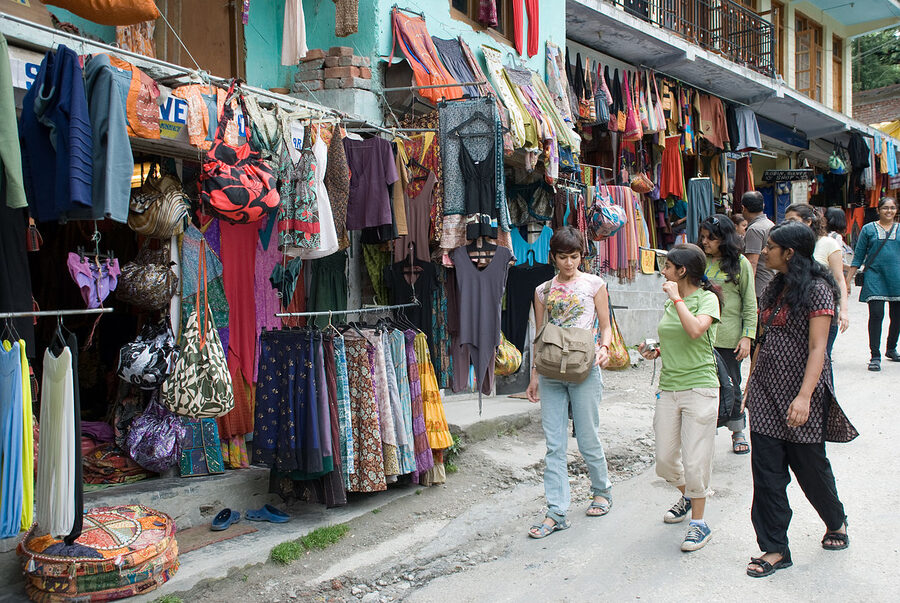
Mall Road in Manali is not the postcard. It is a working bazaar that runs roughly half a kilometre along the main road through town, lined with woollen-clothing shops, dry-fruit sellers, restaurants ranging from cheap dhabas to mid-range North Indian, and the occasional cafe. Useful for buying a shawl, picking up snacks, or arranging an onward bus ticket. Not particularly atmospheric, especially during peak hours when the through-traffic of taxis and buses is constant. Walk the upper end of Mall Road for the cleaner shops and the lower end if you are bargaining for warm clothes; prices on the Tibetan handicrafts come down by 30 to 40 percent from the first quote if you push.
The Museum of Himachal Culture and Folk Art, on Hadimba Temple Road, is a small museum housing traditional Kullu Valley clothing, agricultural tools, religious objects, and household items. The collection is good and the labelling adequate; allow 45 minutes. Open 8 AM to 8 PM, entry 50 rupees.
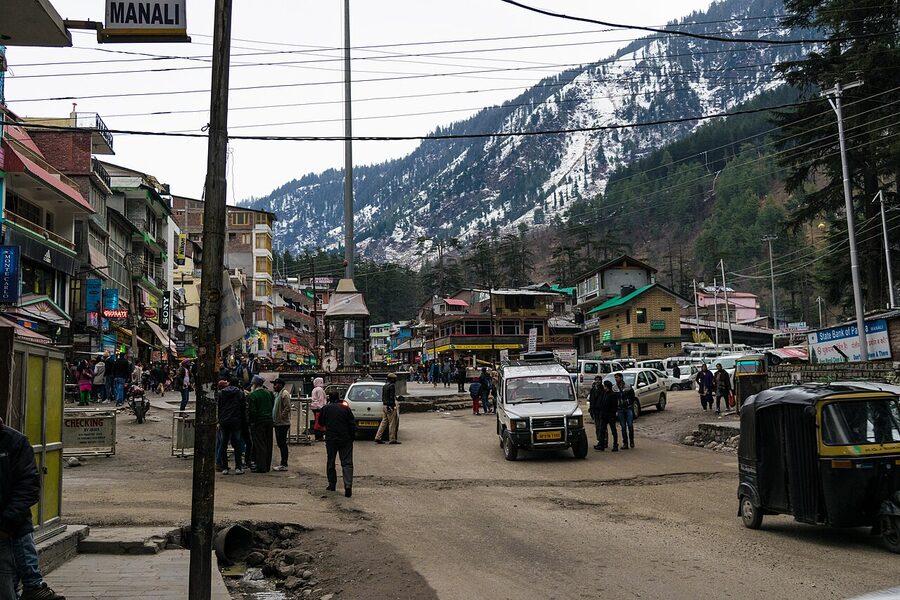
Old Manali, across the Manalsu Nullah and connected by a footbridge, is the part of the town that retains the original village character. The lower lane runs through the cafe and bar district; the upper lane climbs through old stone-and-wood houses, apple orchards, and small temples to Manu Temple at the top. The walk up takes 25 to 30 minutes at a steady pace and is worth it whether you enter the temple or not; the views back down across the Beas Valley are some of the best around Manali. Cafe culture in Old Manali is a real draw: the Lazy Dog Lounge, Cafe 1947 (one of the longest-running music cafes in north India), Drifters’ Inn, and the cluster of German bakeries on the lower lane all serve genuinely good food. Most close from late November through mid-March when the seasonal staff head back to lower elevations.
Van Vihar
A small wooded park along the Beas at the south end of Mall Road, Van Vihar is mostly a local picnic spot. There is a tiny pond with paddle boats, walking paths under deodars, and a 10-rupee entry fee. Not a destination in itself but a pleasant 30 minutes if you have spare time on a hot afternoon. Open dawn to dusk.
Treks From Manali
Manali is the staging post for several of the better-known Himalayan treks, ranging from one-day forest walks to multi-week crossings into Lahaul or Zanskar. Even if you aren’t planning a serious trek, knowing what’s available helps you understand the terrain you’re sitting in.
Beas Kund (3 days, easy-moderate)
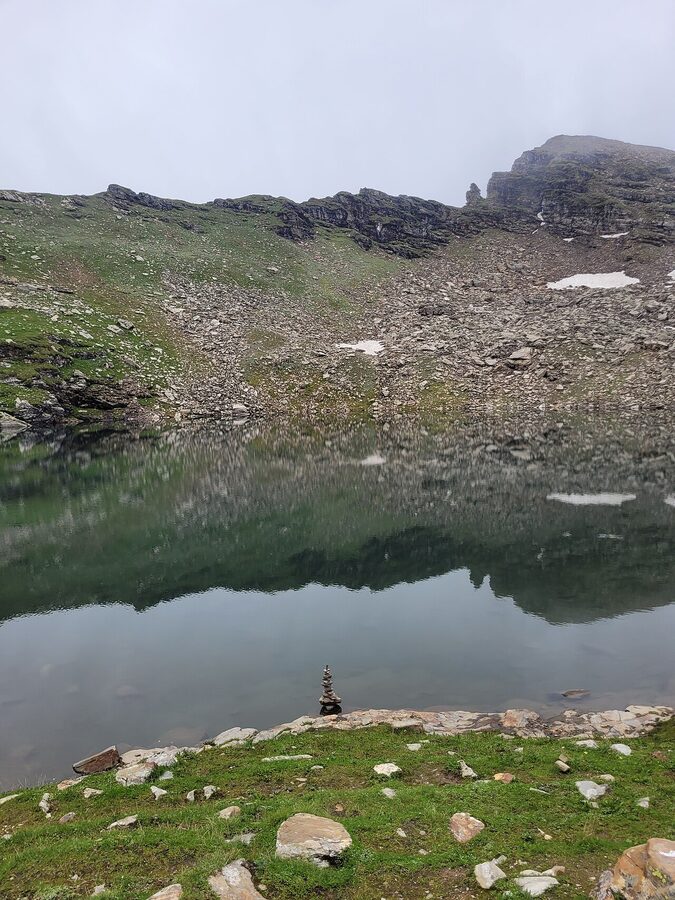
The classic Manali introduction trek, Beas Kund follows the Beas river up to its glacial source at 3,540 metres above the Solang Valley. The full trek is three days from Solang to Dhundi to Bakarthach to Beas Kund and back. The lake itself is small, alpine, and considered sacred (no swimming, no wading). Best done June through October. Distance from Manali: 21 km to the trailhead at Solang. Several trekking outfits in Manali run all-inclusive packages for around 5,000 to 8,000 rupees per person.
Bhrigu Lake (3-4 days, easy-moderate)
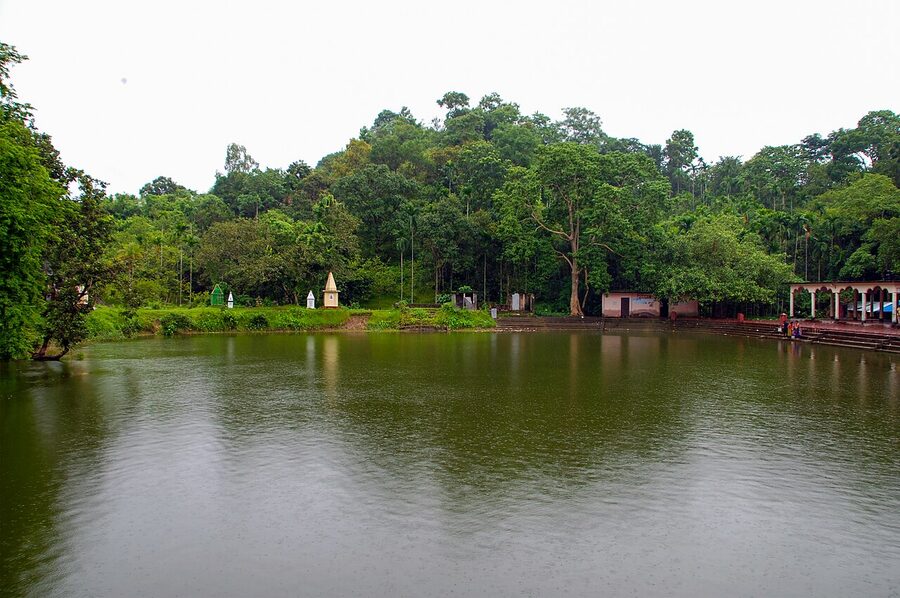
Bhrigu Lake at 4,235 metres sits in a high alpine bowl east of Rohtang. The trek starts from Gulaba on the Manali-Rohtang road, climbs through the Rola Kholi meadow campsite, and reaches the lake the next morning. The lake is named for the sage Bhrigu and is considered sacred. Best done June through early October. The route is straightforward but the altitude gain is sharp, so a day’s acclimatisation in Manali first is wise.
Hampta Pass (5 days, moderate)
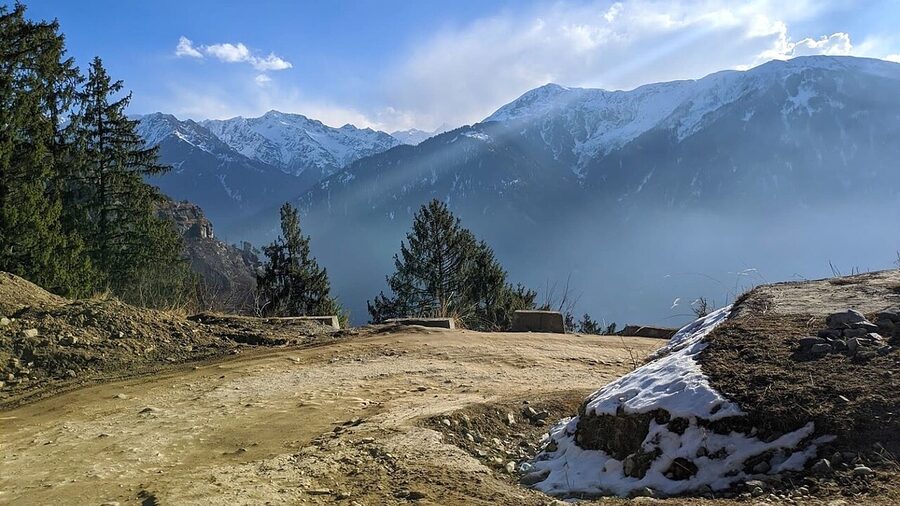
The most famous trek in the Manali area, Hampta Pass is a five-day crossing from the Kullu Valley to Lahaul, traversing from green pine forest at 2,400 metres to the Hampta Pass at 4,270 metres and down into the cold-desert side of the Pir Panjal. The contrast across the pass is dramatic enough to be worth doing for that alone. The trek typically ends with a road transfer to Chandratal Lake. Best done mid-June to mid-October; not safe in monsoon. Reputable outfitters charge 9,500 to 14,000 rupees including food, tents, guides, and Manali to Manali transport.
Other Options
Patalsu Peak (2 days, easy summit at 4,400 metres above Solang); Deo Tibba base camp (5 days, moderate); Friendship Peak (8 days, technical summit at 5,289 metres requiring ice axe and crampons); the long Bara Bhangal (10 days, hard) crossing into Kangra. For all serious treks, hiring a registered guide and using a recognised outfitter is the practical and safe choice. Do not attempt these solo without high-altitude experience.
Day Trips That Are Worth It
Naggar
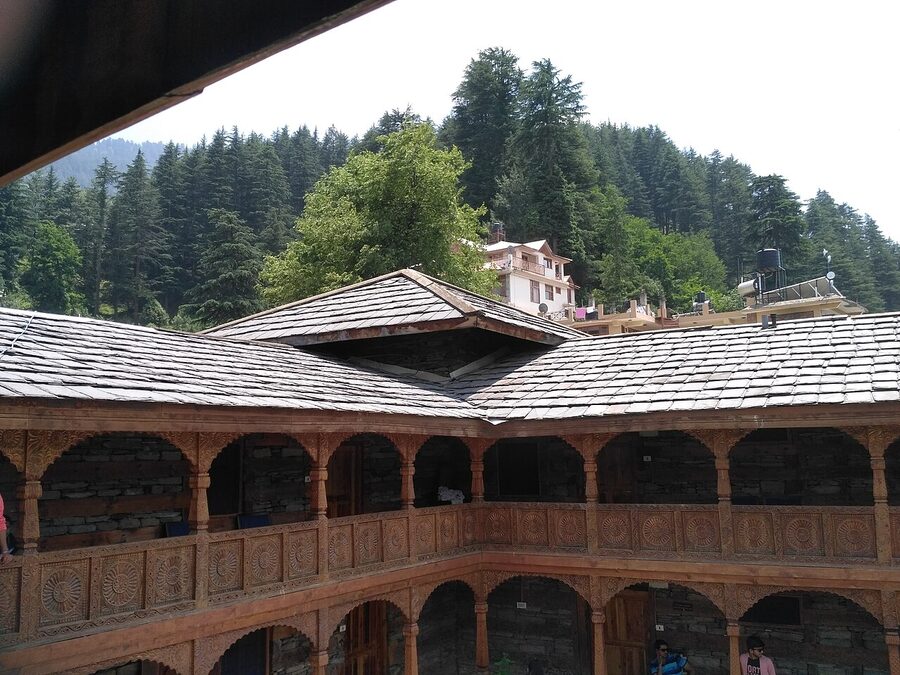
Twenty kilometres down the valley, Naggar is a satisfying half-day trip that combines the Naggar Castle (a 16th-century stone-and-wood palace on a ridge, now a heritage hotel run by HPTDC, with rooms from around 4,500 rupees if you want to stay), the Nicholas Roerich Art Gallery, and several wooden temples in the surrounding villages. The Roerich gallery is the unexpected highlight: the Russian painter and theosophist Nicholas Roerich settled in Naggar in the 1920s with his Indian wife and son and the family estate is now a small museum holding his original paintings, his car, and the house. Open 10 AM to 5:30 PM Tuesday through Sunday, closed Mondays. Entry 100 rupees. Allow at least 90 minutes.
Pair Naggar with the small temple at Gauri Shankar (12th century, Shikhara-style stone construction) and lunch at the castle restaurant for a satisfying half day.
Kasol and Manikaran (Parvati Valley)
The drive south through Bhuntar into the Parvati Valley takes you to Kasol, a small village on the Parvati river that has become known as the “Mini Israel” of India for its concentration of Israeli backpackers and Israeli food. Kasol itself is small and walkable in an hour but the cafe scene along the river is genuinely good; Evergreen Cafe and Bhoj Cafe are both reliable. Continue another 10 kilometres up the valley to reach Manikaran, with its hot springs, gurudwara, and temples. Round-trip from Manali in a day is doable but tight; consider an overnight in Kasol if you have time.
Bijli Mahadev
An hour’s drive plus a 3-kilometre uphill walk reaches the Bijli Mahadev temple at 2,460 metres on a ridge overlooking the confluence of the Beas and Parvati rivers. The temple’s name (Lightning Shiva) comes from the local legend that the temple’s lingam is periodically shattered by lightning and reassembled by the priests using butter. The walk is moderately steep but doable for most adults; the views from the top across the entire Kullu Valley are excellent. Best as a half-day trip starting from Manali around 7 AM. The road in is rough; don’t drive a small rental.
Sissu and the Atal Tunnel
Already covered above as the alternative to Rohtang Pass for travellers who only have a day. Sissu has a small artificial lake, a frozen-in-winter waterfall, a small monastery, and views of Reo Purgyil across the valley. Easily reachable in an hour through the tunnel. Avoid weekends in summer.
Festivals and Local Culture
Manali is calmer culturally than its big sibling Kullu down the valley, where the seven-day Kullu Dussehra in October is one of north India’s great religious gatherings. But Manali has its own local festival calendar worth knowing about.
Manali Winter Carnival happens in early to mid-January each year, organised by HPTDC. It runs about a week and includes ice skating, a winter queen pageant, snow sculpting, folk-music performances on Mall Road, and ski demonstrations at Solang. Worth attending if you are in town in January; not worth a special trip from elsewhere.
Hidimba Devi Festival at the Hidimba temple in mid-May (dates vary by lunar calendar) is when the goddess’s palanquin is brought out for a procession. The full festival runs three days. It coincides with the worst of the early-season tourist crush, so expect very heavy crowds.
Doongri Forest Festival, also in May around the Hidimba complex, features local Kullu Valley folk dance and music. Smaller and more local-feeling than the temple festival itself.
Phagli, in February, is a Kullu Valley masked-dance festival particular to certain villages including Halan and Soyal near Manali. Smaller, harder to access, but genuine. For more on the wider state festival calendar, our overview of fairs and festivals of Himachal covers the major events.
Food: What’s Actually Worth Eating
Manali’s restaurant scene divides into three categories: the local Himachali food (under-represented in tourist Manali but worth seeking out); the cafe scene in Old Manali (international, mostly competent); and the standard tourist North Indian (everywhere, mostly average). A few worth eating at:
- Johnson’s Cafe on the road to Hadimba Temple, the long-running benchmark for trout cooked simply with herbs. Around 600 to 900 rupees a main.
- Cafe 1947 in Old Manali by the Manalsu river, the original Old Manali cafe, still serves a mostly Italian and Israeli menu with live music several nights a week. Mains 350 to 600 rupees.
- Drifters’ Inn in Old Manali, a long-running expat-friendly bar and restaurant with a wood-fired oven and a serviceable pizza.
- Lazy Dog Lounge, river-facing terrace, good cocktails, mid-range food.
- Sher-e-Punjab on Mall Road, the standard reliable choice for a North Indian meal.
For genuine Himachali food, the best option is to stay at a homestay in Naggar, Vashisht, or one of the surrounding villages where breakfast and dinner are included. Dishes worth trying: siddu (a steamed wheat-flour bread served with ghee and local lentils), chana madra (chickpeas in yoghurt and saffron gravy), trout from the Beas if it is in season, and the local apple-based desserts in autumn.
Practical Notes
Money and Connectivity
ATMs are plentiful in Manali town but unreliable in Vashisht, Sethan, and Naggar; carry cash if heading to those areas. UPI works on most payments in town but coverage drops sharply outside it. Mobile signal is good on Jio and Airtel in central Manali, patchy in Old Manali higher up the lane, and unreliable past Solang. WiFi at most mid-range hotels is functional but slow.
Altitude and Health
Manali at 2,050 metres is not high enough to cause serious altitude sickness in most healthy adults, but day trips to Rohtang Pass at 3,978 metres or Hampta at 4,270 metres can. If you are spending a day at altitude, drink three litres of water minimum, avoid alcohol the night before, and turn back if you develop a persistent headache or nausea. Most lodges in town can arrange portable oxygen if needed; a few day-tour operators carry it routinely on Rohtang trips.
Driving and Roads
The drive in from Chandigarh takes 7 to 10 hours under normal conditions, longer in monsoon or peak season. Self-drive is feasible but the road conditions and the local driving style favour hiring a driver. Inside Manali, walking is best; the central area is small. For longer day trips, taxis from the Manali taxi union have published rate cards: Rohtang day trip around 5,000 to 6,000 rupees, Naggar return around 2,500, Manikaran return around 4,500, Sissu via tunnel around 3,500.
Permits and Restrictions
Rohtang Pass requires a permit (24 hours in advance via the official portal). Atal Tunnel requires no permit. Manali Wildlife Sanctuary entry requires a small fee paid at the gate. There are no inner line permits required for Manali itself or for travel through the tunnel into Lahaul, but you do need an inner line permit for travel onward into Spiti from Kaza if you are a foreign national.
Safety
Manali is safe for solo travellers including women. The standard urban-India precautions apply (don’t walk alone in unlit areas late at night, keep valuables secure). The bigger risks are environmental: landslides on the road in monsoon, altitude sickness on day trips to Rohtang, and ice on roads in winter. Manali Strays, an animal hospital between Manali and Naggar, can help with stray-dog encounters.
Suggested Itineraries
3 Days (Short Visit)
Day 1: Arrive, settle in, walk Mall Road and the Old Manali bridge, dinner at Cafe 1947.
Day 2: Hidimba Temple early morning, museum, walk up to Manu Temple in Old Manali, afternoon at Vashisht hot springs.
Day 3: Day trip to Solang Valley for paragliding or skiing depending on season; sunset at the upper Old Manali lane.
5 Days (Better)
Add a day for the Rohtang Pass permit-and-trip OR a drive through the Atal Tunnel to Sissu, plus a day in Naggar including the Roerich gallery and lunch at the castle.
7 Days (Best)
Add a Parvati Valley loop including Kasol and Manikaran (overnight in Kasol), and either a 3-day Beas Kund or Bhrigu Lake trek for the trekking-inclined, or a slower exploration of the surrounding villages (Jagatsukh, Halan, Soyal, Sethan) for those who prefer to walk in the orchards. For the romantically inclined, our overview of honeymoon in Himachal covers the higher-end stays and combinations across multiple Himachal hill stations.
10+ Days
Use Manali as the gateway, then head north through the Atal Tunnel into Lahaul (Sissu, Keylong) and over Kunzum Pass into Spiti for the high-altitude desert circuit. The full Manali-Spiti-Kinnaur-Shimla loop in either direction is the classic 10 to 14 day Himachal trip; see our Lahaul and Spiti guide for the detail.
Tour Packages and Booking
Most domestic visitors book Manali as part of a multi-stop Himachal package, typically with Shimla, sometimes adding Dharamshala or Dalhousie. The official state operator HPTDC offers fixed packages departing Delhi by Volvo at hptdc.in; private operators offer customised versions. For comparison and a wider view, our pages on Himachal tour packages and the standard Delhi to Manali tours cover the main options. If you have time, building your own itinerary with a hired car and pre-booked hotels almost always works out cheaper and gives you more flexibility than a packaged tour.
The Verdict
Manali is over-marketed, sometimes oversold, and frequently visited at exactly the wrong time of year by people who then leave disappointed. Visited in the right month, based in the right neighbourhood, and approached with low expectations of the central bazaar and high ones of the surrounding mountains, it is genuinely one of the best places in north India to spend a week. The best advice this guide can give is the simplest: pick September, October, or January; stay in Old Manali, Vashisht, or Naggar rather than the main town; and use Manali as the base for what is around it (Lahaul, Solang, Sethan, Naggar, Parvati) more than as a destination in itself. Do that and you will leave understanding why generations of Indians, and increasingly travellers from elsewhere, keep coming back.