The Manali hotel arithmetic, in one paragraph: ₹600 buys a hostel bunk in Old Manali, ₹2,500 a clean budget room near Mall Road, ₹4,500 a cottage with a Beas-side balcony in Vashisht or up-valley, ₹9,000 a mid-range resort in Aleo or Prini, ₹15,000 a heritage suite at Naggar Castle, and ₹30,000-plus a private cottage at one of the boutique properties on the Naggar road. Where you book matters more than what tier you pick. A ₹3,500 room in Old Manali with the right view beats a ₹12,000 room on the highway every time.
Booking.com lists somewhere between 850 and 950 properties in Manali on any given week of the year. Around 200 are worth knowing about. The rest are interchangeable two- and three-star hotels along the highway that fill up only when the good ones are gone. The job of this guide is to map the town for you the way a friend who has stayed in too many of them would: which area suits which trip, what your money actually buys at each price point, and the named properties at each tier that are worth the click. We have a state-wide hotels overview that gives a 10,000-foot view of accommodation across all of Himachal Pradesh; this is the Manali-only zoom-in, the one to read once you have already decided this is your base.
One thing to get out of the way before the neighbourhoods. The Indian booking sites (MakeMyTrip, Goibibo, OYO, EaseMyTrip) tend to show heavily discounted promotional rates that bear no relationship to what you will actually pay at the hotel desk. Booking.com and Agoda are closer to the door rate. The HPTDC properties (Naggar Castle, Hadimba Cottages, Hotel Rohtang Manalsu, Apple Blossom at Fagu) are not on the OTAs at all and have to be booked directly through hptdc.in. Their prices are flat year-round, often noticeably below private comparables, and the buildings are some of the most desirable in the state. Worth knowing.
In This Article
- The Six Areas: A Map of Where to Base
- Old Manali: Cafes, River-Side Cottages, and the Backpacker Stock
- Old Manali price tiers
- New Manali and Mall Road: Convenient, Noisy, Default
- Vashisht: Hot Springs, Stone Lanes, and the Mid-Range Sweet Spot
- Vashisht price tiers
- The Hadimba Area and Log Huts: Forest Cottages, Quiet Mornings
- Solang Valley and the Up-Valley Corridor: Resort Properties and the Ski-Season Spike
- The Outskirts Toward Naggar: Heritage, Boutique, and the Quietest of the Lot
- Naggar Castle
- Other Naggar-area properties
- Outskirts proper: Aleo and Prini, just south of town
- How Demand Spikes by Season (and What That Means for the Wallet)
- What ₹4,000 Buys You at Each Area
- Practical Things Nobody Puts on the Listings
- How Manali Compares to Other Bases in the Region
- The Short Verdict
The Six Areas: A Map of Where to Base
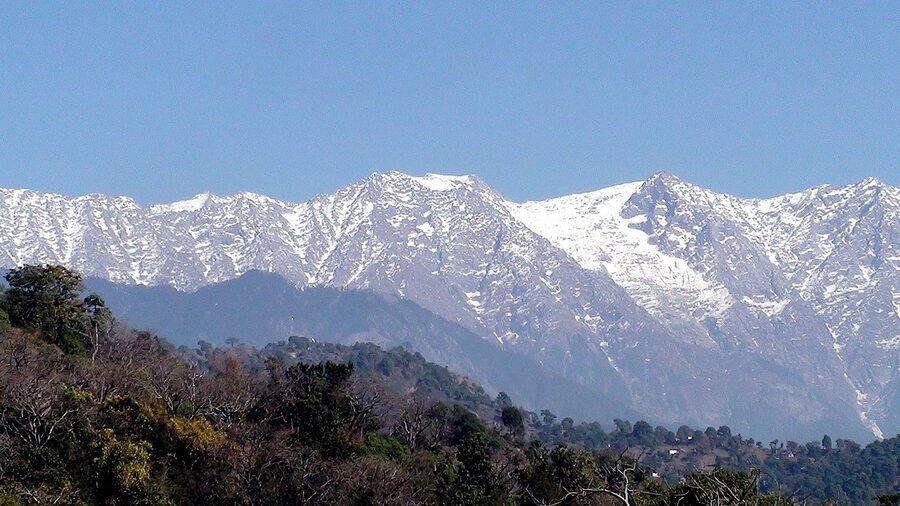
Manali is not really one town. It is six distinct sub-areas with different price points, different clientele, and different vibes. They are all within twenty kilometres of each other, but they may as well be in different valleys for what staying in them is like. Pick the wrong one and the trip never quite works.
Old Manali is the original village across the Manalsu stream, twenty minutes uphill on foot from the bus stand. Cafes, music bars, falafel joints, and small family-run guesthouses. Cheap to mid-tier. Loudest at night, quietest in the morning. Closes down by November.
New Manali / Mall Road is the centre: bus stand, market, restaurants, the bulk of the three- and four-star inventory. Convenient, noisy, often jammed in the May and December peak windows. This is where most first-timers end up because it is the default.
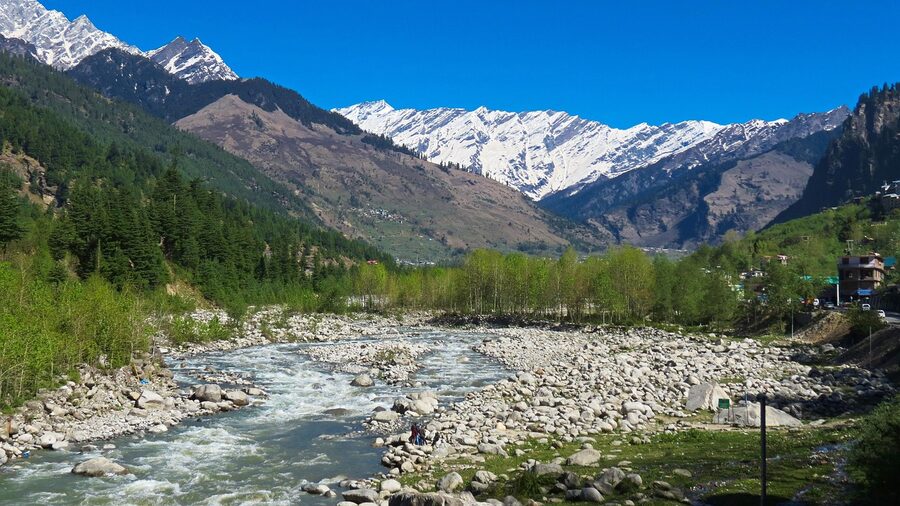
Vashisht is three kilometres up the eastern slope across the Beas. A working village around a 4,000-year-old Shiva temple and a set of free public hot sulphur springs. Mid-range guesthouses with character, rooftop cafes, a proper sense that you are in a Himalayan village rather than a hotel district.
The Hadimba area / Log Huts is the deodar-forest neighbourhood between Old Manali and the temple, on the western slope above the bus stand. Quieter than either Old or New Manali, the cottage stock here trades walking convenience for trees and birds.
Solang Valley and the up-valley corridor runs 14 km north through Burwa, Palchan, and the meadow itself. Resort properties built for the winter snow trade. Beautiful in January, dead-quiet in October, and a long way from any restaurant that isn’t the in-house one.
Outskirts toward Naggar, on the left bank of the Beas, runs from Aleo and Prini just south of town through Katrain, Patlikuhl, and out to Naggar village 22 km away. This is where the heritage stays, the orchard cottages, and the boutique properties are. A different kind of holiday entirely from central Manali.
Each of these gets its own section below. Read the one that matches your trip and skip the rest.
Old Manali: Cafes, River-Side Cottages, and the Backpacker Stock
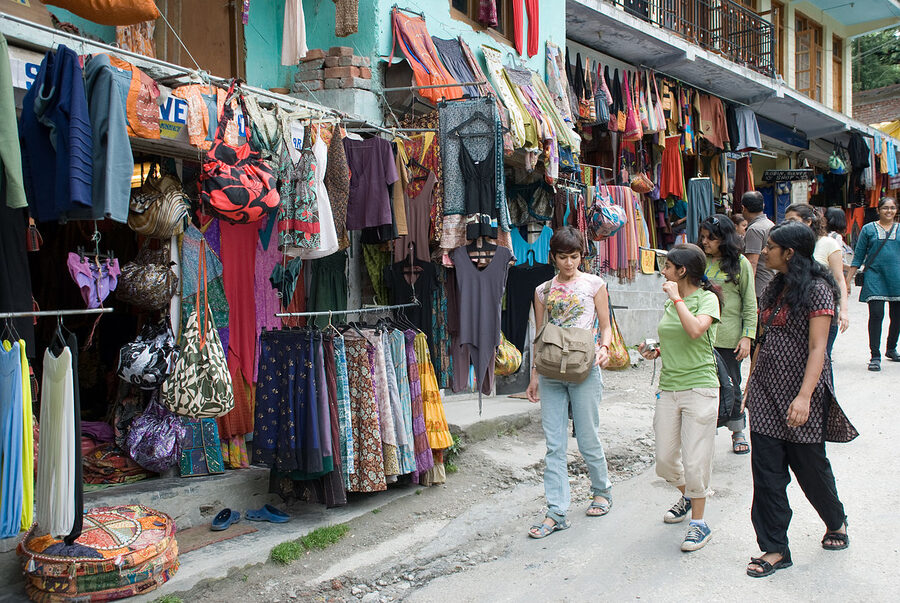
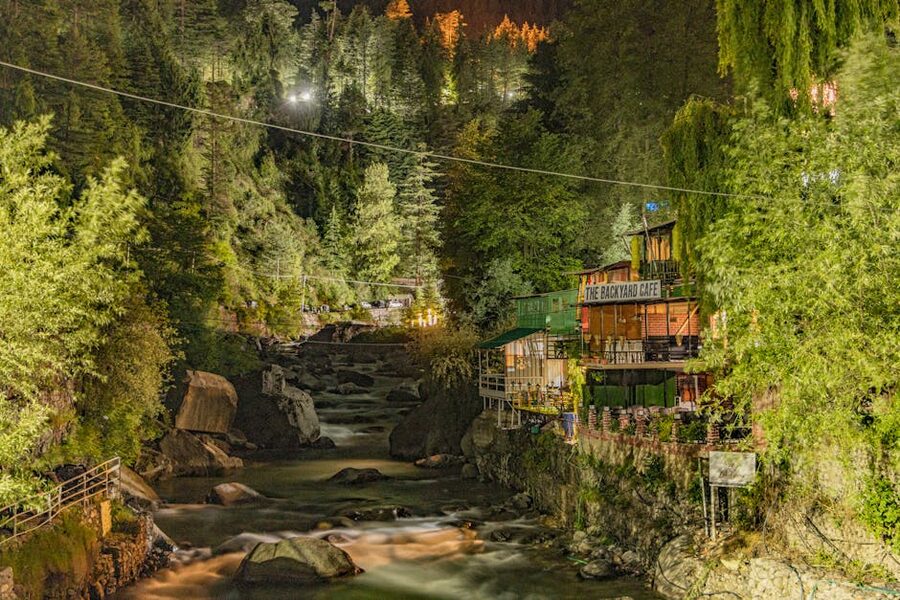
Old Manali has been the backpacker quarter since long before the Indian middle class started taking summer trips here. The lane runs uphill from the Manalsu bridge for about a kilometre, with stone-and-timber cottages on the hillside above and on the right bank below. The first half is now solidly cafe country: Cafe 1947 has been on the river for two decades, Drifters’ Inn is the standard live-music stop, the German Bakery and a cluster of Israeli falafel places trade through summer, and Lazy Dog Lounge is where everyone ends up around midnight. The upper half of the lane is quieter, with the smaller guesthouses and the apple orchards behind.
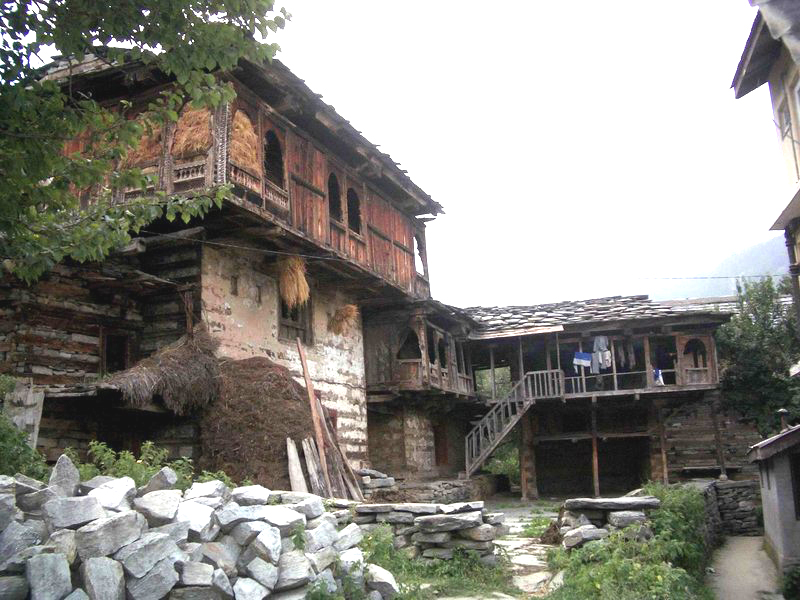
The hotel stock here is small and varied. Most properties have under twenty rooms, often under ten. They are family-run, the rates fluctuate by season more than by tier, and the buildings are a mix of restored kath-kuni stone-and-cedar houses and concrete additions from the 1990s. The orientation that matters is whether your room faces the river or the orchard; both are good but the river ones get noticeably more morning sound.
Old Manali price tiers
Hostel beds (₹600 to ₹1,200 a bed): The Hosteller Old Manali on Manu Temple lane, Joeys Hostel, and Zostel Old Manali on Goshal Road are the three chains worth knowing. They are all in walking distance of each other, all run private rooms in addition to the dorms (₹1,800 to ₹3,500 for a private), and all have rooftops with passable views. The Zostel is the largest of the three; verify rates here. Joeys is at this Booking.com listing. The Hosteller is on Booking.com here.
Budget cottages (₹1,500 to ₹3,500): The bulk of the inventory along the upper Old Manali lane. Most of these don’t bother with Booking listings and operate on walk-ins or WhatsApp bookings. The ones that do appear on the OTAs include several small Negis-family properties; Negis Hotel Mayflower on Club House Road is the older of the two and is a known mid-budget Old Manali standard, on Booking.com here. Around ₹2,500 to ₹3,500 in shoulder, ₹4,500 to ₹6,000 in May.
Mid-range cottages (₹4,000 to ₹7,500): The boutique end of Old Manali. The Nomads Haven, a four-room cottage on the lane, is one of the consistently recommended ones; check it on Booking.com. Most of the well-run river-side cottages will land in this band. Ask which floor your room is on and which side it faces; in season the difference between a top-floor orchard view and a ground-floor street-side room is roughly the same as the difference between Manali and a different town.
What ₹4,000 actually buys in Old Manali, in shoulder season: a clean room with a heater, a working geyser, an attached bathroom, a balcony with at least an angle on the river or the orchards, and breakfast included. Breakfast will be puri-bhaji, parathas, or banana pancakes, usually with instant Nescafé. The room won’t be insulated to Western standards. Light sleepers should ask for upper-floor rooms; the Manalsu’s roar carries.
One Old Manali quirk worth flagging: cars cannot reach most of the lane in season. The bridge at the bottom is a one-way pinch point, parking is impossible, and your taxi will drop you at the riverside before the climb. Pack accordingly. Also, much of the cafe scene properly closes between mid-November and mid-March, when the lane ices over and the seasonal staff head back to lower elevations. If you’re booking Old Manali in winter, choose a property with its own kitchen, because half the restaurants will be shuttered.
New Manali and Mall Road: Convenient, Noisy, Default
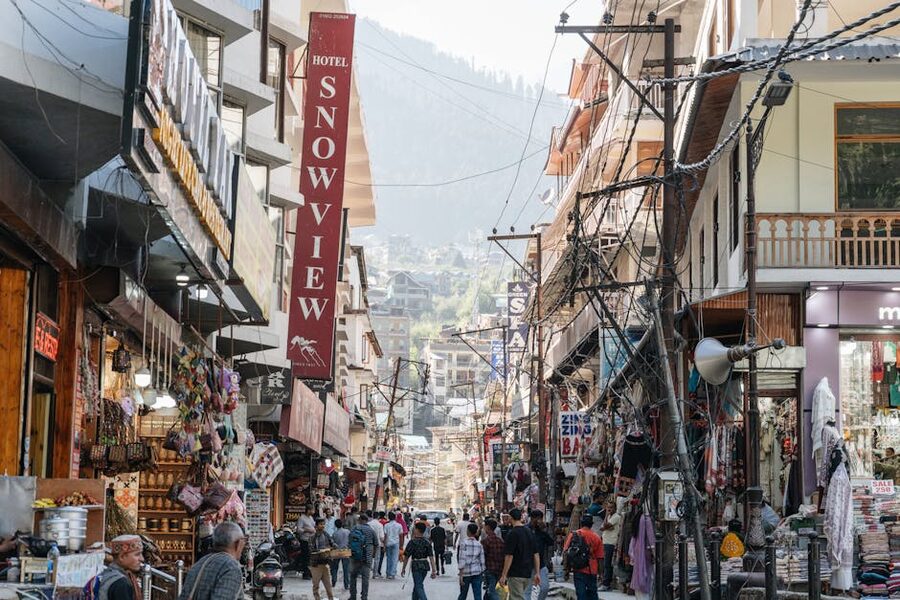
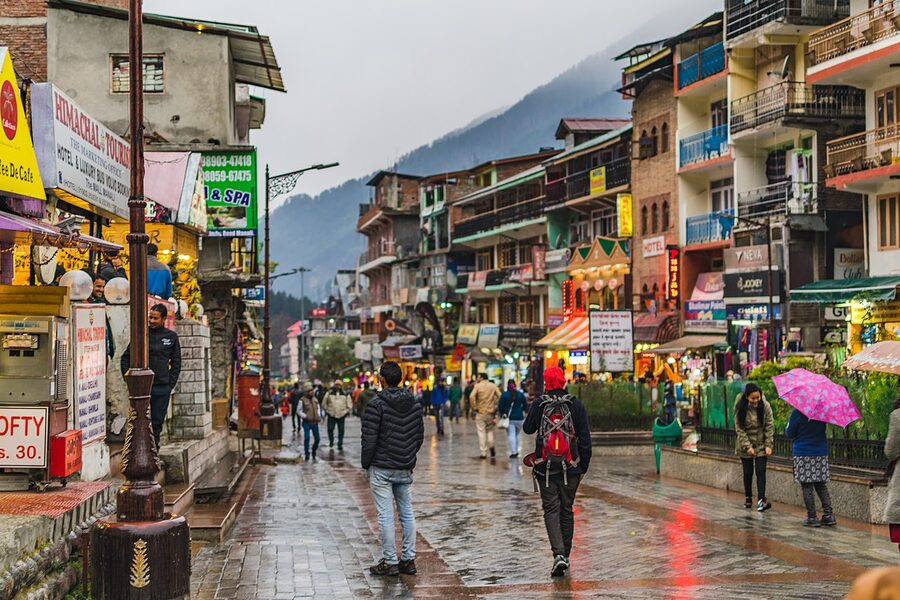
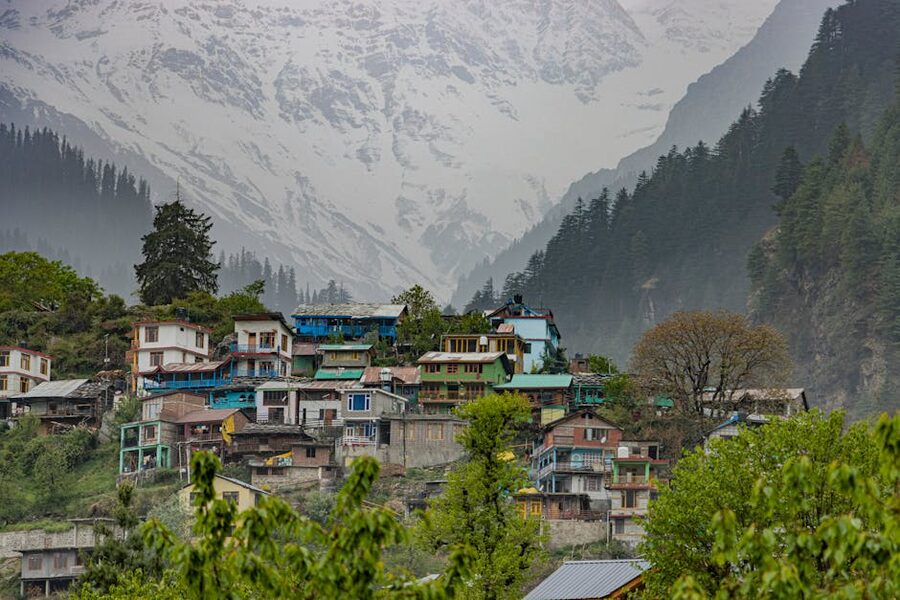
New Manali is the part most travellers picture when they think of the town: the bus stand, the Mall Road market, the bazaar lanes around it, the Tibetan Monastery, and the bulk of the three-star and four-star concrete-block inventory. Around 400 properties on the OTAs in this neighbourhood alone. It is convenient if you are doing organised day trips to Solang, Rohtang, and Manikaran, because every taxi and Volvo bus uses the bus stand as its base. It is loud, often crowded, and the air quality drops noticeably in the May and December peaks when the buses idle along the highway.
The New Manali hotels split into a few clear bands. The very budget end (₹600 to ₹1,500) on the highway lanes is OYO and OYO-clone territory: clean enough rooms, breakfast-only menus, no atmosphere. Hotel Renuka on the Mall, Hotel Anupam on Circuit House Road, and Hotel Highland on Log Huts Road sit in this tier with INR 500 to INR 1,500 starting rates depending on the week. None of these are wrong; none of these are memorable.
The mid-range band (₹2,500 to ₹6,000) is where most of the New Manali bookings land. Honeymoon Inn Manali, on Aleo on the left bank, is the standard mid-tier here with 59 rooms and a parking-and-restaurant setup that handles family groups well; Booking.com listing. Snow Valley Resorts in the Log Huts Area is the other widely-known mid-tier name, with 50 rooms and a long-running family management; check at Booking.com. Banon Resorts on Circuit House Road is in the same tier with the slight advantage of being older, with mature gardens that newer concrete properties in the same band don’t have; listing here.
The upper mid (₹6,000 to ₹12,000) starts to deliver a proper hotel experience. Hotel Mountain Top, perched on the slope above town, is one of the best-positioned for views; Booking.com. Larisa Resort Manali at Aleo, with its own pool and spa, sits at the upper end of this band; verify here. Sterling Manali, part of the Sterling Holidays chain, offers a predictable mid-luxury template with consistent service, on Booking.com.
Above ₹12,000 the New Manali properties get into the upper mid and luxury territory, but with a New Manali quirk: the buildings are mostly modern, the views are mostly partial, and the price premium is for amenity (heated pool, spa, restaurant ratings) rather than character. The Anantmaya Resort on Naggar Road is the prototypical upper-mid property here, with 42 rooms in a Tudor-style block and gardens; listing. Baragarh Resort & Spa by IHCL SeleQtions, with 33 suites and a heated pool overlooking the Pir Panjal, is the higher-end version; check at Booking.com. Storii by ITC Hotels Urvashi’s Retreat in Bipasha valley is the chalet-style cousin in the same price band, on Booking.com here.
One thing nobody says in the listings: the New Manali bus stand area is genuinely tough between the second week of May and the second week of June, and again from December 24 to January 5. The standard four-hour Volvo from Chandigarh has been known to take eleven during these peaks, the Mall Road market becomes uncomfortable to walk through, and Rohtang Pass permits sell out days in advance. If your dates are in either window, book a hotel with parking, an in-house restaurant, and a heated common area; you may need all three on the day the road jams.
Vashisht: Hot Springs, Stone Lanes, and the Mid-Range Sweet Spot
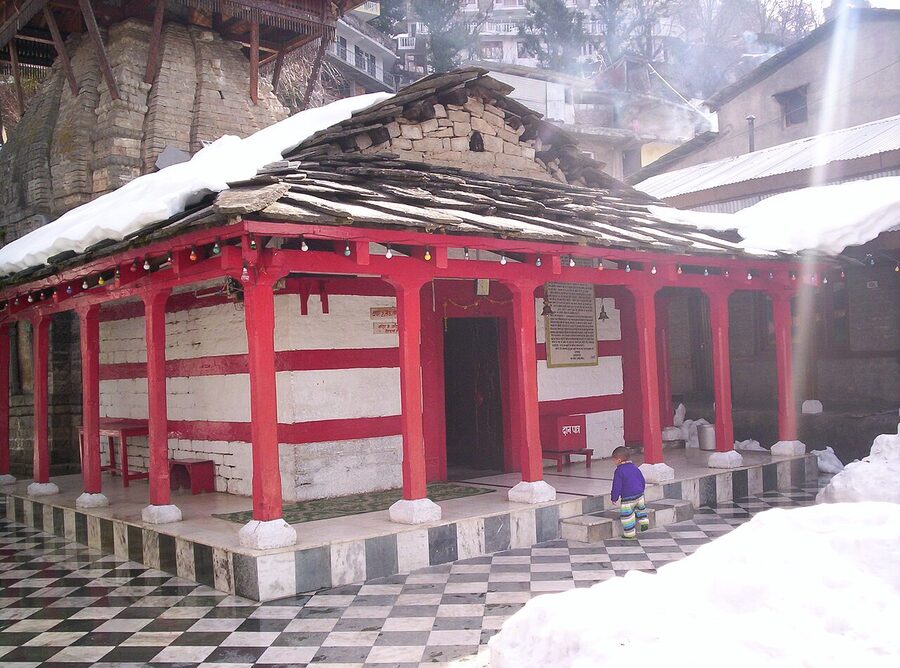
Vashisht is the village three kilometres up the eastern slope across the Beas. From central Manali it’s a ten-minute taxi ride or a steep twenty-minute walk up from the bridge. The village is built around a Shiva temple of indeterminate age (the present stone structure is at least 16th century, the foundations beneath it considerably older) and a set of natural sulphur hot springs that emerge from the hillside. The springs feed two public bathing tanks, separated by gender, free, and intensely sulphurous. Half the appeal of staying in Vashisht is being able to walk down for a 7 AM soak before the day-trippers from Mall Road arrive.
The hotel stock here is the most distinctive in Manali. The village is a tight cluster of three- and four-storey stone-and-cedar buildings, most of them now converted to small guesthouses with eight to twenty rooms each, plus a handful of mid-range hotels along the road in. Rooftop cafes are everywhere; in summer half the restaurants in the village are on a roof. The atmosphere is a working-village-meets-yoga-traveller mix that has somehow survived three decades of tourism without being completely flattened.
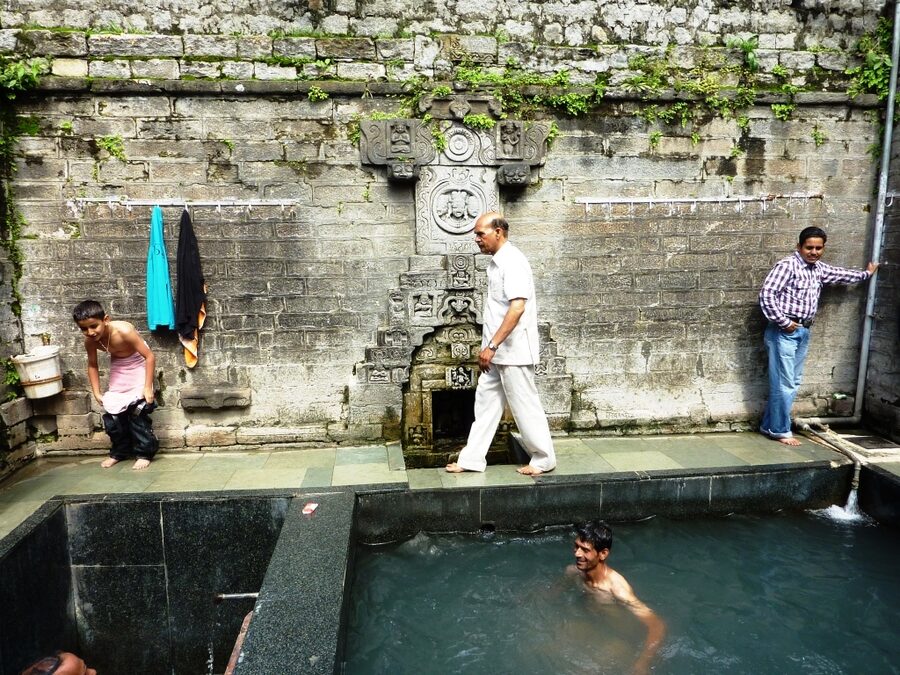
Vashisht price tiers
Budget guesthouses (₹500 to ₹1,500): Surabhi Hotel near the springs, Hotel Hollywood on Vashisht Road, and a long list of small unnamed family guesthouses in the upper village. Walk-ins are easy; in shoulder season nobody is fully booked. The rooms are basic, the showers are usually just hot, and breakfast may or may not be on the menu. This is where most long-stay yoga and meditation crowd has booked for years.
Mid-range with character (₹2,000 to ₹4,500): Hotel Valley View at Vashisht, on the cusp of the village with a balcony overlooking the gorge, has natural hot-spring water piped to its rooms; check at Booking.com. Nirvana hotel near the springs is in the same band; listing here. Both are walking distance from the temple. The Zostel chain has its Vashisht property at the upper end of this band, on Booking.com.
Upper mid and luxury (₹6,000+): Vashisht doesn’t really do luxury. The few properties calling themselves resorts are slightly upscale mid-range, not international-grade luxury; if that is what you want, the Hadimba area or the outskirts toward Naggar are the right places to look.
Two Vashisht-specific things worth knowing. First, the road in is steep and narrow, and gets blocked in fresh snow; in January and February ask whether the hotel is using its 4WD or whether you’ll be walking up from the bridge with luggage. Second, the village smells, mildly but persistently, of sulphur from the springs. Most people forget about it within an hour. A few find it intolerable. If you have a sensitive nose, ask a property whether their building is upwind from the bath complex before you book.
The Hadimba Area and Log Huts: Forest Cottages, Quiet Mornings
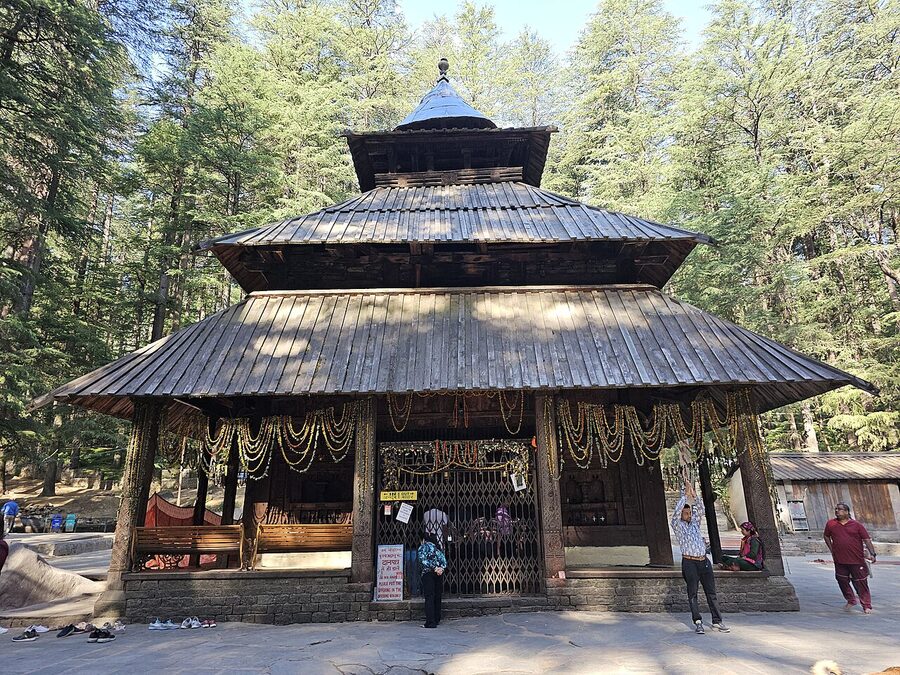
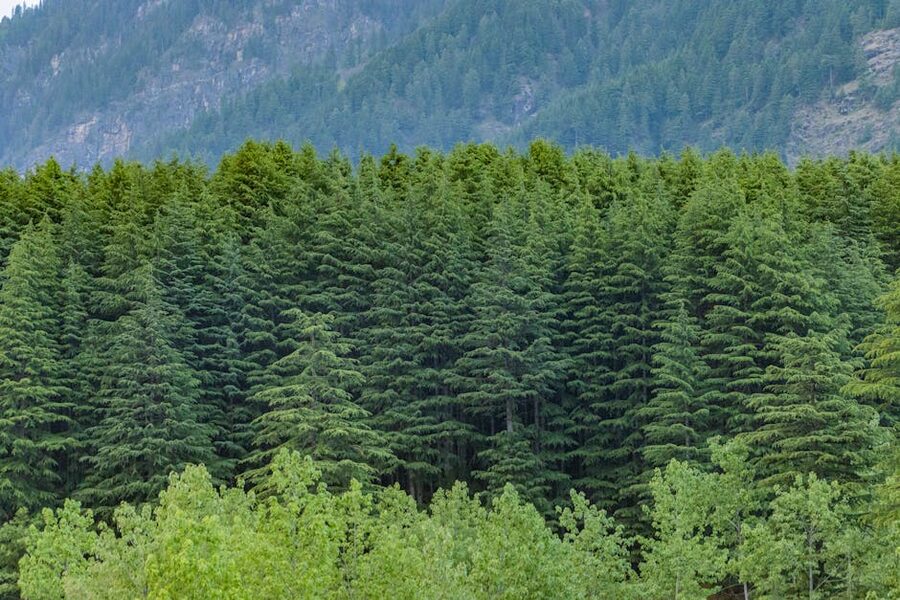
The Hadimba area is the strip of deodar forest immediately above and west of New Manali, around the 16th-century Hidimba Devi Temple at Dhungri. The local name for the cottage zone here is the Log Huts Area, after the original HPTDC log-cabin development from the 1970s, and the geography is what makes it. You are perhaps fifteen minutes’ walk above the bus stand, fully under tree cover, with the temple at the top of the hill and the bazaar at the bottom. The air is properly cooler than down on Mall Road, the night is properly quieter, and the morning is dominated by birds rather than horns.
The hotel inventory here is mostly mid-range cottages and a few three-star hotels. The original Log Huts properties are HPTDC’s: Hadimba Cottages and Log Huts Hotel, both bookable through hptdc.in directly. They are dated, modestly priced (₹2,500 to ₹4,500 a night), and the buildings have the kind of slightly-tired charm that comes with three decades of state-corporation maintenance. The Naggar Castle reviewer Dheeraj Sharma puts it well: HPTDC properties are good hotels with comfortable stays, but the in-room heaters are the same electric towers you would get in a ₹500 guesthouse, the chimneys in the heritage rooms have been welded shut to protect the building’s foundations, and you should not expect royal treatment because that isn’t the brief.
Around the HPTDC complex there is a cluster of private mid-range properties. Apple Country Resorts, with log cabins on the upper Log Huts slope, has been a known name here since the 1990s; book direct through their site, and confirm rates because the Booking.com listing is unreliable. Hotel Snowcrests Manor, perched higher up beyond the Log Huts, has good Pir Panjal views; mid-range tariffs in the ₹2,500 to ₹4,500 band. Hotel Sun Park at Aleo, on the left bank with valley views, is the same band; verify on Booking.com. The Manali Inn at Rangri and the Quality Inn River Country Resort on NH-21 sit at the upper end of this tier with conference-grade infrastructure.
The Hadimba area’s main upside over Old Manali is the trees. The main downside is the climb back up after dinner. From the Mall Road end of the bus stand it’s perhaps ten minutes uphill to most Log Huts properties; in winter, with snow on the lane, it’s longer and more cautious. Several of the cottages here have small private parking lots, which solves the problem if you have your own car.
One Hadimba area note: the temple itself draws thousands of day visitors during the May-June peak, and the lane outside it gets backed up with tour buses. If you are staying in this area and want to see the temple in peace, do it at 7 AM. The deodar grove around the building stays cool through the hottest summer afternoons, but the pilgrim queue at midday in season can be hour-long.
Solang Valley and the Up-Valley Corridor: Resort Properties and the Ski-Season Spike
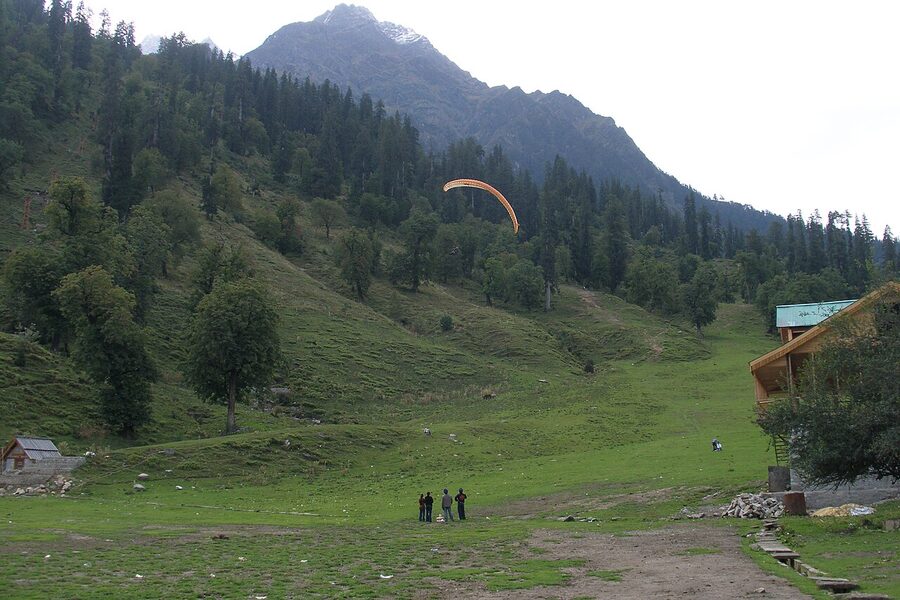
Solang Valley is 14 km north of Manali on the road that used to lead to Rohtang Pass and now leads to the Atal Tunnel. The valley itself is the wide meadow at the base of the Beas Kund glacier, between Hanuman Tibba and Patalsu peak. In summer it is a paragliding take-off and landing zone; in winter it carries the only beginner-grade ski slope in the area. The corridor between Manali and Solang, running through Burwa, Palchan, and Rangri, is where most of the resort-style hotels in the up-valley have built. About fifty properties along this 14-km strip.
The whole point of staying out here is the snow window. Roughly mid-December to mid-February, the Solang corridor is reliably under fresh snow, the ski schools at the meadow run beginner courses for around ₹2,000 a day inclusive of equipment, and the demand for the resorts that face the Pir Panjal spikes hard. Christmas to New Year and the late January snow weekends produce the steepest rate hikes in the entire Manali calendar, sometimes 80 to 100 percent above shoulder. The same property that costs ₹6,000 in early November may cost ₹14,000 on December 28.
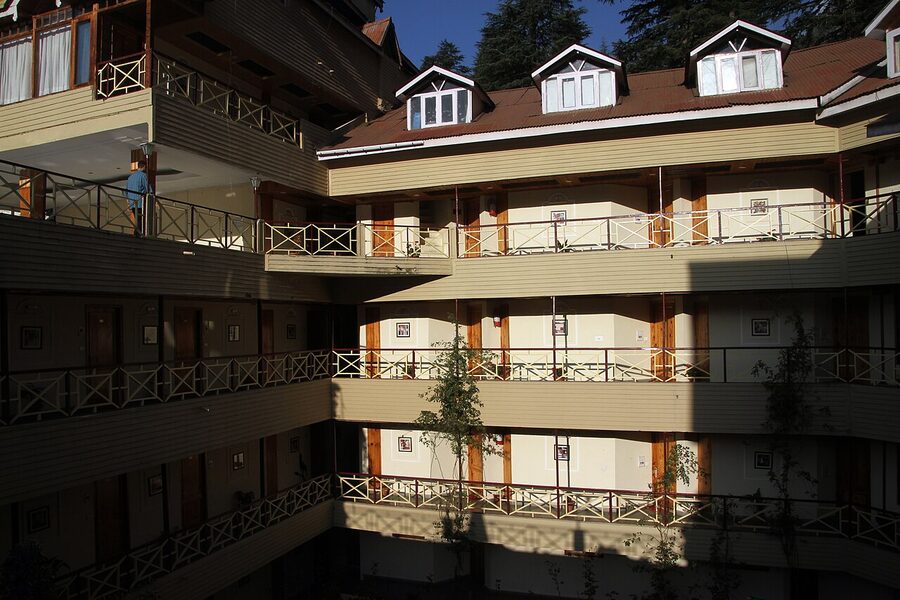
Manuallaya, The Resort & Spa at Burwa, a few kilometres before Solang itself, is the better-known spa-resort option in the corridor; it has a heated indoor pool and a workable winter brief. Verify rates on Booking.com. The Himalayan, in a converted castle-style building further down the road, is the most architecturally distinctive of the up-valley properties; listing. Span Resort & Spa at Katrain, on the river at the southern end of the corridor, is the longest-running upper-mid in the strip and a known winter base; verify here. Solang Cottage by Snow City Farm, at Palchan close to the meadow itself, is a smaller alternative for travellers who want to be closest to the lifts and don’t mind the very limited dining options; on Booking.com here. Happy Kamper Solang at the Solang village campsite is the budget option with 35 rooms, walkable to the cable car; book via the OTAs.
The trade-off with staying in the Solang corridor is dining. Once you are past Burwa, the only food after dark is whatever your hotel restaurant serves, and a few of the smaller properties shut their kitchen by 9 PM. If you came for paragliding or skiing and want to spend nights in town for the cafe scene, base in Manali and day-trip to the meadow. If you came specifically for snow and want to wake up next to it, then the trade-off is worth it. Off-season (April-October minus the brief paragliding peak) the corridor is quiet to the point of feeling empty, and rates drop accordingly.
One snow-season practical: snow chains or all-terrain tyres are necessary on the road past Solang in January and February. Most of the rental cars from the Manali agencies are not equipped for it. If you are planning to drive yourself out from town for the day, hire a local driver who knows the road; the cost difference is small, and the safety difference is not. Several of the resorts here include shuttle service to and from Mall Road in the room rate; ask before you book if that matters to you.
The Outskirts Toward Naggar: Heritage, Boutique, and the Quietest of the Lot
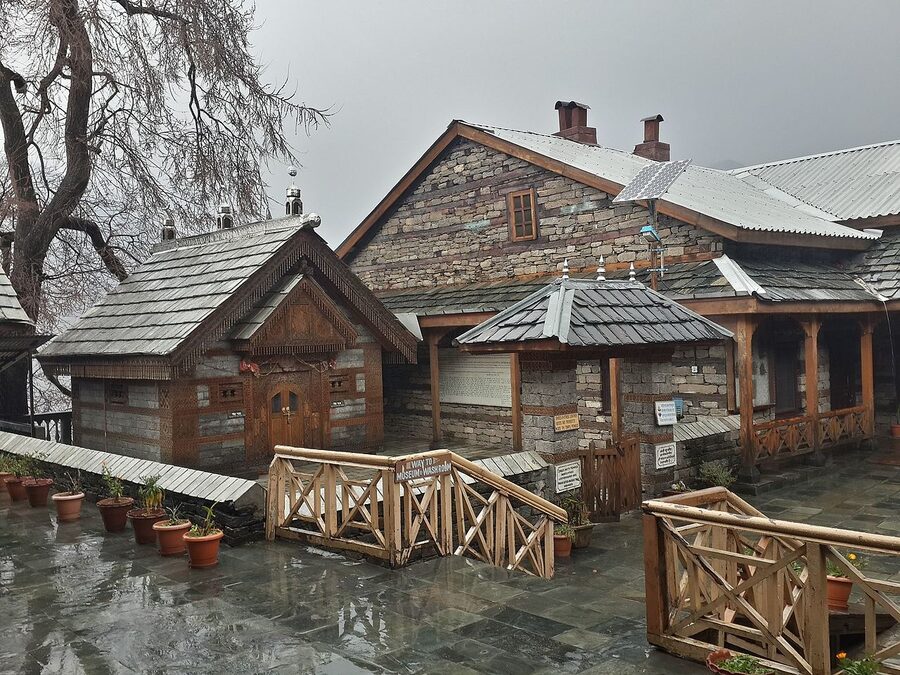
South of Manali on the left bank of the Beas, the road runs through Aleo, Prini, Katrain, and Patlikuhl before turning off at the Patlikuhl bridge for Naggar village 22 km out. This whole strip, the country between the working town of Manali and the heritage village of Naggar, is where the most distinctive accommodation in the area sits. Heritage castle stays, orchard cottages, boutique homestays in restored kath-kuni houses, and a few of the genuinely interesting eco-lodges that have opened in the last decade. Most of these properties have nothing to do with the Manali bus-and-bazaar machine; they have been built for travellers who explicitly do not want that side of Manali.
Naggar Castle
Naggar Castle is the headline. Built around 1460 AD by Raja Sidh Singh of Kullu using the traditional kath-kuni technique (alternating courses of stone and cedar, no nails, no iron), it served as the seat of the Kullu kingdom for centuries before the capital moved down to Sultanpur. Today it operates as a 17-room HPTDC heritage hotel spread across two accommodation blocks. The castle is at 6,700 feet on the left bank of the Beas, with panoramic views of the Kullu Valley, snow-capped peaks, and apple orchards. It stays markedly quieter than Manali even in peak season.
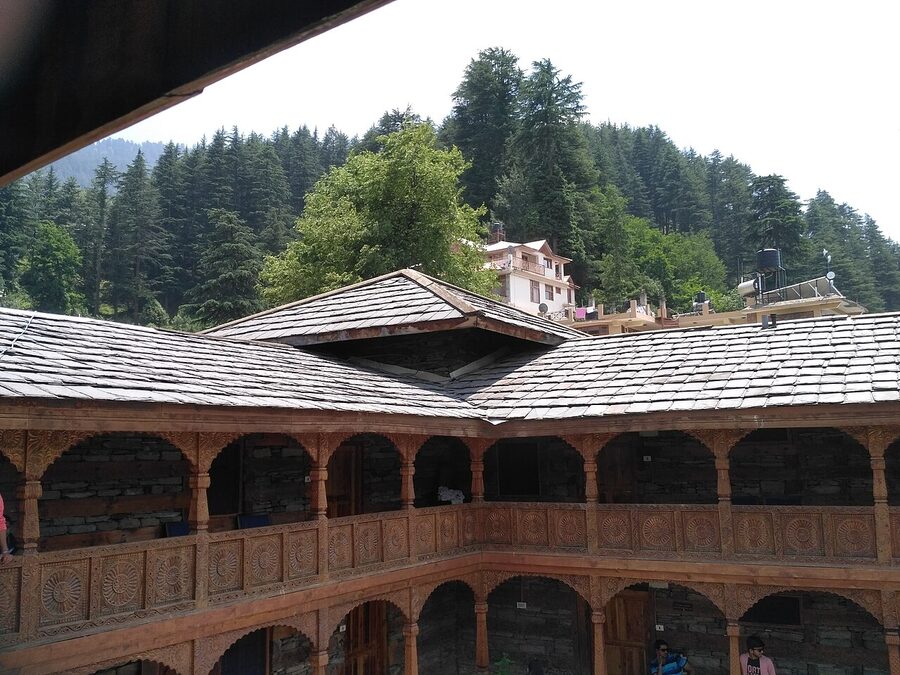
Tariffs as of 2026 run from ₹2,100 for a standard room in the rear block to ₹6,300 for the Royal Suite, with 12 percent GST on top. HPTDC offers a 25 to 30 percent off-season discount from mid-November through February, which is precisely when Naggar is at its loveliest under fresh snow. The four front-facing rooms (now named River View Suite, Green Field Suite, Her Highness Suite, and Baragarth Fort Suite, formerly numbered 101, 102, 103, and 112) are the ones to ask for; the valley views from those balconies are what people come here for. Block B, on the restaurant side of the courtyard, has more character than Block A. Bookings go through the official HPTDC channels: their site at hptdc.in, the Naggar reception at +91 (01902) 248316, or [email protected] directly.
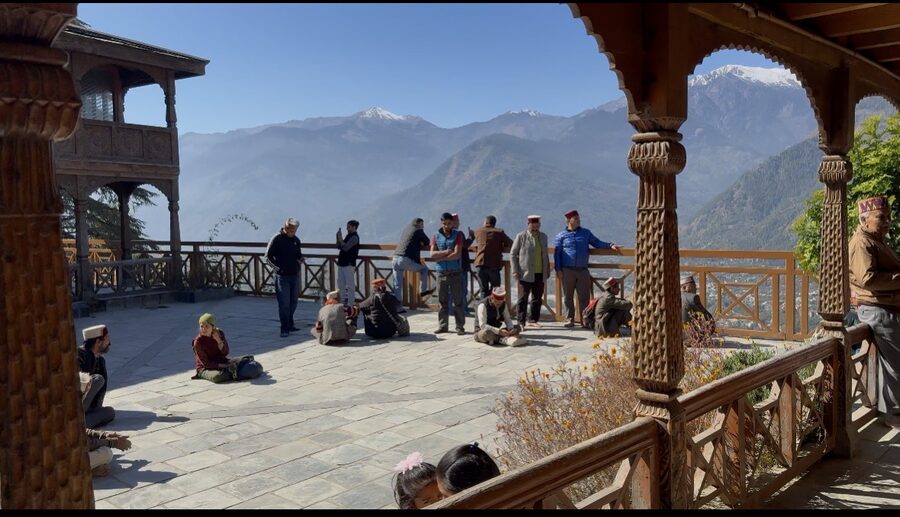
Two caveats worth flagging. First, the rooms are atmospheric rather than luxurious. The British-style chimneys in the heritage suites have been welded shut to protect the foundations, and the heating in winter is electric tower units of the same kind you would get at a much cheaper guesthouse. Second, the castle staff goes off-shift at 9 PM in winter, and the EPABX system shuts down during thunderstorms, which means the room phones are dead. Save a staff WhatsApp number on arrival. None of this means Naggar Castle isn’t worth booking; it means it is a heritage stay, not a five-star hotel, and reading it as the latter is the source of most negative reviews online.
Other Naggar-area properties
Around Naggar village there is a cluster of boutique and heritage properties for travellers who want the Naggar atmosphere without the HPTDC trade-offs. Tree of Life Eila Art Hotel in the deodar forests just outside the village is the standout: ten rooms, most with Dhauladhar views, some with skylights, a small pool, and a menu that runs from Himachali dham to Rajasthani; doubles from around ₹13,900 with breakfast, on Booking.com. La Paraiso, in Nashala village 2 km from Naggar town on the Naggar-Jana Road, is the upper-luxury alternative; glamping pods with private jacuzzis, a small spa, a bar, and a refined experience among apple orchards. The North, a restored kath-kuni mudhouse in Naggar village itself, is the boutique mid-range pick; book direct via Instagram. Alliance Guest House and Ragini Cottages are the budget-and-mid options, ₹800 to ₹5,600 a night.
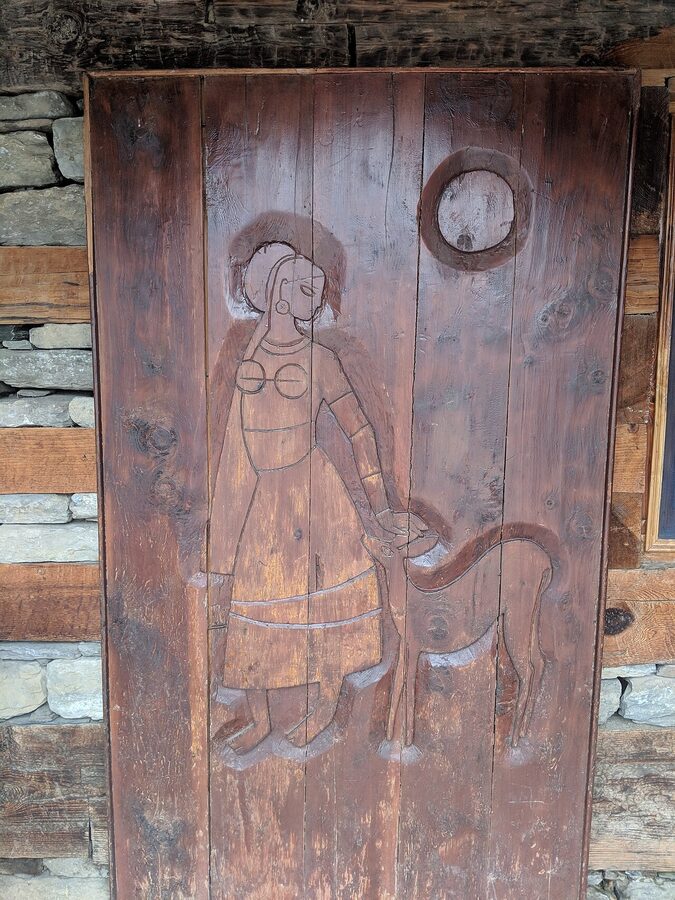
If you are willing to go further out, the country around Bathar (between Manali and Naggar), Pangan, Raison, and Rumsu has some of the most distinctive boutique homestays in the state. Vasti at Bathar is a wood-and-stone homestay built for slow living, with three bedrooms and a kitchen garden, run by host Mayuri Sinha; doubles from ₹7,000 a night, listed only on Airbnb. Hunzuru at Pangan is a five-bedroom mud-and-stone homestay built on the wabi-sabi philosophy, doubles from ₹6,299. Raison D’être on the Beas is a four-bedroom guest house with an infinity pool and an apricot tree, ₹7,499 a night. Hygge House at Raison is a four-bedroom cottage that books only as a whole, ₹30,000 to ₹36,000 for the entire property. Sitara Himalaya, at 8,200 feet on the way to Lahaul-Spiti, is the high-luxury entry from Anita Lal of Good Earth; doubles from ₹90,000 with three-night minimum, all-inclusive of meals, transfers, and excursions.
Outskirts proper: Aleo and Prini, just south of town
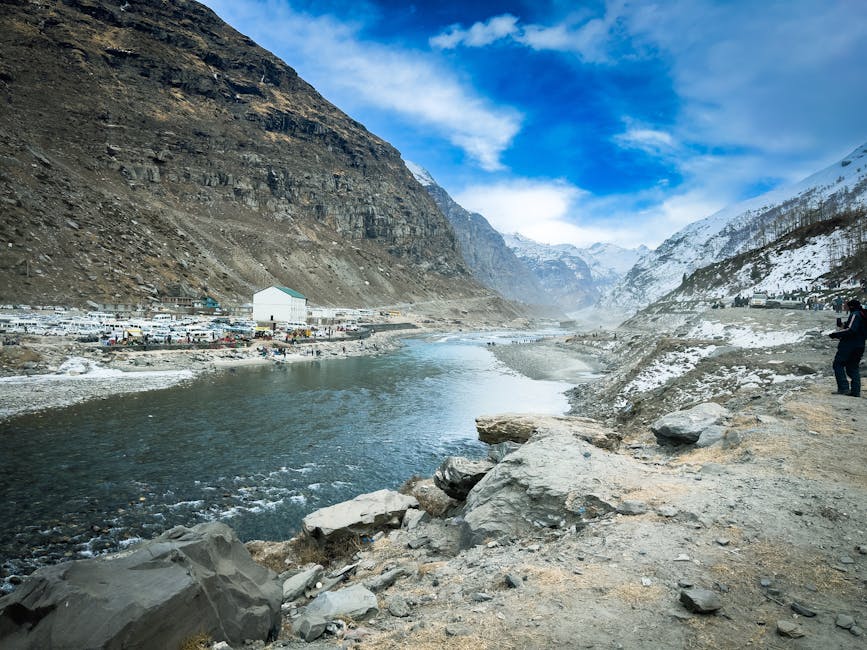
The Aleo and Prini strip on the left bank, two and four kilometres south of Mall Road respectively, is where most of the upper-mid Manali resorts have built. These are the properties that wanted river-side land, mature gardens, and parking, and weren’t going to find any of that on the right bank. Larisa Resort Manali (Aleo), Sun Park Resort & Spa (Aleo), Sterling Manali (Prini), and the Anantmaya Resort (Naggar Road) all sit in this strip. The trade-off compared to staying in town is a five- to ten-minute taxi to Mall Road; the trade-off compared to Naggar is that you are still effectively in greater Manali, with the bus-and-bazaar machine just over the bridge. For families who want a central base with the option to retreat from the Mall Road crowd at the end of the day, this is the most workable compromise the area offers.
How Demand Spikes by Season (and What That Means for the Wallet)
The four trading periods that the Manali hotel inventory respects almost universally are these. Peak summer (mid-April to mid-July) is the busiest: rates 60 to 100 percent above winter base, the road in routinely takes twice as long as scheduled, and the supply at every tier is the tightest of the year. Monsoon (mid-July to mid-September) drops everything by 30 to 50 percent; the hills are green, the cafes are quiet, the rivers are in flood, and the road in is dicey enough that some guests cancel last-minute. Autumn shoulder (October to early November) is the connoisseur’s window: cheapest of the cheap rates, September’s clarity, the apple harvest still on the trees, and the high passes still open. Winter (late November to March) is the second peak, especially for the snow weekends; Christmas and New Year weeks get marked up the hardest of any nights in the calendar.
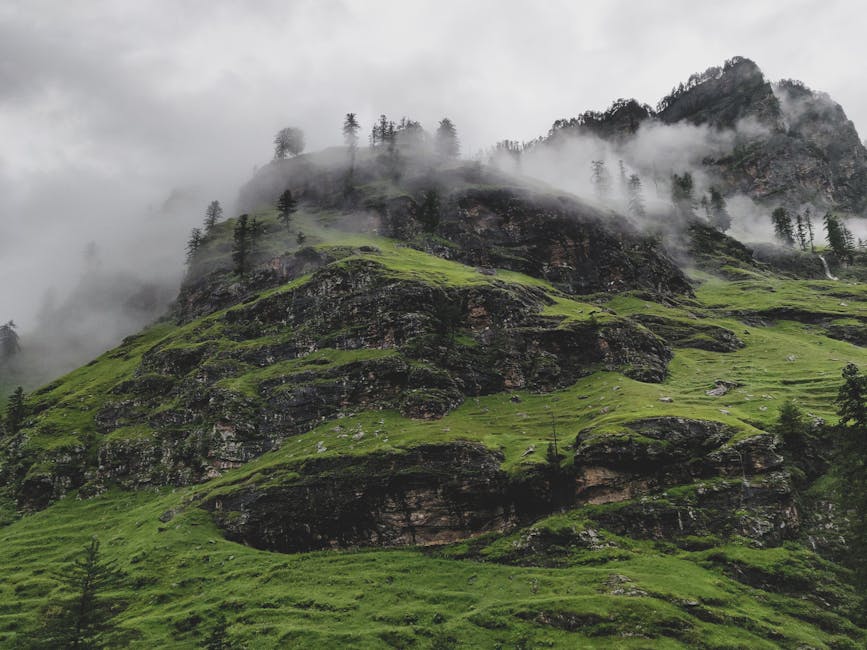
The Solang corridor is on its own calendar within this. Its big spike is December to February for the snow trade, with a smaller secondary peak through May and June for paragliding. October at Solang is dead-quiet and roughly half the November-onward rate. If you have flexibility, this is the most rate-sensitive part of the Manali market.
The Naggar and outskirts properties are less seasonal than central Manali. They draw a different clientele (heritage travellers, slow-stay couples, honeymooners) whose dates aren’t pinned to school holidays. Naggar Castle’s off-season discount runs precisely through the November to February window when central Manali’s rates are spiking; the discount stack with the snowfall makes for one of the better-value windows in the entire region. We cover this trip type in more depth on the honeymoon-in-Himachal page.
What ₹4,000 Buys You at Each Area
If you fix your budget at ₹4,000 a night for a double in shoulder season (mid-September or November), here is roughly what the same money buys you across the six areas, assuming you book ahead rather than walking in:
Old Manali: A clean cottage room with a heater, a working geyser, an attached bathroom, a balcony with at least an angle on the river or orchards, and breakfast included. Family-run, ten to twenty rooms, a five-minute walk to half a dozen cafes. Likely a 1990s building dressed up to look older.
New Manali / Mall Road: A larger and more anonymous mid-range hotel room: predictable shower, polite reception, breakfast buffet, parking. Forty to sixty rooms, two- or three-star. Walking distance to the bus stand and the bazaar.
Vashisht: A boutique guesthouse room with character, possibly piped sulphur water in the shower, a rooftop with valley views, and ten minutes’ walk to the public hot springs. Six to fifteen rooms. The owners may eat dinner with you if it’s slow.
Hadimba area / Log Huts: A cottage room under deodars with a good chance of a pine-paneled interior, parking, and a fifteen-minute downhill walk to Mall Road for dinner. Often part of a 1980s holiday-home development.
Solang corridor: An older mid-range room at one of the resort properties that overstocks for the snow season, with a heated common room, a restaurant that’s the only food option after dark, and a 14 km drive to Manali for anything else.
Naggar / outskirts: Either a heritage-block room at Naggar Castle (₹2,100 to ₹3,300 in off-season) with the difference in budget left for a second night, or a boutique homestay room at one of the smaller properties around Bathar and Raison.
The short answer to “which area for ₹4,000?” is Vashisht or Old Manali for character, the outskirts for quiet, the Solang corridor for snow, and New Manali only if convenience trumps everything else. We have a state-wide context piece at hotels in Himachal that places this against the same money in Shimla, Dharamshala, and Dalhousie if you are still choosing between hill stations.
Practical Things Nobody Puts on the Listings
A few things that come up after you have booked and that nobody puts on the OTA listings.
Heating in shoulder and winter is electric tower units in almost every property under ₹15,000 a night. The HPTDC heritage stays included. If you are sensitive to dry heat or have a chest condition, ask whether the room has an oil radiator instead, and check on arrival that the unit works. Cold rooms in November and February are a meaningful percentage of the negative reviews on Booking.com for Manali properties; the hotels almost always have spare units somewhere on the premises and just need to be asked.
Hot water is on a geyser in most mid-range properties. Some of the budget cottages in Old Manali and Vashisht run morning-only hot water with a shared boiler; ask before you commit, especially if you want a bath after a day on the snow. The HPTDC properties have hot water all day but the supply pressure can be modest.
WiFi is generally workable in the central areas (Mall Road, Old Manali, Aleo) but degrades quickly in Vashisht, the Hadimba upper Log Huts, and out toward Naggar. Airtel and Jio are the most reliable mobile networks; BSNL has the best coverage above 2,000 metres for emergencies. If your work depends on bandwidth, ask the hotel for a speed test before you pay for a long stay.
The road from Chandigarh to Manali is officially a six-to-eight-hour drive after the Kiratpur-to-Manali four-laning, but in May, December, and during landslide season it can stretch to twelve or fifteen. The Volvo overnight from Delhi (HRTC and a few private operators run them daily from Kashmiri Gate ISBT) costs ₹1,200 to ₹1,800 and is the most reliable option in bad-road conditions. The official HRTC site at hrtchp.com takes online bookings, and the Kullu district administration’s official site hpkullu.nic.in publishes road-status updates during landslide season. We cover the door-to-door trip on the Delhi to Manali tours page.
Cars and taxis: most central Manali hotels do not have parking that fits more than a hatchback or compact sedan. If you have an SUV, ask in advance whether they can accommodate it. The taxi unions in Manali are strict and meter-free; rates are negotiable but hotels can usually book a fair-priced one for you. Self-drive rentals from Bhuntar airport range from ₹2,500 to ₹4,500 a day depending on vehicle and season.
How Manali Compares to Other Bases in the Region
If you are still choosing where to base in Himachal, the relevant comparison set for Manali is this: Shimla for colonial-heritage architecture and a more developed urban experience; Dharamshala-McLeod for Tibetan-Buddhist culture and Dhauladhar views; Kasol for backpacker scene and the Parvati Valley; Naggar for heritage stays without the Manali bus-stand; Spiti via Kaza for trans-Himalayan landscape that Manali simply doesn’t have. We cover all of these on the tourist attractions of Himachal page, and the tour packages overview bundles them into longer itineraries.
For the Manali area specifically, three near-neighbour bases are worth knowing about. The Manali Wildlife Sanctuary is on the slope above the town and is what the Hadimba forest stock effectively backs onto. Lahaul-Spiti via the Atal Tunnel is now an hour from Manali year-round, opening up Sissu, Keylong, and Jispa as alternative bases for the high-altitude experience. The Manali destination guide covers the things-to-do question that determines how long you stay and where.
For travellers building a longer Himachal trip, the standard Manali stay runs three nights minimum: one to recover from the road, one for Solang and the things-to-do circuit, one for either Naggar or a Lahaul day trip. Stays of five nights or more open up the more interesting moves: a night at Naggar Castle, a night in Vashisht, a side trip to Jwalamukhi temple or south to Kullu for the Dussehra in October, or further south to Chail with its old palace.
The Short Verdict
If you are reading this trying to decide where to book and you want one recommendation per trip type, here it is.
For a first-time three-night Manali trip in shoulder season: book a mid-range cottage in Old Manali with a balcony angle on the river. Budget ₹3,500 to ₹5,000 a night.
For a snow week between mid-December and mid-February: book the Solang corridor (Manuallaya, Span Resort, or one of the Palchan cottages) at least six weeks in advance. Budget ₹8,000 to ₹14,000 a night and accept the dining limitation.
For a couples’ trip or honeymoon: skip central Manali entirely. Book Naggar Castle for the heritage night, then move to one of the boutique cottages around Bathar or Raison for the rest. Budget ₹6,000 to ₹15,000 a night depending on property.
For a long-stay or workation: Vashisht for the village-and-springs combination, or Naggar for orchards and quiet. Avoid central Manali for stays over a week; the noise gets old.
For families with kids and grandparents: the upper-mid resorts at Aleo or Prini (Larisa, Sun Park, Anantmaya, Sterling) are the right brief. Pool, parking, restaurant, predictable rooms, five-minute taxi to Mall Road. Budget ₹6,000 to ₹12,000.
For backpackers: the Hosteller, Joeys, or Zostel in Old Manali. ₹600 to ₹1,200 a bed. Cafe scene, music bars, and the river out the back.
One last thing: book direct with HPTDC for any of their properties (Naggar Castle, Hadimba Cottages, the Log Huts, Hotel Rohtang Manalsu). Nobody else carries them, the rates are flat year-round, and the off-season discount window from mid-November through February is the best-value hotel deal anywhere in the Manali area.