McLeod Ganj and Dharamshala can feel like two worlds in one valley. This private 2-day tour works because it mixes Tibetan spirituality with practical cultural stops you can actually understand. I especially like that you start at Tsuglagkhang Temple and then follow up with places tied to Tibetan preservation and learning, not just sightseeing. One watch-out: it’s a moderate walking itinerary, and you’ll be doing temple steps and a circuit walk that can feel long in warm weather.
The second day keeps the tone calm and thoughtful, with monastery and nunnery time, then shifts into art and tea for an easy landing. This is the kind of trip where a good guide matters, and English-speaking guides are included, with feedback often calling out guides such as Vikram, plus drivers and assistants named Pranav and Arzun for keeping things smooth.
In This Review
- Key Things I’d Plan Around
- Two Days That Feel Like More Than Stops in a Car
- Tsuglagkhang Temple and the Kora Walk: A Good First Lesson
- Tibetan Museum, Men-Tsee-Khang, and the Healing-Texts Connection
- Tibetan Library & Archives and Bhagsu Nag Temple: Quiet Meaning
- Gyuto Monastery: Tantric Meditation With Mountain-View Calm
- Norbulingka Institute and Dolma Ling Nunnery: Art Preservation and Daily Ritual
- Aghanjar Mahadev Temple: A Forest-Set Shiva Stop
- Kangra Art Museum and Kangra Tea Plantation: A Softer Finish
- Price and Value: Is $94 Fair for Two Days?
- What You’ll Really Get From the Best Stops
- Who This Tour Suits Best (And Who Might Want to Skip It)
- Should You Book This Private McLeodGanj & Dharamshala Tour?
- FAQ
- What does the tour include?
- What is not included?
- How long is the tour?
- Is lunch provided?
- Can I take photos?
- Are there any restrictions on the tour?
Key Things I’d Plan Around
- Tsuglagkhang + Kora walk gives you the Tibetan-Buddhist rhythm in a way that’s more than just photos
- Men-Tsee-Khang explains Tibetan medicine and astrology with a clear, human scale
- Tibetan Library & Archives is one of the strongest stops for understanding what’s being preserved
- Monastery and nunnery visits help you see daily practice, not just big religious buildings
- Kangra Art Museum + tea plantation ends with culture and a slower pace before you return to your hotel
Two Days That Feel Like More Than Stops in a Car
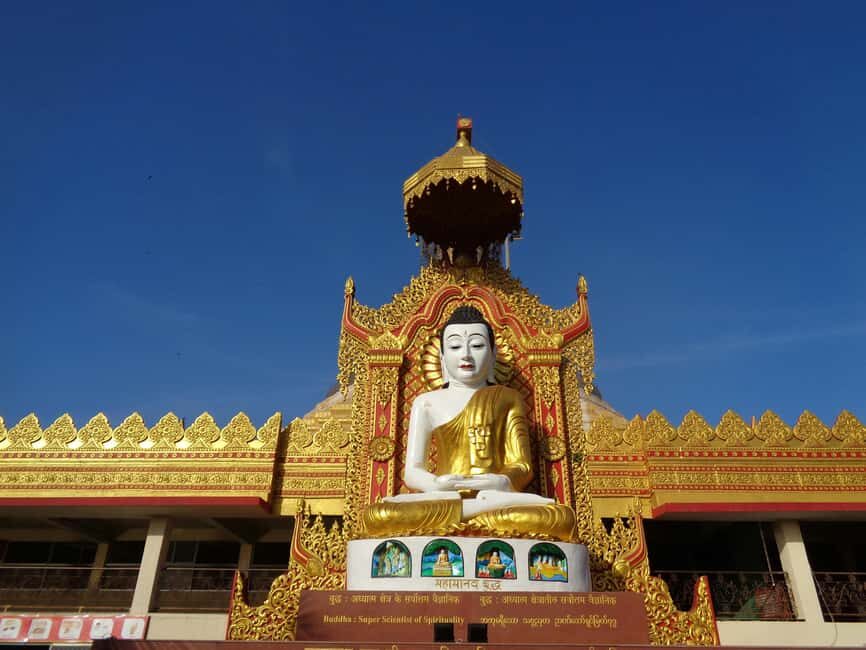
A private car plus an English-speaking guide makes a big difference here. You’re not rushing on your own schedule, and you’re not guessing what you’re looking at. The itinerary is built around meaning: where Tibetan Buddhism lives now, how it’s being kept alive, and how local Himachali culture mixes into the spiritual landscape.
I also like the pacing. Day 1 leans spiritual and knowledge-based, stacking major sites in McLeodganj and nearby areas. Day 2 spreads out across monasteries, art preservation, and then the Kangra Valley arts and tea, so the trip doesn’t feel like one long religious marathon.
Your main trade-off is simple: you’ll walk, and some spots are set up for reverence and prayer, not casual roaming. Bring comfortable shoes and expect you’ll want water on hand throughout.
A few more Dharamsala tours and experiences worth a look
Tsuglagkhang Temple and the Kora Walk: A Good First Lesson
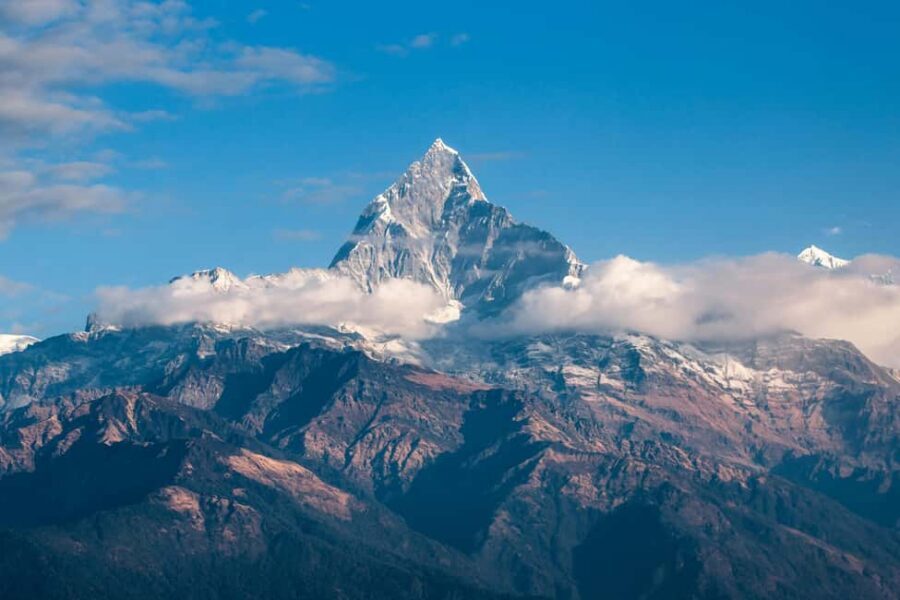
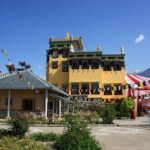
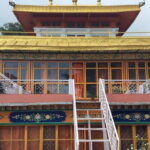
Your first real experience is the Dalai Lama Temple complex, known as Tsuglagkhang. This is often described as the spiritual heart of Tibetan Buddhism and the residence of the 14th Dalai Lama. Even if you’ve seen pictures before, being there in person tends to make it feel less like a landmark and more like a living place.
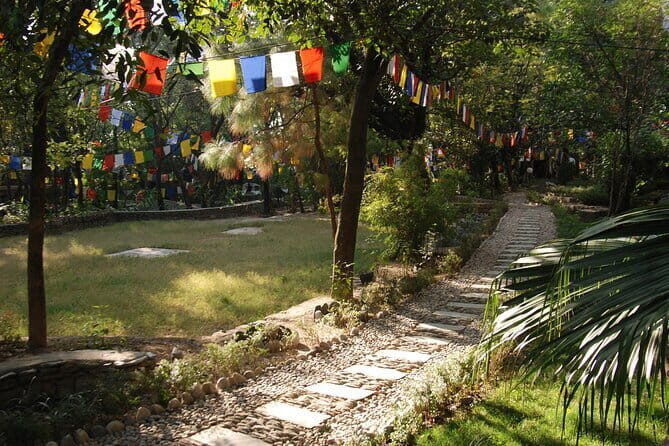
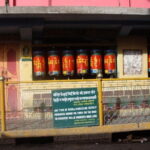
From the temple, you continue with the Kora Walk, a meditative circumambulation around the complex. You’ll see prayer flags, mani stones, and spinning prayer wheels along the way, and the views can be a big part of why people remember this moment. The guide’s job here is important: you want the symbolism explained without turning it into a lecture.
A drawback to expect: this area can feel active and busy, and it can be harder to move quickly when people are praying or moving in family groups. Go slower than your instinct says, and treat it like a calm walk, not a race between photo points.
Tibetan Museum, Men-Tsee-Khang, and the Healing-Texts Connection
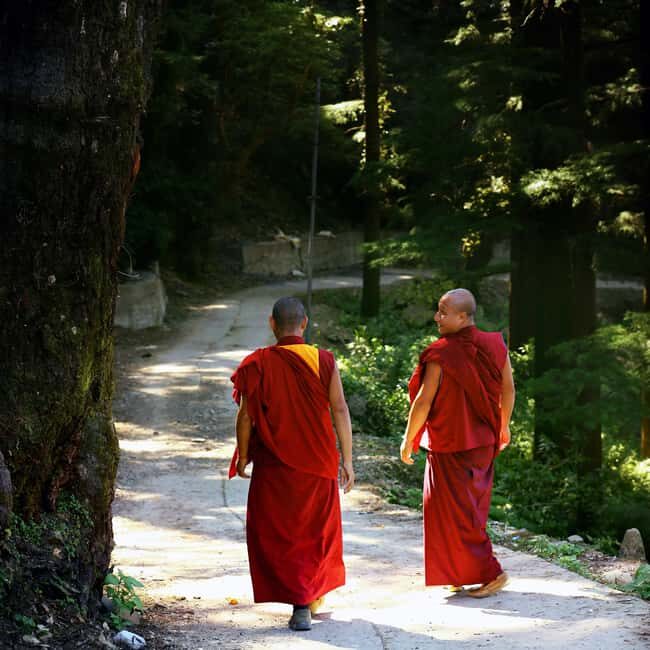
After the temple circuit, you shift from spiritual practice into Tibetan history and survival. Next comes the Tibetan Museum, where you explore Tibet’s history and the struggles of exile, along with efforts to preserve Tibetan culture. This is a helpful transition because it gives context for why so many institutions in the area feel mission-driven.
Then you visit Men-Tsee-Khang, the Tibetan Medical & Astro Institute. This stop stands out because it’s not only about belief. You learn about ancient Tibetan healing techniques, herbal medicine, and astrology. Even if you’re not trying anything medical, the larger point matters: in Tibetan culture, healing is often tied to a worldview, not just symptoms.
Practical tip: these places may have rules about where to stand and how to observe. Follow your guide’s cues and keep your camera use respectful. You’ll enjoy it more if you’re present for the explanations instead of scanning for a single “perfect shot.”
Tibetan Library & Archives and Bhagsu Nag Temple: Quiet Meaning
One of the most compelling stops is the Tibetan Library & Archives. It’s described as one of the richest repositories of Buddhist texts and manuscripts outside Tibet. This is the kind of place where you start to understand preservation as work—care, cataloging, and safeguarding—rather than as a vague cultural mission.
If the temple day feels emotional, this stop often feels grounding. You’re seeing what’s left, what’s been protected, and what continues through books and manuscripts.
Then you head to Bhagsu Nag Temple, an ancient Hindu shrine associated with both Indian and Tibetan spiritual traditions. This cross-cultural layer matters. It reminds you that the region is not an isolated Tibetan bubble; it’s part of the broader Himachal spiritual world, where traditions share space and influence.
This is also one of those times where the day’s walking adds up. You may not think about it until you’re done, so keep your water bottle close and pace yourself through the temple areas.
Gyuto Monastery: Tantric Meditation With Mountain-View Calm
On the second day, your tour begins at Gyuto Monastery, known for tantric meditation and Buddhist philosophy. It’s also connected with the reincarnation of the great Karmapa, which gives the monastery a special place in Tibetan Buddhist life.
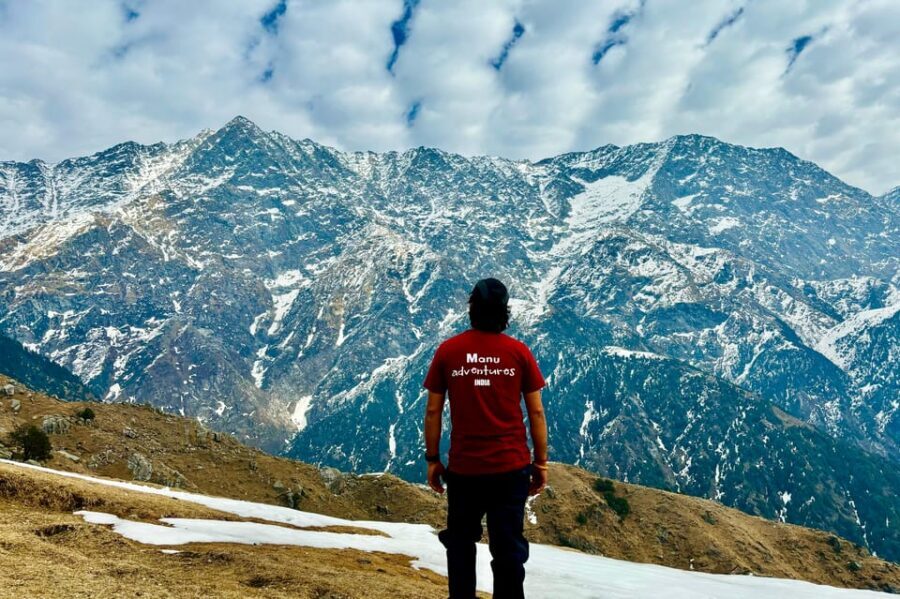
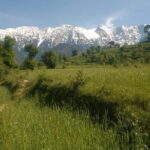
The setting helps. The itinerary notes breathtaking views of the Dhauladhar mountains, and that kind of scenery changes the feel of spiritual sites. You go in expecting prayer spaces; you also end up enjoying the stillness that comes with being up in the hills.
A consideration: tantric meditation and monastic philosophy can feel more conceptual than a temple circuit. If you’re the type who likes straight answers, you’ll be glad you have a live guide. If you’re more curious than formal, just let the quiet atmosphere do its job.
A few more Dharamsala tours and experiences worth a look

Norbulingka Institute and Dolma Ling Nunnery: Art Preservation and Daily Ritual
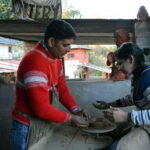
Next is the Norbulingka Institute, a hub for preserving Tibetan art and culture. The focus here is practical craft. You can see artisans practicing Thangka painting, wood carving, and metalwork. This is one of the stops where the value feels immediate: you see the skills being kept alive right now.
If you’re curious about what Thangkas actually are beyond an image on a wall, this is where you get the human context: tools, technique, and the discipline behind the art.
Then you visit Dolma Ling Nunnery, an important center for Tibetan Buddhist nuns. This stop is about observing daily prayer and ritual, and it offers a quieter look into monastic life. The key here is respect. You’re observing people’s routine, so keep voices low, move carefully, and don’t try to turn it into a performance.
Aghanjar Mahadev Temple: A Forest-Set Shiva Stop
After the more Tibetan-focused sites, the tour includes Aghanjar Mahadev Temple, a sacred Shiva temple believed to be over 500 years old. It’s set in a serene forest area, and there’s a story tied to it: Arjuna from the Mahabharata is said to have meditated here.
This stop is a nice contrast. You’re not switching religions to chase novelty; you’re seeing how spiritual stories layer through the region. It also gives you some shaded time, which can be a real relief when the sun is strong.
Lunch is on your own here. That’s worth planning for. If you want to avoid getting stuck looking for food later, decide ahead of time what you’ll spend and what you can realistically eat during the day.
Kangra Art Museum and Kangra Tea Plantation: A Softer Finish
To close the tour, you visit the Kangra Art Museum, where you explore the history and culture of the Kangra Valley. This is a helpful way to broaden your perspective beyond Tibetan institutions. You get a sense of the local culture shaping what visitors see today.
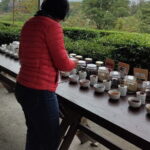
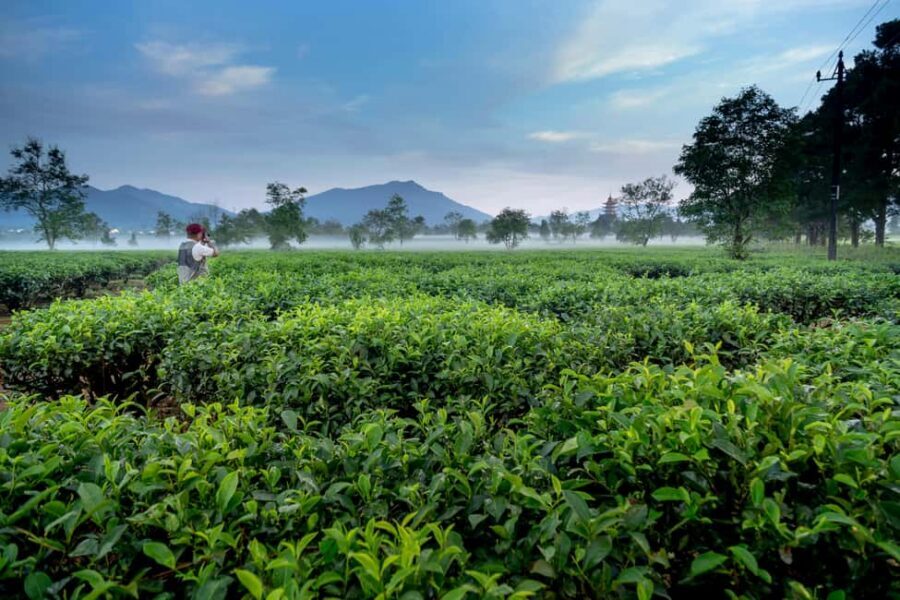
Then the final act is the Kangra Tea Plantation. You stroll through the tea gardens, learn about the tea-making process, and enjoy a fresh cup of Kangra tea while you’re surrounded by the greenery. The practical value here is that it turns the final day into a decompress moment after temples and museums.
If you’re sensitive to sun, take your hat seriously. Even if the walk is easy, tea gardens mean you’re likely outside for stretches.
Price and Value: Is $94 Fair for Two Days?
At $94 per person for two days, the price feels reasonable once you look at what’s included: hotel pickup and drop-off, a professional English-speaking guide, a private car, and sightseeing aligned to the full two-day plan, plus all taxes.
You’re paying for three things:
- Time and logistics: a driver who can handle the steep, bending roads
- Guidance: a guide who can explain what you’re seeing, so you don’t just move between buildings
- Access to meaning: multiple sites tied to learning, preservation, and daily monastic life
The parts that are not included matter for your budget. Lunch isn’t included, and monument fees are not included either. If you add your own meals and any entry charges you encounter, the real total may rise. Still, compared with piecing together a private guide day-by-day, this tends to be a clean way to get a structured 2-day experience.
What You’ll Really Get From the Best Stops
This tour is strongest when you care about context. The most memorable moments are usually:
- Understanding why Tsuglagkhang and the Kora walk are central, not just where they are
- Seeing the practical side of Tibetan preservation at the Tibetan Library & Archives
- Learning how Tibetan culture connects belief with daily knowledge at Men-Tsee-Khang
- Watching Tibetan craft skills at Norbulingka, and observing daily monastic rhythm at Dolma Ling Nunnery
- Ending with something grounding and sensory at the Kangra tea plantation
That combination is the point. You come away with more than a checklist. You understand the logic of the region’s spiritual ecosystem.
Who This Tour Suits Best (And Who Might Want to Skip It)
This tour is a strong fit if you want:
- A private, guided experience with an English-speaking guide
- A balanced mix of Tibetan Buddhism, art preservation, and local Himachali culture
- A calm but full 2-day plan that keeps moving without feeling chaotic
It may not be a good fit if you have:
- Back problems, since there’s a moderate amount of walking and temple-step terrain
- Very young children (not suitable for children under 5)
- Elderly travelers who may struggle with the day’s walking pace (not suitable for people over 95)
- High expectations of a low-effort day, since you will be out and moving across multiple sites
Also, if you’re someone who needs lots of shopping or free time on your own, this schedule is structured rather than flexible. You’re touring with a plan for a reason.
Should You Book This Private McLeodGanj & Dharamshala Tour?
I’d book it if you want a structured 2-day introduction to Tibetan Buddhism in Dharamshala that also explains the cultural machinery behind the scenes: medicine and astrology, archives and manuscripts, monastic study, and craft preservation. The private car and guide make the whole thing feel smooth, and the end at the Kangra tea plantation is a smart way to avoid burnout.
I’d think twice if you’re traveling for a totally relaxed day, because the itinerary includes a circuit walk and multiple temple visits with moderate walking. Also budget for lunch and possible monument fees so you don’t get surprised.
If you’re ready for meaning plus scenery, this is a strong way to spend two days in the valley.
FAQ
What does the tour include?
It includes hotel pickup and drop-off, a professional English-speaking guide, a private car, sightseeing as per the itinerary, and all taxes.
What is not included?
Lunch, personal expenses, monument fees, gratuity, and anything not mentioned in the inclusions.
How long is the tour?
The tour is 2 days.
Is lunch provided?
No, lunch is not included.
Can I take photos?
Photography is allowed, but you should respect the privacy of individuals.
Are there any restrictions on the tour?
Smoking is not allowed. Also, the tour is not suitable for children under 5, people with back problems, or people over 95.