Dayara Bugyal feels like a big breath in the mountains. This trek takes you from Dehradun up through forest paths and village stops to reach high-altitude meadows around 3,500 meters, with big views of peaks like Bandarpoonch and Black Peak. You also get the nearby Surya Top trekking terrain in the same Dayara region.
I really like how practical this trip is on the ground. You get tents, sleeping bag/mattress, first aid support, and permits handled, plus meals from Day 1 dinner through Day 4 breakfast. I also like the group size cap of up to 20 travelers, which usually means less chaos and more attention from the trek leader.
One thing to consider: this is still a mountain trek, not a walk in the park. You’ll be camping and hiking multiple long days, and some meals are only included on-trek (transfer lunches on Day 1 and Day 4 aren’t included).
In This Review
- Key things that make this trek worth your time
- The Dayara Bugyal setup: meadows, altitude, and why this trek works
- Day 1: Dehradun to Raithal and the first taste of Garhwali comfort
- Day 2: The climb to Gui campsite—where the trek starts feeling real
- Day 3: Dayara Top push to 360-degree views (plus the Surya Top zone)
- Day 4: Back to Raithal—descending what you earned
- Guides, food, and the “small stuff” that keeps this from feeling chaotic
- Treks leaders you may meet
- Meals: what’s included and why that matters
- Gear that makes packing easier
- Price and value: what $136.18 really covers for 4 days
- Gear, offloading, and “what to pack so you don’t regret it later”
- Who this trek fits best (and who should think twice)
- Should you book Dayara Bugyal and Surya Top with Himalayan Dream Treks?
- FAQ
- Where does the trek start and what time?
- How long is the Dayara Bugyal and Surya Top trek?
- What kind of accommodation is included?
- What’s included in the meals?
- Are trekking permits covered?
- Is trekking gear provided?
- Is transportation included?
- Do I need to bring snacks for transfer days?
- What’s the group size?
- Can the trek be canceled for a refund?
Key things that make this trek worth your time
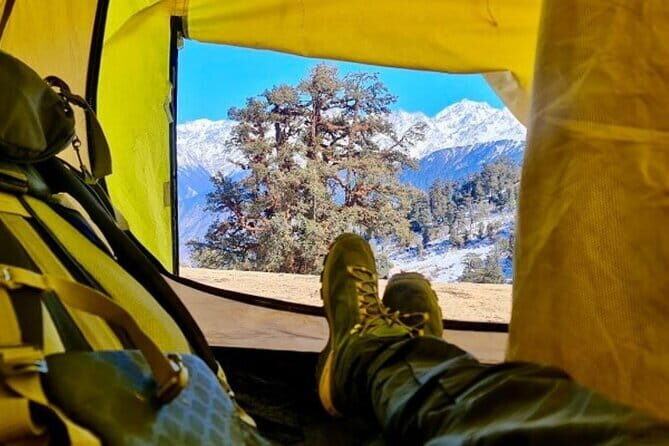
- Easy-for-beginners trail choice: Dayara Bugyal is described as relatively easy, which helps if you’re new to trekking.
- Big view payoff: Dayara Top is known for 360-degree views, including Bandarpoonch and Black Peak.
- Camping with real support: 2 nights at Gui campsite with tents provided, plus a first aid kit.
- Permits and safety paperwork handled: forest and camping permits are included, so you’re not chasing forms.
- Guides that actually guide: multiple guide names show up in real experiences, including Ritik, Sunil (sir), Bipin Negi, and Soby bhai.
- Season shifts the whole vibe: summer means wildflowers; winter means snow trekking and skiing-friendly conditions.
The Dayara Bugyal setup: meadows, altitude, and why this trek works
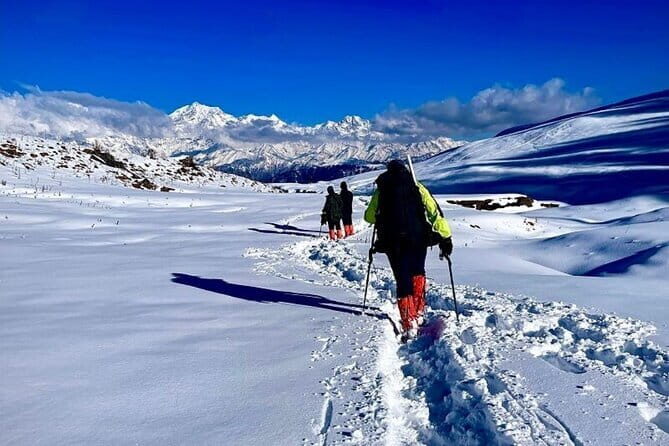
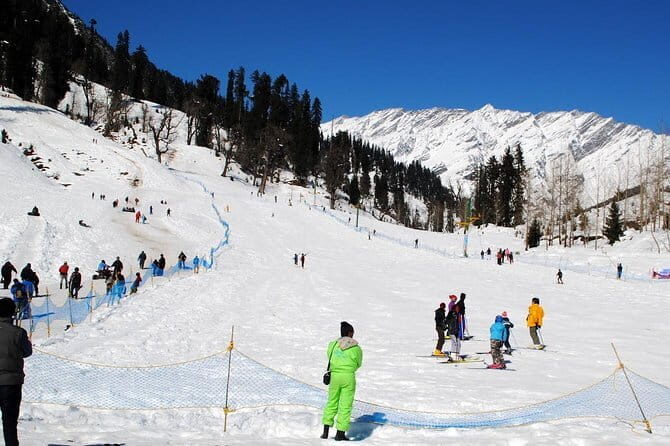
Dayara Bugyal is a high-altitude meadow at about 3,500 meters in Uttarakhand, and it’s famous for that open, rolling feel you don’t always get on Indian treks. The green pastures are the star in warmer months, and in winter the same area becomes a snow playground—good for skiing and snow trekking when conditions allow.
This itinerary is built around the idea that you can reach a major viewpoint without needing technical mountaineering skills. That’s why the trip is commonly treated as a good match for beginners and families—at least in the “physically manageable, logistically supported” sense. You’re still walking on mountain trails, so you’ll want comfortable shoes and a steady pace.
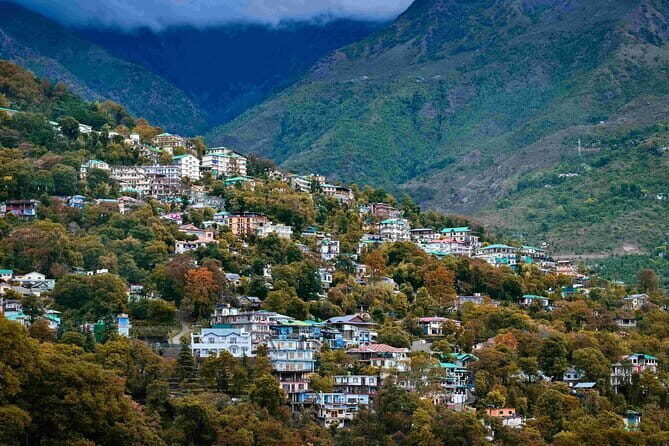
Also, your hike isn’t just about the top. The approach goes through dense forests, small villages, and scenic terrain, so you’re not only “working for a view” at the end. The journey itself matters.
One more thing I appreciate: the program connects the Raithal base (accessible from Uttarkashi) to the Dayara region in a way that feels organized. You start early from Dehradun, and your first day sets up a comfortable rhythm with a meal stop and an overnight in Raithal before camping begins.
If you're still narrowing it down, here are other tours in Himachal Pradesh and Uttarakhand we've reviewed.
Day 1: Dehradun to Raithal and the first taste of Garhwali comfort
You start at Dehradun Railway Station at 7:00 am. That early departure matters. In the mountains, daylight is everything, and leaving in the morning helps you avoid feeling rushed later.
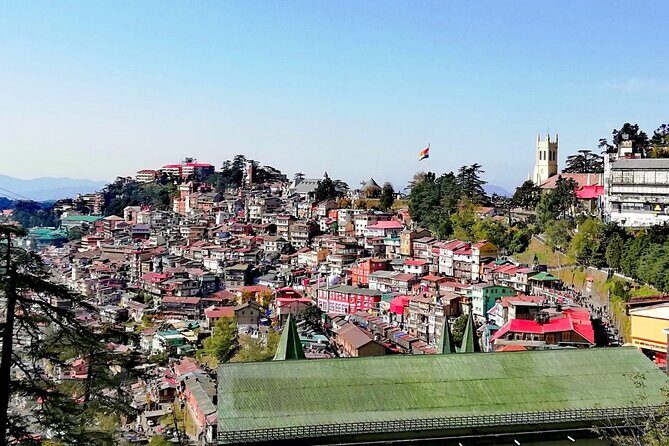
The drive heads toward Raithal along the Bhagirathi River route, passing through places like Landour and Uttarkashi. Even if you’re mostly traveling by road on Day 1, this stretch gives you a sense of how the Bhagirathi corridor shapes the region. It’s not just “getting there.” It’s an orientation.
By late morning you reach your stay at Rajneelam Restaurant & Homestay, and check into a calm base while you still have energy. The timing is helpful: you arrive around 11 am, which gives you time to settle before the long trekking days begin.
You’ll also eat a proper meal here, with the option to try traditional Garhwali cuisine. That’s a small detail, but it’s practical—because your Day 2 start depends on how well you recover and how comfortably you sleep in the night before camping.
Why I like Day 1: it’s structured, and it’s not an all-day scramble. You get travel, a proper meal, and an overnight in Raithal before the trekking ramps up.
Possible drawback: meals during transfer aren’t fully covered. The package includes dinner Day 1, but lunch during transfer on Day 1 isn’t included—so if you’re picky about food timing, plan for that.
Day 2: The climb to Gui campsite—where the trek starts feeling real
Day 2 begins with breakfast, then you set out for the trek toward Gui Main Campsite. The day is long on the clock—listed at 16 hours—so expect a full, moving day rather than a short warm-up.
There’s a nice pacing trick here: you take a photo at the Dayara Bugyal entry point before heading toward Gui. That gives you a mental milestone. It also helps you feel like you’ve officially “entered” the trekking zone rather than starting from nothing.
Along the way, you pass landmarks such as the Nag Devta area. On many Himalayan trails, these little stops matter more than people think. They break the walk into sections and give you a chance to pause, regroup, and keep your focus.
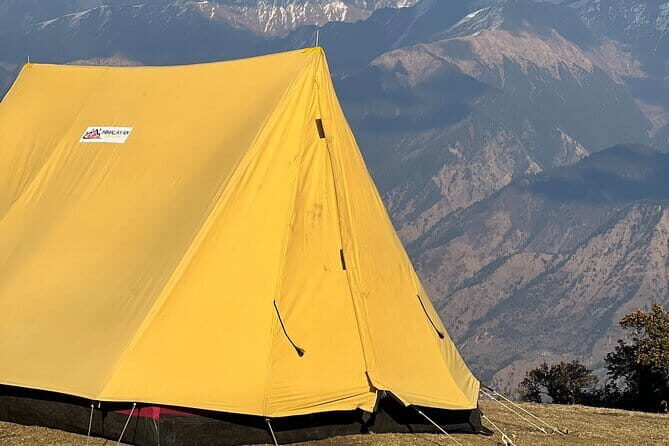
You’ll end the day at Gui campsite with tents provided. This is the start of the camping phase. That means you should treat Day 2 as your transition from comfort to “mountain basics.”
What you’ll like on Day 2:
- It’s a steady build toward the meadow region.
- The route includes forests and established trail features, not just exposed ridgelines.
- You’re going to camp with support gear included, so you’re not piecing everything together alone.
What you should watch for:
- If you hate long trekking days, this one might feel like a big jump. The day is described with a long duration, even though the overall trek is often called manageable for beginners.
Day 3: Dayara Top push to 360-degree views (plus the Surya Top zone)
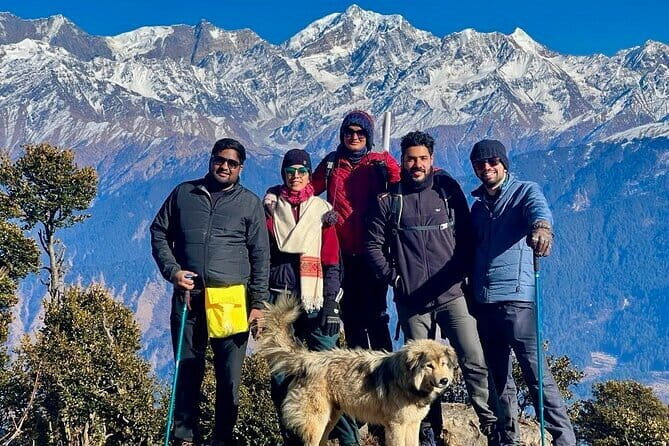
Day 3 is the highlight hike day. You move from Gui toward Dayara Top, a 12-kilometer round trip. The trail runs through Chilapada before the final push.
The key detail: there’s a final steep climb to reach the top area. That’s normal for these meadow-view goals, but it’s the part that can slow groups down. If you’re not used to uphill switching and steady breathing, you’ll feel it here—so pace early and don’t burn your legs in the first third.
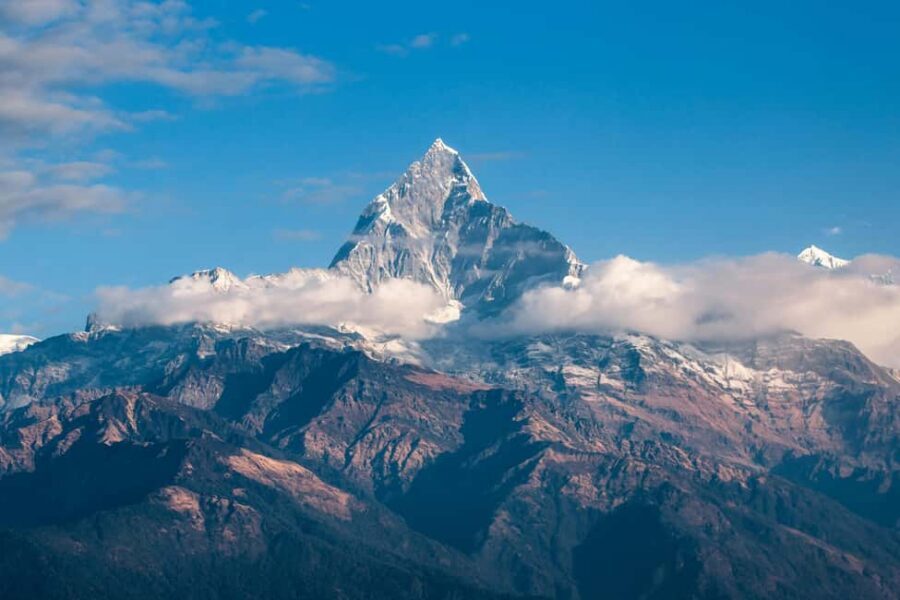
The reward is why people come: 360-degree views. You get clear sightlines toward Bandarpoonch and Black Peak, and the open meadow gives you the kind of horizon feeling that’s hard to fake.
Now, what about Surya Top? The trek is marketed as Dayara Bugyal and Surya Top, and the overview notes Surya top trek is just ahead of Dayara. In practice, that usually means you’re hiking in the same high-altitude pocket where those higher-point options exist. Your main confirmed objective here is Dayara Top, but you should expect the day’s route and timing to be planned around that larger Dayara-surround area.
Why Day 3 is worth the effort: this is the “view day,” with an actual summit-feel payoff, not only a walk through grass.
Practical tip: if you’re prone to cold hands or slow warming up, prepare for temperature swings. Mountain tops can turn sharp fast, and you’ll want to dress in layers you can adjust during the steep climb and on the way back down.
Day 4: Back to Raithal—descending what you earned
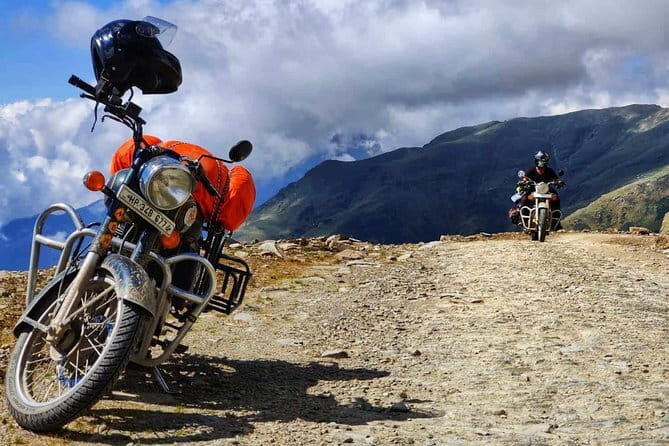
After Dayara Top, Day 4 brings you back to Raithal. The descent is listed as a 5-kilometer trail, taking about 2 to 3 hours. That’s the good news: this isn’t a “go further, work harder” day. It’s a “recover and enjoy the last stretch” day.
Still, the descent can feel tiring on your knees and ankles. Going downhill is its own kind of work. If you have trekking poles, they’re often helpful for controlling your steps.
Once you reach Raithal, the plan is to retrace back through the forested and village sections you came through earlier, and then transfer back toward Dehradun, ending at the same meeting point.
Why I like the Day 4 structure: it gives you a clear finish, not a late-night scramble. You get a shorter hiking window and time to reset after camping.
Possible drawback: meals during transfer aren’t included (the package notes that lunches on Day 4 transfer aren’t covered). If you’re sensitive to being hungry between stops, carry a small snack stash just in case.
Guides, food, and the “small stuff” that keeps this from feeling chaotic
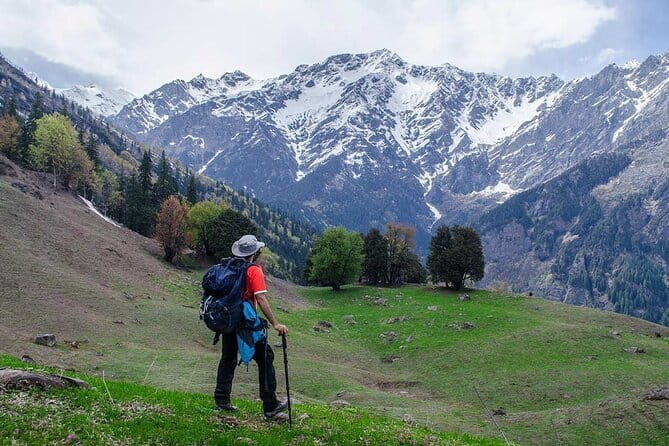
This trip stands or falls on execution: food consistency, guide attention, and how the team handles permits and logistics. In the experiences tied to this trek, the most praised elements were exactly those.
Treks leaders you may meet
You could be guided by people like Ritik, Sunil (often called sir), Bipin Negi, or Soby bhai, depending on your group and schedule. The common thread in the positive feedback is simple: guides who stay helpful when you need reassurance and who know the area well enough to keep things smooth.
Even the “company side” shows up in real experiences. Shobendra bhaiya is noted for helping with permits and making people comfortable with the process. That kind of support matters because permits in trekking regions can feel bureaucratic if you’re trying to handle everything yourself.
Meals: what’s included and why that matters
You get meals from Day 1 dinner to Day 4 breakfast, with:
- Breakfast: 3
- Lunch: 2
- Dinner: 3
Kitchen quality shows up in the positive experiences: people highlight that the food is delicious and healthy. I take that seriously. High-altitude trekking punishes bad timing and weak meals. When food is reliable, you can focus on walking instead of negotiating snacks at every turn.
Gear that makes packing easier
The package includes trekking gear such as:
- Sleeping bag
- Mattress
- Tent
- Spikes if needed
That’s a huge value piece. Cold weather treks can mean a lot of people show up underprepared. Having key items handled reduces the stress—and reduces the chance you lose energy fighting discomfort.
Also included:
- First aid kit
- Certified trek leader guidance throughout
Price and value: what $136.18 really covers for 4 days
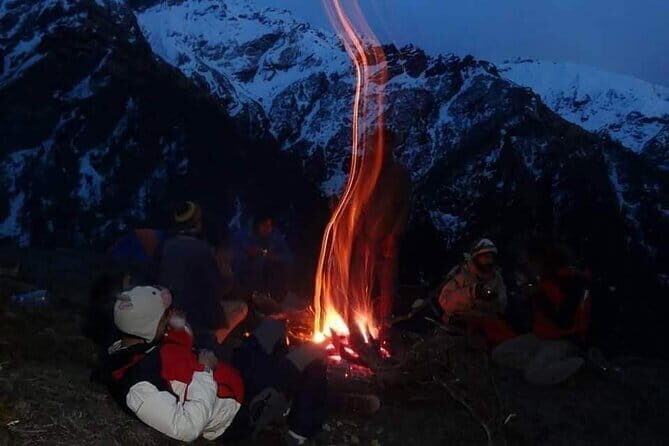
At $136.18 per person for about 4 days, this isn’t just “a guided hike.” You’re paying for a mix of transport, camping setup, meals, and permitting support.
Here’s what drives value in this package:
- Transportation from Dehradun to the base area and back is included.
- Camping setup is included (tents plus core sleep gear).
- Meals cover most of the trekking window (not all transfer meals, but the important part).
- Permits for forest and camping are handled.
- A certified trek leader and first aid support are included.
This pricing model tends to work well if you don’t want to manage logistics yourself. If you were booking permits, tents, and transport separately, costs can creep up fast—especially for a short trip where you want everything ready before you leave.
My balanced take: it’s solid value if you’re okay with camping and a structured schedule. If you want luxury stays, private guides, or more free time for exploring off-route, you’ll probably find better fits elsewhere.
Gear, offloading, and “what to pack so you don’t regret it later”
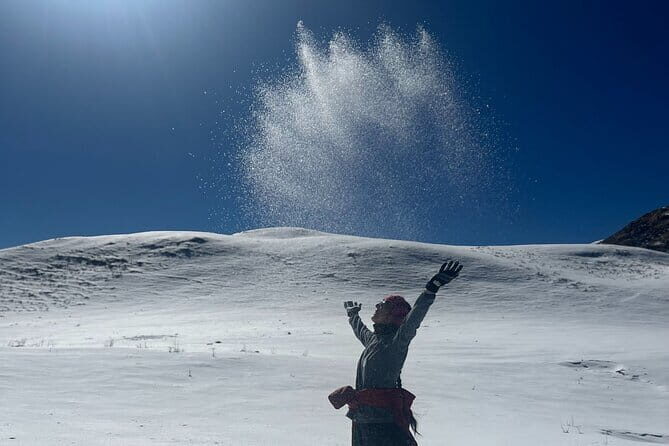
The package includes several items, but you still control your personal comfort. The biggest practical detail provided is that spikes are included if needed. That suggests the trek can shift with season and conditions—especially in winter, when snow trekking is a real possibility.
Also note the offloading option: for backpack offloading there’s an additional fee of INR 1050 for the whole trek. That’s useful if you have heavy gear or you’re carrying more than you should.
So how should you pack?
- Bring layers you can adjust during the steep segments and on open meadow sections.
- Keep essentials easy to access (water, light snack, sun protection).
- Don’t overpack “just because you can.” Gui and camp nights reward light, manageable loads.
If you’re unsure about what you personally need, choose comfort and warmth over novelty. Mountains don’t care about your fashion sense.
Who this trek fits best (and who should think twice)
This trek is aimed at people who want genuine mountain views without extreme technical climbing.
You’ll likely enjoy it if you:
- Want a meadow high point with a clear view payoff
- Are okay with camping for 2 nights
- Want an itinerary with permits and meals handled
- Prefer a group setting with up to 20 travelers rather than a tiny private crew
You should think twice if you:
- Hate long travel-to-trek transitions (Day 1 includes a big road day)
- Have knee issues and dislike downhill walking (Day 4 still involves a descent)
- Are not comfortable with cold nights during camping (season matters a lot)
The overview also highlights that Dayara Bugyal is relatively easy and works well for families. Still, “easy” in the mountains usually means the route is non-technical, not that you’ll feel fresh every hour.
Should you book Dayara Bugyal and Surya Top with Himalayan Dream Treks?
If your goal is a well-run short trek with real support—sleep gear, tents, meals, permits, and a trek leader—you’ll probably be happy booking this. The combination of excellent organization, reliable food, and guides like Ritik, Sunil (sir), Bipin Negi, and Soby bhai shows up in the strongest positive experiences connected to this route.
I’d book if you want:
- A high-altitude meadow experience
- 360-degree viewpoint payoff from Dayara Top
- A package that reduces decision fatigue and logistics stress
I wouldn’t book if you:
- Want non-stop comfort or hotel-style stays
- Need every meal fully included during transfers
- Are seeking a short, minimal-effort hike
Pick it when you want your time spent walking and looking at peaks, not filling out forms or chasing tents.
FAQ
Where does the trek start and what time?
The meeting point is Dehradun Railway Station, and the start time is 7:00 am.
How long is the Dayara Bugyal and Surya Top trek?
It runs for about 4 days.
What kind of accommodation is included?
You get 1 night accommodation in Raithal, plus 2 nights camping at Gui campsite with tents provided.
What’s included in the meals?
Meals are included from Day 1 dinner through Day 4 breakfast. Lunch is included for 2 days, and breakfast and dinner are included for multiple days (as listed in the inclusions).
Are trekking permits covered?
Yes. Forest and camping permits are included.
Is trekking gear provided?
Yes. Sleeping bag, mattress, tent, and spikes (if needed) are included.
Is transportation included?
Yes. Transportation from Dehradun to the base camp and back to Dehradun is included.
Do I need to bring snacks for transfer days?
Meals during transfer are not included (lunch on Day 1 and Day 4 isn’t included), so you may want to plan for that by bringing a snack.
What’s the group size?
The tour has a maximum of 20 travelers.
Can the trek be canceled for a refund?
There is free cancellation up to 24 hours in advance for a full refund. If it’s canceled due to poor weather, you’ll be offered a different date or a full refund.