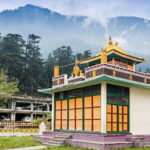
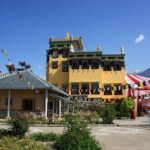
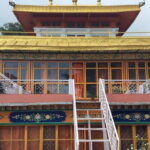
McLeod Ganj can feel like you crossed borders without leaving the hills. This guided India’s Own Mini Tibet culture tour helps you connect the dots fast, with stops tied to Tibetan life in exile and a pro local guide who can explain what you’re seeing as you walk.
I especially like the small group size (max 15), because the pace feels human and you get real chances to ask questions. I also like that the tour is built around major cultural anchors like the Dalai Lama’s temple complex and nearby institutions, not just photo stops.
One consideration: several key places have entrance fees not included (₹150 for the Tibet Museum, Library of Tibetan Works and Archives, and Men-Tsee-Khang). If you’re on a tight budget, plan for that extra cost upfront.
In This Review
- Key highlights to look for
- Why McLeod Ganj feels different in the first 30 minutes
- How the guide changes the whole experience (and why Arjun Malik comes up)
- Stop 1: Kalachakra Temple inside Thekchen Choumlling complex
- Stop 2: Tsuglag Khang (Dalai Lama’s temple complex) and what to notice
- Stop 3: Library of Tibetan Works and Archives for the story behind the culture
- Stop 4: The Tibet Museum and the value of official context
- Stop 5: Men-Tsee-Khang (Tibetan Medical and Astro Institute)
- Timing and pacing: what 3 to 4 hours really means
- Price and value: why $31 can be a good deal (even with extra entrances)
- Who this tour suits best
- Practical etiquette so you feel comfortable at every stop
- Should you book this Mini Tibet tour?
- FAQ
- What does the tour include?
- Where does the tour start and end?
- How long is the tour?
- Are entrance fees included in the price?
- What are the main stops on the tour?
- Is there pick up or drop off from hotels?
- What is the cancellation policy?
Key highlights to look for
- Professional English-speaking guide with context you can’t easily get on your own
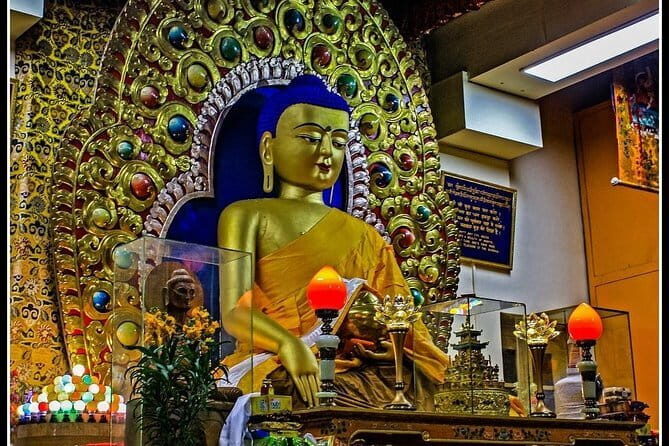
- Tsuglag Khang stop at the heart of the Dalai Lama’s temple complex
- Library + museum combo that explains culture through documents and displays
- Men-Tsee-Khang visit for Tibetan medical and astro traditions
- Bottled water included for a comfortable walking pace
- Mobile ticket and a simple start/end point at Main Square
Why McLeod Ganj feels different in the first 30 minutes
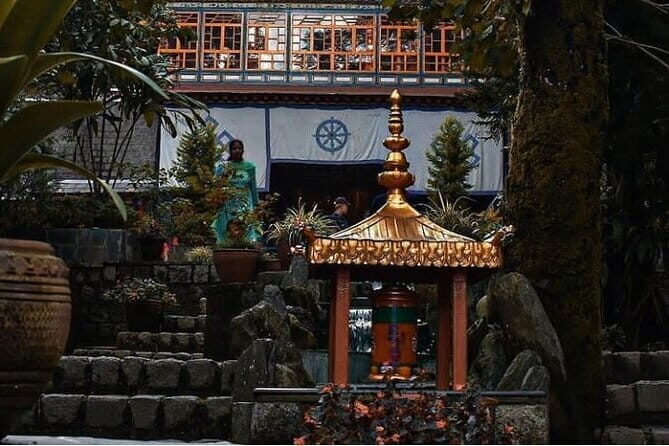
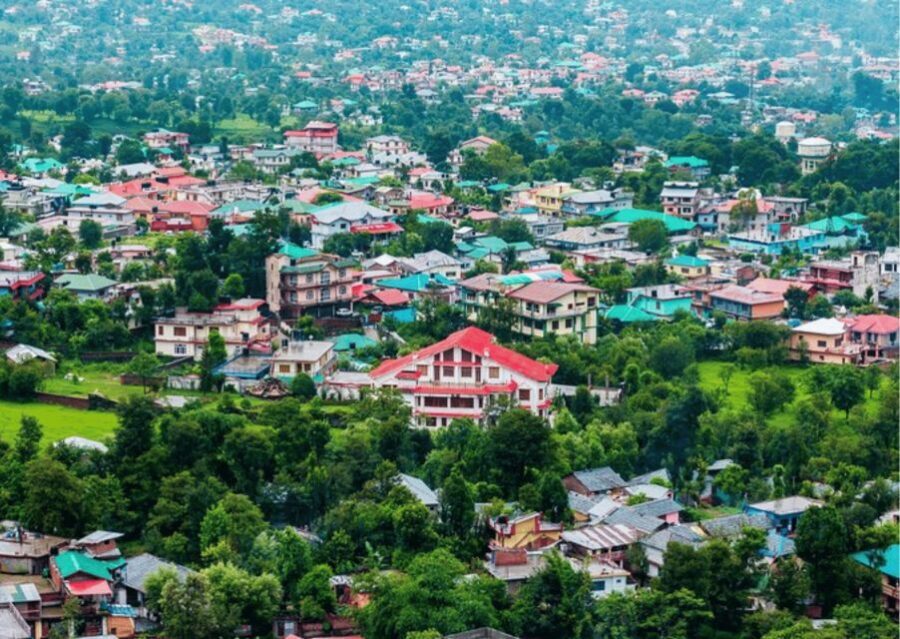
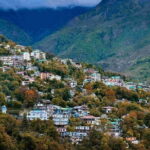
McLeod Ganj sits in the foothills near Dharamsala, and the atmosphere shifts quickly from regular hill-town life into something more spiritual and distinctly Tibetan. You’ll feel it in the architecture, the signs, and the way visitors move through sacred spaces with purpose.
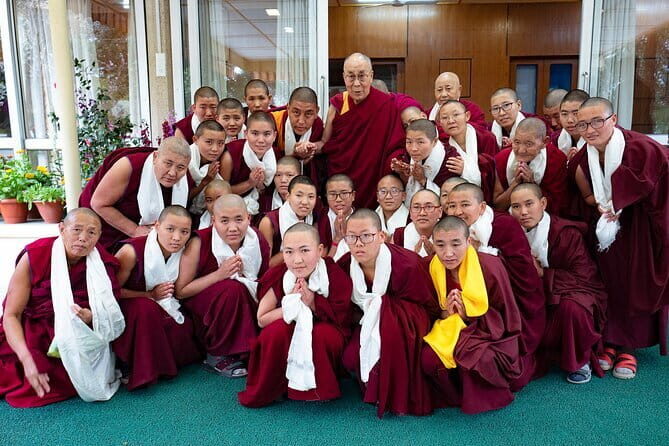
What makes this tour smart is that it doesn’t treat the city like a theme park. You’re guided to places that explain how Tibetan culture keeps breathing here—especially because McLeod Ganj is the seat of the Tibetan government in exile, with the Dalai Lama living in the city to this day. That context matters. Once you know why these institutions exist, the sights stop being just buildings and start being systems of faith, learning, and community.
The tour is also timed for people who want depth without a full day commitment. It runs about 3 to 4 hours, and each stop is short enough to keep the energy up, but long enough for basic orientation and questions.
A few more Dharamsala tours and experiences worth a look

How the guide changes the whole experience (and why Arjun Malik comes up)
A good culture guide does two things: translates what you see and explains what you should notice. With this tour, the big advantage is the English-speaking local guide and the way the commentary is woven into each location.
In feedback, Arjun Malik is specifically praised for having strong knowledge of Buddhism and Tibetan culture, plus being helpful and flexible. Even if you don’t get the same guide, you should still expect the tour to feel like a guided lesson rather than a rushed line-walk.
Ask your guide about what daily life looks like around these places. When you hear the meaning behind rituals, architecture, or the role of institutions, you’ll get more from each stop—especially at Tsuglag Khang, where the spiritual energy is obvious even before anyone explains it.
Stop 1: Kalachakra Temple inside Thekchen Choumlling complex
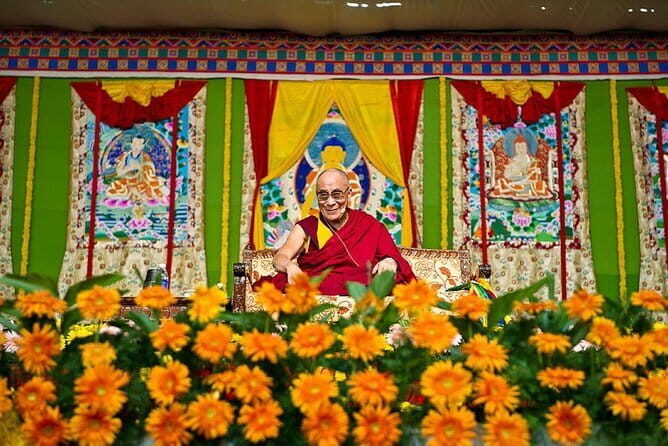
Your walk begins at Kalachakra Temple, located inside Thekchen Choumlling temple complex in McLeod Ganj. This is a useful starting point because you’re not dropped into the biggest site first. Instead, you ease into the broader temple area and get a sense of how these complexes work.
You’ll typically spend about 15 minutes here. Admission is not included, so you may need to budget extra if there’s a ticket requirement on the day you go. The time is short, so don’t expect a full ceremony schedule or a long sit-down. What you can expect is orientation: how the temple complex is laid out and how Kalachakra fits into the wider Buddhist tradition.
Practical tip: go in with a calm pace. Even if you’re just walking and looking, these places reward respectful attention. A quick moment of quiet observation can turn this stop from a checkbox into a meaningful warm-up.
Stop 2: Tsuglag Khang (Dalai Lama’s temple complex) and what to notice
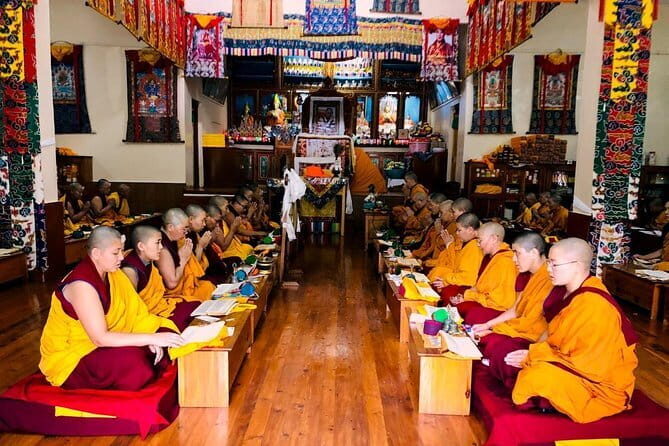
Next comes the heart of the tour: Tsuglag Khang, also known as the Dalai Lama’s temple complex. This is one of the world-renowned religious centers in the area, and you’ll see Buddhist pilgrims there throughout the year.
You’ll spend about 20 minutes at this stop. Like the other major sites, admission isn’t included in the tour price. Still, the payoff is high because this is the place people come to understand the spiritual center of the community in exile.
Here’s what I think you should actively watch for:
- The way visitors move through different areas with purpose
- The atmosphere around prayer spaces and how people behave there
- Any interpretive context your guide gives you about the site’s role
This stop is powerful even if you’re not an expert. With a guide, it becomes more than scenery. You’ll learn how the complex functions and why it’s central to life in McLeod Ganj.
Stop 3: Library of Tibetan Works and Archives for the story behind the culture
After temple space, you shift to something quieter but just as important: the Library of Tibetan Works and Archives (LTWA). It’s a Tibetan library in Dharamshala, founded by Tenzin Gyatso, the 14th Dalai Lama, on 11 June 1970.
Your time here is typically around 15 minutes, and admission is not included. Still, the value is big: you’re seeing the cultural “memory” of a displaced community. Places like libraries and archives matter because they protect language, teachings, and records for future generations.
If you like learning on the ground, this is a great stop. Even a short visit can help you understand how culture survives beyond religion alone. It’s not only prayers and ceremonies; it’s also texts, documentation, and careful preservation.
Practical note: because your time is limited, don’t try to read everything. Use your guide to point you toward what’s most relevant and easiest to appreciate in a brief visit.
A few more Dharamsala tours and experiences worth a look
Stop 4: The Tibet Museum and the value of official context
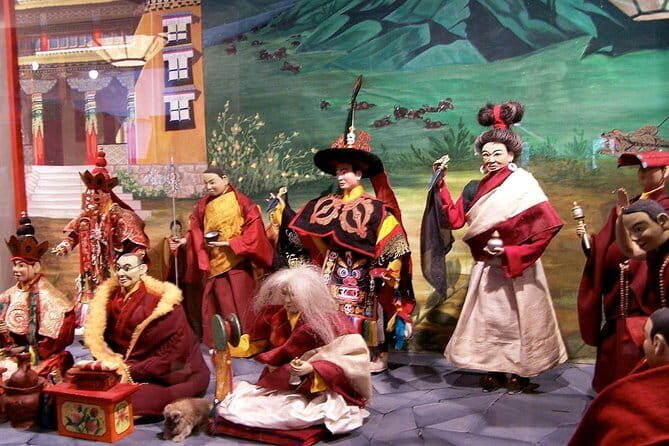
From the library, you move to The Tibet Museum, the official museum of the Central Tibetan Administration’s Department of Information and International Relations. It’s located near Tsuglag Khang, which keeps things connected—you’re not bouncing around town without a theme.
You’ll spend about 20 minutes here, and entrance fees are not included. This stop is valuable because it gives you an official lens on what the community wants to communicate: history, identity, and cultural expression in a way that’s organized for visitors.
What I like about a museum stop on a short tour is that it gives you a framework. After temple time and library time, the museum helps you stitch it together. It turns abstract context into something you can visually track.
Small consideration: museums can feel dense if you rush. Since your time is short, lean on your guide for highlights so you don’t waste energy scanning without direction.
Stop 5: Men-Tsee-Khang (Tibetan Medical and Astro Institute)
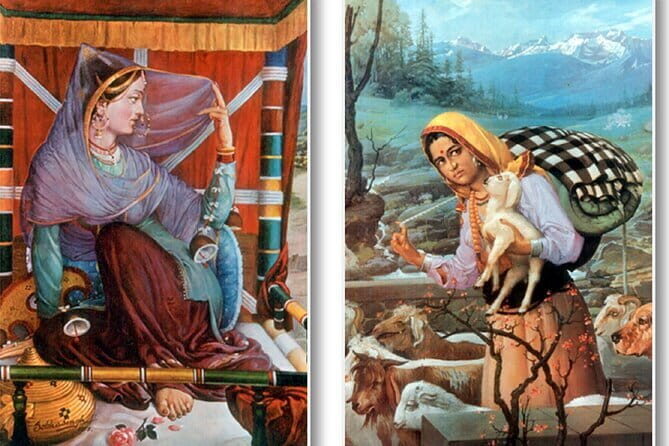
The final stop is Men-Tsee-Khang, also known as the Tibetan Medical and Astro Institute. It’s a charitable institution based in Dharamshala, founded by the 13th Dalai Lama in Lhasa in 1916, and it plays a role in Tibetan traditions of health and astrology.
Expect around 30 minutes at this stop, which is longer than most of the other sites on the route. That extra time makes sense because it’s an institution rather than a single temple courtyard.
This is often the most surprising stop for people who think Tibetan culture is only religious sites. Here you see how culture includes healing traditions and how spiritual thinking can connect with everyday wellness in traditional frameworks.
Practical expectation: don’t go in expecting a fast sales pitch or a strict medical appointment process. Instead, think of it as a chance to learn how an institution carries knowledge forward through structured teaching and charitable work.
Timing and pacing: what 3 to 4 hours really means
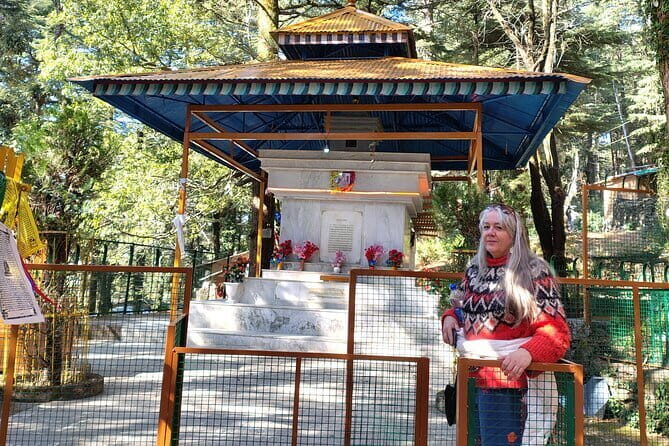
The tour runs about 3 to 4 hours, and you’ll be walking between stops within McLeod Ganj. The start and finish are simple: it ends back at the Main Square, McLeod Ganj meeting point.
Because there’s no pick up or drop off from a hotel included, you’ll want to be ready to meet at the square. For many people staying in town, that’s easy. For people staying farther out, it can be a mild hassle, so plan your morning or afternoon around the meeting spot.
Transfers are described as approximate, which is a polite way of saying traffic and time of day can affect exact timing. On a short tour, that matters. Try to arrive a bit early so you don’t feel rushed when the group is about to start.
Price and value: why $31 can be a good deal (even with extra entrances)
The tour price is $31.00 per person and it’s positioned as a short, guided, small-group walk with bottled water included. Mobile ticket plus bottled water is a nice touch for convenience and comfort.
What you should factor in is the entrance total: ₹150 per person for the Tibet Museum + Library of Tibetan Works and Archives + Men-Tsee-Khang. Entrance fee details for the other temple complex are not included either, so on the day, confirm what’s required at each site.
Here’s how I judge the value:
- You’re paying for an English-speaking local guide who connects the sites together
- You’re visiting multiple key institutions in a tight time window
- You get bottled water and a calm group size that keeps questions possible
- You avoid navigating alone through sacred sites where context helps
If you’re the type who likes to understand what you’re seeing, $31 plus the entrance fees can be a fair bargain. If you’re the type who just wants wandering and photos, you might feel the guide time doesn’t add enough. This tour is built for learning, not drifting.
Who this tour suits best
This Mini Tibet culture tour is a strong fit for:
- First-time visitors to McLeod Ganj who want real context fast
- People who appreciate Tibetan culture beyond temples
- Anyone who wants a half-day plan without locking up an entire day
It may feel less ideal if you:
- Want lots of free time at each site
- Hate paying separate entrance fees mid-tour
- Need hotel pick up to make logistics easy
Practical etiquette so you feel comfortable at every stop
These are sacred and cultural spaces. You’ll likely see pilgrims observing routines, and it helps to match the tone:
- Dress modestly for temple areas
- Keep your voice low and your phone use respectful
- Follow your guide’s cues on what to see first
Also, be mindful that you’ll move in a group. If you’re the kind of person who likes to slow down at your own rhythm, lean into the guide for orientation, then spend your remaining minutes on the exact details that interest you.
The best moments often happen when you stop trying to do everything at once.
Should you book this Mini Tibet tour?
I’d book it if you want a guided, organized introduction to McLeod Ganj that goes beyond surface photos. The combination of Tsuglag Khang, the LTWA library, the Tibet Museum, and Men-Tsee-Khang is a smart mix. It covers faith, learning, and traditions of knowledge and health in just a few hours.
Skip it only if you prefer free-form exploring with minimal guided interpretation, or if you strongly dislike paying extra entrance fees at multiple stops.
If you’re on the fence, here’s my simple test: if you’d enjoy having a guide explain what you’re looking at, this is likely a good fit.
FAQ
What does the tour include?
The tour includes an English-speaking local guide, a walking tour, and bottled water.
Where does the tour start and end?
It starts and ends at the Main Square, McLeod Ganj, Himachal Pradesh 176215.
How long is the tour?
The tour lasts about 3 to 4 hours (approx.).
Are entrance fees included in the price?
Entrance fees for the Tibet Museum, Library of Tibetan Works and Archives, and Men-Tsee-Khang are not included. The listed entrance total is ₹150.00 per person. Other sites may also require tickets.
What are the main stops on the tour?
You’ll visit Kalachakra Temple, the Dalai Lama’s temple complex (Tsuglag Khang), the Library of Tibetan Works and Archives, the Tibet Museum, and Men-Tsee-Khang.
Is there pick up or drop off from hotels?
No. Pick up and drop off from your hotel is not included.
What is the cancellation policy?
This experience is non-refundable and cannot be changed for any reason.