Dharamsala’s Tibetan culture, on foot. In about three hours, you’ll move through Norbulingka Institute and Dolma Ling Nunnery with a local guide who explains what you’re seeing, not just the names. I love how the pacing stays friendly, and I love that the guide turns religious spaces into something you can actually understand.
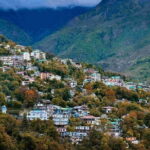
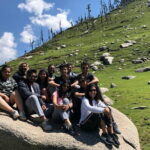
You’ll also get a real taste of the area around the Dhauladhar foothills. Expect a little walking and some uneven terrain, and at least a couple chances to pause and take in the view while your guide gives you context.
One thing to plan for: entrance fees and weather can affect your experience. Admission for Norbulingka (foreigners) isn’t included, and the tour is weather-dependent, so keep your day flexible.
In This Review
- Key things I’d prioritize on this walk
- Why This Tibetan Culture Walk Works in Dharamsala
- Norbulingka Institute: Your Starting Point and the Quick Context You Need
- Moving from Norbulingka to Dolma Ling Nunnery: The Walk Becomes the Story
- Gyuto Karmapa Temple: Tantric Meditation and Ritual Arts You Can Actually Grasp
- What the 3-Hour Format Really Gives You (and What It Doesn’t)
- Price and Value: How $31 Works When Fees Are Extra
- Logistics That Actually Matter for Comfort
- Who Should Book This Tour
- Should You Book This Tibetan Culture Walk
- FAQ
- FAQ
- How long is the guided Tibetan culture walk?
- What does the tour include?
- Are entrance fees included?
- Where is the meeting point?
- How big is the group?
- What should I wear?
- What if the weather is bad?
- Is the tour non-refundable?
Key things I’d prioritize on this walk
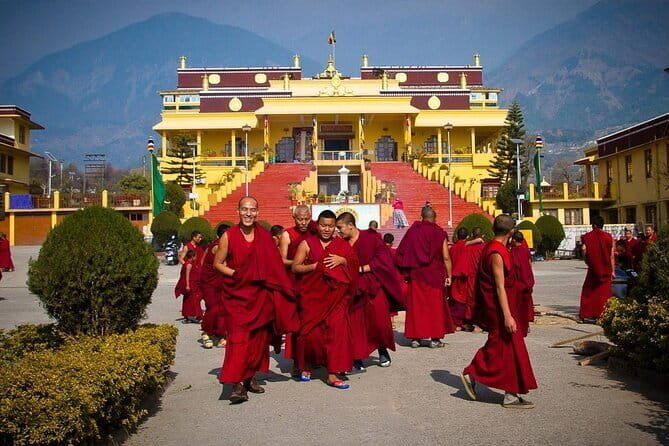
- Norbulingka as your context hub: a strong starting point in Dharamsala’s Tibetan Buddhist world
- Dolma Ling’s non-sectarian nunnery focus: a quieter stop that gives you contrast from bigger temple sites
- Gyuto’s tantric education setting: you’ll learn how study and ritual arts fit into Buddhist life
- Small group size (max 15): easier questions, calmer pacing, and less rushing
- Bring for the likely extra fee: Norbulingka foreigners’ entrance fee is listed separately
Why This Tibetan Culture Walk Works in Dharamsala
Dharamsala is one of those places where it’s easy to get distracted. You see a monastery roofline, you hear chanting, and then your mind switches to photos and souvenir stops. This walk keeps you pointed at the human side of Tibetan Buddhism—how people learn, practice, and live their daily routines.
What I like most is the structure. In a short time, you hit three meaningful stops and get a guided thread tying them together. The group stays small (up to 15), so you’re not shouting over everyone’s questions. And because the tour is built around walking, you get that “we’re actually here” feeling rather than a bus-and-bounce sightseeing style.
This is also a good choice if you’re visiting Dharamsala but don’t want to spend your whole day doing monastery logistics. It’s focused, paced, and very doable.
A few more Dharamsala tours and experiences worth a look
Norbulingka Institute: Your Starting Point and the Quick Context You Need
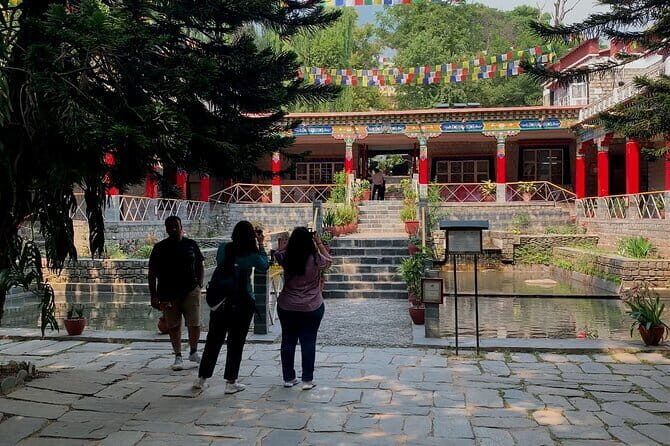
You’ll meet at Norbulingka Institute on Temple Rd in Sidhpur, Mohli Lahrandi, Himachal Pradesh. The tour begins there and ends back at the same meeting point, so you don’t have to figure out a second pickup or hunt for a different location later.
Norbulingka matters in Dharamsala because the town is tied closely to Tibetan leadership in exile. Dharamsala is the home of the Dalai Lama, and his government-in-exile is run from here. That connection is part of the reason your guide starts with this institute: it helps you understand why Tibetan Buddhist institutions are not just tourist sights here—they’re living centers with real purpose.
Time on this stop is about 30 minutes. That’s enough to learn the basics, orient yourself to what you’re seeing, and ask your first set of questions. Admission for Norbulingka is not included, and foreigners are listed a separate fee of ₹200 per person. If you want this to feel smooth, plan to cover that on the spot.
Good to know: your guide will set the tone for the rest of the walk. You’ll get a sense of what kind of place Norbulingka is, then you’ll move to a nunnery and finally to a tantric learning monastery. That contrast is the point.
Moving from Norbulingka to Dolma Ling Nunnery: The Walk Becomes the Story
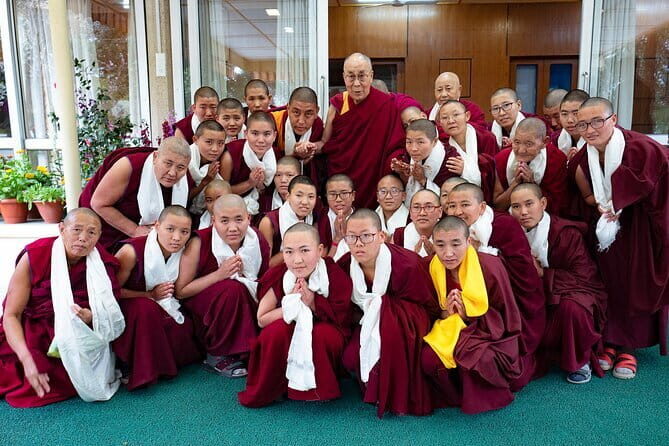
After the first stop, you’ll walk toward Dolma Ling. The time isn’t long—about 30 minutes at the nunnery stop itself—but the route adds to the experience. Dharamsala’s foothills shape how the whole day feels: light climbs, winding paths, and the sense that you’re moving through real neighborhoods, not a controlled museum route.
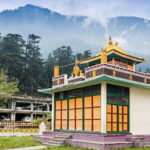
Dolma Ling Nunnery is described as a non-sectarian nunnery in the Kangra valley near Dharamsala. That detail matters. Non-sectarian means it isn’t tied to one specific lineage in the way some Tibetan institutions are. Your guide should help you understand why that affects daily life—how teachings and practices are approached, and how visitors should be respectful without assuming one single tradition.
This stop is also a strong reminder that Tibetan Buddhism isn’t just about monasteries with monks. Nuns have their own rhythm of study, practice, and community support. You’ll see spaces and routines that feel quieter and more everyday than the busiest temple sites.
Possible drawback: the route is walking-focused, and the terrain can be uneven. If you’re not steady on your feet, go slow, wear supportive shoes, and don’t be shy about asking your guide what the ground is like before you step onto a rough section.
Gyuto Karmapa Temple: Tantric Meditation and Ritual Arts You Can Actually Grasp
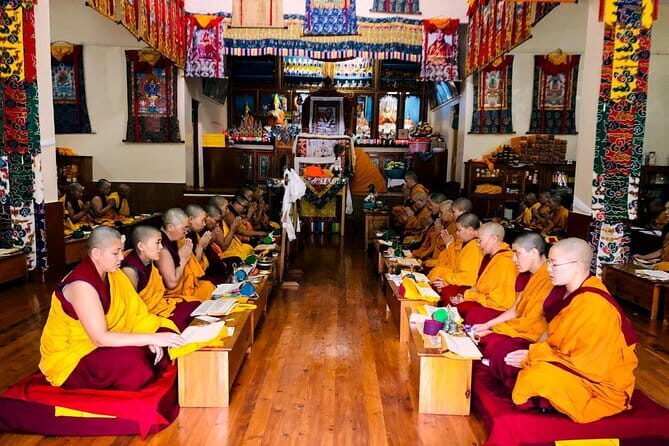
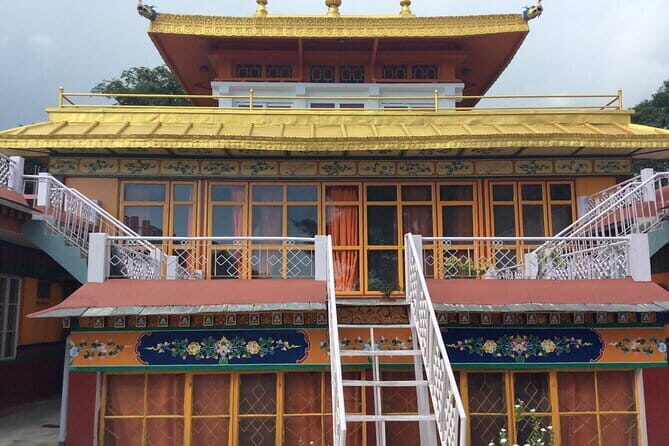
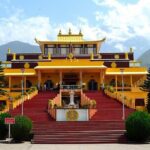
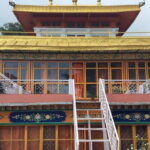
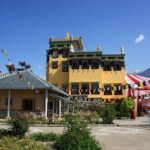
The last stop on this guided walk is Gyuto Monastery, connected with the Gyuto Karmapa Temple. This is where the day shifts into learning-focused territory.
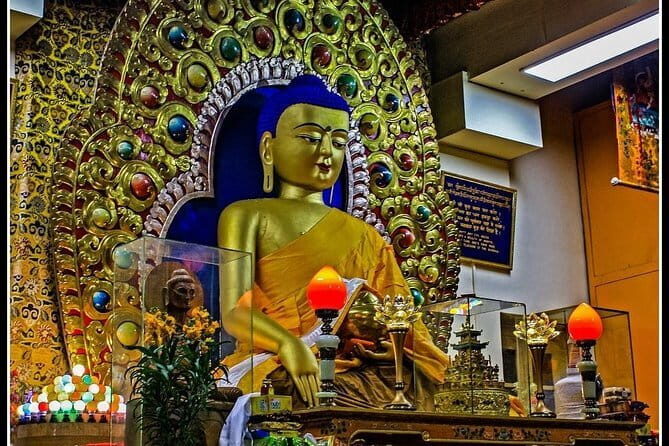
Gyuto is known for tantric meditation, tantric ritual arts, and Buddhist philosophy, and it was founded in Tibet in 1474. That founding date is the kind of detail that sounds like trivia—until your guide explains why it matters. With a place like Gyuto, age isn’t just about “old buildings.” It’s about accumulated training: how people study, refine practice, and preserve methods across generations.
You’ll get about 40 minutes here, which is a little longer than the other stops. That longer time makes sense. Tantra as a concept can feel vague if you don’t get context. A good guide helps you see what you’re looking at: why rituals exist, what philosophy supports them, and how meditation training fits into the larger spiritual picture.
If you like religion when it’s explained in plain language—why people do things, not just that they do them—this is the strongest stop for you. It’s also a fitting final chapter after Norbulingka and Dolma Ling, because it adds a different angle: study and practice at an institutional level.
What to watch for: look for signs of routine. In monasteries, the daily flow often tells you more than the architecture. Your guide’s commentary is the key that turns those routines into meaning.
What the 3-Hour Format Really Gives You (and What It Doesn’t)
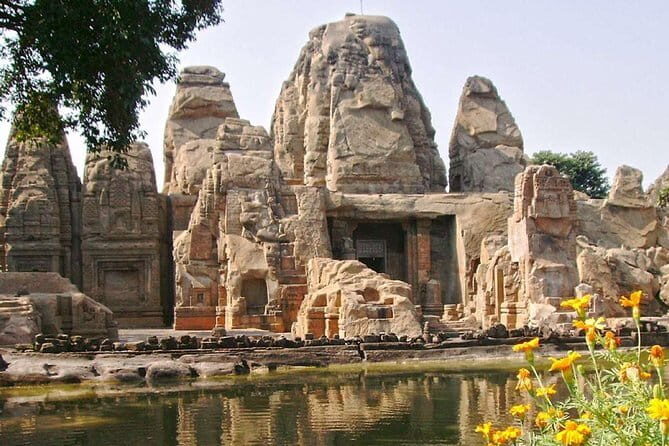
On paper, 3 hours sounds brief. In real life, it’s a sweet spot for Dharamsala. You get enough time to stop, learn, and absorb, without feeling like you’re racing between tickets and temples.
Because it’s a walking tour, you’ll spend the day with a “moving window” view of the area. You’ll likely have short stretches where you just follow the group, and then moments where you’re told what to notice. One of the strengths of the format is that it naturally builds curiosity. You see something unusual, you ask a question, and your guide answers in the right place, at the right time.
What it doesn’t do is replace a full day of Dharamsala monastery hopping. If your goal is to see every major site, you’ll still need other plans. But as an introduction to Tibetan culture with a clear storyline, this is a smart use of half a morning or afternoon.
A few more Dharamsala tours and experiences worth a look
Price and Value: How $31 Works When Fees Are Extra
The price is listed at $31.00 per person, and that’s where value comes down to what’s actually included.
You get:
- a local guide
- all activities for the tour itself
- a walking tour
- bottled water
You don’t get:
- food and drinks
- hotel pickup and drop-off
- entrance fee for Norbulingka Institute for foreigners (₹200 per person)
- admission tickets at the stops are specifically noted as not included
So is it worth it? In my view, yes, if you want guided context and don’t want to figure out the sites alone. Walking tours like this can be hard to replicate without local knowledge—especially when you’re trying to understand what different institutions represent.
To keep the math honest, treat the ₹200 Norbulingka fee as a separate budget line. Also plan on buying water/snacks only if you want extras beyond what’s provided. Since food isn’t included, I’d eat before or after the tour unless you know you’ll be close to a meal afterward.
Logistics That Actually Matter for Comfort
This is where a little planning saves frustration.
Dress code: smart casual. That’s practical, but also keep in mind monastery settings. You don’t need fancy clothes; you do want to look respectful and be comfortable enough for walking.
Transfers and timing: duration of transfers is approximate and depends on time of day and traffic. The walking portions are the core, but you may have some movement between sites that feels longer if the roads are busy.
Group size: maximum 15 travelers. That’s big enough to meet other people, but small enough that you’re not swallowed by the crowd.
Service animals: allowed. If that applies to you, it’s good to know it’s explicitly supported.
Who Should Book This Tour
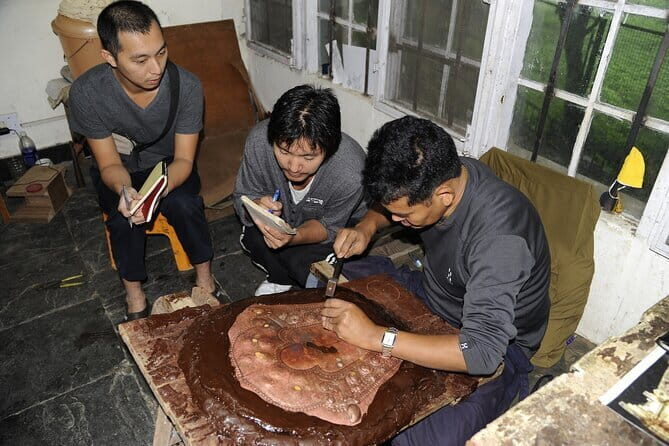
This walk is a great fit if you want Tibetan culture explained in a real, local way and you don’t want to spend all day doing planning.
I’d especially recommend it if:
- you like guided storytelling and Q&A more than self-guided wandering
- you want a short introduction to Tibetan Buddhist institutions in Dharamsala
- you’re interested in how meditation and ritual practices connect to philosophy
- you prefer a smaller group pace
You might want to think twice if:
- you’re traveling with very limited mobility and don’t handle uneven walking well
- you need a guaranteed quiet pace with no weather variables
- you dislike paying separate entrance fees once you arrive
Should You Book This Tibetan Culture Walk
Yes, if your goal is focused learning and a guided route through three meaningful Tibetan Buddhist stops. This tour does a good job of keeping things understandable: Norbulingka gives you context, Dolma Ling adds a nunnery perspective in a non-sectarian setting, and Gyuto brings you to tantric study and ritual arts with a longer time slot for it to make sense.
Book it if you like getting the why behind the sights. Pass if you’re mostly chasing a long list of temples and want maximum site count. For that, you’d need a different plan.
FAQ
FAQ
How long is the guided Tibetan culture walk?
It runs for about 3 hours (approx.).
What does the tour include?
It includes bottled water, all activities, a local guide, and the walking tour.
Are entrance fees included?
No. Norbulingka Institute entrance fee for foreigners is listed as ₹200 per person, and admission tickets for the stops are marked as not included.
Where is the meeting point?
Meet at Norbulingka Institute Temple Rd, Sidhpur, Mohli Lahrandi, Himachal Pradesh 176057, India. The tour ends back at the same meeting point.
How big is the group?
The maximum group size is 15 travelers.
What should I wear?
Dress code is smart casual.
What if the weather is bad?
The experience requires good weather. If it’s canceled due to poor weather, you’ll be offered a different date or a full refund.
Is the tour non-refundable?
Yes. The experience is non-refundable and cannot be changed for any reason.
—
If you tell me your travel dates (and whether you’re doing other Dharamsala monastery visits that same day), I can suggest the best time to schedule this so it fits your day without feeling rushed.