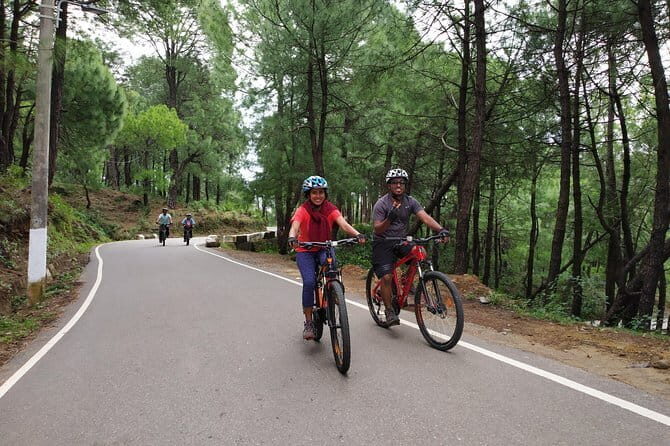
A quiet forest break beats Shimla traffic. This guided tour takes you into Shimla’s Water Catchment Wildlife Sanctuary, where I love the off-road bike riding through green jungle and I also love the hands-on way the old water system is explained, from rain-fed storage to pure supply. The main drawback to plan around: wildlife is protected here, so sightings are never guaranteed—great nature time still is.
On top of that, the guides matter. Names like Raghav and Pawan come up for their calm pacing and clear facts, and that makes the whole 4–5 hour block feel like a real escape rather than a rushed checklist.
In This Review
- Key things you’ll remember from this Shimla sanctuary tour
- Shimla’s Water Catchment Forest: Why This Feels Away From the City
- Cycling the Off-Road Jungle Track (and When a Walk Is Better)
- Seog Water Tank Stop: How Shimla’s Old Water System Works
- Nature Details at 1900–2620 Meters: What You’ll Notice on the Trails
- Wildlife Sanctuary Rules: Peace for Animals, Not a Guaranteed Show
- E-Rickshaw Wildlife Tour: Quiet Sightings Without the Hard Trek
- Timing, Weather, and What to Bring for Comfort
- Price and Value for a Private Half-Day in Shimla
- Should you book this Shimla sanctuary tour?
- FAQ
- What is the duration of the Shimla Water Catchment & Wildlife Sanctuary guided tour?
- Where does pickup happen?
- What options are available during the tour?
- Is there an entry permit included?
- What days is the sanctuary tour available?
- What are the opening hours?
- What languages is the live guide available in?
- What should I bring with me?
- Are pets allowed on this tour?
- Is the tour suitable for people with mobility or back issues?
- How much does it cost?
Key things you’ll remember from this Shimla sanctuary tour
- Private guide + sanctuary permit, so you’re actually moving inside the protected area.
- Cycle or walk options: you can take the bike route for the best off-road feel, or go on foot for an easier pace.
- Seog Water Tank break connects the forest to Shimla’s water story, including the historic storage idea.
- A network of streams runs through the sanctuary, with key ones named God Ki Nala and Churat Nala.
- E-rickshaw wildlife viewing keeps things relaxed while you scan the sanctuary for animals.
Shimla’s Water Catchment Forest: Why This Feels Away From the City
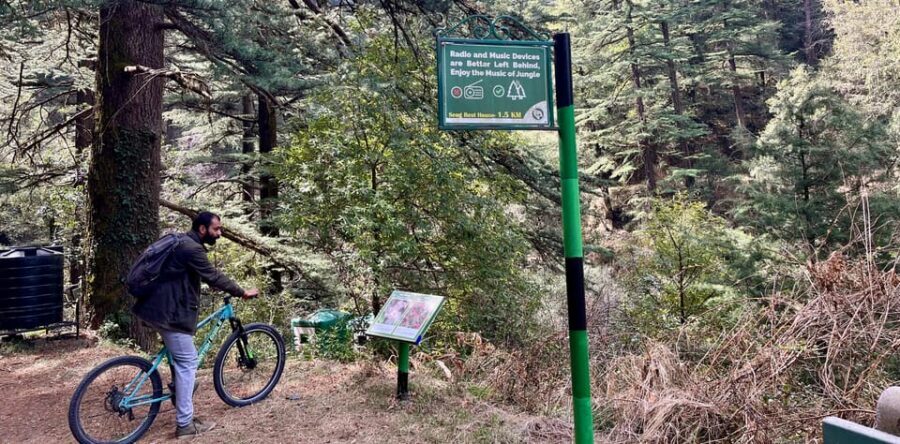
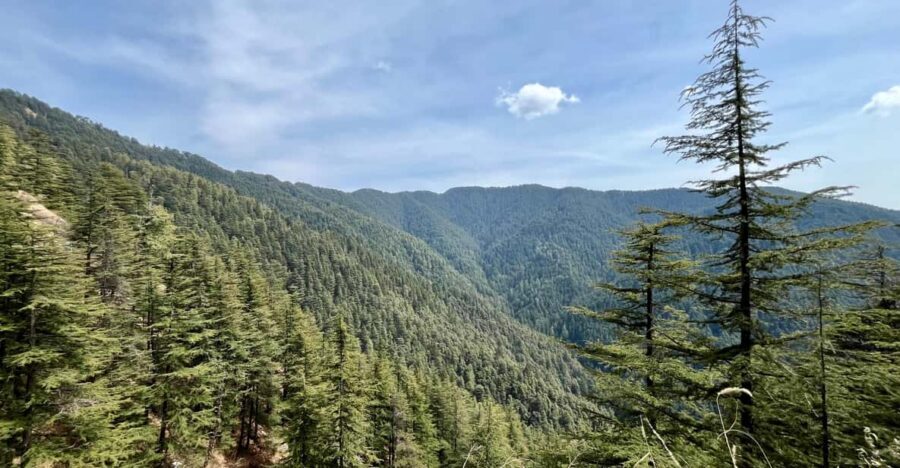
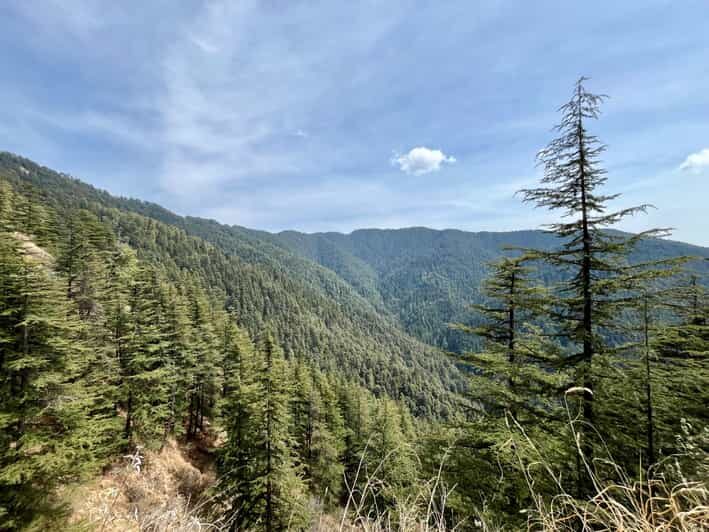
Shimla has crowds and traffic, then it has this—green forest at altitude, built into the city’s water supply system and protected as a wildlife sanctuary. You’re not just getting out of town. You’re stepping into an ecosystem that sits around 1900–2620 meters, with a reported 1600 mm of annual rainfall, so the area stays lush and cool.
The sanctuary covers 10.25 square kilometers, and there’s no zoning. That matters, because it reinforces the goal: protect habitats first, manage visitors second. In practice, it means your experience is more about walking and noticing than chasing.
One more unique angle: this sanctuary isn’t only about scenery or wildlife. It’s also tied to the British-era water supply, including an old arrangement using steam pumps for water delivery. If you like travel that mixes nature with real local infrastructure, this is the kind of tour that clicks.
A few more Shimla tours and experiences worth a look



Cycling the Off-Road Jungle Track (and When a Walk Is Better)
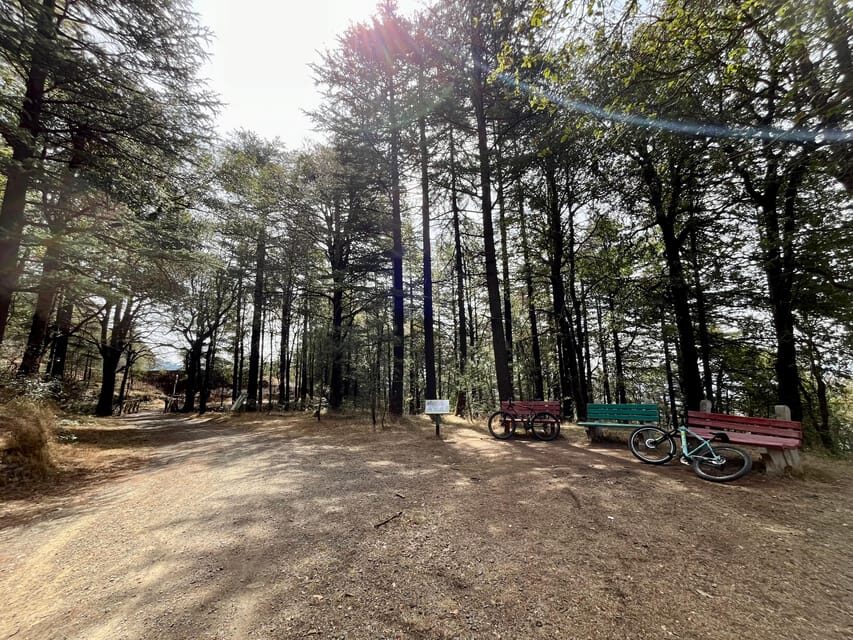
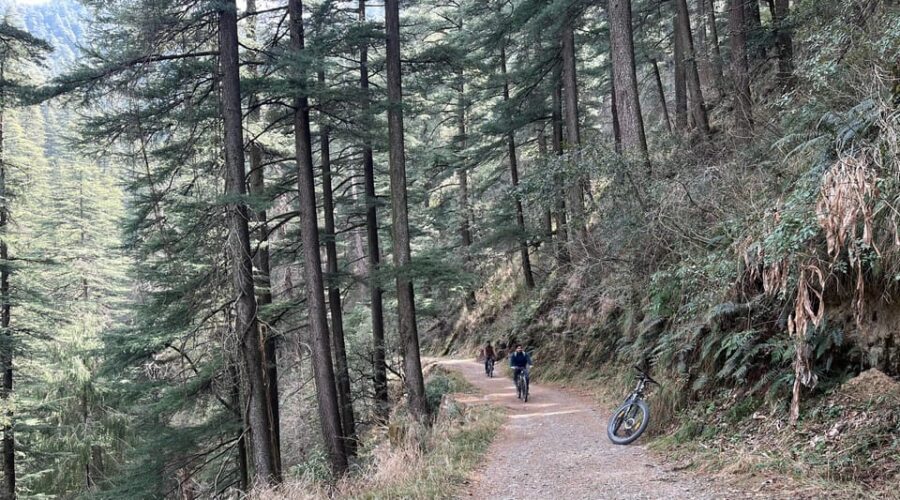
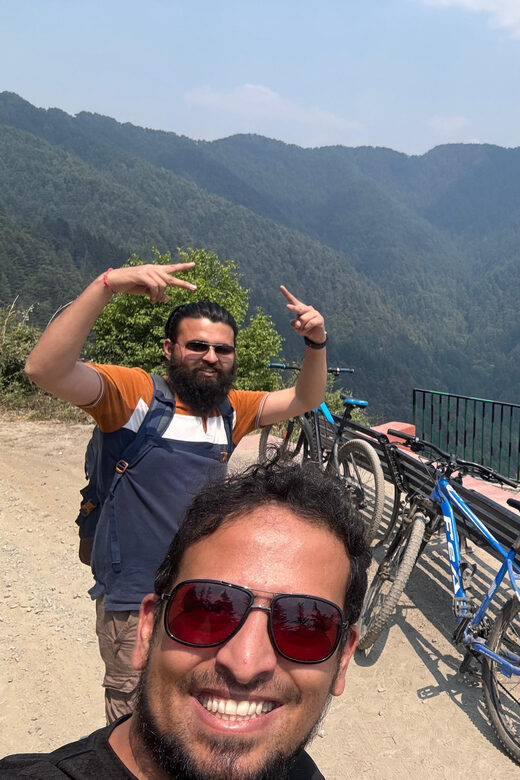
If your body and balance can handle it, the bike option is the star. The tour is built around an off-road ride through the forest, and that changes everything versus a city “bike experience.” You’ll feel the switch to narrower roads and a canopy of greenery overhead, plus the route tends to feel less crowded than city streets.
Still, bikes aren’t automatically best for everyone. The tour runs around 4–5 hours, but your effort level depends on which option you choose and how many walking trails you add. The tour description also flags that it’s not suitable for people with back problems and pregnant women, so if you’re in any doubt about your comfort, go with the gentler walking approach or ask the operator what pace they use.
Also, you’ll get more out of the bike ride if you treat it like a nature path, not a fitness race. Go slow, take photos when the light hits the leaves, and listen when the guide points out plants and forest features.
If you’re the kind of traveler who likes calm, then this works. If you’re expecting a theme-park ride, you’ll be disappointed.
Seog Water Tank Stop: How Shimla’s Old Water System Works
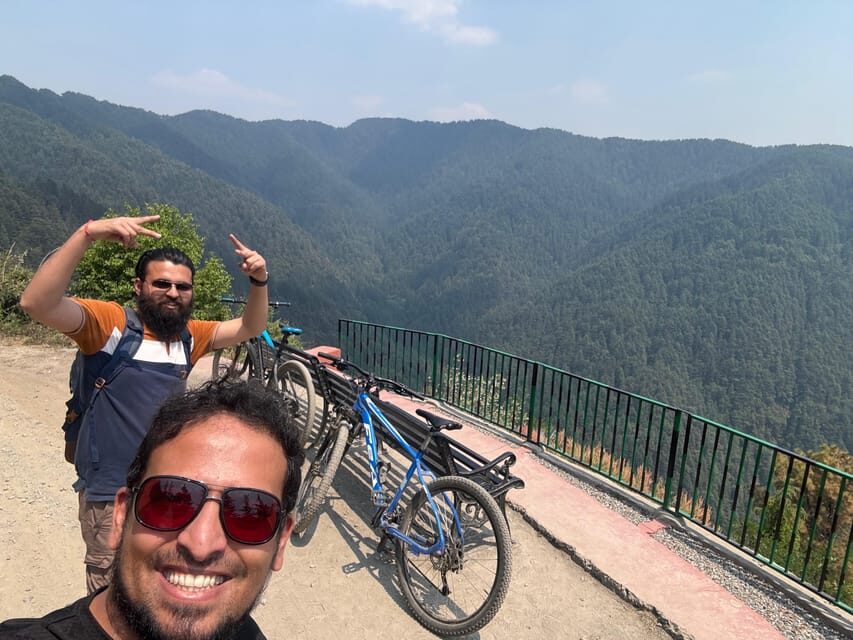
One of the most interesting parts is that the sanctuary connects directly to Shimla’s water supply logic. The forest funnels water through streams, and the city gets its supply through a system that’s been engineered for a long time.
At your break stop near Seog Water Tank, you’ll get the story of storage and distribution: a large tank was built more than 100 years ago to store rain-era water from the streams, so it could be used when needed. The description also notes a unique delivery method during that time, using steam pumps to send water down to reservoirs that supported Shimla.
This isn’t just trivia. When you learn how a catchment works, you start seeing the sanctuary differently. You notice why the forest stays protected. You notice why “quiet” matters—less disturbance means healthier water flows and fewer pressures on the ecosystem.
It’s also a smart mental reset in the middle of the day. After cycling or walking in the trees, the tank stop gives you a clear, human explanation for why this place is so important beyond wildlife sightings.
Nature Details at 1900–2620 Meters: What You’ll Notice on the Trails
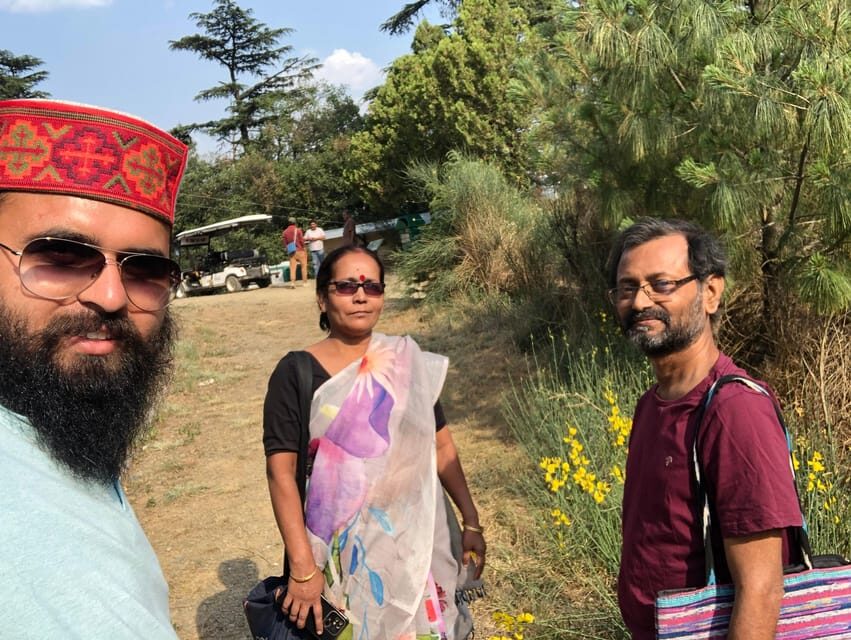
Once you’re inside the sanctuary, you start picking up patterns. The tour area is described as dense forest with greenery, and it’s home to lots of flora, plants, and herbs. That means you’re not only watching for animals. You’re also scanning leaves, tree types, and trail edges for the kinds of plants that survive at this elevation.
You’ll also learn how water moves. The sanctuary is reported to have 25 perennial streams, including the important ones called God Ki Nala and Churat Nala. When a guide shares the names, it becomes easier to follow the logic of the place: streams feed tanks, tanks feed supply, and that entire chain depends on keeping the forest intact.
A bonus fact that makes the ecology feel connected: the sanctuary links to the Chail Sanctuary through a forest corridor, positioned to the south of the water catchment area. You’re basically learning how protected areas connect across the region, instead of thinking of each one as isolated.
And yes, altitude changes your body. Expect cooler air than central Shimla, especially later in the day. That’s part of the comfort—if you dress right.
Wildlife Sanctuary Rules: Peace for Animals, Not a Guaranteed Show
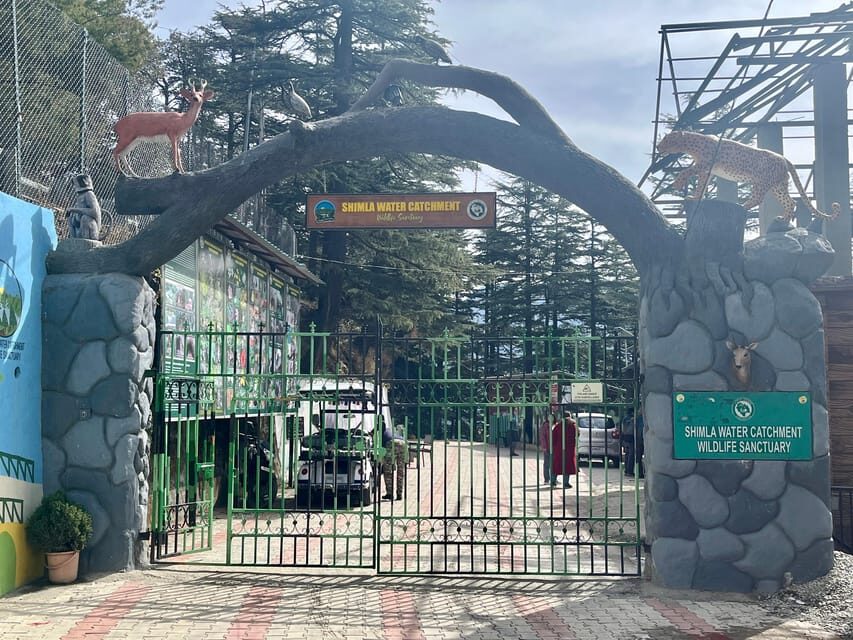
Here’s the expectation-setting piece that will save you from frustration: this is a wildlife sanctuary with a protective mission. You’re allowed in, but the rules are built around animal safety and minimal disturbance.
One practical result: you may see animals, or you may not. The key point is that the sanctuary’s goal is to let wildlife live naturally, not to stage sightings for visitors. That aligns with what many people like about the experience: it’s peaceful. You’re not constantly competing with crowds, and the guide isn’t pushing you to force encounters.
You’ll also follow conduct rules that keep the whole place calmer for everyone:
- no littering
- no smoking or alcohol/drugs
- no fireworks or parties
- don’t make noise
In other words: treat it like someone’s home. You’re walking through habitat, not a zoo.
If you’re a photographer, this is worth it even without big animal sightings. Forest light, water systems, and small movements in the undergrowth can still make the day feel special.
Other guided tours in Shimla




E-Rickshaw Wildlife Tour: Quiet Sightings Without the Hard Trek
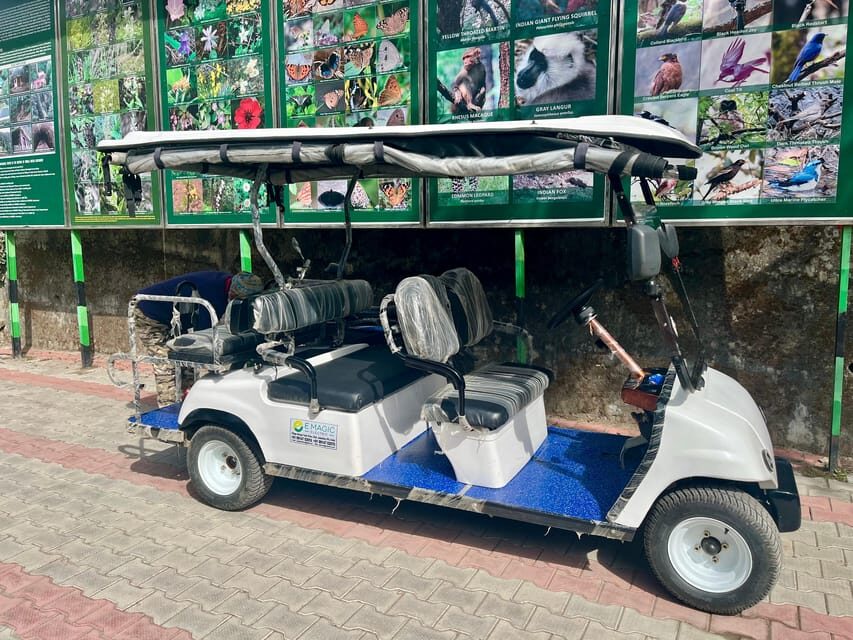
After the walk/cycle segments, the tour includes a wildlife viewing round by e-rickshaw. This part is designed for easier scanning—less physical effort, more time to watch and listen.
The e-rickshaw also fits the sanctuary’s tone. Because it’s quieter and slower than typical vehicles, you get a better chance of observing subtle behavior—birds shifting in branches, animals staying at the edge of cover, and general activity that happens when you’re not roaring through the forest.
It’s not a guarantee of a checklist of animals, but it’s a smart compromise between going fully on foot and trying to cover too much terrain. If you’re traveling with limited energy for the day, or you want a gentler second half, this format gives the sanctuary time to reveal itself.
And if you’re doing the bike route first, the e-rickshaw segment feels like a natural breather—your legs get a rest while your eyes keep working.
Timing, Weather, and What to Bring for Comfort
This tour runs Tuesday to Sunday, from 10:00 to 16:00, and it’s closed on Mondays. Since the duration is 4–5 hours, it’s best to avoid a late booking that compresses your rest time in Shimla. Build in a buffer for getting back to your hotel and warming up if you’re sensitive to cool evenings.
Season-wise, the best visiting times are listed as:
- winter months (October–November)
- summer (April to mid-June)
Packing is simple, but don’t skip it:
- comfortable shoes with decent grip
- warm clothing (you can be surprised by how cool it feels at altitude)
- camera
- food/snacks
- water
The guide is in English and Hindi, so you can ask questions in whichever language feels easiest for you.
One more note that matters: pets aren’t allowed. So if you’re planning to travel with a small dog or cat, you’ll need alternate arrangements.
Price and Value for a Private Half-Day in Shimla
At $26 per person, this tour often feels like good value when you look at what’s included. You’re paying for:
- a private local guide
- pickup and drop from centrally located hotels in Shimla
- permit to enter the sanctuary
- access to hiking trails
- and the option for bicycle hire or an e-rickshaw ticket or a guided walk
For a half-day that includes both nature access and explanation of the water catchment system, it’s not just a “transport to a viewpoint” kind of price. It’s support that gets you into the protected area legally, plus someone who can connect what you’re seeing to why the forest matters.
Is it worth it if you hate mild hikes? Maybe less so—because even with an e-rickshaw component, you’ll still be walking part of the time. But if you enjoy forests, like learning how places work, and you want a quieter side of Shimla, this is a strong pick for your time and money.
Should you book this Shimla sanctuary tour?
Book it if you want a peaceful nature escape near Shimla and you care about the connection between forest, streams, and the city’s historic water supply. Pass or ask lots of questions first if you need a very sedentary outing, since the tour isn’t suitable for back problems or pregnancy. If you’re flexible about wildlife sightings and focus on the experience—not a guaranteed animal encounter—you’ll likely be happy you went.
FAQ
What is the duration of the Shimla Water Catchment & Wildlife Sanctuary guided tour?
The tour typically lasts about 4 to 5 hours, with enough time to cover the road and trails on a bike, on foot, or a mix depending on your chosen option.
Where does pickup happen?
Pickup is provided from a centrally located hotel in Shimla, and you’ll also get drop-off back at the end.
What options are available during the tour?
You can do it as a guided walk, or choose bicycle hire, or use an e-rickshaw for the wildlife viewing part.
Is there an entry permit included?
Yes, the tour includes a permit to enter the sanctuary.
What days is the sanctuary tour available?
The sanctuary is closed for visitors on Mondays. The tour runs Tuesday to Sunday.
What are the opening hours?
The stated opening hours are 10:00 to 16:00 (Tuesday to Sunday).
What languages is the live guide available in?
The guide is available in English and Hindi.
What should I bring with me?
Bring comfortable shoes, warm clothing, camera, and also food/snacks and water for the day.
Are pets allowed on this tour?
No, pets are not allowed.
Is the tour suitable for people with mobility or back issues?
The activity is listed as not suitable for people with back problems and not suitable for pregnant women.
How much does it cost?
The price is listed as $26 per person.