McLeodGanj teaches you fast. In just 2 hours, this guided walk strings together temple sites, old-town lanes, and a hands-on look at local craft culture, with stories that keep the walk moving. I like the way the tour starts at McLeod Square Temple and then focuses on Kalachakra Temple and Tsuglagkhang, so you get the spiritual context right away. I also like the mix of stop types—religious spaces, the Mini Tibetan Market, and wall art and recycling installations that you’d miss if you were wandering solo.
One thing to consider: the experience depends heavily on your guide’s storytelling style and depth. In the available feedback, there’s at least one case where coverage felt thin, so if you’re expecting very detailed history at every stop, keep your expectations flexible.
In This Review
- Key Things I’d Watch For on This Walk
- Why a 2-Hour Heritage Walk Works in McLeodGanj
- McLeod Square Temple to Kalachakra: the Spiritual Spine of the Walk
- Namgyal Monastery and Tsuglagkhang: What You Gain Beyond Photos
- Mini Tibetan Market and Central Square: Craft Culture You Can Actually Use
- Wall Art, Recycling Bottle Art, and Dalai Lama Murals
- Handmade Paper Recycling Café: Sustainability in Real Life, Not a Lecture
- What the Guide Adds (and What Can Vary)
- Pacing, Foot Comfort, and Practical Tips for a 2-Hour Route
- Price and Value: Is $14 a Fair Deal Here?
- Who Should Book This Tour (and Who Might Skip It)
- Should You Book Heritage & Cultural Trails of McLeodGanj?
- FAQ
- Where does the tour start?
- How long is the walking tour?
- What’s the price per person?
- What languages is the guide available in?
- What are the main places you’ll visit?
- What’s included in the tour?
- What should I bring?
- Is water included?
Key Things I’d Watch For on This Walk
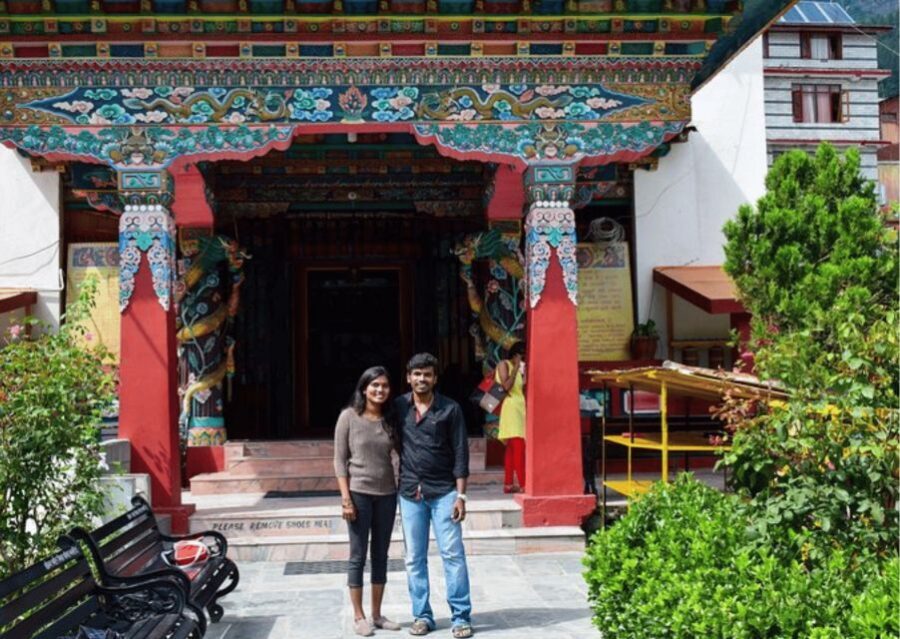
- Kalachakra Temple to Tsuglagkhang sequence: you’ll see how the sites connect around Namgyal monastery and the Dalai Lama complex.
- Mini Tibetan Market focus: thangka tapestry paintings, wooden carvings, and handicrafts get explained in context.
- Handmade Paper Recycling café stop: you learn how waste management links to local art and everyday sustainability.
- Wall art trail: you pass painting shops and recycling bottle art, plus Dalai Lama wall art made from waste.
- Hidden lanes access: the guide helps you find quieter corners and places off the main flow.
- English and Hindi storytelling: the guide can switch languages, which helps if your group has mixed comfort levels.
Why a 2-Hour Heritage Walk Works in McLeodGanj
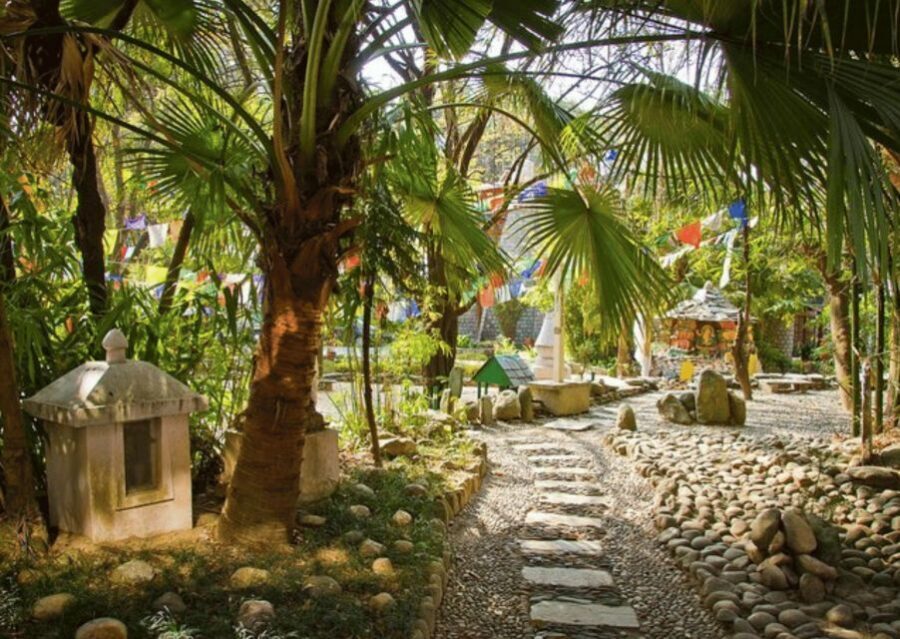
McLeodGanj is one of those places where the streets do half the sightseeing. The walk route matters because the best parts aren’t just on big postcards—they’re in turns, stairways, and the small shops tucked into side lanes.
This tour is built as infotainment: you get city history and cultural context, but it’s told in a lively way so you don’t feel stuck in lecture mode. The payoff for you is simple. You finish with a mental map of what matters here—religious landmarks, Tibetan community life, and the local creative scene that covers everything from wall art to craft stalls.
And since there’s no hotel pickup, it also forces a good kind of independence: you arrive at the meeting point, then the guide handles the flow. If you only have a day (or only want light exertion), 2 hours is a workable window.
If you're still narrowing it down, here are other tours in Mcleod Ganj we've reviewed.
McLeod Square Temple to Kalachakra: the Spiritual Spine of the Walk
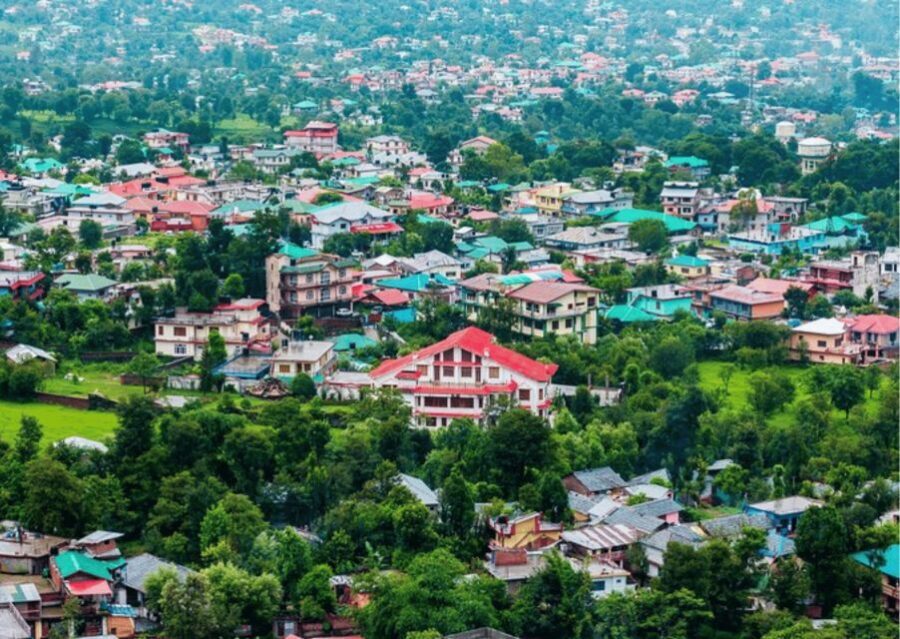
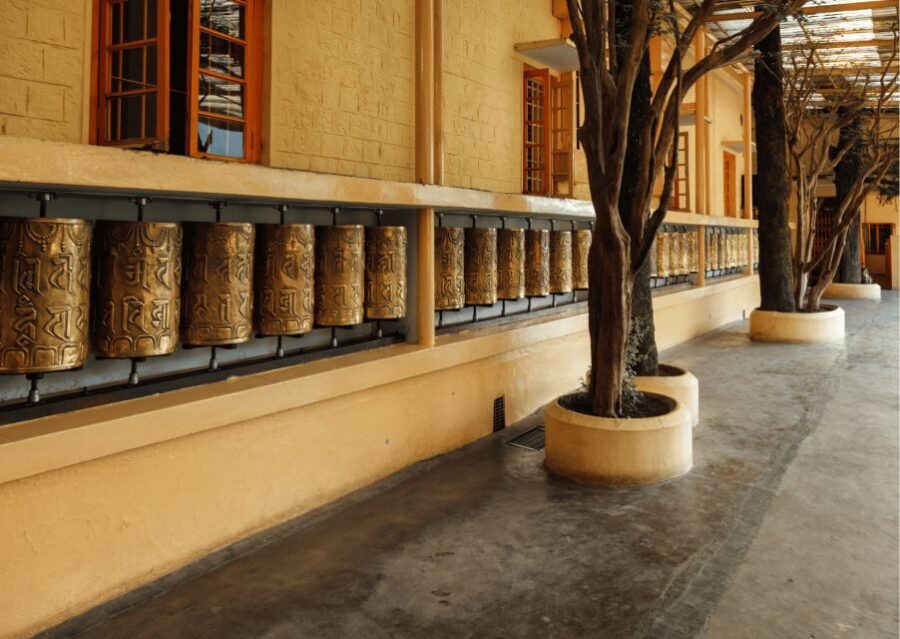
The walk kicks off at McLeod Square Temple, which sets the tone. From there, the first big stop is Kalachakra (Wheel of Time) Temple, which is more than a single building. It connects to the Namgyal monastery area and includes key Dalai Lama sites within the complex.
You’ll specifically be shown the private chamber area connected with his Holiness the Dalai Lama, and you’ll also visit Tsuglagkhang temple. Even if you’re not a religion expert, this matters because these spaces are central to how the Tibetan Buddhist community expresses devotion in daily life—through architecture, ritual space, and the way visitors are guided to understand what they’re seeing.
What I’d pay attention to while you’re there:
- The way different spaces within the same complex serve different functions (monastery life vs. public temple areas).
- The flow of visitors and how the guide explains what is appropriate to look at and how to behave.
- Any visual cues the guide points out that tie the sites to broader Tibetan Buddhist tradition.
A practical note: temple visits can mean a slow step count. If you’re sensitive to crowds or quiet spaces where you have to keep your voice down, plan to match the pace and atmosphere.
Namgyal Monastery and Tsuglagkhang: What You Gain Beyond Photos
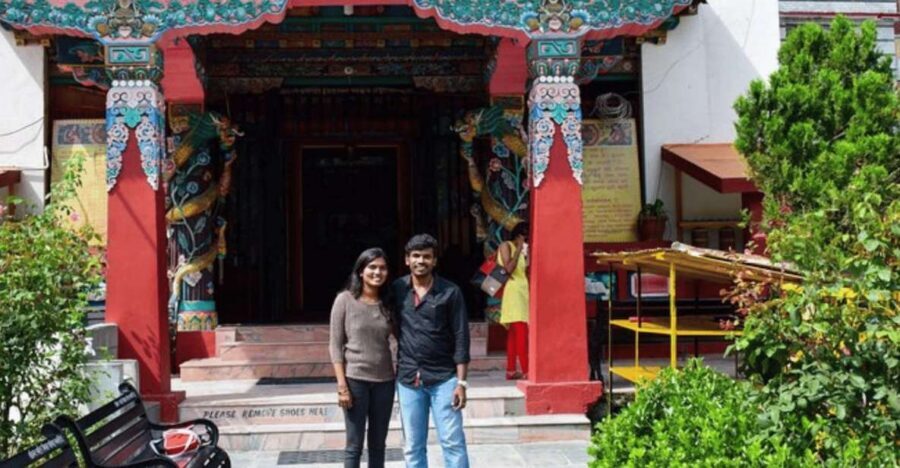
The heart of this experience is that you’re not just walking past religious buildings—you’re being guided through the logic of the complex. Namgyal monastery and Tsuglagkhang temple give you the clearest answer to a simple question: how do visitors understand the Dalai Lama’s presence and Tibetan religious life in McLeodGanj?
This is where a good guide earns their fee. The positive feedback you’ll see for this tour centers on how interesting the Tibetan people and culture are when they’re explained in plain, human terms. That’s what you want from a walking tour like this: not a list of names, but a sense of why people live and gather the way they do.
If you’re the kind of traveler who likes meaning, you’ll enjoy how these stops connect to community life. If you only care about sightseeing output—photos, quick snapshots—then this part may feel more like a respectful introduction than a long photo tour.
Also, since the tour is only 2 hours total, there isn’t time for deep study. You’re getting an orientation that you can build on later if you want more.
Mini Tibetan Market and Central Square: Craft Culture You Can Actually Use
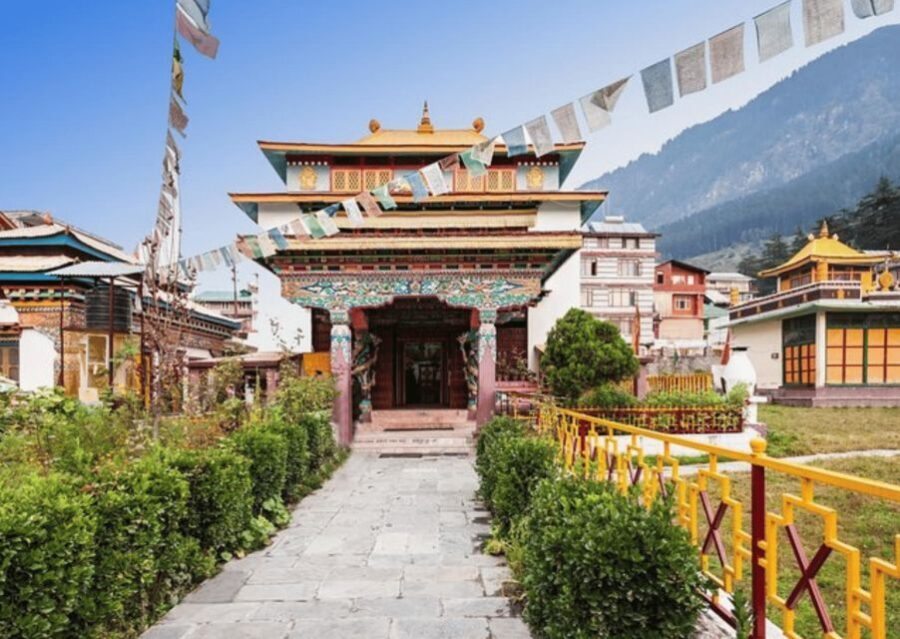
After the temple-focused start, the tour shifts into daily life at the McLeodGanj Central Square, often referred to as the Mini Tibetan Market area. This is where you see the craft economy in action.
You’ll pass or visit stalls and points connected with:
- Thangka tapestry paintings
- Wooden carvings
- Handicrafts and local goods
The value here isn’t only shopping. It’s learning how to look at what you’re seeing. A guided explanation can help you understand what’s being made, who it’s made for, and what kinds of items are commonly sold in this part of town.
For you, the smartest approach is to use the guide’s local tips while you’re still on the route. The tour includes recommendations meant to help you explore and save money, and in a craft market that often means practical advice like comparing materials and asking the right questions before you buy.
A drawback to keep in mind: craft markets can tempt you into spending more than planned. If you want to keep your budget tight, set a small target before you reach the stalls—something like one item or one category—and let the rest stay optional.
Wall Art, Recycling Bottle Art, and Dalai Lama Murals
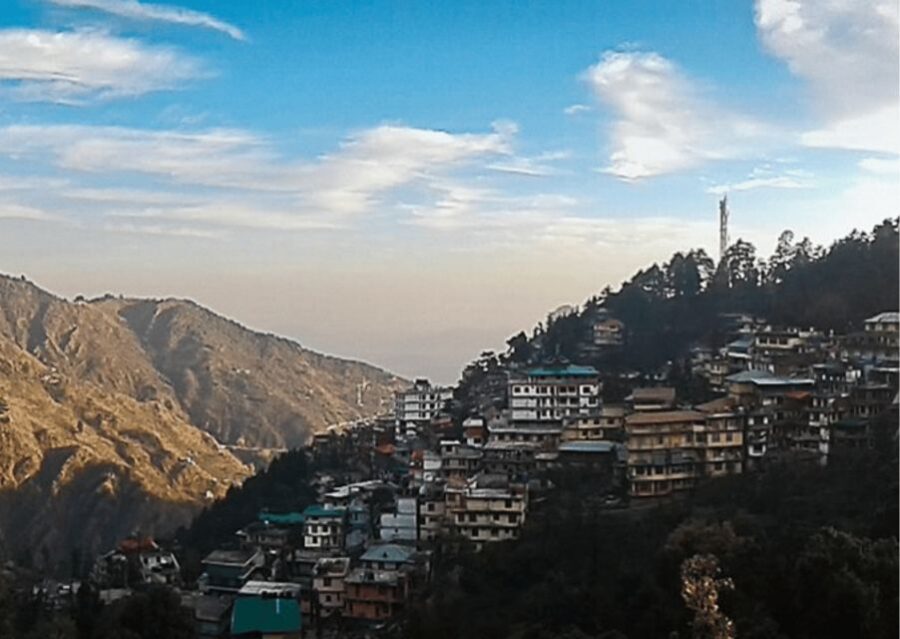
One of the more distinctive parts of this walk is the way art and environment themes show up on the walls. You’ll pass buildings with wall art, painting shops, and recycling bottle art as you move through the old-town feel of McLeodGanj.
The tour also includes Dalai Lama wall art created from waste, plus a stop around a Shiva temple and several cafes in the area. This gives the experience a modern layer: you get to see how spiritual space, local creativity, and environmental thinking are mixed right in the streetscape.
What I like about this for your trip:
- It turns sightseeing into storytelling. You’re not just reading signs—you’re learning why certain images exist in this community.
- It provides a break from the quieter temple areas, with more visual variety.
- It makes the walk feel specific to McLeodGanj, not like a generic “temples and market” route.
One consideration: if you’re primarily chasing quiet religious sites and want minimal street art, this portion might feel a bit more “creative walking” than “traditional temples only.” The tour is designed to blend both.
Handmade Paper Recycling Café: Sustainability in Real Life, Not a Lecture
A standout stop is an artistic café connected to an innovative environmental programme. The focus is on waste management in Upper Dharamsala using Handmade Paper Recycling.
You’re not just told that recycling is good. You’re taken into the story of how waste becomes paper—and how that can support community systems. This is the kind of stop that changes how you see a place. McLeodGanj has plenty of spirituality, but the fact that people also organize around practical environmental fixes says a lot about how the community adapts and innovates.
What you can do with this info:
- Think about your own waste habits while you’re there (especially if you’re buying small items or snacks during the walk).
- Treat the café as a chance to pause without losing the thread of the tour.
- Use it as a conversation starter when you meet locals later in town.
The only practical thing: the tour doesn’t include a water bottle, so bring your own or plan to get water before or after.
What the Guide Adds (and What Can Vary)
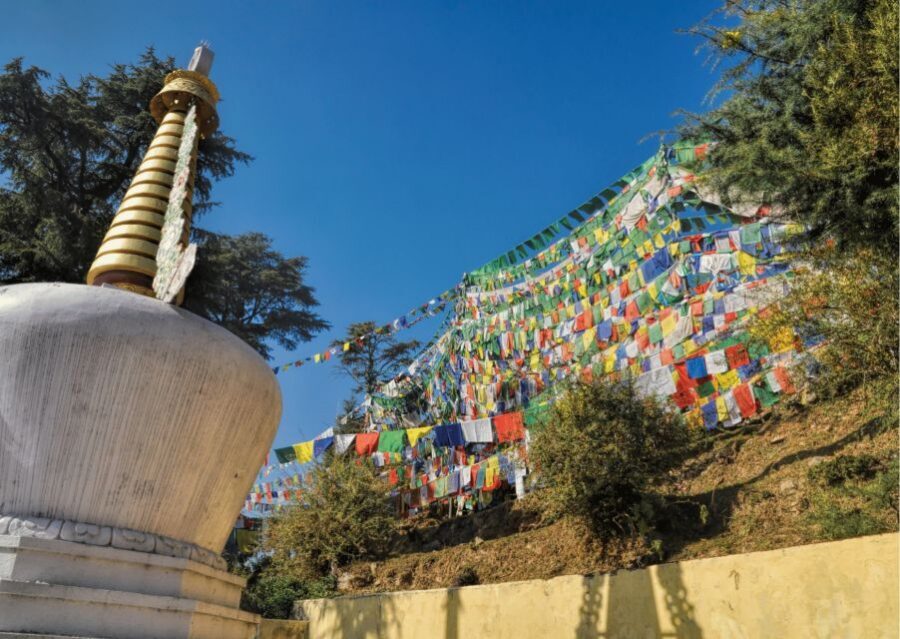
This experience is led by a friendly storyteller/guide speaking English and Hindi. The guide provides local tips, recommendations to save money, and access to hidden lanes and places. That last part is important: McLeodGanj’s best corners are often the ones you’d walk right past without help.
In terms of coverage, the idea is that you’ll get a tour that works for people who like history and people who don’t. It’s structured so you won’t drown in facts. But as noted in the available feedback, guide depth can vary. If your guide sticks tightly to the planned highlights, you’ll likely be happy. If they race through or don’t explain much, you’ll feel like you only brushed the surface.
What to do to protect your experience:
- Ask questions early in the walk, while you’re in the complex temple area.
- If you care about Tibetan culture context, make sure your curiosity is visible—good guides respond to that.
- Keep a flexible mindset. You’re buying orientation and stories, not a long museum-style lecture.
Pacing, Foot Comfort, and Practical Tips for a 2-Hour Route
This is a short walking tour, but the streets of McLeodGanj can still feel like work if you wear the wrong shoes. I recommend comfortable clothes and shoes you can walk in for a couple of hours on uneven sidewalks.
A few practical considerations based on what’s included:
- No hotel pickup or drop means you should plan to get to McLeod Square Temple area on your own.
- Water bottle isn’t included, so carry water or be ready to buy it nearby.
- Because you visit temples and also move through markets and art streets, expect both quiet and lively moments.
Group experience matters too. Walking tours often move as one unit, so if you need lots of solo time, you may feel slightly managed. On the other hand, if you enjoy a guided route that keeps you from wandering aimlessly, the group format is a plus.
Price and Value: Is $14 a Fair Deal Here?
At about $14 per person for 2 hours, you’re paying for three things:
1) a guide who can explain what you’re looking at,
2) access to places and lanes you’d likely miss,
3) the convenience of a pre-planned route that balances temples with markets and creative stops.
If you’re doing McLeodGanj for the first time, that orientation value can be real. Buying a ticket here saves you from piecing together a route through multiple sources while also giving you context as you go.
If you’re already confident in Tibetan Buddhist basics and you mainly want to shop or take photos, you might feel the value is lower. In that case, you could spend your money elsewhere or pair this with a self-guided wander.
But for most visitors—especially those who want “what to see and why it matters” in a compact time window—this price-to-time ratio is sensible.
Who Should Book This Tour (and Who Might Skip It)
This walk suits you best if:
- You want an efficient introduction to McLeodGanj’s old town and spiritual landmarks.
- You like storytelling and cultural context more than long, academic explanations.
- You want craft culture, including thangka and wood carvings, without turning the whole trip into a shopping spree.
- You enjoy sustainability stories when they’re tied to real community initiatives like Handmade Paper Recycling.
You might skip it (or pair it differently) if:
- You need ultra-detailed history stop-by-stop with lots of factual depth.
- You dislike market areas and prefer a temple-heavy day only.
- You’re traveling with very limited mobility and need a route with guaranteed minimal walking (this tour is a walk, so you’ll be on your feet).
Should You Book Heritage & Cultural Trails of McLeodGanj?
I’d book it if you want a friendly, story-led route that quickly explains why certain places matter, and you’re happy to blend temples with markets and street art. The tour’s structure is practical: start at McLeod Square Temple, move into the Kalachakra and Tsuglagkhang zone, then shift into craft culture and visible sustainability like Handmade Paper Recycling.
Skip it only if you’re specifically hunting for deep factual lectures at every stop, or you know you’ll be disappointed if a guide’s explanation is lighter than expected. For the price and 2-hour time commitment, this is a solid way to get oriented and leave with a clearer sense of McLeodGanj beyond the main streets.
FAQ
Where does the tour start?
It starts at McLeod Square Temple in McLeodGanj.
How long is the walking tour?
The tour lasts 2 hours.
What’s the price per person?
The price is $14 per person.
What languages is the guide available in?
The guide speaks English and Hindi.
What are the main places you’ll visit?
Key stops include Kalachakra Temple, Namgyal monastery/private chamber areas linked to the Dalai Lama, Tsuglagkhang temple, the Mini Tibetan Market/Central Square, and an artistic café connected to Handmade Paper Recycling.
What’s included in the tour?
Included features are a trained English/Hindi storyteller/guide, local tips and recommendations, access to hidden lanes and places, and guided conversations.
What should I bring?
Wear comfortable clothes. Also note that a water bottle is not included.
Is water included?
No. Water bottle is not included.