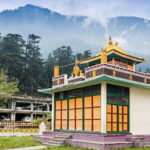
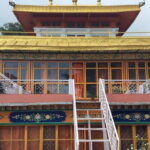
Six hours, six sacred stops. This guided loop in Dharamsala connects Tibetan monasteries and a nunnery in one smooth day, with explanations that make the rituals feel human instead of mysterious. I like that you start at Namgyal Monastery (the Dalai Lama’s personal monastery) and keep going to Nechung and Gyuto, so the spiritual thread stays clear. The day also runs at a small group pace (max 10), which helps you ask questions. One possible drawback: not everything is included, so plan for extra costs like the Norbulingka Institute entrance fee and no lunch.
You’ll be picked up and dropped back at your hotel, and the tour includes a local English-speaking professional guide plus a water bottle. That matters because Dharamsala’s monastery circuit can feel like a blur if you’re trying to match names, meanings, and locations on your own.
The strongest part of the experience is the range: prayer and chanting at major monasteries, cultural craft time at Norbulingka, and a calmer ending with meditation at Thosamling Nunnery. If you’re short on time, this is a good way to see a lot of what Dharamsala is known for—just remember it’s a packed 6 hours, not a slow wander.
In This Review
- Key highlights you’ll care about
- A 6-hour circuit of Tibetan faith in Dharamsala
- Price and what $68 really buys you
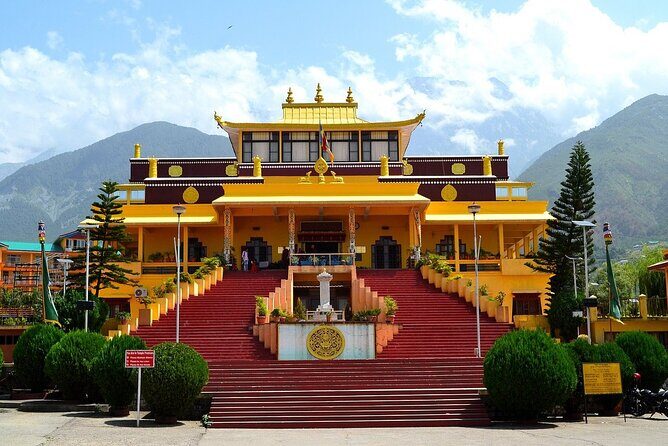
- Namgyal Monastery: where the Dalai Lama’s story is closest
- Nechung Monastery and the Nechung Oracle tradition
- Tse Chok Ling Monastery: a calmer retreat moment
- Norbulingka Institute: gardens, artisans, and Tibetan arts
- Gyuto Monastery: tantric practice and the sound of devotion
- Thosamling Nunnery: meditation and a quieter ending
- Extras you might see with this kind of guiding
- How to plan your day like a local
- Who this tour suits best
- Should you book this Dharamsala Tibetan monasteries and nunnery tour?
- FAQ
- How long is the Dharamshala Tibetan monasteries & nunnery tour?
- Is hotel pickup and drop-off included?
- What’s included in the tour price?
- Which monasteries are visited during the tour?
- Are entrance fees included?
- Is lunch included?
- What is the maximum group size?
- Is there a mobile ticket?
- What are the cancellation terms?
Key highlights you’ll care about
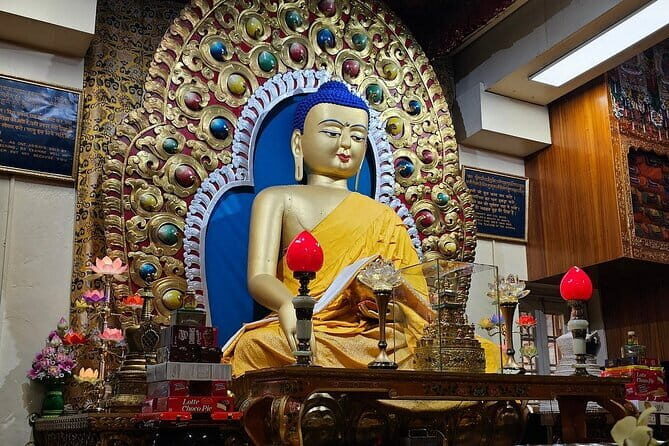
- Namgyal Monastery start: begin at the Dalai Lama’s personal monastery for immediate context
- Nechung Oracle focus: one stop is specifically tied to the Nechung Oracle and traditional practice
- Cultural stop at Norbulingka: gardens and artisans preserving Tibetan arts and crafts
- Gyuto Monastery rituals: a monastery known for tantric rituals and monks’ daily practices
- Thosamling Nunnery meditation: end with a quieter, contemplative session with Tibetan nuns
A 6-hour circuit of Tibetan faith in Dharamsala
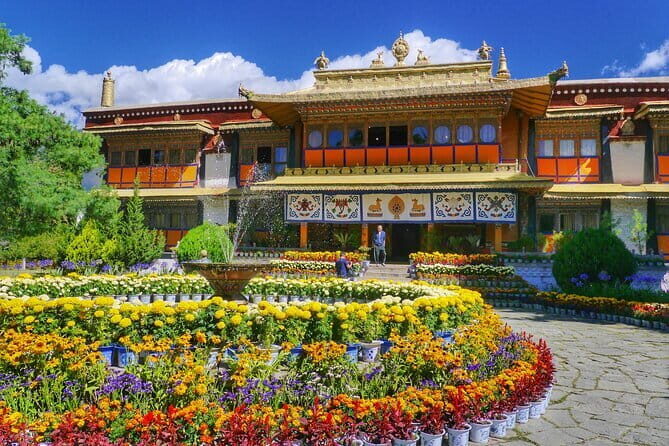
This tour is designed like a guided “spiritual sampler platter.” You hit six places in about 6 hours, so you’re not piecing together transport, timing, and entry questions by yourself. The route is built around two big themes: Tibetan Buddhism as a living practice (prayer, rituals, meditation) and Tibetan culture as something you can actually see (arts, crafts, and everyday monastery life).
The structure is useful for first-timers. You’re not just looking at buildings. You’re learning what each site is known for, which helps when you later hear words like Nechung Oracle, tantric practice, or monastic meditation. And because the group size is capped at 10, you’re less likely to feel rushed or ignored.
There’s also a practical upside: pickup and drop-off are included from your hotel, and the driver brings you back at the end. That reduces stress. In a place with hills and short days, “no navigation needed” is a bigger benefit than it sounds.
A few more Dharamsala tours and experiences worth a look
Price and what $68 really buys you
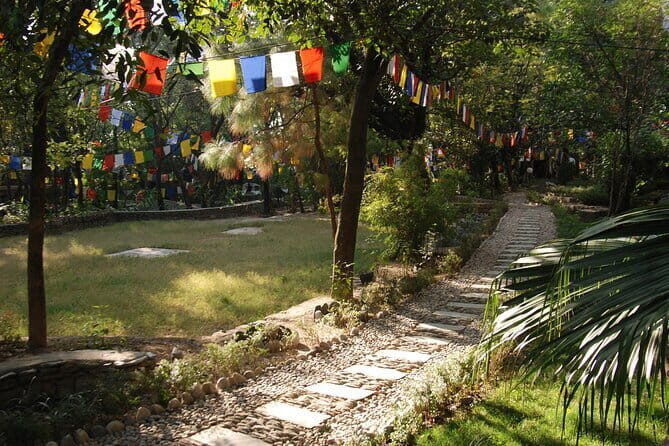
The tour price is $68 per person, and that’s fairly solid if you compare what you’d pay for a private car plus a guide to cover multiple monasteries. You get:
- pickup and drop-off from your hotel
- a local English-speaking professional guide
- a water bottle
- coverage of the main monasteries in Dharamsala and McLeodganj
- all taxes
But the key to value here is understanding what’s not included. You’ll need extra cash for:
- Monument fees (not included)
- Norbulingka Institute entrance fee: Rs 200 per person (listed as ₹200)
- Lunch (not included)
If you’re the type who hates surprises, build in a small buffer. The itinerary includes a cultural center (Norbulingka), and that one is specifically called out with a per-person entrance fee. Other sites may also have monument fees, so it’s smart to carry some cash.
Also, the experience has a non-refundable policy, and it cannot be changed once booked. So if your schedule is fragile, double-check your day before you commit.
Namgyal Monastery: where the Dalai Lama’s story is closest
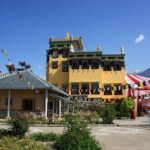
Your first stop is Namgyal Monastery, described as the spiritual home of the Dalai Lama. That opening matters. Starting here gives you a foundation before the tour moves into more specialized sites.
At Namgyal, you’re meant to explore the tranquil halls and vibrant Tibetan art. Even if you don’t know much Buddhism yet, the guide’s job is to connect what you’re seeing to why it matters. This is where you’ll typically learn what a personal monastery means in the Tibetan context and how monastery space supports prayer and study.
What I like about beginning here: the tone is already set. The tour doesn’t just throw you into chanting and rituals right away. You start with spiritual ambiance, then broaden outward into different kinds of practice.
A small practical consideration: since this is a “start strong” location, go in ready to look slowly. If you rush through early stops, you may feel lost later when names and functions start overlapping.
Nechung Monastery and the Nechung Oracle tradition
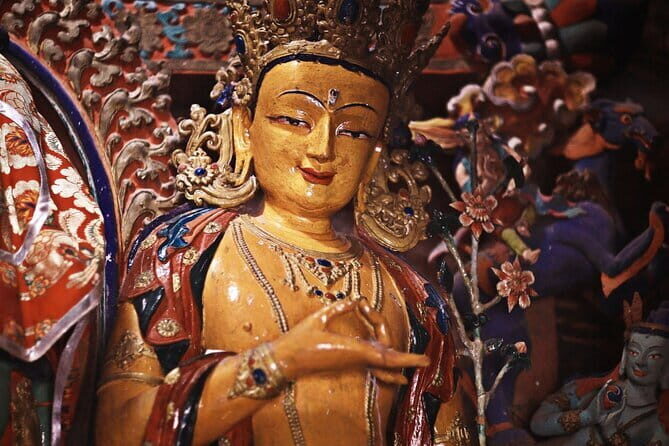
Next comes Nechung Monastery, known for ancient traditions and the Nechung Oracle. This stop is the “mystical practices” part of the day, and it’s specifically tied to one of the most distinctive elements people associate with Tibetan religious systems.
You should expect the guide to explain how Nechung is linked with the Oracle tradition and what it means for believers. Even if you approach this as a cultural learner rather than a spiritual believer, the value is in understanding how ritual and community interact over time.
Why this works in a guided tour: when you’re standing in a monastery, “What am I looking at?” is a common question. Nechung is a place where that question gets answered. The guide’s English interpretation (the tour includes an English-speaking professional) helps you connect the site’s reputation with what you’re actually experiencing on site.
Potential drawback: if you’re hoping for a pure sightseeing stroll, this is more explanation-heavy than photo-heavy. If you want deep context, that’s a plus.
Tse Chok Ling Monastery: a calmer retreat moment
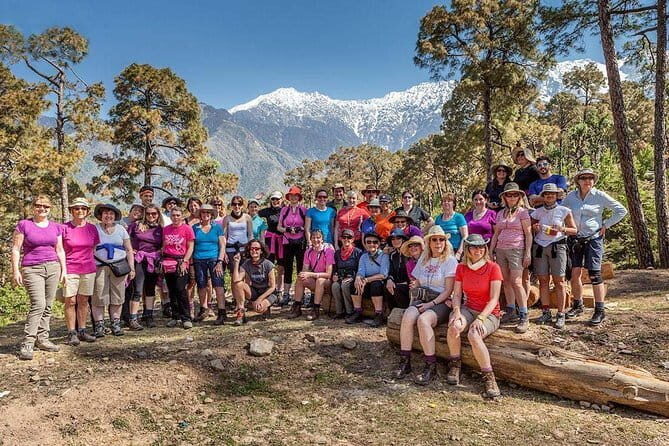
After Nechung, the tour includes Tse Chok Ling Monastery, described as a serene retreat nestled amid nature. This stop shifts the mood. It’s still monastic space, but the framing is about peace and meditation.
What you’ll likely get here is a slower feel and a chance to reset your attention. When the day is packed, these quieter moments matter. They help you absorb what you learned at previous stops instead of treating every monastery like a quick checkbox.
Still, remember you’re on a timed circuit. Even a calm retreat can feel short if the group moves quickly. The best way to get value is to ask a question or two—especially about what makes this retreat different from the larger, more public monasteries.
A few more Dharamsala tours and experiences worth a look
Norbulingka Institute: gardens, artisans, and Tibetan arts
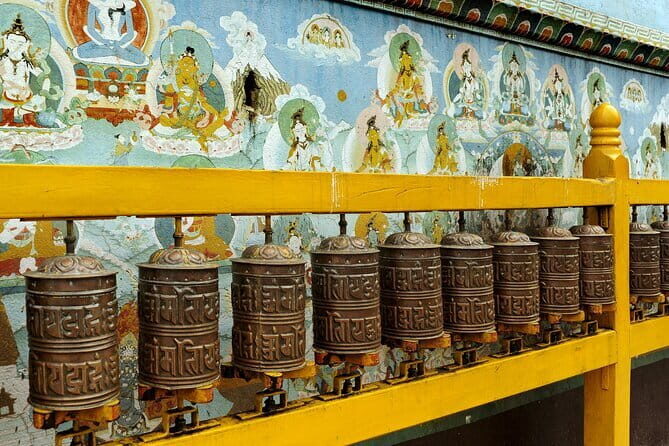
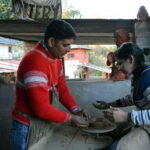
Then you switch from spiritual practice to cultural preservation at Norbulingka Institute. This is described with a focus on lush gardens and artisans working to preserve Tibetan arts and crafts. In other words: you get the “how culture continues” side of the story.
This stop also comes with a clearly stated extra cost: the Norbulingka Institute entrance fee is Rs 200 per person (₹200). So if you’re budgeting, add it. Since lunch isn’t included either, Norbulingka is often one of the moments where you realize you didn’t plan food yet. Keep that in mind.
What I appreciate about this part of the day: it helps you see that monasteries aren’t the only containers for Tibetan identity. Craft traditions, training, and daily artistic work are part of the same cultural ecosystem.
One practical note: institute-style visits often involve more walking around gardens and workshop areas. If you’re sensitive to slopes or stairs, pace yourself.
Gyuto Monastery: tantric practice and the sound of devotion
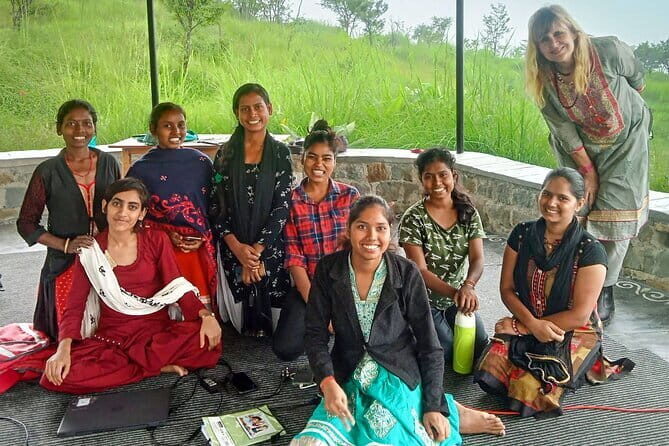
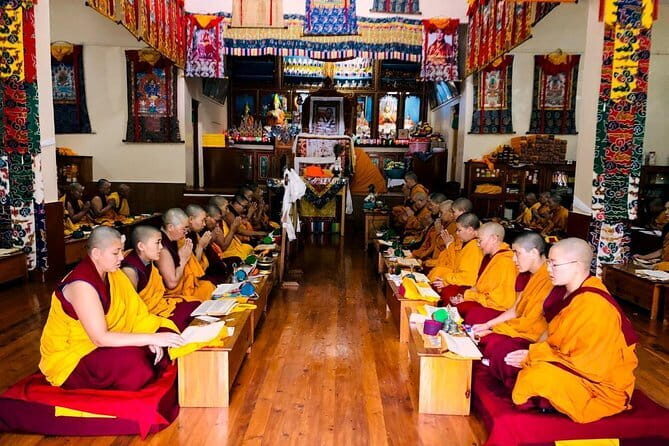
Next is Gyuto Monastery, known for tantric rituals and teachings. This is the stop that leans into practice again—monks practicing rituals, daily life on display, and a sense of serenity through active devotion.
The tour description points to you observing monks during daily practices and soaking in the calm atmosphere of the place. That’s a strong contrast with Norbulingka. One site gives you craft culture. This one gives you spiritual practice.
What you’ll get out of Gyuto depends on your expectations. If you come curious, this can be fascinating: tantric practice is not just a concept, it’s a lived routine inside monastery life. If you come expecting a casual sightseeing day, it may feel intense.
Also, with six stops in one day, you’ll want to mentally “budget attention” for Gyuto. This is one you don’t want to rush through. Give the guide time to explain the basics behind what you’re seeing so the rituals don’t become just shapes and chants.
Thosamling Nunnery: meditation and a quieter ending
Your day ends at Thosamling Nunnery, described as a peaceful sanctuary for Tibetan nuns with meditation sessions. This is a big deal for the overall arc of the tour.
Earlier stops are active and ritual-heavy: Namgyal sets spiritual ambiance, Nechung centers the Oracle tradition, Tse Chok Ling shifts to retreat-like calm, and Gyuto brings tantric practice and teaching rhythms. Ending at a nunnery gives you a different lens on monastic life: contemplation and meditation as the final note.
The meditation session is the standout feature here, and it’s your chance to slow down before the drop-off back to your hotel. In a day that can feel “on the go,” this is the part that helps everything land.
One consideration: because it’s a meditation-focused stop, you may want to keep your phone use minimal and follow whatever quiet behavior the site expects. Since the tour is guided, you’ll get hints from your guide during the session.
Extras you might see with this kind of guiding
Some monastic days in Dharamsala and McLeodganj can include additional nearby cultural stops, depending on time and the route. In this tour’s broader style, you may find your guide also adding stops like Chamundi Temple, and in at least some cases reaching areas people refer to as Tittle Tibet or a local stupa, along with time for explanations and context.
The safest way to think about this: treat the listed monasteries as the core. If extra stops happen, they should feel like side windows into the same Tibetan Buddhist world—context, not random detours.
How to plan your day like a local
To get the best value out of a tour that moves through Dharamsala and McLeodganj with six different religious sites, plan for a few real-life constraints.
First, build in enough energy. This isn’t a leisurely stroll. Even if each stop is short, the mental load is real because each monastery comes with names, traditions, and meanings the guide is explaining.
Second, bring cash for extra fees. Norbulingka’s entrance fee is explicitly listed, and monument fees may apply elsewhere too. Lunch isn’t included, so you’ll want a plan for food either before the tour or during your breaks.
Third, use your guide’s English advantage. The tour includes an English-speaking professional guide. Ask one practical question at each stop. For example:
- What is this monastery known for?
- How does this practice differ from the last stop?
- What should I notice in what I’m seeing today?
If you do that, the day becomes education you can carry home—not just sightseeing photos.
Who this tour suits best
This tour fits best if you:
- want a focused way to see multiple Tibetan monasteries in one day
- like guided context, especially about Tibetan Buddhism practices and traditions
- enjoy learning from a local guide who can explain what the sites are known for
- prefer a small group experience (max 10)
It’s also a great fit if you’re in Dharamsala for a short stay and want to understand the cultural landscape quickly. The mix of monasteries plus Norbulingka’s arts and craft focus gives you more than one angle on Tibetan life.
If you’re looking for a long, quiet, self-paced day—or if you hate paying extra entrance or monument fees—this may not be the best match. The schedule is built to cover a lot.
Should you book this Dharamsala Tibetan monasteries and nunnery tour?
I’d book it if your priority is seeing the major spiritual and cultural stops with a guide, without having to plan transport or figure out what each place is about. At $68 for a 6-hour small-group tour with pickup and drop-off, the value is strongest when you account for what you’d pay separately for car + guide time across multiple sites.
I’d think twice if:
- you’re on a strict budget (Norbulingka’s fee and possible monument fees add cost, and lunch isn’t included)
- you want a slow pace with fewer stops
- your plans are flexible enough that a non-refundable booking could be risky
If you want a day that turns Tibetan monasteries from scenery into understanding—Namgyal, Nechung Oracle tradition, Gyuto rituals, and a meditation ending at Thosamling—this tour is a smart, efficient way to do it.
FAQ
How long is the Dharamshala Tibetan monasteries & nunnery tour?
It runs for about 6 hours.
Is hotel pickup and drop-off included?
Yes. Pickup is from your hotel, and the driver drops you back at the end.
What’s included in the tour price?
The tour includes a local English-speaking professional guide, pickup and drop-off from the hotel only, a water bottle, and coverage of the prominent monasteries of Dharamshala and McLeodganj, plus taxes.
Which monasteries are visited during the tour?
You visit Namgyal Monastery, Nechung Monastery, Tse Chok Ling Monastery, Norbulingka Institute, Gyuto Monastery, and Thosamling Nunnery.
Are entrance fees included?
No. Monument fees aren’t included, and Norbulingka Institute has an entrance fee of Rs 200 per person (₹200), which is not included.
Is lunch included?
No. Lunch is not included.
What is the maximum group size?
The tour has a maximum of 10 travelers.
Is there a mobile ticket?
Yes, the tour includes a mobile ticket.
What are the cancellation terms?
The experience is non-refundable and cannot be changed for any reason.