Kareri Lake is a quick mountain reset. This 3-day trek near Dharamshala takes you from the bus stand to village camps, then up to Kareri Lake for sightseeing at a Lord Shiva temple. I like that it keeps things simple and structured, with a guide and all meals handled so you can focus on the walking and the views.
Two things I especially like: the professional guide (you’re not stuck guessing the route), and the included camping setup with tents plus sleeping bags and mattresses. You’ll also have a washroom tent, which makes a big difference once night falls.
The one drawback to think about is the trail effort. It’s aimed at people with moderate fitness, and you’ll deal with rocky sections, waterstreams, and river crossings, so good footwear and steady knees matter.
In This Review
- Quick hits before you go
- A short trek with a big payoff near Dharamshala
- Day 1: Dharamshala to Rioti campsite, with time to settle in
- Day 2: Reaching Kareri Lake and visiting the Lord Shiva temple
- Day 3: Trek back to Kareri village and back to Dharamshala
- Camping comfort that actually matters: tents, sleeping gear, and washroom tent
- The trail difficulty: beginner-friendly, with real footwork
- Price and value: why $31 can work for this kind of trek
- Best time to go: calm off-season hikes vs. frozen-lake moments
- Who should book (and who should skip this plan)
- Packing and prep: the “don’t get stuck on day two” checklist
- Quick notes on logistics: start time, transfers, and group rhythm
- Should you book the Kareri Lake Trek?
- FAQ
- How long is the Kareri Lake trek?
- Where does the trek start and end?
- What time does the trek start?
- Is transportation included?
- What camping gear is provided?
- Are meals included?
- What fitness level do I need?
- What is not included in the price?
- Can I see snow or a frozen lake?
Quick hits before you go
- Pro guide included so you can hike with confidence on a mountain route
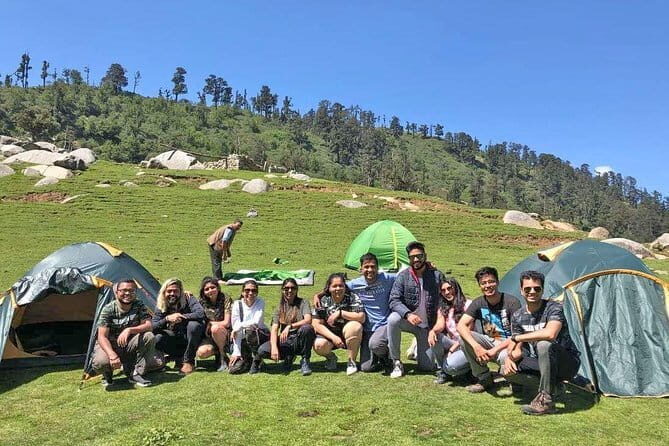
- Tents, sleeping bags, mattresses, and washroom tent included for real camping
- Meals are covered across breakfast, lunch, and dinner (no hunting for food)
- Round-trip transfers between Dharamshala and Kareri village save time and hassle
- Beginner-friendly feel for many people, with a trail that still has real footing challenges
- March can bring frozen-lake drama, so timing can change the whole mood
A short trek with a big payoff near Dharamshala
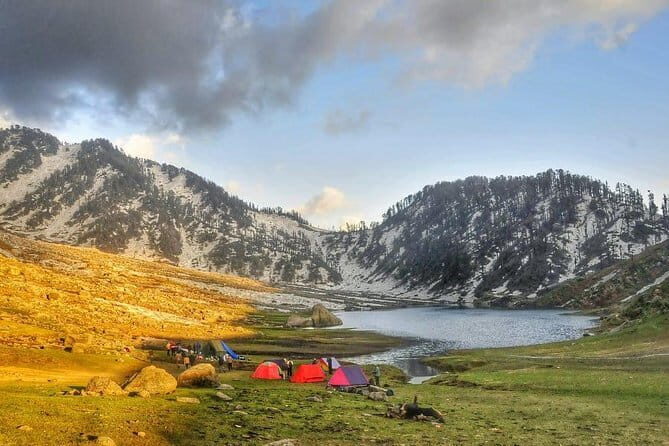
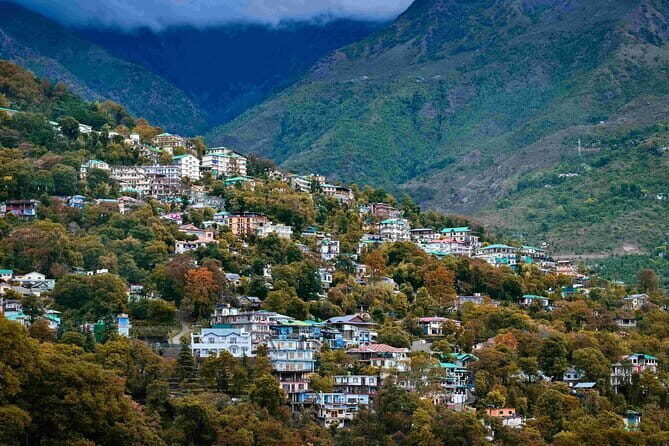
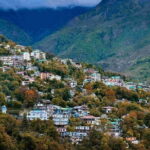
Kareri Lake sits in the hills just outside Dharamshala. The route is short on paper, but it still feels like you’ve gone far—because the days move at trail pace. You start in town, then gradually switch from traffic noise to footsteps, streams, and pine-scent air.
What makes this trek especially practical is how little you need to arrange. You don’t have to bring camping gear, and you don’t have to plan your meals. The plan also gives you a logical rhythm: travel and settle on day one, hike toward the lake on day two, then go back down on day three.
And yes, the lake can be dramatic. In late winter and early spring, people have reported seeing snow and a frozen Kareri Lake when they visit in the third week of March. Even if you don’t get that icy look, the lake and temple stop are still the main event.
If you're still narrowing it down, here are other tours in Dharamsala we've reviewed.
Day 1: Dharamshala to Rioti campsite, with time to settle in
Your day begins with a morning start from Dharamshala, with a scheduled meeting time around 10:00 am. From there, you transfer toward the village area—about 25 km—and the day shifts into trek mode.
Lunch is served depending on your timing, then you start walking toward the Rioti campsite. Reaching the campsite by evening is key. It means you’re not doing a marathon day on day one, and you get daylight to adjust—breathing, footing, and carrying your essentials.
That first night is in tented accommodations with sleeping bags and mattresses provided. Based on past trekkers’ experiences, some departures may include a home stay in the Nouli area on the way up, then continue into trekking the next day. Either way, the idea is the same: you get a gentle ramp into mountain life before the lake day.
What to expect
- A travel-and-trek blend rather than a nonstop hike
- Evening arrival that gives you a calmer first night
- Camping comfort that’s meant to help beginners
Possible downside
- If you’re arriving late or you’re sensitive to long travel + walking, day one can still feel like a full plate. Pack snacks you can grab quickly, just in case lunch timing doesn’t line up with your appetite.
Day 2: Reaching Kareri Lake and visiting the Lord Shiva temple
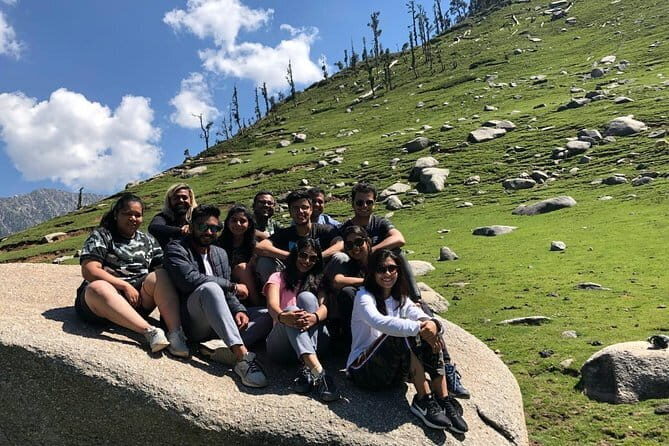
Day two is the centerpiece. After breakfast, you start trekking toward Kareri Lake. This is where the trail gets more interesting—more variety, more views, and more chances to slow down and watch the light move.
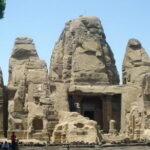
When you reach the lake, you’ll have time for sightseeing, including a visit to the Lord Shiva temple near the water. People describe this stop as a noticeably spiritual moment, partly because you’re arriving after effort and partly because the setting feels quiet and focused once you’re up there.
You’ll also have a packed lunch at the Kareri Lake site. That matters because it keeps the schedule moving and helps you avoid turning your lake day into an errand day. After lunch, you get a broader look at the lake—enough time to take photos, sit for a bit, and just watch.
A detail worth knowing: past hikers talk about streams, and at times river crossings and rocky sections along the way. That doesn’t mean it’s technical like a mountaineering route, but it does mean you should walk carefully and stay present. The lake rewards slower, steadier steps.
What makes the lake day special
- Lake viewpoints you can actually enjoy, not just pass through
- A temple stop that adds meaning to the scenery
- Lunch is handled, so you can stay in sightseeing mode
A reality check
- If you hate uneven ground or wet crossings, you’ll want to plan your pace. This trek can be beginner-friendly, but it’s not a paved walkway.
Day 3: Trek back to Kareri village and back to Dharamshala
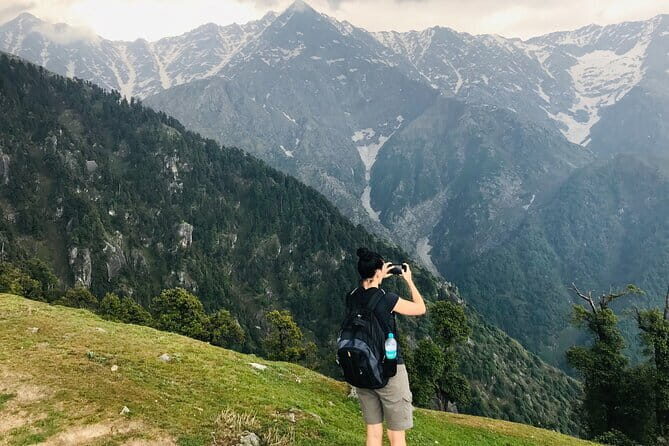
On the final morning, you have breakfast, then you trek back toward Kareri village. This is not “just downhill” in the simple sense. Even when the grade eases, your knees and ankles still get a workout on rocky or uneven sections.
By afternoon or early evening, you’ll transfer back to the Dharamshala bus stand from Kareri village and reach back by evening. The timeline is tight enough that you’re probably not dragging your feet, but it’s loose enough that you can move at your comfort level.
The best part of day three is the lightness of the goal. You know you’re heading back, and you’ve already seen the lake. That makes it easier to enjoy the final stretches instead of grinding through.
Camping comfort that actually matters: tents, sleeping gear, and washroom tent
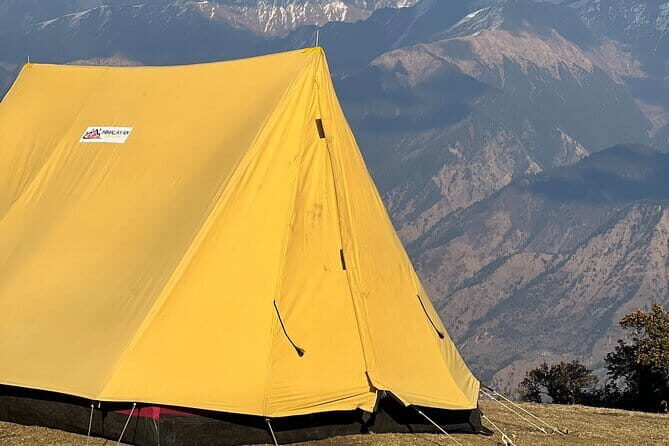
This trek includes the camping setup, which is huge for value and convenience. You get tents plus sleeping bags and mattresses, so you’re not trying to improvise comfort with a thin sleeping sheet and hope for the best.
You also get a washroom tent, which is one of those details that can make or break a camping-style trip. Even if you prefer a “rough it” vibe, basic sanitation access reduces stress.
That said, you’re still camping in the mountains. Bring layers you trust. Nights can get cold, and you’ll want your warm base layer even if the day feels mild.
Quick comfort tips
- Wear warmer socks at night if you tend to get cold feet
- Keep your dry layer in an easy-to-reach bag so you’re not rummaging in the dark
- Don’t assume you’ll have electricity or unlimited warmth after sunset
Other hiking tours in Dharamsala

The trail difficulty: beginner-friendly, with real footwork
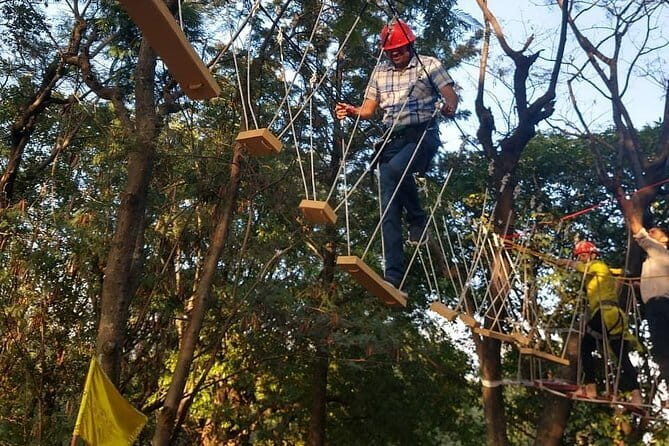
This trek is often described as a beginner-level mountain trek. One hiker rated it around a 3/10 for difficulty. Another highlighted the peaceful vibe during an offbeat season and pointed out waterstreams and river crossings as memorable moments.
So what does that mean for you?
It means you don’t need advanced hiking skills. You likely do need:
- steady pace and patience
- shoes that handle rocks and possible wet crossings
- a willingness to slow down for uneven footing
The route can feel rocky, and people have talked about climbing sections that show up at the times your legs start asking questions. Think of it as: simple navigation, but not flat terrain.
If you’ve never hiked before, this is still a solid option, as long as you go in with the right expectations. You’ll be walking for hours, and the mountains don’t care about your fitness app trends.
Price and value: why $31 can work for this kind of trek
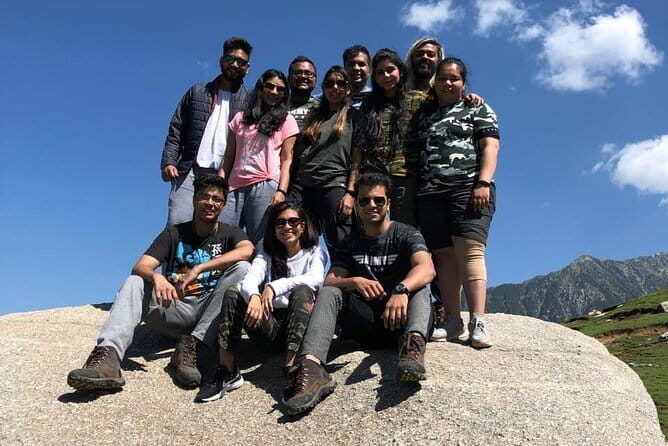
At $31 for about 3 days, the big story isn’t just the price tag. It’s what’s bundled.
You get:
- a pro guide
- tents, sleeping bags, mattresses, and washroom tent
- all meals listed as breakfast (2), lunch (2), dinner (2)
- round-trip transportation between Dharamshala and the village area
That’s a lot of cost categories rolled into one. Many cheaper outdoor trips cut corners on one of these items—usually meals, guidance, or basic camping comfort. Here, the structure feels built for beginners and for people who don’t want to manage logistics.
There are still costs you should plan for. Tips aren’t included. A porter isn’t included either. And you’ll likely need your own trekking shoes or other personal gear. But even with that, the base price covers the core experience in a straightforward way.
Best time to go: calm off-season hikes vs. frozen-lake moments
Timing changes the trek mood.
If you want snow and frozen-water drama, the third week of March is a point people specifically mention. That’s when Kareri Lake may show ice or snow. Expect colder temperatures and slower footwork.
If you prefer a quieter hike with less crowd energy, off-season travel has been described as especially peaceful. That can matter if you like nature sounds, fewer photo lines, and a more relaxed pace.
Bottom line: pick your goal.
- March for winter leftovers and a frozen-lake look
- off-peak for a calmer hike experience
Who should book (and who should skip this plan)
I think this trek is a great fit if you:
- want a short guided trek without complicated planning
- are a beginner or returning after time away
- like camping as an experience, not as a punishment
- want lake scenery plus a meaningful temple stop
You might want to skip or choose something easier if you:
- have trouble with uneven, rocky trails or wet crossings
- hate the idea of camping and basic sanitation setups
- don’t consider moderate physical fitness realistic for you
Also, this trip has a group limit of up to 20 travelers. That’s not tiny, but it’s small enough to usually keep the experience feeling organized rather than chaotic.
Packing and prep: the “don’t get stuck on day two” checklist
Because extra gear like shoes isn’t included, you should plan your basics carefully. The trek expects you to walk on rough ground, possibly with water crossings.
Bring:
- hiking shoes with decent grip (not brand-new if they blister easily)
- a rain layer or wind layer (mountain weather changes fast)
- warm layers for night camping
- a day bag with water and personal snacks
- a small light headlamp or flashlight for tent-camping evenings
If you’re sensitive to cold, also bring extra socks and a warm hat. Your sleeping bag and mattress help, but they’re not a substitute for proper layers.
And bring a positive attitude for the inevitable moment when your legs realize the trail is still climbing.
Quick notes on logistics: start time, transfers, and group rhythm
This experience starts around 10:00 am in Dharamshala. You’ll be near public transportation for the meeting point. The group size is capped at 20, which helps keep things manageable.
You’ll also get private transportation for the transfers between Dharamshala and the village area. That removes the stress of trying to coordinate buses mid-trek.
Weather matters here. The trek requires good conditions, and if it’s canceled due to poor weather, you should expect a different date or a full refund. Since you’re going for nature scenery, this is worth building into your schedule flexibility.
Should you book the Kareri Lake Trek?
Yes—if you want an approachable guided trek with camping comfort and included meals, and you’re okay with a trail that has rocky bits, streams, and river crossings.
Book it if:
- you’re a beginner and want structure
- you like the idea of lake sightseeing plus a Lord Shiva temple visit
- you want value that covers guide + camping + food in one plan
- you’re curious about a frozen-lake look if you time your trip in March
Skip it (or choose a gentler alternative) if:
- walking uneven ground is a hard no for you
- you’re not comfortable with moderate fitness requirements
- camping setup feels like too much friction for your style
If you do book, go in prepared for real footing, and you’ll likely walk away happy. The lake day makes the effort feel worth it.
FAQ
How long is the Kareri Lake trek?
It’s about 3 days.
Where does the trek start and end?
It starts in Dharamshala, Himachal Pradesh, India, and it ends back at the meeting point in Dharamshala.
What time does the trek start?
The start time is 10:00 am.
Is transportation included?
Yes. Round-trip transportation between Dharamshala and Kareri village is included.
What camping gear is provided?
You’ll get tents, sleeping bags, mattresses, and a washroom tent.
Are meals included?
Yes. Breakfast (2), lunch (2), and dinner (2) are included.
What fitness level do I need?
The trek is for travelers with a moderate physical fitness level.
What is not included in the price?
Tips, a porter, and extra trekking equipment like shoes are not included.
Can I see snow or a frozen lake?
If you go in the third week of March, you may see snow and a frozen Kareri Lake, based on past experiences.