That quiet footpath outside town is the point. This guided Dharamsala village walk trades McLeod Ganj bustle for deodar and pine forest, mountain river scenery, and real chat-time with locals. You’ll get big views of the Dhauladhar range without needing to be a serious trekker.
I especially love the pacing: it’s a relaxed, “comfortable as walking” hike with plenty of stops for photos, bird breaks, and simple refueling. I also love the human side, from visiting a village home to hearing stories about how this area changed over the last 50 years, including tales tied to nomadic tribes, cattle, and local wildlife.
One thing to consider: it requires good weather, and the experience is non-refundable. If conditions turn, you’ll need to shift dates (or get a refund if the hike is canceled due to poor weather).
In This Review
- Quick highlights: Naddi’s village life plus Dhauladhar views
- Starting at Naddi Main Square: the easy kickoff you’ll appreciate
- Through the tall deodar and pine: your main route is the scenery
- Stops for refuel and stories: where the time actually goes
- Crossing a river stream: small engineering, big payoff
- Meeting locals the right way: village home visit and real conversation
- The views don’t take a break: Dhauladhar stays in your photos
- Price and value: $31 for a guided culture-and-nature package
- Who this walk suits best (and who might want a different option)
- Tips so you get the most out of it
- Should you book the Naddi village walk?
- FAQ
- Where does the tour start and end?
- How long is the village walk?
- What is included in the price?
- Is there an entrance fee?
- How big are the groups?
- Is the activity suitable for different ages?
- Do I need good weather?
- What’s the cancellation rule?
Quick highlights: Naddi’s village life plus Dhauladhar views
- Deodar-and-pine trail: a slower walk with birds and crisp mountain air
- Dhauladhar views throughout: snowy peaks in the background on clear days
- River stream and small waterfalls: part of the scenery as you move between hamlets
- Village home visit: face-to-face time to understand daily life and culture
- Local guides who know the stories: I heard names like Ashok, Vikas Kumar, and Ranjit, with cultural context from the Gaddi community
- Small group size: capped at 10 travelers, so it feels personal rather than crowded
Starting at Naddi Main Square: the easy kickoff you’ll appreciate
The tour begins at Naddi Main Square. That matters, because the activity is designed to get you out of the tourist traffic quickly and into a more local rhythm.
McLeod Ganj is beautiful, but if you want real everyday life, this is the smart move: the hike takes you beyond the main hub and into a village setting outside town. The guides keep the group together, so you’re not stuck figuring out paths or guessing where you’re headed.
Expect a 4-hour loop-style experience that returns you to the meeting point. Even though it’s billed as a hike, the feel is “relaxed hike” more than hard trekking—good for people who want nature and culture without going full endurance mode.
A few more Dharamsala tours and experiences worth a look
Through the tall deodar and pine: your main route is the scenery
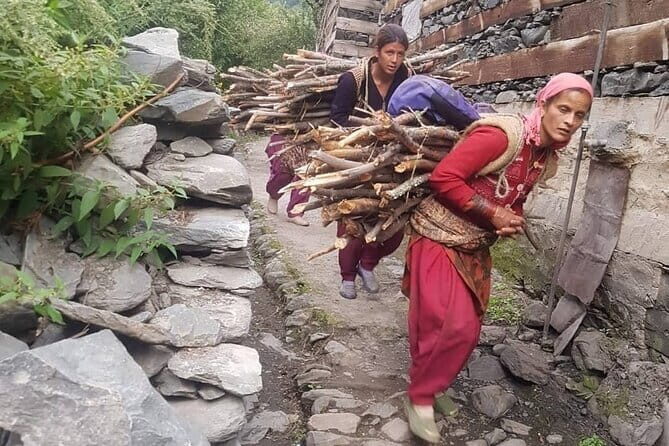
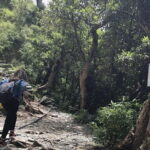
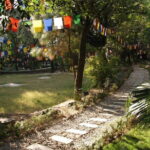
Once you start walking, the trail does the heavy lifting. You’ll move through dense forests of deodar and pine, and the atmosphere is noticeably calmer than the streets in the tourist core.
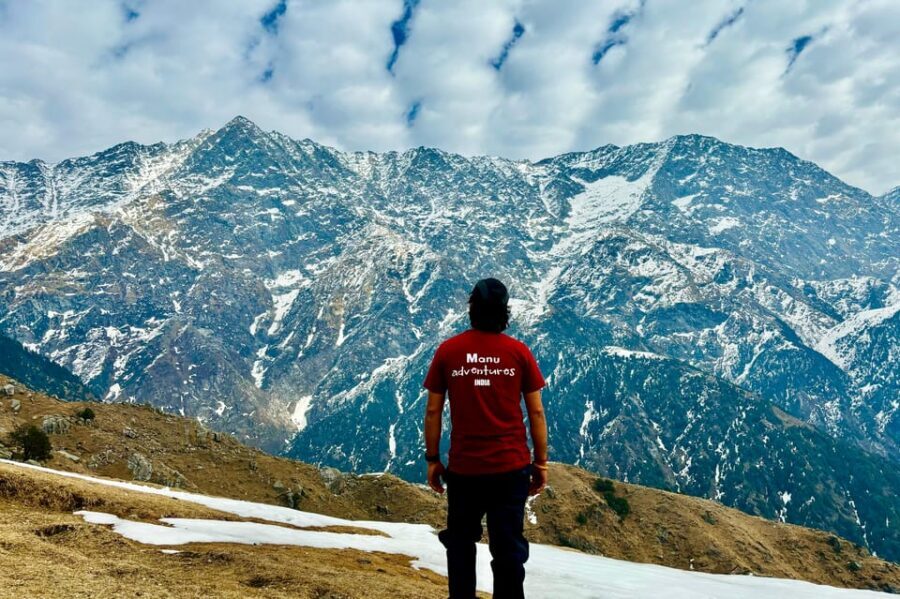
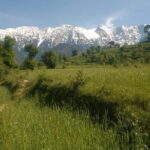
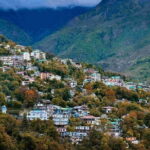
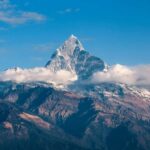
One of the best parts is how the views keep showing up. The Dhauladhar range—part of the Himalayas—hangs in the background, and you’ll get “grab-your-camera” moments as you go. In one guide-led session, the group also had the chance to notice a mountain snowline nearby, depending on the day’s conditions.
You’ll also get bird-life along the way, and the guide builds in pauses—so you’re not just marching forward. This is the kind of walk where the stop-and-look moments are part of the experience, not interruptions.
Practical tip: bring layers. The hike includes mention of crispy cool mountain breeze, and you’ll feel that shift as you walk in and out of shade.
Stops for refuel and stories: where the time actually goes
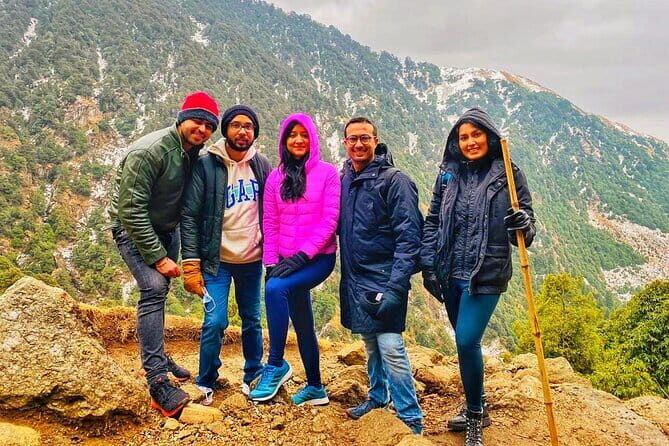
A big part of the value here is the guide-led pacing. You’ll have stops for refueling, plus time for stories and conversation.
The guide doesn’t treat this like a quick “see-and-go” photo line. Instead, you’ll learn what you’re seeing. Several guides on this walk share local context—everything from the village history to why certain life patterns exist here.
From the conversations I’ve heard echoed in these walks: expect stories about how the region has transformed over roughly the last 50 years. That includes the role of nomadic tribes, how cattle fit into local routines, and even how wildlife shows up around daily life. It’s the kind of background that makes the landscape feel like a lived-in home, not a postcard.
And yes, the guide keeps you moving safely and helps you get your bearings fast, so you’re free to enjoy the views instead of worrying about navigation.
Crossing a river stream: small engineering, big payoff

At some point during the hike, you’ll reach a mountain river stream and cross as part of the route. In reviews, the walking route is described as going alongside the stream, with scenery that can include small waterfalls as you head toward a hamlet or settlement area.
This is a perfect mid-walk moment: it breaks up the forest rhythm with something visual and audible (running water always adds a nice soundtrack), and it also helps you understand that these villages exist because of real geography—water, trails, and the surrounding slopes.
If you’re traveling with older family members, this section is where the “comfortable as walking” description helps—there’s no sense that you need climbing gear. Still, wear footwear with decent grip, because hillside paths and wet spots can happen in the hills.
Meeting locals the right way: village home visit and real conversation
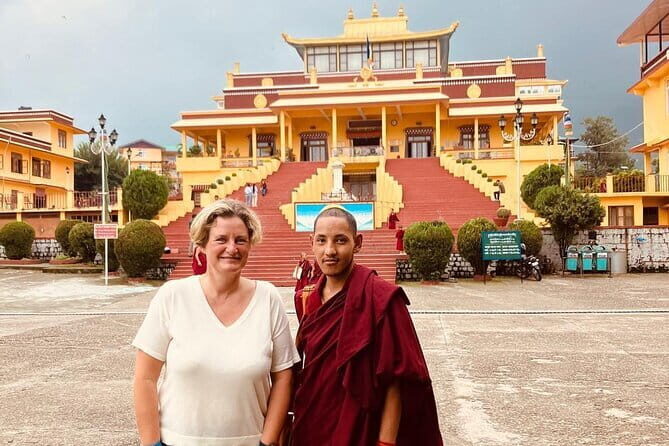
The highlight isn’t only the outdoors. It’s the shift into village home interaction.
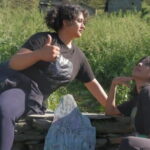
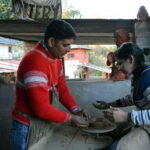
You’ll visit a mountain village home and spend quality time with a family. The goal isn’t a staged performance—it’s face-to-face interaction, with the guide helping you understand daily routine, lifestyle, and culture. This is where the walk becomes more meaningful than just pretty scenery.
If you’re the kind of traveler who likes to ask simple questions—what mornings look like, how life changes by season, what people consider normal—this part of the experience is where that curiosity pays off.
A few guide details stand out from the names shared in these walks:
- Vikas Kumar shared context tied to the Gaddi community, which adds a deeper cultural frame for how people live and move in the region.
- Ranjit is described as a local guide who’s both fit and amazingly knowledgeable, and one visit included time at his Balh village home.
- Ashok is noted for stories during the trek across village areas like Kareri and Dal villages, with views that stay with you the whole way.
Also, in one case, tea was shared with locals. Even when tea isn’t part of the day’s plan for you, the option for a tea break and refreshment exists during the walk upon request.
Other walking tours we've reviewed in Dharamsala

The views don’t take a break: Dhauladhar stays in your photos
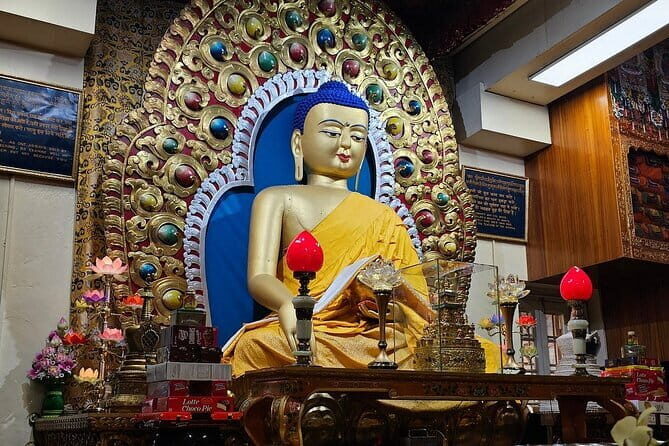
This is a hike where the background matters. The Dhauladhar range shows up repeatedly—so you’re not waiting until the end for the best sight.
Because you’re walking outside town, your photo angles tend to feel cleaner. You’re framed by forest on one side, mountains on the other, and the light can change fast as clouds drift. If you’re lucky, the snow-clad setting and nearby snowline elements create a strong “Himalaya feeling” even on a daytime stroll.
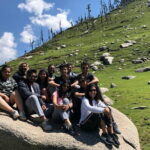
Also: the route includes multiple chances to stop for photos with both nature and locals. That’s a big deal. It means you won’t feel rushed into group pictures; you can actually linger.
Price and value: $31 for a guided culture-and-nature package
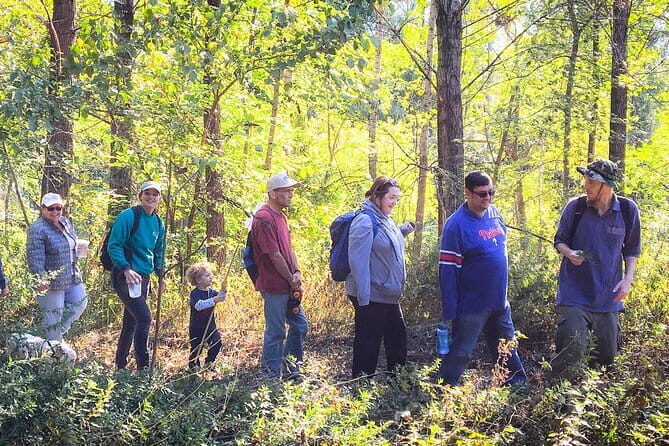
At $31 per person for about 4 hours, this is a pretty straightforward value proposition—especially because it’s not just a hike.
You get:
- a local guide
- a guided village walk plus hike
- a water bottle
- optional tea/refreshment if you ask
- the experience ends back at the meeting point, with the guide arranging return
The small-group size (up to 10) helps the value too. It’s easier to ask questions when you’re not fighting through a crowd.
And if you’re deciding between this and another “tour of town,” ask yourself what you want most:
- If you want views + quiet + real conversations, this is a strong fit.
- If you want only fast sightseeing in one compact area, you might find this slower than you expected.
Who this walk suits best (and who might want a different option)
This is ideal if you’re traveling with:
- seniors who still enjoy walking at a steady pace (the walk is described as enjoyable for senior citizens and younger people)
- couples who want nature without the stress of a long trek
- families that like calm, guided experiences
- solo travelers who want safety and companionship through a small group
It’s also a great “reset day” if you’ve already spent time in traffic-heavy areas. One description sums it up well: a quiet village walk feels like a relief after the chaos of town.
The main mismatch is if you want a high-adrenaline trek or a fully indoor, air-conditioned experience. This is outside, weather-dependent, and built for slow discovery.
Tips so you get the most out of it
A few practical ideas based on how the walk works:
- Plan for good weather. The experience explicitly requires it, and the weather logic matters for whether you go or reschedule.
- Bring a camera (or extra storage). The views of Dhauladhar plus forest scenes plus village-life moments make photography a natural part of the day.
- Use the guide’s story time. If you want the cultural context—nomadic tribes, cattle life, wildlife references—ask questions when the guide stops rather than waiting for the end.
- Take the optional tea break if you’re offered it. One visit included tea time with locals, and even a simple refresh helps you keep the pace comfortable.
Should you book the Naddi village walk?
I’d book it if your ideal day in Dharamsala is a mix of peaceful walking + Himalayan views + real local conversation. The best version of this tour is when you show up ready to slow down—because the route is built around stops, stories, and village interaction, not speed.
Skip it if you’re very sensitive to weather changes or you need a firm plan that can’t shift. Since it’s non-refundable and weather-dependent, it’s best for travelers who can be flexible with dates.
If that sounds like you, this is one of those experiences that leaves you with more than photos. You’ll remember how the mountains looked, sure—but also how people live out there, and how a good guide can turn a simple walk into a genuine cultural exchange.
FAQ
Where does the tour start and end?
The tour starts at Naddi Main Square in Dharamsala and ends back at the same meeting point.
How long is the village walk?
It runs for about 4 hours.
What is included in the price?
The tour includes a local guide, the village walk and hike, and a water bottle. There’s also an optional tea break/refreshment if you request it.
Is there an entrance fee?
Entrance fees are listed as free.
How big are the groups?
This activity has a maximum of 10 travelers.
Is the activity suitable for different ages?
Most travelers can participate, and it’s described as comfortable enough for both senior citizens and younger people.
Do I need good weather?
Yes. The experience requires good weather. If it’s canceled due to poor weather, you’ll be offered a different date or a full refund.
What’s the cancellation rule?
This experience is non-refundable and can’t be changed for any reason. If you cancel or ask for an amendment, the amount paid won’t be refunded.