This day is built for calm curiosity. A private guided circuit in Dharamshala means you’re not hustling with strangers, and you get a real English-speaking guide to explain what you’re seeing—especially around Tibetan Buddhism landmarks like the Tsuglagkhang Complex and the Dalai Lama’s temple areas. Add in comfortable AC private transport, bottled water, and time for questions, and the whole outing feels more like a guided conversation than a checklist.
I really like how the itinerary groups key spiritual stops close together in the morning, so the story of Tibetan practice makes sense as you move. I also like that you get flexibility with an optional lunch, rather than forcing a meal you didn’t ask for.
One consideration: entrance fees can be small but change by site and rules, so you should expect to pay a minor monument fee directly on the day for any sights that aren’t fully covered.
In This Review
- Key things to love about this Dharamshala private tour
- A private Dharamshala day that makes Tibetan Buddhism easier to understand
- Price and value: what you’re paying for beyond the sites
- How the timing works: a smooth flow with real stops (not just photo breaks)
- Stop-by-stop: what you’ll actually get at Tsuglagkhang Complex and the Dalai Lama temple area
- Namgyal Monastery: a home of the Dalai Lama with a learning mindset
- Back to Tsuglagkhang Complex: official home vibes and a chance to absorb more
- Norbulingka Institute and optional lunch: culture, education, and a slower pace
- Dal Lake: views, a Shiva temple link, and time for boating
- Who this private guided Dharamshala tour suits best
- About the team: why the guide and driver matter in Dharamshala
- Quick FAQ
- FAQ
- How long is the Dharamshala private guided tour?
- What’s included in the $86 per person price?
- Are entrance fees included?
- Is lunch included?
- Where do pickup and drop-off happen?
- What is the cancellation policy?
- Should you book this Dharamshala private tour?
Key things to love about this Dharamshala private tour
- Private AC vehicle throughout: you stay comfortable on mountain roads without sharing rides.
- English-speaking guide: you can ask real questions at each stop.
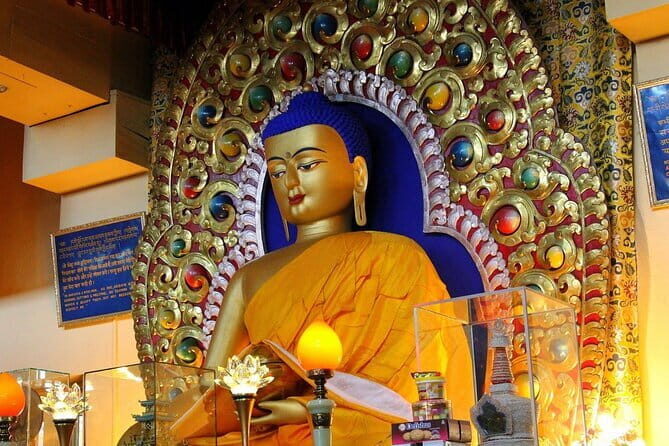
- Tsuglagkhang Complex focus: see the Dalai Lama temple area and related sites.
- Norbulingka Institute + learning vibe: a culture and education stop, not just sightseeing.
- Dal Lake time with boating option: scenery plus a pilgrimage setting.
A private Dharamshala day that makes Tibetan Buddhism easier to understand
Dharamshala can feel like two different places at once: a hill town with daily life, and a spiritual hub where Tibetan Buddhism isn’t just something you read about. This tour leans into that second side, but in a practical way. You’re not left to figure things out alone.
The big win is the format. You’re traveling with a dedicated English-speaking guide in a private AC car, moving site-to-site at a pace that lets you stop, look, and actually absorb what matters. You’ll also have plenty of chances to ask questions while you’re between places—often the best time to clarify what you saw, what you missed, and what to notice next.
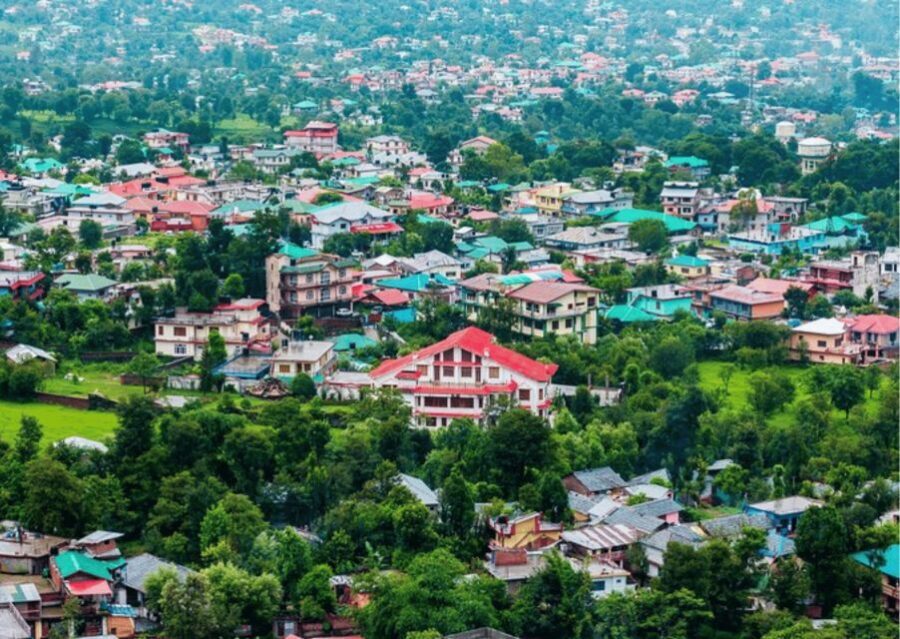
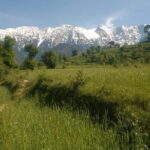
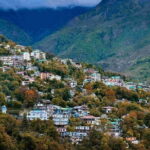
And yes, the views help. Even on a guided day, the setting around McLeod Ganj and the Dal Lake area gives you a sense of scale and quiet altitude that makes temple visits feel grounded.
A few more Dharamsala tours and experiences worth a look
Price and value: what you’re paying for beyond the sites
At $86 per person for a 7 to 8 hour private guided outing, you’re paying for four things that add up fast in the hills:
First, you’re paying for private transport with an AC vehicle. That’s not a small detail in Dharamshala weather and road conditions.
Second, you’re paying for the guide time. Temple complexes in this region are easier to appreciate when someone can explain the basics clearly—what each place is for, what you’re supposed to observe, and why the area matters in Tibetan culture.
Third, you get pickup and drop-off from Dharamshala city hotels only. That alone saves you time and hassle.
Fourth, you’re getting a day that includes a structured meal option (only if you choose it) and a simple, predictable flow.
What’s not fully included is the entrance situation. The tour notes that some admissions are free at certain stops, but there’s also a monument entrance fee paid directly (listed as about $1 per person), and entrance fees can change. So the true all-in cost is usually close to the base price, with a small on-the-day add-on depending on which sites require payment that day.
How the timing works: a smooth flow with real stops (not just photo breaks)
This is a full-day experience. You’ll typically start with morning pickup from Dharamshala city hotels and then move through a series of temple and cultural sites. Each stop is built for a comfortable visit length, roughly 30 minutes at most of the religious and learning stops, then about 1 hour at Dal Lake.
Why does that matter? Because in places like Tsuglagkhang and Norbulingka, you don’t just want a quick walk-by. You want time to read context signs, notice how people are behaving (quietly, respectfully), and sit with the atmosphere for a moment. The schedule gives you enough time to do that without turning the day into a marathon.
Also, the private vehicle means you’re not waiting on connections or trying to coordinate with other groups while wearing the same layers you’ll need for mountain weather.
Stop-by-stop: what you’ll actually get at Tsuglagkhang Complex and the Dalai Lama temple area
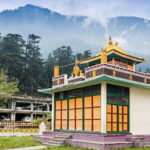
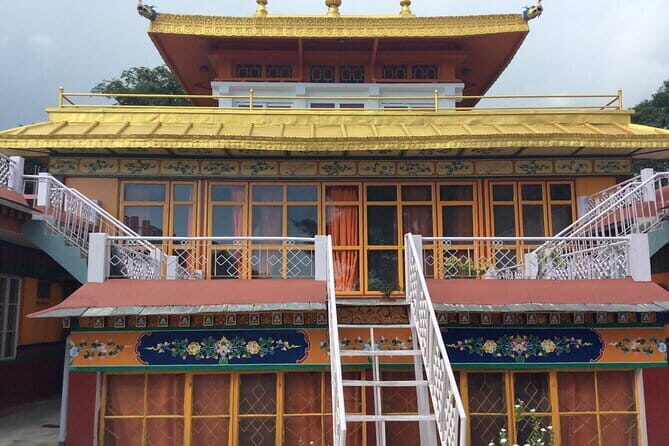
The centerpiece of the morning is the Tsuglagkhang Complex area, tied closely to the Dalai Lama temple environment in Dharamshala. On this route, the visit is described as including key parts such as the Dalai Lama Palace area, Namgyal Monastery, and the Tsuglagkhang Complex itself.
You’ll find that the complex isn’t just one building. It’s a cluster of sacred spaces and related areas, and the guide’s job is to help you understand how to move through them with respect. If you’re new to Tibetan Buddhist sites, having an English-speaking guide here is especially helpful, because the details are easy to miss when you’re reading alone.
Practical tip: dress conservatively and be ready for quiet rules inside temple spaces. Even when you’re only there for about half an hour, you’ll want a calm mindset. Think less like a sightseeing mission and more like a respectful visit.
Admission at these parts is listed as free for the relevant time slots in the itinerary, which is great for budgeting.
Namgyal Monastery: a home of the Dalai Lama with a learning mindset
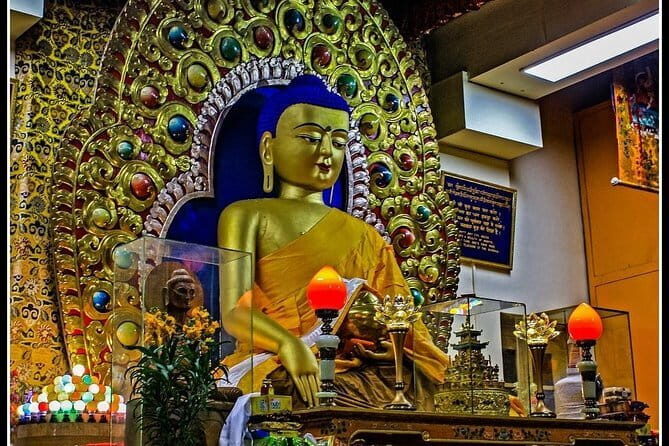
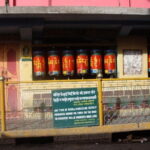
From Tsuglagkhang areas, you move to Namgyal Monastery. This monastery is described as an important Tibetan temple and noted as the home of the Dalai Lama.
What I like about placing this stop here is the shift from iconic temple spaces to a more specific monastic setting. If Tsuglagkhang gives you the public spiritual atmosphere, Namgyal Monastery helps you understand the institutional side—the idea of learning, practice, and devotion as a continuing routine, not just a one-time visit experience.
The visit time is about 30 minutes, which is just enough to see what the monastery represents without turning it into a rushed walk. Admission for Namgyal Monastery is listed as not included, meaning you may pay the small on-the-day entrance amount depending on the exact site rules at the time you arrive.
A small courtesy: keep your voice low and give yourself time to look before you start snapping photos. Monasteries reward patience.
Other guided tours in Dharamsala
Back to Tsuglagkhang Complex: official home vibes and a chance to absorb more
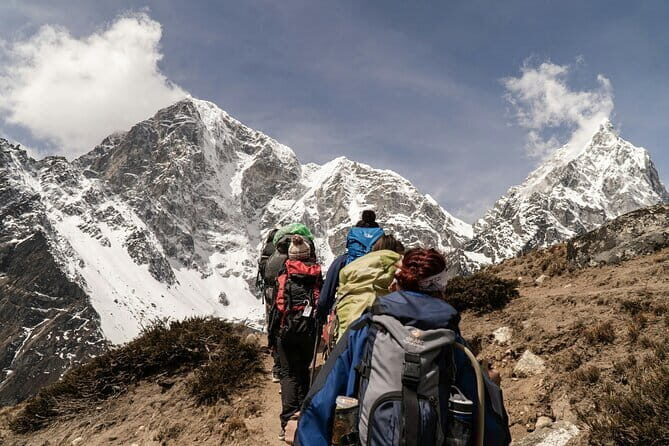
The schedule then brings you back into the broader Tsuglagkhang Complex / Dalai Lama temple area zone again (with a listed free admission slot). Why do this twice? Likely because this area is more than one landmark, and it gives your guide room to show you additional aspects without pushing you through too fast.
When you visit a complex like this, the first sweep gives you orientation; the second lets you notice what you missed the first time. A guide can point out the difference between the areas, what each one is used for, and how visitors typically should behave.
If you’re the type who likes to fully understand what you’re seeing, this second pass helps. If you’d rather minimize time in one spot, the private format still gives you a comfortable pacing, rather than cramming everything into a mass group schedule.
Norbulingka Institute and optional lunch: culture, education, and a slower pace
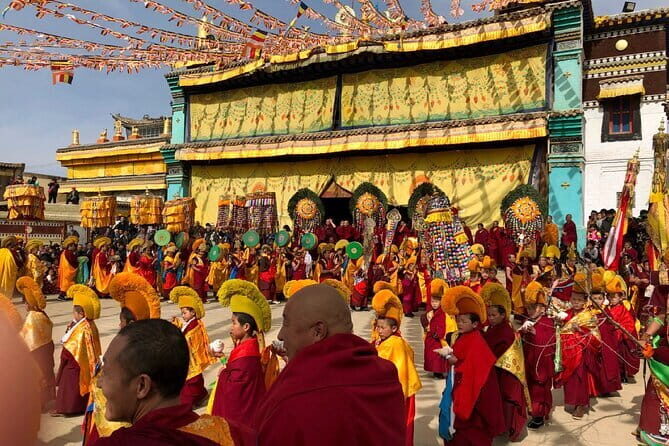
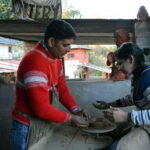
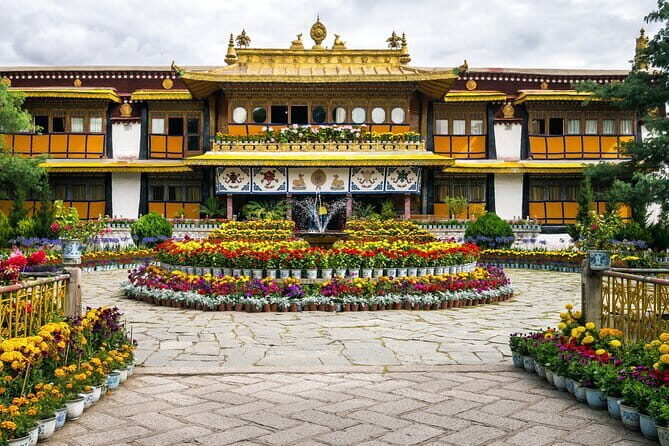
After the temple circuit, the day shifts to Norbulingka Institute, dedicated to passing on Tibetan culture and historical importance to future generations.
This is a smart move because it connects the spiritual sites with the cultural mission behind them. Temples show you faith in practice; Norbulingka adds the reason faith survives—through education, preservation, and community learning.
The visit is listed at about 30 minutes. Admission is not included for this stop, so plan for the small on-the-day fees as applicable.
Then comes the optional lunch. The tour indicates lunch is arranged after the Norbulingka visit, at a good restaurant, with the timing shown as starting around 1:00 pm. If you choose the lunch option, it’s one less decision for you during the day—helpful when you’re not familiar with local restaurant choices and timing.
My practical advice: treat lunch as a reset. Use it to cool down, hydrate, and then head back out with a clear head for Dal Lake’s scenic and pilgrimage atmosphere.
Dal Lake: views, a Shiva temple link, and time for boating
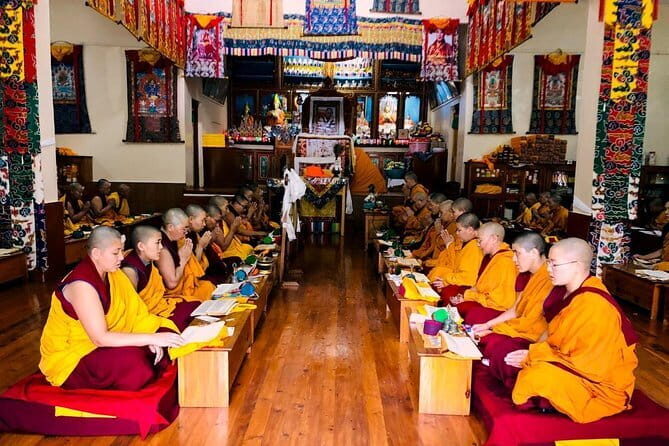
The final big stop is Dal Lake, described as famous for scenic beauty and also a pilgrimage center. The area around the lake is presented as natural paradise, and the visit includes time to enjoy the setting.
You’ll have about 1 hour here. The lake is associated with a Lord Shiva temple, and there’s also mention that you can enjoy boating on Dal Lake.
This is the part of the day that changes the tempo. After temple and institute stops, you get a chance to breathe, look across the water, and watch the rhythm of the place. Even if you don’t feel like doing a boat ride, the time is still worth it because it’s the visual payoff for the morning’s spiritual travel.
If you do choose boating, wear comfortable footwear and keep your phone secured. Mountain air and changing light can make photos look better, but you don’t want to drop gear near water.
Who this private guided Dharamshala tour suits best
This tour fits best if you want a structured day that focuses on Tibetan Buddhism sites without doing the planning work yourself.
It’s a good match for:
- First-timers to Dharamshala and McLeod Ganj who want the key places with clear guidance
- Travelers who prefer a private car and a calm pace over group tours
- People who enjoy learning while sightseeing—temple settings and cultural education both matter here
- Anyone traveling with limited time who still wants a well-balanced mix of sacred sites and scenery
It may not suit you if:
- You want an extremely slow, unstructured day with long stays at each site
- You’re looking for large adventure activities beyond sightseeing and optional boating
- You need fully predictable entrance inclusions, since some site fees are direct and can change
About the team: why the guide and driver matter in Dharamshala
In Dharamshala, a guide isn’t just a translator. They help you move respectfully through sacred spaces, explain what you’re seeing, and keep the timing sensible on mountain roads.
One highlight from past outings is the smooth teamwork between driver Rajesh and guide Ashish. The combination matters because it keeps the day comfortable and lets the guide spend time on meaning, not on logistics. It’s also why the experience can feel organized without feeling robotic.
Quick FAQ
FAQ
How long is the Dharamshala private guided tour?
The tour lasts about 7 to 8 hours.
What’s included in the $86 per person price?
You get a private AC vehicle, pickup and drop-off from Dharamshala city hotels, an experienced English-speaking guide, tolls and parking, and 1 liter of bottled water per person. Lunch is included only if you choose the lunch option.
Are entrance fees included?
Some admissions are listed as free for certain stops, but monument entrance fees can be paid directly on the day (around $1 per person, and subject to change).
Is lunch included?
Lunch is optional. If you select the lunch option, you’ll have lunch after the Norbulingka Institute visit, starting around 1:00 pm.
Where do pickup and drop-off happen?
Pickup and drop-off are for Dharamshala city hotels. If you’re staying outside city hotels (or at the airport/railway station), an additional charge may apply, payable directly.
What is the cancellation policy?
You can cancel for a full refund up to 24 hours before the experience’s start time.
Should you book this Dharamshala private tour?
If you want a day that feels respectful, organized, and easy to understand, I’d book it. You get the key Tibetan Buddhism landmarks, a real English-speaking guide to connect the dots, comfortable private transport, and a scenic ending at Dal Lake.
I’d especially recommend it if you’re short on time in the area and you don’t want to figure out transport, temple etiquette, and stop order on your own. Just budget a small on-the-day entrance fee if required, and choose the lunch option if you’d rather not spend time searching midday.