Two days, big Himalayan payoff. Triund Trek near McLeod Ganj delivers wide-open views, a real mountain walk, and a calm evening camp under the stars. You start with the Bhagsunag waterfall, climb toward Triund at about 2,875m, then watch the Dhauladhar range light up early on day two.
I especially love the panoramic viewpoint at Triund and the way the schedule builds in sunrise, not just a random late-morning stop. Another win for me is the hands-on support: a professional trek leader, guide, and support staff, plus dome tents with meals and warm bedding for the overnight.
The one thing to take seriously is the steep trail in spots. This is doable for many people, but it’s not a laid-back stroll, so bring hiking sticks if you have them.
In This Review
- Key highlights you’ll care about
- Triund Trek: a short route to real mountain views near McLeod Ganj
- Day 1 from Manu Adventures India: how to start smoothly at 10am
- Bhagsu Nag to Triund: waterfall momentum, cafe breaks, and Katrani Dhar
- Upper Bhagsu and the Bhagsunag waterfall stop
- Shiva Café and snack timing
- The “story and pacing” part of the walk
- Katrani Dhar toward Triund
- Triund viewpoint time
- Trek back to Leta Village Camps and dinner by bonfire
- Leta Village Camps: dome-tent sleep and stargazing without the stress
- Day 2 sunrise and the walk back to McLeod Ganj by early noon
- Leta Village Camps to Bhagsu Nag: steady descent, less drama
- Bhagsunag waterfall, Tibetan market, and an ancient temple
- The real challenge level: steep steps, trekking poles, and warm layers
- Value for money: what $18 covers (and what you’ll still pay)
- Who this trek suits best (and who should think twice)
- Should you book this Triund weekend trek?
- FAQ
- How long is the Triund trek with Manu Adventures India?
- Where do I meet the group?
- Is there a guide and is the tour in English?
- What accommodation is included?
- What meals are included?
- Are porters or ponies included to carry baggage?
- Is transportation included from Dharamsala or other areas?
- Do I need to pay a forest entry fee?
- What should I bring for the trek?
- Can I cancel for a refund?
Key highlights you’ll care about
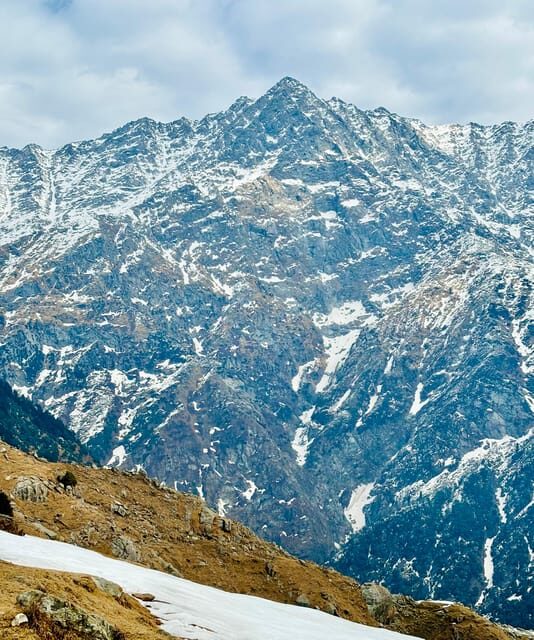
- Triund’s viewpoint over the Kangra Valley and the snowcapped Dhauladhar range
- Bhagsunag waterfall as a major landmark on the route
- Starlit dome-tent camping at Leta Village Camps, with dinner near a bonfire
- Sunrise timing on day two for golden mountain views
- Frequent cafe breaks (snacks and water can be found about every 20 minutes on the way)
- Guided, English-led hike with a trekking leader and support staff
Triund Trek: a short route to real mountain views near McLeod Ganj
If you want a Himalayan trek that fits a weekend, Triund is the classic answer. This route sits just outside McLeod Ganj in Himachal Pradesh, and it’s known for being one of the shortest and easiest treks that still feels like you did something meaningful.
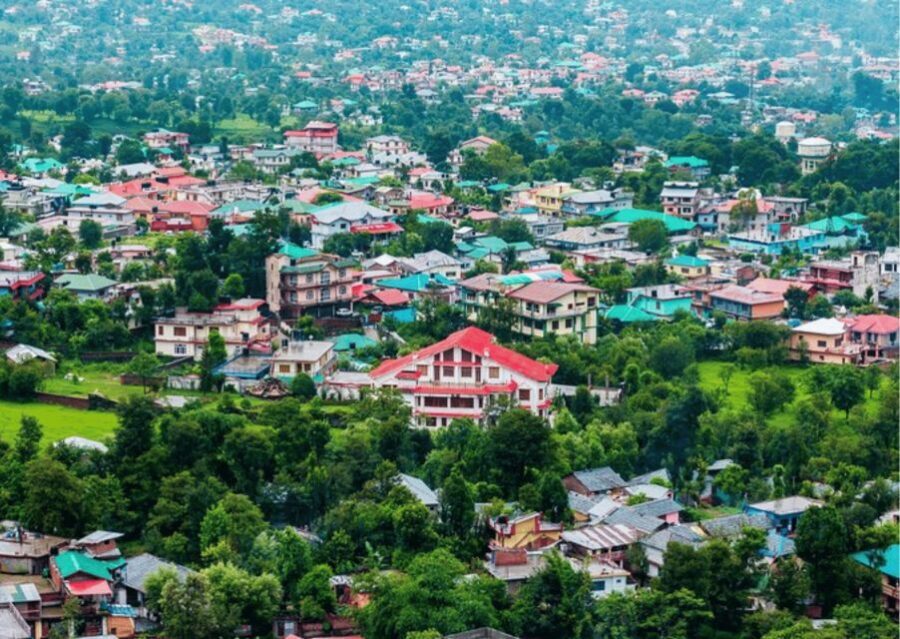
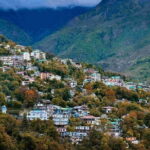
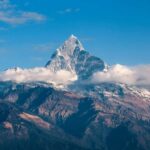
What makes it rewarding is the mix of scenery. You’ll walk past the Bhagsunag waterfall area, then gain elevation toward Triund where the views open up toward the Kangra Valley on one side and the Dhauladhar mountain range on the other. Even if the hike is only two days, the payoff is dramatic because you’re going up to a high lookout, not just along a flat path.
One more plus: this trek works well on weekdays and weekends, but the weekdays can feel calmer. That matters on routes like this, where crowds can turn “quiet nature time” into “everyone’s taking the same photo at the same time.”
A few more Dharamsala tours and experiences worth a look
Day 1 from Manu Adventures India: how to start smoothly at 10am
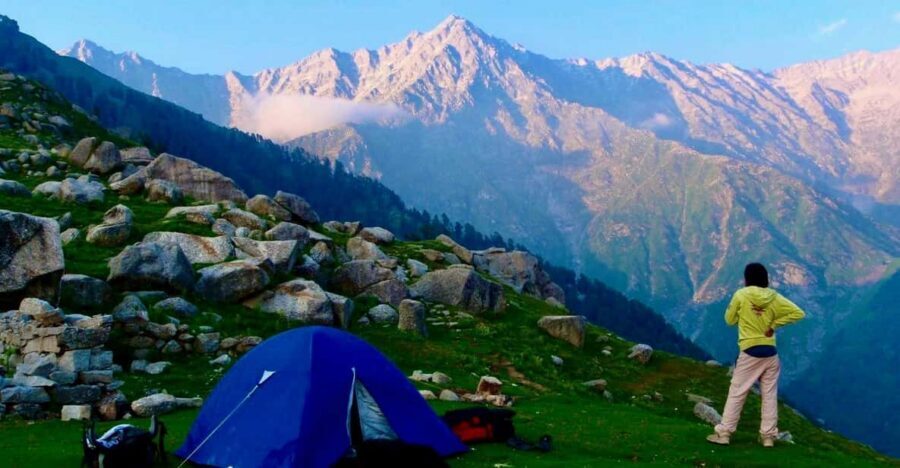
The trek begins at the Manu Adventures India office, meeting at 10:00 am. Starting on time helps you get the most daylight for day one and sets you up for an early sunrise on day two.
Before you go, I’d plan around three practical points:
- Wear comfortable shoes made for uneven trails.
- Bring warm clothing even if the morning feels mild at the start. You’re getting higher into mountain air.
- Have a plan for your energy: while there are snack stops on the way, you’ll still want your own water and a few extras in your pack.
The tour includes a professional trek leader (mountaineering qualified), a guide, and support staff. That support isn’t just paperwork—it’s what keeps the pace steady, helps you navigate the route, and makes the steep parts less stressful.
Bhagsu Nag to Triund: waterfall momentum, cafe breaks, and Katrani Dhar
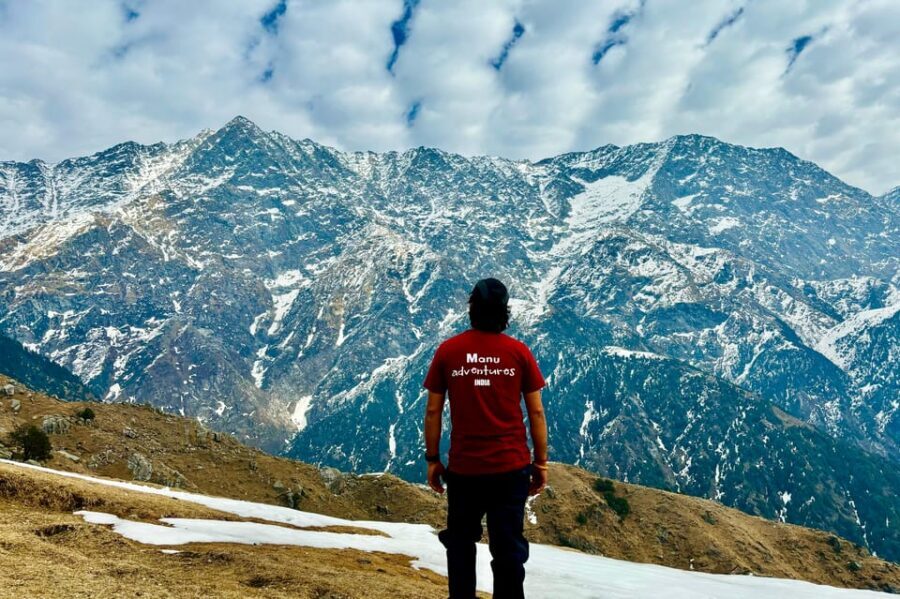
Day one is the core climb. Your route starts at Bhagsu Nag and ends at Triund (around 2,875m), then you’ll continue on to Leta Village Camps for the night.
Here’s what to expect as the trail unfolds:
Upper Bhagsu and the Bhagsunag waterfall stop
You’ll trek from upper Bhagsu, crossing through the village area, then moving toward the biggest Bhagsunag waterfall in the McLeod Ganj area. This is one of those moments that breaks the climb into something more than just “walk, climb, repeat.” It also gives you a natural reset: photos, quick breath, and a chance to judge how your legs are doing.
Shiva Café and snack timing
You’ll stop at Shiva Café for snacks before continuing. The ride is short, but the stop matters because you’ll still have a long day ahead. If you’re the type who underestimates how fast you’ll get hungry on a climb, this is where that catches you—so using the snack stop well is smart.
Also, the trail includes food opportunities roughly every 20 minutes, where you can buy snacks and water. That reduces pressure to carry everything, but it’s not a reason to go underprepared. It just gives you flexibility if you run low.
A few more Dharamsala tours and experiences worth a look
The “story and pacing” part of the walk
On this route, the guide plays an active role. You’re not left alone with your thoughts and a steep slope. The guide keeps the walk engaging with stories about the place, which helps when you’re trying to keep a steady rhythm instead of rushing.
Katrani Dhar toward Triund
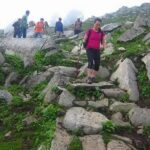
After Shiva Café, you continue trekking via Katrani Dhar, and the scenery starts to feel bigger. This is the stretch where you’ll likely notice your legs working a bit harder, especially at points that feel steep. One tip that comes up often: take your time here, and consider using a walking stick/hiking pole if you have one. It’s not about speed—it’s about stability on uneven ground.
Triund viewpoint time
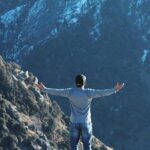
Once you reach Triund, you get time to sit, look, and take photos. You’re watching the Kangra Valley on one side and the snowcapped Dhauladhar on the other. This is the moment the two-day planning starts to feel worth it.
If you’re thinking like a photographer: sunrise is on day two, but day one lighting can still be excellent for wide shots. Take some photos early, then enjoy the rest as a slow lookout.
Trek back to Leta Village Camps and dinner by bonfire
After Triund, you trek back down to Leta Village Camps for the night. Dinner is served near a bonfire, with soothing music as part of the evening setup. It’s a nice contrast to the daytime effort: you can warm up, eat well, and still keep the evening feeling outdoors.
You’ll sleep in dome tents on twin-sharing basis. Washrooms are available, which helps a lot when you’re camping instead of staying in a hotel.
Leta Village Camps: dome-tent sleep and stargazing without the stress
Camping can be a dealbreaker on mountain trips—too cold, too uncomfortable, too much hassle. On this trek, the camp setup is built to reduce that stress.
You’ll be in dome tents with twin-sharing accommodation, and the included gear covers your basic needs for the night. People doing this trek also highlight that there are enough sleeping bags and blankets to keep warm, which is key because temperatures at night in the mountains can drop fast.
What makes the camp section worth it isn’t just the bed—it’s the atmosphere. You get time to enjoy the starry night sky and the warmth of the bonfire after hiking all day. That kind of evening is where a “short trek” starts to feel like a real trip, not a quick workout.
And since meals are included, you’re not stuck thinking about what to eat once you arrive tired. Dinner and breakfast are veg, and the schedule means you can focus on rest.
Day 2 sunrise and the walk back to McLeod Ganj by early noon
Day two starts early, because the sunrise is the headline. You’ll wake up early to view the sunrise with golden light hitting the mountain ranges. Then you’ll have a hot breakfast and time for photos before heading back down.
That early start matters. If you show up late, you miss the color and contrast that make Dhauladhar look so dramatic. Sunrise here is not just a nice bonus; it’s built into the trip structure.
Leta Village Camps to Bhagsu Nag: steady descent, less drama
After breakfast and photos, you trek back toward McLeod Ganj. The route is designed to get you out of the mountains by early noon. On a descent, your knees might feel the most effort, so taking your time and using trekking poles can make a big difference.
One thing I like about a two-day trek with a clearly planned return is that you don’t end up guessing how late you’ll be. You get a real finish, not a vague “we’ll see.”
Bhagsunag waterfall, Tibetan market, and an ancient temple
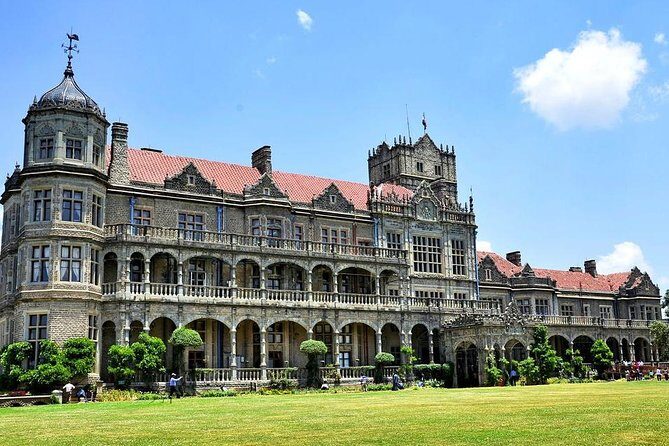
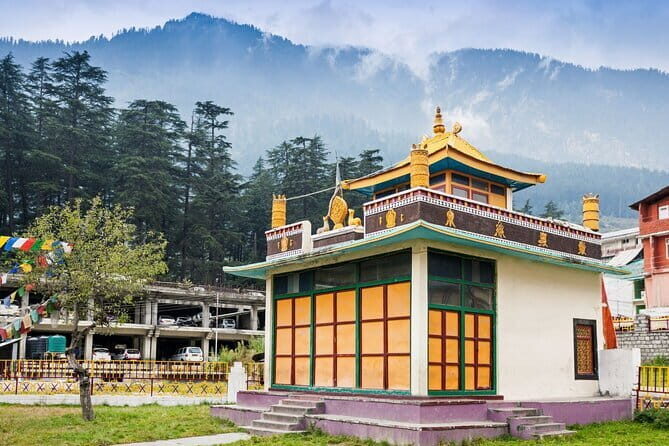
When you reach the waterfall area, the guide leaves you there. From there, you can spend time at the waterfall and explore the Tibetan market and an ancient temple in the area.
That’s a smart addition for two reasons:
- It gives you a cultural and sightseeing window without adding extra hiking hours.
- It helps your day two feel like an actual travel day, not just “go back the same way.”
Once that’s done, you’re free to rest or explore McLeod Ganj for the rest of the afternoon.
The real challenge level: steep steps, trekking poles, and warm layers
Even though this trek is often described as easy-to-moderate, it’s not flat. Expect some steep sections, especially where the trail climbs through uneven terrain.
I’d treat it like a “short but serious” hike. In practical terms:
- Bring comfortable hiking shoes, not thin sneakers.
- Wear warm layers. Even if it feels fine while walking, evenings and early morning are colder.
- Use a hiking stick/walking stick if you have one. People doing this trek specifically recommend it because it helps on varied ground and reduces the risk of slipping.
If you’re truly a beginner with limited hiking experience, you might still manage it, but your best move is to go slower than you think you need. The tour structure supports breaks and pacing, but your legs still need time.
Bad weather can also change things. The trip notes mention possible delays due to bad weather, landslides, or road blocks. That’s normal in mountain regions, so keep your expectations flexible.
Value for money: what $18 covers (and what you’ll still pay)
At about $18 per person for two days, this is priced like a budget adventure—yet it includes several items that usually cost extra on similar trips.
Here’s what’s included:
- Dome tent accommodation in twin sharing
- Meals while on trek: dinner and breakfast (veg.)
- All necessary permits
- First aid medical kits and stretcher
- Professional trek leader, guide, and support staff
- Washroom available
What’s not included:
- Porters/ponies to carry baggage
- Any hotel in Dharamsala
- Transportation
- Train ticket and any other meals not mentioned
- Expenses due to bad weather, landslide, or road block
- Forest entry fee
For value, the big question is: do you want to carry your own bag and handle meals yourself outside of what’s included? If yes, the price makes sense fast. If you were hoping to offload luggage to a porter or include transport from outside the area, you’ll want to budget separately.
Bottom line: this is a good deal for people who are flexible, prepared with the right gear, and okay with a self-driven weekend plan around the trek.
Who this trek suits best (and who should think twice)
This Triund trek is a great fit for:
- People who want a weekend Himalayan experience without a long multi-day itinerary
- First-time trekkers who can handle a climb with some steep parts
- Travelers who enjoy outdoor nights (bonfire dinner, starlit sky) and sunrise views
It might be less suitable for:
- Anyone who expects a fully flat walk or zero steep terrain
- People who don’t handle cold well and don’t pack warm layers
- Travelers who need hotel-style comfort every step of the way
Should you book this Triund weekend trek?
If you want mountain views, a short itinerary, and a guided experience that takes care of tents and the key meals, I think this is an easy yes. The route hits the best parts of the area fast: Bhagsunag waterfall, the climb to Triund, and that early-day sunrise moment that makes the hike feel special.
Just be honest with yourself about the effort. Bring hiking sticks, wear proper shoes, and expect a couple steep sections. If you do that, you’ll likely come away feeling like you got a real slice of the Himalaya in just two days.
FAQ
How long is the Triund trek with Manu Adventures India?
The trek runs for 2 days.
Where do I meet the group?
You meet at the Manu Adventures India office at 10:00 am.
Is there a guide and is the tour in English?
Yes. You get a live English tour guide, plus a professional trek leader, guide, and support staff.
What accommodation is included?
Accommodation is in dome tents with twin sharing.
What meals are included?
You get veg dinner and veg breakfast while on the trek.
Are porters or ponies included to carry baggage?
No. Porters/ponies are not included, so you carry your own belongings.
Is transportation included from Dharamsala or other areas?
No. Transportation is not included.
Do I need to pay a forest entry fee?
The trek notes say forest entry fee is not included.
What should I bring for the trek?
Bring comfortable shoes, warm clothing, a camera, and snacks and water.
Can I cancel for a refund?
Yes. You can cancel up to 24 hours in advance for a full refund.