Kangra history hits fast and hard. This full day trip from Dharamshala strings together three big stops—Masroor Rock-Cut Temple, Kangra Fort, and Bajreshwari Devi Temple—plus time to see everyday village life along the way. I like how the English-speaking local guide explains what you’re looking at instead of leaving you to guess.
Two things I really value here: lunch and bottled water are included, so you don’t lose time hunting food, and the whole day runs on a simple pickup-to-drop-off schedule. In one standout run led by Onkar, the route also felt especially memorable, with temples and older heritage sights adding extra texture beyond the headline stops.
One drawback to plan around: the experience needs good weather, and the non-optional entrance fees can add up if you’re a foreign tourist. Also, temple time is about an hour per main stop, so you’ll want comfortable shoes and a mindset for steady sightseeing.
In This Review
- Key things to know before you go
- Why this Kangra Fort and Rock Temple day trip works from Dharamshala
- Getting ready: weather, comfort, and the 7-hour pace
- Masroor Rock-Cut Temple: Rama, Laxmana, and Sita in stone
- The ride through Kangra Valley and village life
- Kangra Fort: Katoch dynasty, Trigarta roots, and big views
- Bajreshwari Devi Temple and the Sati-Shiva Tandav legend
- Lunch, bottled water, and why the timing feels sane
- Price check: what $42 buys and what might cost extra
- Who should book this tour
- Should you book this Kangra day trip from Dharamshala?
- FAQ
- How long is the Kangra historical tour from Dharamshala?
- Do you get hotel pickup and drop-off?
- Is lunch and bottled water included?
- Are entrance fees included?
- What is the group size?
- Do I receive tickets on my phone?
- What happens if the weather is poor?
Key things to know before you go
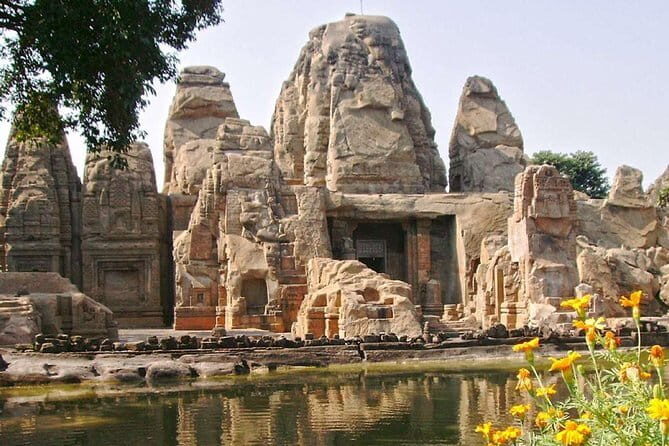
- Masroor’s rock-cut carvings tie to the Rama, Laxmana, and Sita story from the Mahabharata
- Kangra Fort connects the Katoch dynasty to the ancient Trigarta Kingdom
- Bajreshwari Devi Temple is tied to the Sati and Shiva Tandav legend
- Lunch and bottled water are included, which keeps the day moving smoothly
- The group stays small, with a maximum of 8 per booking and up to 15 travelers total
Why this Kangra Fort and Rock Temple day trip works from Dharamshala
If you’re staying in Dharamshala or McLeod Ganj and you want Kangra in one day, this is a very practical choice. The big win is that you’re not figuring out buses, transfers, or timing across mountain roads. You get hotel pickup and drop-off, plus a private car for the route.
Another smart part is the way the day is built around meaning, not just photos. You’re taken to sites with clear religious and historical stories—rock-cut Hindu temple carvings, a major Rajput fort legacy, and a goddess temple tied to a famous myth—so it feels cohesive rather than random driving.
The pacing is also realistic. The day runs about 7 hours, with roughly an hour at Masroor, an hour at Kangra Fort, and an hour at Bajreshwari Devi Temple. You’ll see the essentials without burning an entire day in long transit.
A few more Dharamsala tours and experiences worth a look
Getting ready: weather, comfort, and the 7-hour pace
This tour is weather-dependent. If conditions are poor, it can be canceled, and you’ll be offered a different date or a full refund. So if you’re booking close to your travel window, I’d keep some flexibility.
Wear comfortable walking shoes. Even when you’re not doing long hikes, temple areas and fort zones often mean uneven stone, small steps, and short walks between viewpoints. The day is long enough that blisters can sneak up if you’re in the wrong footwear.
Packing-wise, you’re covered on water—bottled water is provided—and lunch is included. Still, I like to bring sunscreen and a light layer. Mountain sun can be sharp, and temple interiors can swing cooler than the parking/entry areas.
Masroor Rock-Cut Temple: Rama, Laxmana, and Sita in stone
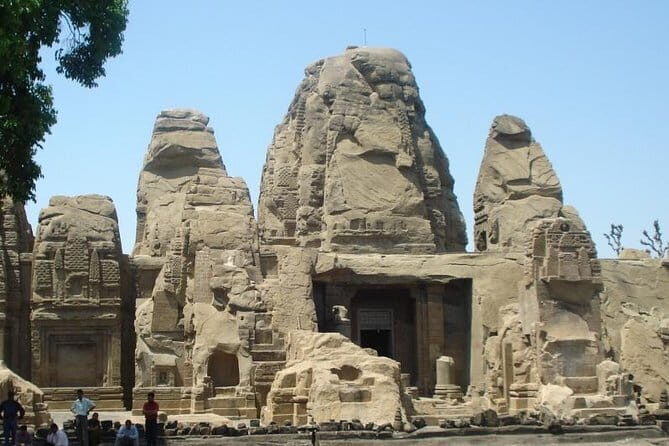
Masroor Rock-Cut Temple is the kind of place you can’t fully understand by passing it quickly. The complex is dedicated to Rama, Laxmana, and Sita—central figures from the Mahabharata-era tradition. What hits you is the way devotion is tied directly to the stone itself: stone images are worshiped by Hindu devotees who come from around the region.
Plan for about an hour at this stop. That’s long enough to look closely at the carvings, read what you can from your guide, and take in the setting. If you like architecture or religious art, this is often the highlight because the work is carved into the rock rather than built up later.
A practical consideration: entry fees can apply depending on your nationality. The tour data notes an extra entrance fee of ₹500 per foreign tourist for the rock-cut temple (and Kangra Fort). If you’re unsure, check this at booking so you’re not surprised on arrival.
The ride through Kangra Valley and village life
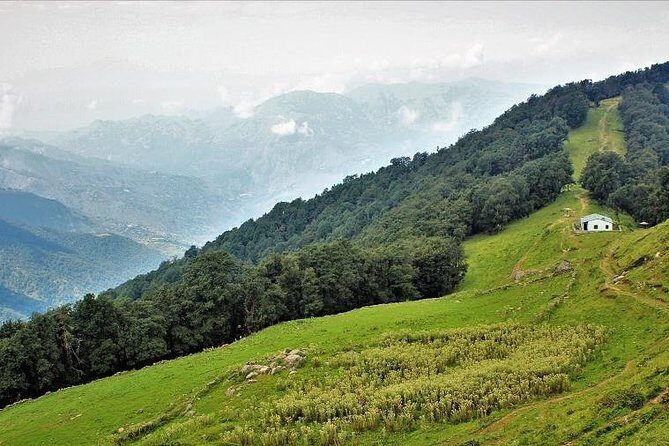
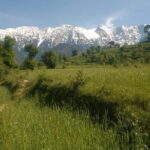
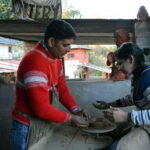
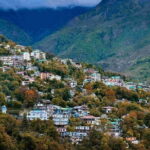
The road section matters more than you might expect. On the way to Masroor, you’ll pass through the Kangra Valley and a local village. This is your chance to see how people actually live beyond the tourist corners of Dharamshala.
Your guide will point out details as you go—how daily activities look from the roadside, and what the geography means for communities. Even if you’re mostly focused on the temples, I like having this kind of “slow window” into the region, because it makes the heritage stops feel grounded rather than floating.
If you tend to feel motion sickness, take a seat where the car feels steadier and keep your eyes on the horizon when you can. Mountain driving is part of the package, even when the tour uses a private car.
Kangra Fort: Katoch dynasty, Trigarta roots, and big views
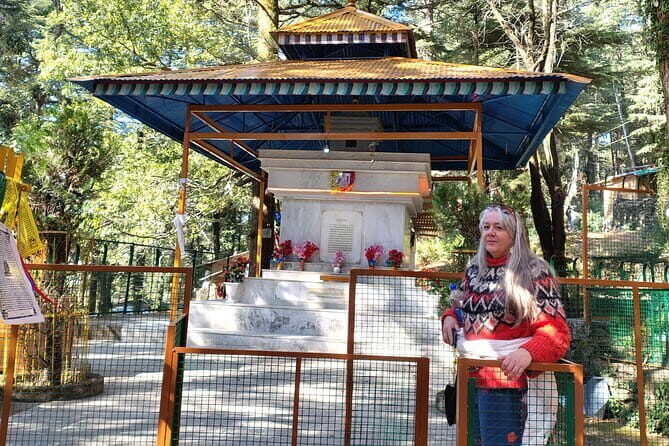
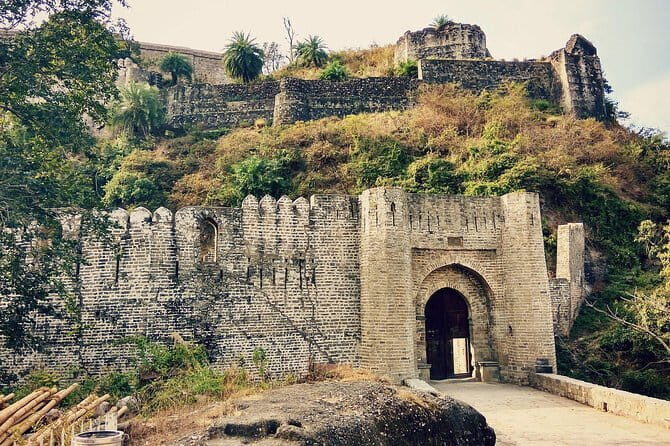
Kangra Fort is the history-lovers’ stop. The fort was built by the royal Rajput family of Kangra State, the Katoch dynasty, and it traces its origins back to the Trigarta Kingdom—an ancient reference found in the Mahabharata epic.
You’ll spend about an hour here. That time typically feels right: enough to get the main story from your guide, walk through the core viewpoints, and take in how the fort sits above the region. One of the strongest aspects is the way heritage plus geography gives you real perspective; the site is memorable even if you’re not a hardcore medieval-history person.
You should also expect a bit of climbing or uneven surfaces around forts and viewpoints. Bring shoes you trust. If you’re traveling with mobility constraints, this is the stop where you may want to move a bit more carefully.
As for costs: entrance fees can apply for foreign tourists. The tour information specifically lists ₹500 per foreign tourist for entry to both the rock-cut temple and Kangra Fort. If that applies to you, factor it into your budget.
A few more Dharamsala tours and experiences worth a look
Bajreshwari Devi Temple and the Sati-Shiva Tandav legend
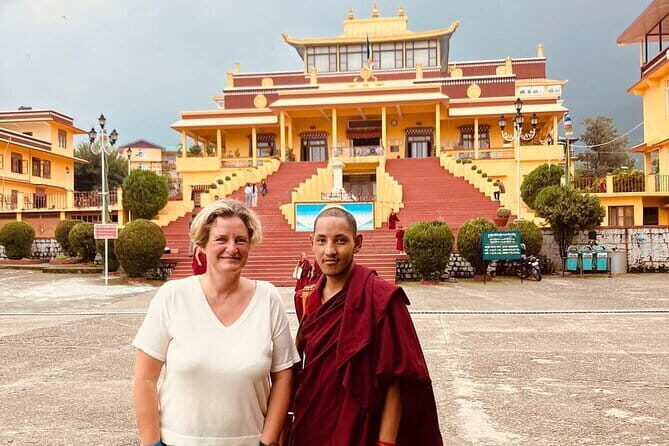
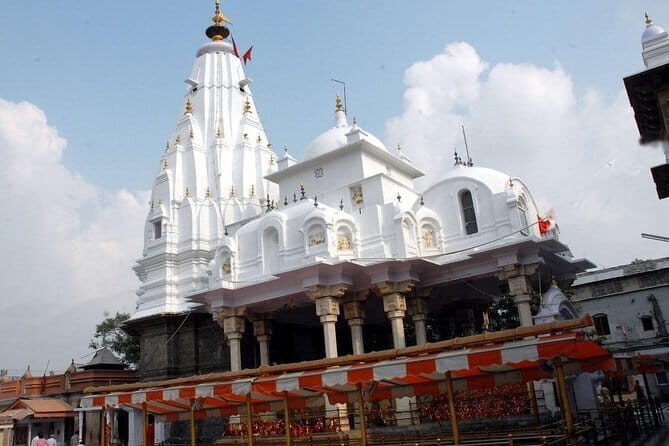
Bajreshwari Devi Temple adds a mythic layer that helps the day feel like more than sightseeing. The legend goes like this: after Goddess Sati sacrificed herself in the honor of Lord Shiva during her father’s yagya, Shiva took her body on his shoulder and began Tandav. The story says this movement threatened to destroy the world, and the divine response to stop it is where Bajreshwari’s role comes in.
Your guide ties the legend to what you see at the site, which makes it easier to understand why this temple matters to devotees today. You’ll have about an hour at the temple, but the atmosphere can feel calmer than the fort area—more time for quiet observation and respect.
One great practical note: entry at this stop is listed as free. So even if other sites have fees, this is a cost-friendly part of the circuit.
Lunch, bottled water, and why the timing feels sane
A lot of day tours forget the basic stuff. This one doesn’t. Lunch and bottled water are provided, which means you’re not stuck asking where to eat while the day slides away.
That matters because mountain touring eats time fast. With pickup and drop-off included, you avoid the small delays that can snowball when you’re moving between sites on your own. The “busy day tour” label is accurate, but it doesn’t feel chaotic. It’s more like a well-packed plan where you always know what’s next.
Group size also affects the feel. With a maximum of 8 people per booking and a higher upper cap for the activity overall, you’re usually not fighting for attention at the stops. It’s the kind of group setup where a guide can still explain things clearly.
Price check: what $42 buys and what might cost extra
At $42 per person, the value here is mostly in the bundled logistics. You’re paying for hotel pickup and drop-off, a private car for the route, parking fees, and an English-speaking guide. You also get lunch and bottled water, which is a real savings in a place where day-time dining can vary a lot.
The main extra expense to watch is entrance fees. The tour info states that for foreign tourists, entrance fees for the rock-cut temple and Kangra Fort are ₹500 per person. If you’re traveling as a foreign tourist, plan that extra cost. If you’re not, the fee structure may be different—but the safest approach is to confirm at booking so you know exactly what you’ll pay.
So the deal is strongest if you want a guided day with meals and transport, and you’re okay paying entry fees where required. If you already know the sites and you’d rather DIY, it may feel less cost-effective. But for a one-day hit from Dharamshala, it’s a solid pack.
Who should book this tour
This tour is a good match for you if:
- You’re short on time in Dharamshala/McLeod Ganj and want Kangra highlights without dealing with transfers
- You like a guide who explains religious and historical context at each stop
- You want a day that includes lunch, not just “see a place then run”
It may be less ideal if:
- You dislike fixed schedules and prefer wandering with no time limits
- You have trouble with walking on stone surfaces at forts and temple areas
- You’re traveling during a period with shaky weather and can’t shift your plans
If you’re traveling with family, I’d still consider it, but judge based on comfort with uneven ground. The pace is steady rather than slow.
Should you book this Kangra day trip from Dharamshala?
I’d book it if you want a clean, guided day that connects three major heritage stops with minimal hassle. The combination of rock-cut temple artistry, fort history, and myth-linked temple storytelling is a strong mix, and the included lunch plus water makes it feel genuinely practical.
I’d think twice only if you’re arriving with tight weather constraints, since good weather is required for the experience to run. And if you’re a foreign tourist, budget for the listed entrance fee for Masroor and Kangra Fort.
If you want Kangra in one day and you prefer guided context over self-guided guesswork, this tour does that job well.
FAQ
How long is the Kangra historical tour from Dharamshala?
It runs for about 7 hours (approximately).
Do you get hotel pickup and drop-off?
Yes. The tour includes hotel pickup and drop-off in Dharamshala/McLeod Ganj.
Is lunch and bottled water included?
Yes. Lunch and bottled water are provided.
Are entrance fees included?
Entrance fees are not fully included for foreign tourists. The tour lists an entrance fee of ₹500 per person for foreign tourists for the rock-cut temple and Kangra Fort. Bajreshwari Devi Temple is listed as free entry.
What is the group size?
The tour has a maximum of 8 people per booking, and a maximum of 15 travelers for the activity.
Do I receive tickets on my phone?
Yes. The tour mentions mobile tickets.
What happens if the weather is poor?
The experience requires good weather. If it’s canceled due to poor weather, you’ll be offered a different date or a full refund. If you cancel for other reasons, it’s non-refundable.
If you tell me your nationality and roughly when you’re traveling, I can help you estimate the total expected cost including entrance fees.