Dharamsala on a mountain bike is a small-time adventure with big-picture scenery. I love the small group size (up to four riders) because you actually get attention and support, and I also like that the ride targets the Dhauladhar views from quieter roads instead of busy traffic. One thing to consider: this is for people with moderate fitness, and the route can feel like hills, not flat cruising.
What really makes hilloferry work is the way Kamal runs the whole session—from getting you comfortable on the bike to rolling out on safe back roads with a guide riding along. You also get practical gear: a quality mountain bike with hydraulic disc brakes, plus a helmet and gloves, and even free bottled water to keep things sensible.
If you’re hoping for a super-structured, long-distance ride, you might be a touch underwhelmed: it’s about 3 hours total, and the focus is scenery, nature, and local route knowledge more than chasing speed.
In This Review
- Key highlights I’d plan around
- Dharamsala mountain biking with hilloferry: what the experience feels like
- Meeting Kamal on SH 17 and getting bike-ready the right way
- The 3-hour route: Dhauladhar viewpoints, tea gardens, and quiet roads
- Safety and comfort: hydraulic brakes, gloves, and pace you can manage
- What hilloferry includes (and what you should bring yourself)
- The value question: why this tour is priced so low
- Who should book this and who might want something else
- Weather matters more than you’d think in the hills
- Quick practical tips before you ride
- Should you book hilloferry’s Dharamsala cycling tour?
- FAQ
- How long is the hilloferry guided cycling tour around Dharamsala?
- What’s included in the tour price?
- Is the tour limited to a small group?
- Where does the tour start and end?
- What physical fitness level do I need?
- Will I receive confirmation after booking?
- Is the tour near public transportation?
- What happens if the weather is poor?
- What is the cancellation policy?
Key highlights I’d plan around
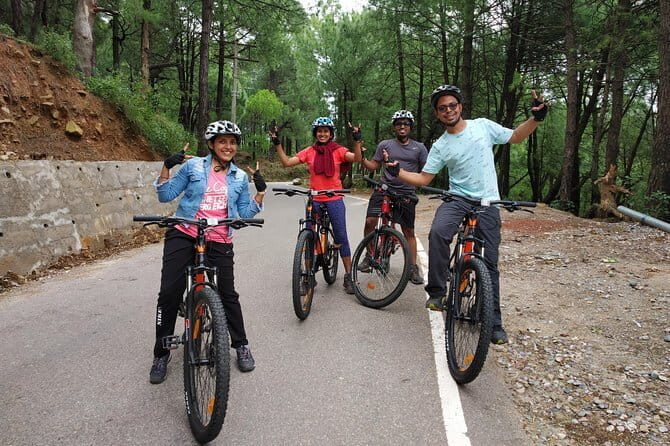
- Up to 4 riders means you’re not lost in a crowd
- Kamal’s on-bike guidance plus help if you need it
- Hydraulic disc brake mountain bikes with helmets and gloves included
- Dhauladhar-range viewpoints and photo-worthy stops along the way
- Quiet village and forest back roads with less traffic
- A hydration stop with free bottled water (and some riders mention a tea pause)
Dharamsala mountain biking with hilloferry: what the experience feels like
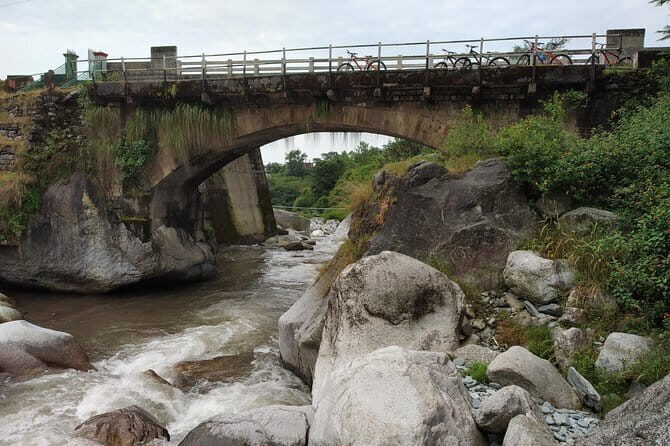
This tour is built for one main idea: get you into the hills around Dharamsala without the usual hassle. You meet at SH 17, get kitted up, and then ride out with a guide who knows the area well enough to keep things smooth—safe routes, minimal traffic, and lots of greenery and views.
The vibe is relaxed but not careless. Before anyone zooms off, you’re taught how to get comfortable on the bike. That matters in hilly terrain, where feeling unstable for the first 20 minutes can turn the whole ride into stress. With the setup time handled, you can spend your energy on the fun parts: looking out at the mountains, spotting villages, and following a route that keeps you moving.
And you’ll likely notice that this is not a giant-tour operation. The group cap of four changes everything. When you’re riding with fewer people, you slow down when someone needs a breather, wait when someone isn’t feeling their gears yet, and move as a group rather than as a stampede.
If you're still narrowing it down, here are other tours in Dharamsala we've reviewed.
Meeting Kamal on SH 17 and getting bike-ready the right way
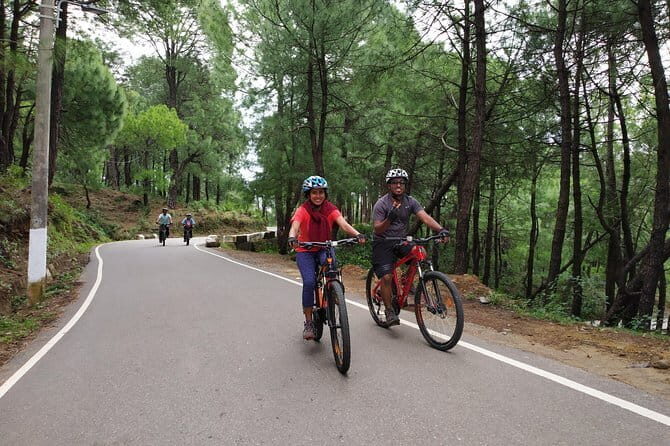
The tour starts at State Highway 17 (SH 17). You’ll want to arrive on time so you can do the full pre-ride process. The timing isn’t just for admin—it’s how they help you ride confidently.
Here’s what happens before the rolling starts:
- Bikes and helmets are provided
- There’s a short session called Know your bike so you understand how to handle it
- You get a bike-fit check, followed by a short trial ride to get comfortable
- Then the group sets off, with Kamal riding along to guide and support
This is one of the most valuable parts of the tour, especially if your mountain biking experience is limited. Bike-fit basics—seat position, where your hands feel right, and how braking feels—can make the difference between a ride that feels exciting and one that feels like work. Even if you’re an experienced cyclist, this kind of quick check helps everyone get on the same page.
The 3-hour route: Dhauladhar viewpoints, tea gardens, and quiet roads
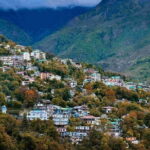
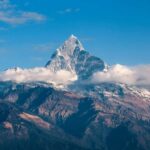
The ride is about 3 hours total, and that time is spent in a way that feels like you’re seeing Dharamsala from the inside. You’ll head into the hills around Dharamsala and ride toward scenic areas with views of the Dhauladhar ranges.
Based on the route style, expect a mix of:
- greener stretches that feel calmer than main roads
- village back roads where you can actually take in what’s around you
- viewpoint moments where stopping for photos feels natural
- stretches that keep the ride moving without constant stop-start frustration
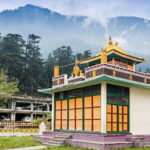
Some riders also describe stops connected to local culture, including a Mandir visit. It’s not the main event, but it adds that Dharamsala texture beyond scenery.
You’ll also get close to nature in a way that feels more personal than driving past it. Because you’re on a bike, you notice the small details: how the road changes under your tires, how the air feels when the trees open up, and how the views show up in stages rather than all at once.
Safety and comfort: hydraulic brakes, gloves, and pace you can manage
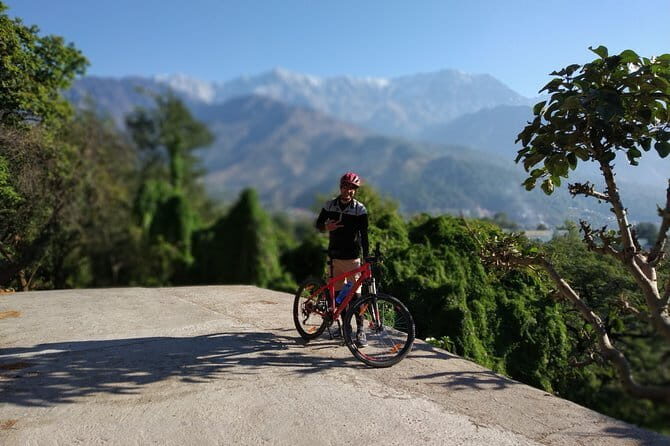
Safety here is handled in two ways: gear and guidance.
On the gear side, you’ll be riding a mountain bike with hydraulic disc brakes, and you get helmets and gloves. Hydraulic disc brakes tend to inspire confidence on slopes and in changing road conditions. Gloves help for control, and a helmet is simply the smart move when you’re riding on uneven or unfamiliar surfaces.
On the human side, Kamal rides along and provides support if you need help. That doesn’t mean every moment is hands-on, but it does mean someone is paying attention to how the group is doing—not just the route on a map.
As for pace, multiple riders highlight that you can go at a pace that works for you. That’s ideal if you want the views without arriving at your sore-knees limit too early. Since the tour targets moderate fitness, you should show up ready to ride hills, but not ready for a training race.
What hilloferry includes (and what you should bring yourself)
From the info provided, here’s what you can count on:
- Mountain bike
- Helmet
- Cycling gloves
- Free bottled water
- Small group size up to four
- Professional guide (Kamal)
- Mobile ticket
Since the tour details focus on gear and hydration, you should think about personal comfort. Even if you’re not required to bring much, I’d pack the basics you’d want on any Himalayan ride:
- sunscreen and sunglasses (views often mean bright midday glare)
- a light layer in case the hills feel cooler than town
- a water bottle for after the ride, since the included water is likely for during the cycling
If you plan to take photos, consider that stops may happen around viewpoints and cultural moments, so bring a phone mount or keep it secure while riding. You’ll want to be able to stop safely before shooting.
Other guided tours in Dharamsala
The value question: why this tour is priced so low
At $13.62 per person for about 3 hours, this stands out for value. And it’s not cheap only because it’s short—it’s priced in a way that still includes key “real costs”:
- a proper mountain bike with hydraulic disc brakes
- helmet and gloves
- a guided small-group ride
- water provided
- professional route knowledge in a hilly area
What you’re paying for is not a name-brand production. You’re paying for practical guidance and equipment that lowers risk and friction. In places where bike rentals can cost almost as much by themselves (and then you still need a plan and local help), this becomes a straightforward deal.
That low price also helps you justify doing it even if your time in Dharamsala is limited. Book it early enough, and you get a structured morning or afternoon that doesn’t require you to figure out routes on your own.
Who should book this and who might want something else
This tour fits best if you want:
- a scenic ride around Dharamsala with less traffic
- local route knowledge from Kamal
- a small-group experience where you can ask questions and get help
- a bike outing that’s active but not a full-day endurance grind
You’ll be happier if you have moderate fitness and can handle hills. If you’re brand new to biking on uneven ground, the pre-ride bike session and trial will help—but you’ll still need a willingness to learn quickly.
If you’re seeking a long multi-day mountain biking trip with lots of technical features, this one won’t match that kind of expectation. It’s about views, greenery, villages, and smooth guiding—not about extreme trail riding.
Weather matters more than you’d think in the hills
This experience requires good weather. If conditions aren’t right, the operator offers either a different date or a full refund.
That’s important because hill rides can shift quickly with rain or poor visibility. Even if the bike and brakes are solid, wet roads can change how confident you feel. Also, clouds can steal the best part of the outing: the Dhauladhar viewpoints.
If you’re flexible in your schedule, that’s your advantage. Pick a date when the forecast looks steady, and keep your plan responsive if the operator reaches out about weather.
Quick practical tips before you ride
A few small choices can make the ride feel smoother:
- Wear shoes you’re comfortable riding in for a few hours.
- Show up a bit early so you can do the bike check without rushing.
- If you have questions about braking or handling, ask during the know-your-bike phase.
- Bring patience for slow viewpoint moments; part of the fun here is looking around.
Also, since it’s typically booked around 16 days in advance on average, it’s smart to reserve early—especially if you’re traveling in peak season.
Should you book hilloferry’s Dharamsala cycling tour?
If you want a friendly, organized way to see Dharamsala’s hills without wrestling logistics, I’d book it. You get a guided ride with Kamal, small-group attention, real bike gear (helmet, gloves, hydraulic disc brakes bike), and scenery that’s the whole point. The price makes it easy to say yes, and the structure makes it easier to feel safe and comfortable from the start.
I’d only skip it if you want a longer, higher-intensity ride or if your fitness level doesn’t match “moderate” hill riding. Otherwise, this is the kind of activity that can become one of your trip highlights because it mixes movement with local atmosphere.
FAQ
How long is the hilloferry guided cycling tour around Dharamsala?
The ride duration is about 3 hours (approx.).
What’s included in the tour price?
You get a mountain bike, helmet, and gloves provided, plus free bottled water and a professional guide.
Is the tour limited to a small group?
Yes. The maximum group size is 4 travelers.
Where does the tour start and end?
The tour starts at State Highway 17 (SH 17), Himachal Pradesh, India, and ends back at the meeting point.
What physical fitness level do I need?
The tour is for travelers with a moderate physical fitness level.
Will I receive confirmation after booking?
You should receive confirmation within 48 hours of booking, subject to availability.
Is the tour near public transportation?
Yes, it is described as near public transportation.
What happens if the weather is poor?
This experience requires good weather. If it’s canceled due to poor weather, you’ll be offered a different date or a full refund.
What is the cancellation policy?
You can cancel up to 24 hours in advance of the experience for a full refund. If you cancel less than 24 hours before the start time, the amount paid won’t be refunded.