Tea and art in one smooth circuit.
This tour strings together tea culture and Andretta’s creative heritage in about 4–5 hours, with guided stops that explain how tea becomes tea and why Norah Richards’ story still matters here. I really liked the tea part for its clear, step-by-step run through growing to tasting, and I also loved how the Andretta stops connect art, craft, and one person’s long commitment to the area. One thing to watch: some major stops have extra entry fees (Sobha Singh Art Gallery, and the pottery demo is optional), so you’ll want to budget for that along with your base price.
The ride is handled for you with hotel pickup/drop-off and a small group size (up to 15), so you’re not spending your time figuring out transport. The schedule is designed so you get a factory-style tea visit plus a real village-and-studio feel, rather than a rushed photo stop marathon.
The day depends on conditions. Since the experience requires good weather, plan to keep a little flexibility in your Dharamsala schedule in case the operator needs to adjust.
In This Review
- Key highlights you’ll actually care about
- Entering Andretta: a creative day trip with real context
- Palampur Tea Gardens: how tea goes from plant to your cup
- A practical note for tea lovers
- Sobha Singh Art Gallery: a satisfying art break (with an extra fee)
- What to expect in tone
- Andretta Village: why this artists’ colony started in the 1920s
- Why I think this stop works
- Norah Richards’ Mud House: the person behind the place
- Andretta Pottery & Craft Society: rangoli-style slip designs in action
- What I’d bring mentally
- Time, transport, and how the 4–5 hours usually feels
- Who should pay attention to timing
- Price and value: $45 covers the big tea costs, extras are your choice
- Is it a good deal?
- Who this tour suits (and who might not)
- Should you book this Andretta and tea tour?
- FAQ
- Where does the tour start?
- How long is the tour?
- What’s included in the price?
- Which entrance fees cost extra?
- Is the pottery demo included?
- Is lunch included?
- How big are the groups?
- What happens if the weather is bad?
- Is it refundable if I cancel?
Key highlights you’ll actually care about
- Tea factory walkthrough and tasting that explains growth, manufacturing, sorting, and tasting in plain steps
- Palampur plantation walk to make the tea story feel real, not just a lecture
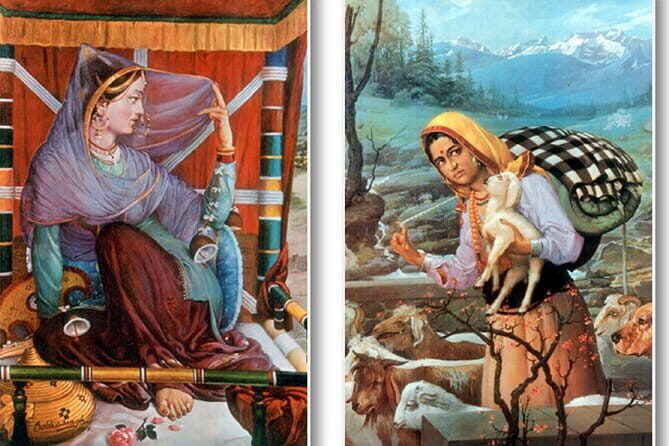
- Sobha Singh Art Gallery as a focused art stop on the route to Andretta
- Andretta Artists’ Village roots (1920s) tied to Irish theatre artiste and environmentalist Norah Richards
- Norah Richards’ mud house gives context to how the culture started and kept going
- Working pottery at Andretta Pottery & Craft Society featuring rangoli-style slip designs
Entering Andretta: a creative day trip with real context
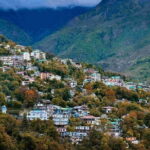
Dharamsala is a great base for Himachal, but this kind of guided day trip is what turns a scenic region into a lived-in story. You start with pickup from your Dharamsala hotel and move into the tea country area of Palampur, then shift gears to Andretta—an artists’ colony with a reputation built on craft, community, and the legacy of Norah Richards.
What makes this outing especially worth your time is the way the tour connects two worlds: agricultural know-how (tea) and human creativity (art and pottery). You’re not just seeing places; you’re learning what happens there—how tea is made, and how Andretta’s artistic life took shape in the first place.
If you enjoy days that mix learning with hands-on craft energy, you’ll probably like the rhythm of this itinerary. It’s not so long that you feel trapped, and it’s structured enough that you know what to look for at each stop.
Other guided tours in Dharamsala
Palampur Tea Gardens: how tea goes from plant to your cup
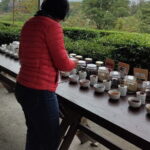
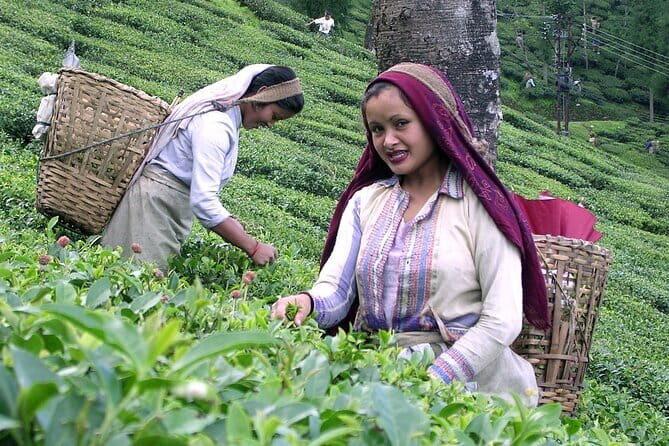
Your tea portion starts with a presentation focused on how tea is grown, manufactured, sorted, and tasted. This is the part I like most when I’m choosing a tea tour: it gives you a framework, so the tasting isn’t random. Instead, you understand what each step does to flavor and quality.
After the talk, you walk around the plantation. That short walk matters because it helps you connect the steps of the process to what’s in front of you—the actual tea-growing environment. Even if you’ve had tea your whole life, the plantation view tends to make everything feel more concrete.
Next comes the tasting demo. The tea tasting session is one of the included items, with entrance fees covered as part of the tour. You’ll also find that guides make the information stick by tying history and process to what you’re tasting. In the tea stop, the explanations are described as very informative and clear, and that’s exactly what you want on a half-day style schedule.
A practical note for tea lovers
Bring an open mind. Tea tasting is sensory work, not just “try a sample.” I’d go in ready to pay attention to aroma and how the tea feels in your mouth, because the tour’s process talk sets you up for that.
Sobha Singh Art Gallery: a satisfying art break (with an extra fee)
After tea, the tour moves toward Andretta village and adds a stop at the Sobha Singh Art Gallery. This part is a nice change of pace: tea is the science and agriculture; the gallery is the creativity side, with art connected to the broader cultural region.
The gallery stop lasts around an hour, which is a comfortable window. It’s long enough to take in a range of works without feeling like you need to rush through everything.
Important detail: the Sobha Singh gallery entry fee is not included in your base tour price. The additional cost listed is ₹350 per person. That doesn’t make it a bad value, but it does mean you should plan for it so the day stays stress-free.
What to expect in tone
This stop isn’t described as a big interactive workshop. Think of it more as a guided viewing and context stop—useful if you like understanding how regional artists shaped the look and feel of Himachal art.



Andretta Village: why this artists’ colony started in the 1920s
Andretta is an artists’ colony in Himachal Pradesh, and the tour gives you the key origin story. The colony was established in the 1920s, when Irish theatre artiste and environmentalist Norah Richards shifted here from Lahore.
That historical detail is more than trivia. It helps you interpret what you see in the village: craft here isn’t just decorative. It’s part of a long-term commitment to culture, community, and making space for art.
You’ll be guided to see a range of original works of Norah Richards, along with personal belongings and working art pottery. This is exactly the kind of museum-and-studio connection that many tours fail at—either they show artifacts with no context, or they show craft without story. Here, you get both threads.
Why I think this stop works
If you’re the type who likes heritage travel that’s specific (who, when, why), Andretta is one of the more grounded places on the Dharamsala–Palampur route. The story gives you a lens for your photos and for what you’re observing with your own eyes.
Norah Richards’ Mud House: the person behind the place
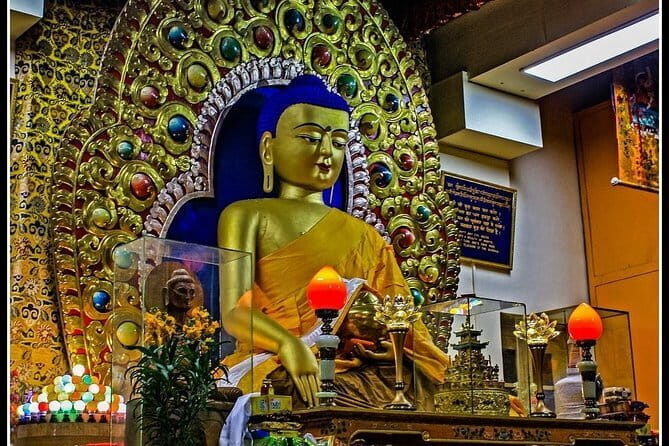
One of the most memorable parts of this tour is the visit to Norah Richards’ mud house. The time here is short (about 20 minutes), so you won’t feel stuck inside a long static stop. Instead, you get enough time to absorb the atmosphere and connect it back to her decades of involvement in the area.
Norah Richards is described as an actress and theatre practitioner born on 29 October 1876 in Ireland. The tour also shares that she devoted 60 years of her life to enriching the area’s culture, and that she was later referred to as the Lady Gregory of Punjab.
That kind of framing changes how you think about a house visit. You’re not just looking at an old building. You’re connecting place to a long, sustained life in culture and the arts.
The mud house entry fee is listed as not included, meaning it’s likely handled without extra payment on top of the tour for this specific stop (the tour data flags tickets as not included here). Still, if you’re someone who likes to track costs carefully, keep an eye on what your operator includes versus what you may pay at each site.
Andretta Pottery & Craft Society: rangoli-style slip designs in action
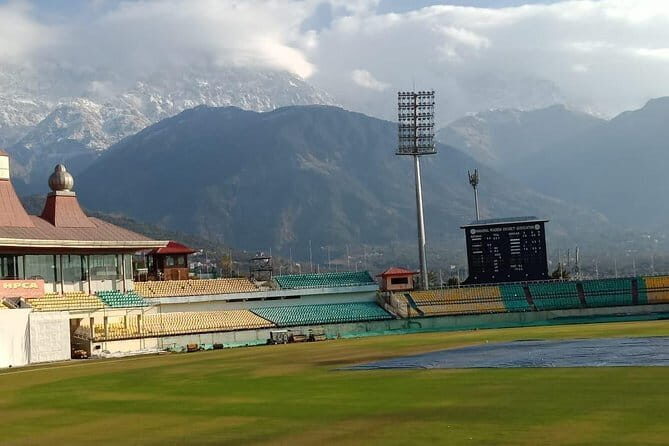
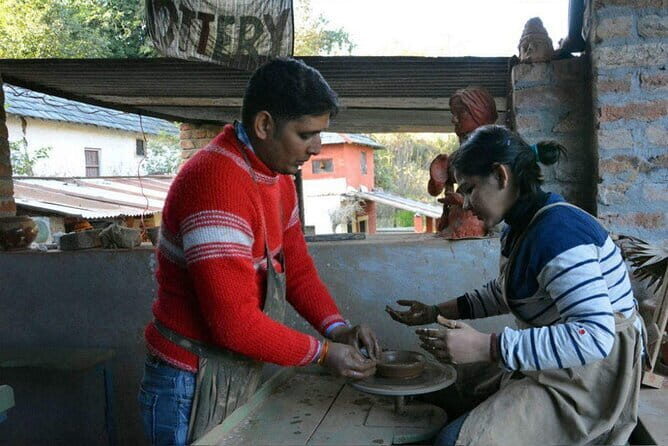
The final creative stop is Andretta Pottery & Craft Society, focused on working art pottery. This is where the day becomes more tactile and practical.
You’ll see earthenware with rangoli style slip designs. That detail matters because it explains the visual language of the pottery: slip designs are a decorative technique using a liquid clay application, and the rangoli-style approach gives it a pattern-forward look.
There are also 3-month pottery classes for students here. Even if you’re not signing up, it’s a useful detail because it shows the craft isn’t frozen in time. It’s taught, practiced, and passed on.
The pottery demo is optional, with an additional fee of ₹300 per person listed. If you’re traveling with craft enthusiasm, I’d treat this as the kind of optional upgrade that can make the day feel more than just sightseeing. If you’re short on energy or you’d rather keep the tour simple, you can skip the demo and still get a lot from the pottery viewing portion.
What I’d bring mentally
Go into the pottery stop expecting to watch process more than to learn everything. If you can, take a slow look at how the patterns sit on the form. That’s where you’ll get the most satisfaction from a pottery visit, because the design choices are the point.
Time, transport, and how the 4–5 hours usually feels
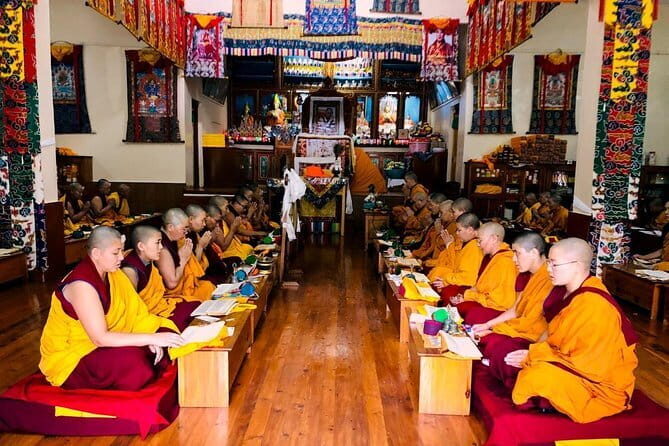
This is a compact half-day adventure. You’ll start in Dharamsala with hotel pickup, then you’ll move toward Palampur for the tea garden portion, and after that you’ll continue toward Andretta for the art and pottery stops.
Based on the time blocks, expect:
- roughly 45 minutes for the Palampur tea gardens presentation plus walk
- about 1 hour at Sobha Singh Art Gallery
- around 20 minutes at Norah Richards’ mud house
- about 45 minutes at Andretta Pottery & Craft Society
The in-between travel time is part of what makes it “4 to 5 hours approx.” That timeframe is a good match for people who want culture and craft in one go without committing a full day.
Group size is capped at 15 travelers, which is a plus. Smaller groups usually mean the guide can keep things on track and not lose people at each stop.
Who should pay attention to timing
If you’re the type who prefers late starts, this one might feel like it starts earlier than you like since pickup is coordinated by schedule. If you’re comfortable with that, you’ll likely enjoy the clean flow of stops.
Price and value: $45 covers the big tea costs, extras are your choice
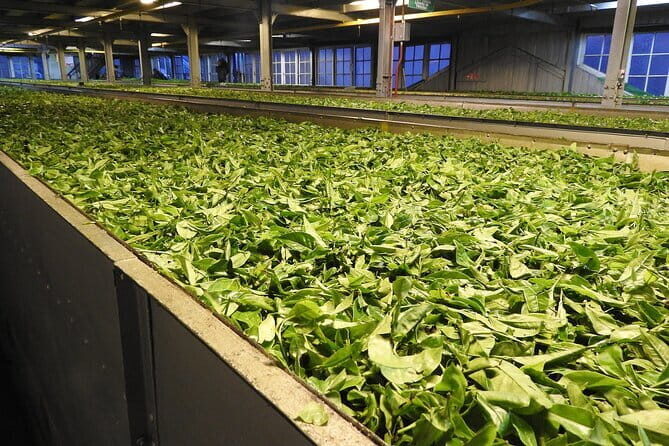
The listed price is $45 per person. For that amount, you typically get:
- pickup and drop-off by car
- sightseeing by car
- entrance fees included for the tea factory visit and tea tasting demo
- all taxes
- local English speaking guide (noted as an option in one pricing option)
That matters because tea factory entry and tasting costs can add up when you book sites separately. Having the tea portion included is one of the main ways this tour keeps its value.
But you should budget for the extras:
- Sobha Singh Art Gallery: ₹350 per person (not included)
- Pottery demo: optional ₹300 per person (not included)
Also, lunch isn’t included. Plan for a simple meal before or after. If you book this when you’re hungry and don’t plan food timing, you’ll feel it by the time you’re back in Dharamsala.
Is it a good deal?
I think it’s a solid value if you care about both tea and Andretta’s creative heritage. If you only want one of the two—tea or pottery/art—then the add-on fees might make you question the price-to-interest ratio. For most people interested in a cultural day across multiple stops, it’s a balanced way to do it.
Who this tour suits (and who might not)
This works well for:
- travelers who like guided context, not just wandering
- people interested in regional crafts and studio life at Andretta
- tea fans who want process explained (not just a sip)
It might be less ideal if you:
- hate extra entry fees for stops along the way
- want an all-inclusive day with lunch included
- dislike tours that depend on weather (this one requires good weather)
Because the route is structured but not too long, it’s also a good choice for first-time visitors in the Dharamsala region who want a meaningful day trip without heavy logistics.
Should you book this Andretta and tea tour?
I’d book it if you want a day that mixes tea knowledge with Andretta’s artist legacy, and you’re okay planning for a couple of optional or extra-site costs. The tea tasting demo being included is a big win, and Andretta’s Norah Richards story gives the craft stops real meaning.
If you’re traveling on a tight budget, do the math early: the Sobha Singh Art Gallery fee (₹350) plus optional pottery demo (₹300) can shift the total. Still, even with those additions, this is the kind of route that feels practical and purposeful rather than scattered.
The last decision point is weather. If your schedule is flexible and you can match the tour to a good day, you’ll get more out of it.
FAQ
Where does the tour start?
Pickup is offered from your hotel in Dharamsala, and the day trip proceeds from there to Palampur tea gardens and onward to Andretta.
How long is the tour?
The tour runs about 4 to 5 hours (approx.).
What’s included in the price?
The tour includes pickup, drop-off, sightseeing by car, tea factory visit and tea tasting demo entrance fees, and all taxes. It also includes a local English speaking guide in one of the pricing options.
Which entrance fees cost extra?
The Sobha Singh Art Gallery entrance fee is listed as ₹350 per person. The pottery demo at Andretta Pottery & Craft Society is optional at ₹300 per person.
Is the pottery demo included?
No, the pottery demo is optional. You can visit the society and view the pottery, but you’d pay extra only if you choose the demo.
Is lunch included?
No. Lunch, breakfast, and dinner are not included.
How big are the groups?
The tour has a maximum of 15 travelers.
What happens if the weather is bad?
The experience requires good weather. If it’s canceled due to poor weather, you’ll be offered a different date or a full refund.
Is it refundable if I cancel?
This experience is non-refundable and cannot be changed for any reason. If you cancel, the amount paid will not be refunded.
If you want, tell me your travel dates and whether you’re more into tea or art, and I’ll help you decide if this schedule is the best fit for your day in Dharamsala.