Tea, temples, and monastic calm, all in one day. This guided loop around the Kangra region is interesting because it swaps traffic-and-landmarks fatigue for a smart mix: a Palampur tea factory walk and tasting, then two different Buddhist stops before you finish with a lively market browse in McLeodganj. I especially like that you’re not doing navigation yourself—your guide and driver handle the mountain roads and timing.
My other favorite part is the chance to slow down at Dorzong Monastic Institute and then see how Tibetan Buddhism shows up in everyday practice, not just photos. One consideration: there’s no meal included, and one of the nunnery stops has an entrance fee not included—so budget a little extra for food/snacks and that ticket.
In This Review
- Palampur in One Loop: What This Tour Actually Feels Like
- Key Stops You’ll Get (And Why They Matter)
- Getting There: Hotel Pickup and the Dharamsala → Palampur Drive
- Chamunda Devi Temple: A Short, Free Stop With Big Presence
- Dorzong Monastic Institute: Where the Calm Feels Real
- Palampur Co-operative Tea Factory: The Hands-On Part You’ll Remember
- Dongyu Gatsal Ling Nunnery: A Women’s Nunnery Visit (Budget This Ticket)
- Why McLeodganj Market Ends the Day So Well
- Price and Value: Why $46 Can Make Sense Here
- Timing and Group Size: The Comfort Sweet Spot
- Who This Tour Fits Best (And Who Might Want Something Else)
- Should You Book the Palampur-Monasteries, Temple & Tea Gardens Tour?
- FAQ
- What is the duration of the tour?
- How much does the tour cost?
- Is hotel pickup and drop-off included?
- Are meals included?
- Which entrances are included or not included?
- How many people are on the tour?
- What is the cancellation policy?
Palampur in One Loop: What This Tour Actually Feels Like
This is a one-day guided visit built for travelers who want the highlights of the Dharamsala area without turning your day into a bus-and-guessing exercise. You start in Dharamsala, head toward Palampur (tea country), and work your way back, ending at McLeodganj Market, where Tibetan handicrafts and souvenirs are easy to spot.
The vibe is pleasantly mixed. You’ll do devotional temple time, quiet monastic time, hands-on tea time, then street time. If you like variety but still want structure, this kind of itinerary works well. The group stays small—up to 8 people per booking (and the overall cap is 15 travelers)—so you’re less likely to feel like you’re in a crowded herd.
The tour also runs in all weather conditions, so plan on bringing the right layer for mountain changes. Your schedule is tight but not rushed in a chaotic way; it’s more like a series of short, meaningful stops with travel time between them.
Key Stops You’ll Get (And Why They Matter)
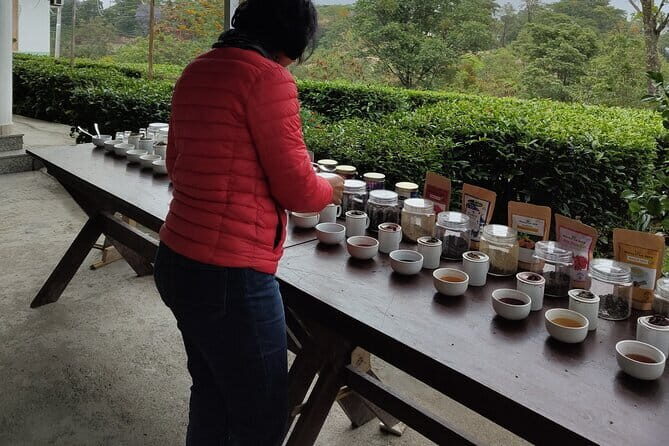
- Palampur Co-operative Tea Factory + tasting: You get the growing-to-making basics, plus a tasting that can include around 20 types of tea.
- Shakti Peeth Shri Chamunda Devi Temple: A compact, free entry stop with strong local devotional energy.
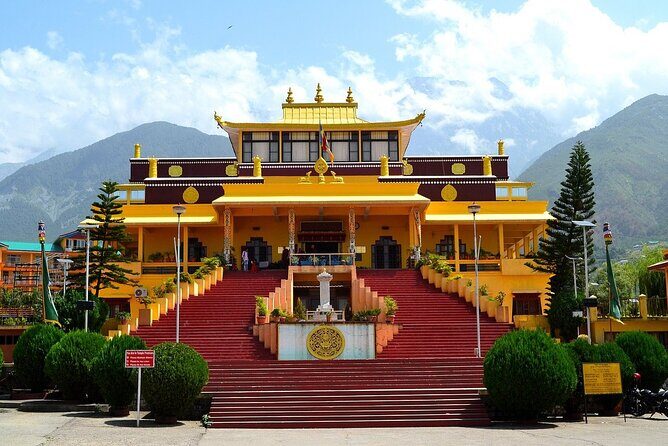
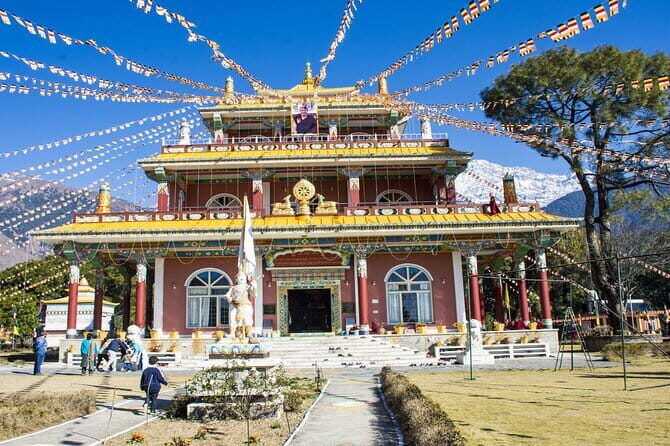
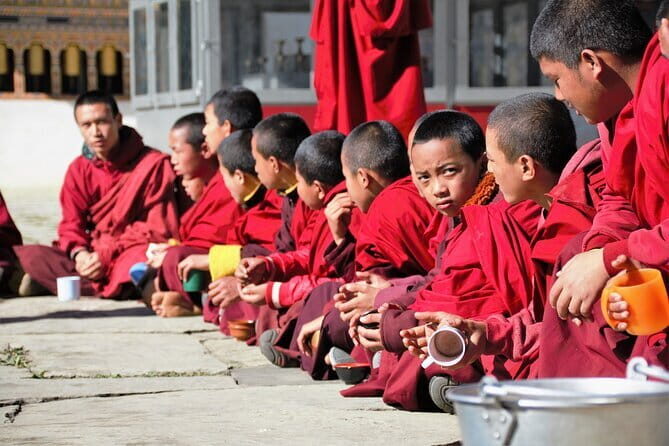
- Dorzong Monastic Institute: A focused look at Buddha Dharma study and practice near the Dhauladhar range.
- Dongyu Gatsal Ling Nunnery: A Himalayan women’s nunnery visit (entrance fee not included).
- McLeodganj Market finish: A practical place to pick up Tibetan crafts after your temple-and-tea day.
A few more Dharamsala tours and experiences worth a look
Getting There: Hotel Pickup and the Dharamsala → Palampur Drive
You meet your guide and driver at your hotel in Dharamsala. Pickup time is scheduled, and then you head off toward Palampur—the tea capital of North India—on a round-trip arrangement. This matters more than it sounds. In hilly areas, a lot of your day can disappear to unclear transport and last-minute planning.
The driving portion isn’t optional, but it becomes easier to manage when someone is handling it. You also get bottled water included, which is a small comfort that adds up on a long day.
A quick timing note: the tour runs about 5 to 6 hours total. Transfer times depend on traffic and the time of day, so keep a little mental buffer. This kind of schedule is ideal if you want to pack in major sights, but it’s not a full-day slog.
Chamunda Devi Temple: A Short, Free Stop With Big Presence
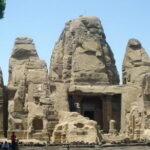
Your first main stop after the tea-country drive is Shakti Peeth Shri Chamunda Devi Temple, also known as Chamunda Nandikeshwar Dham. It’s dedicated to Shri Chamunda Devi, a form of Goddess Durga, and it’s known for being a strongly devotional place—one of those stops where you feel the local religious rhythm even if you don’t know every detail.
This is a free admission stop and typically around 15 minutes. That brevity is a double-edged sword:
- It’s great if you’re time-limited and want the spiritual anchor of the day.
- It’s less great if you want long, slow temple wandering or detailed viewing.
My advice: treat it like a compass point for the day. Look around, take in the atmosphere, and move on without trying to force an in-depth tour in 15 minutes.
Dorzong Monastic Institute: Where the Calm Feels Real
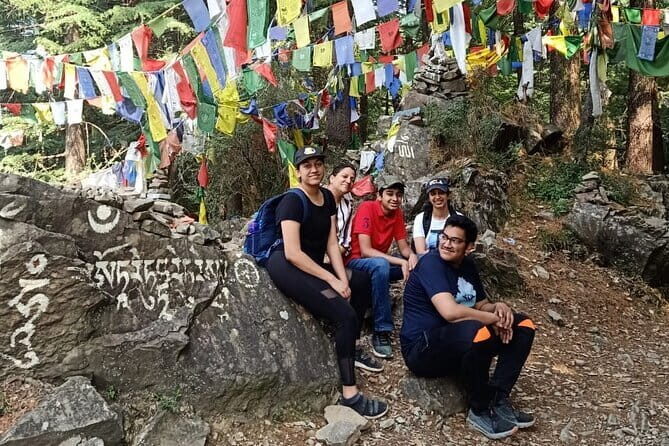
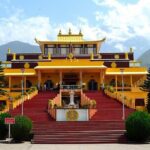
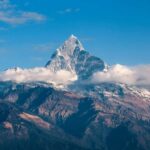
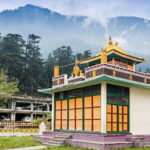
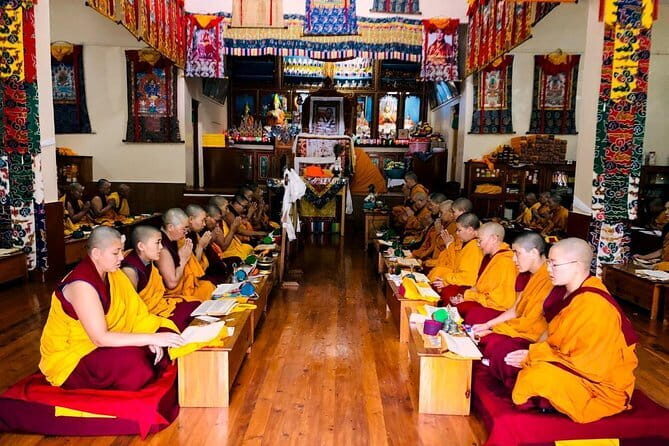
Next up is Dorzong Monastic Institute (DMI). It’s positioned at the base of the Dhauladhar Mountain Range and focuses on study and practice of Buddha Dharma. This stop is also free, and it usually takes about 15 minutes.
Even in a short window, a monastic stop changes your pace. It’s not just a photo stop; it’s more like a mental reset. The structure of the day (temple → monastery → tea) also helps. You come from devotional temple energy, then you shift into quiet practice space, and then you use your senses at the tea factory.
Because the stop is brief, don’t plan to read everything on signs cover-to-cover. Instead, pick one simple focus: how the space is used, what activities are happening, or just how the mood feels compared to the road-trip part of your day.
Palampur Co-operative Tea Factory: The Hands-On Part You’ll Remember
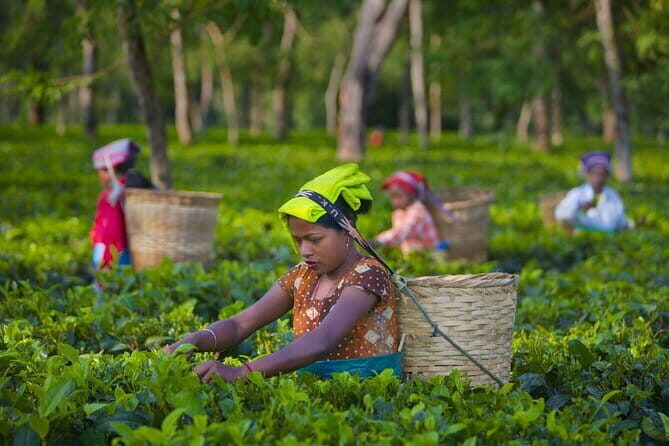
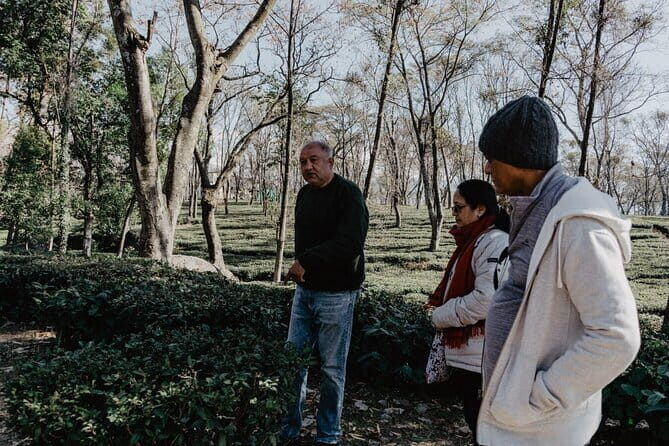
Now for the star of the show: the Palampur Co-operative Tea Factory experience. This is the longest structured activity at about 45 minutes, and it’s where you’ll get the practical story behind the tea country scenery.
You start with a presentation covering:
- the history of the tea estate
- how tea is grown
- how tea is manufactured
- how tea is sorted and tasted
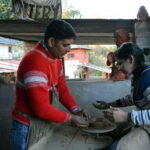
Then you walk around the plantation, which helps the theory click. Seeing the tea environment makes the whole process feel less abstract. And yes, the tasting is the payoff.
One of the best-reviewed aspects is that the tasting can include around 20 types of tea. That’s a lot for a short tour, and it’s genuinely useful. You’ll start noticing how tea varies by flavor profile—so even if you’re not a tea expert today, you’ll walk away with a clearer personal preference tomorrow.
A small drawback to keep in mind: tea factories and plantation walks can involve uneven ground and outdoor conditions. If it’s cool or damp, dress for it. If it’s sunny, you’ll want sun protection too.
A few more Dharamsala tours and experiences worth a look
Dongyu Gatsal Ling Nunnery: A Women’s Nunnery Visit (Budget This Ticket)
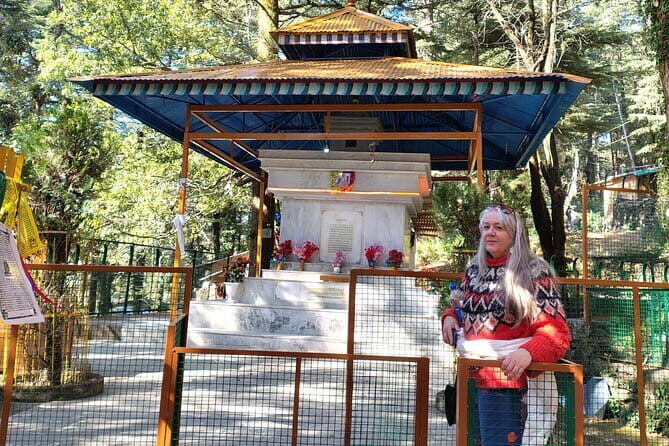
The itinerary includes Dongyu Gatsal Ling Nunnery, part of the Drukpa Kagyu tradition of Tibetan Buddhism. This stop is about 30 minutes and, importantly, the entrance ticket is not included.
That makes this one of the only places where your total cost can quietly rise. Still, the stop is worth keeping on your day plan because it adds another angle on Tibetan Buddhism—this time through the lens of a Himalayan women’s monastic community.
How to make the most of it in 30 minutes:
- Be respectful with your pace. Don’t treat it like a quick market sprint.
- Keep your attention on what’s happening in the space, not just what you can photograph.
If you’re watching your budget, you can handle this easily: plan ahead and set aside extra money for that specific entry fee.
Why McLeodganj Market Ends the Day So Well
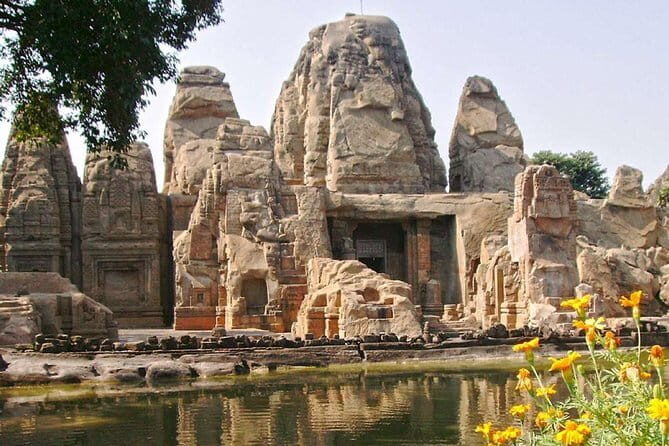
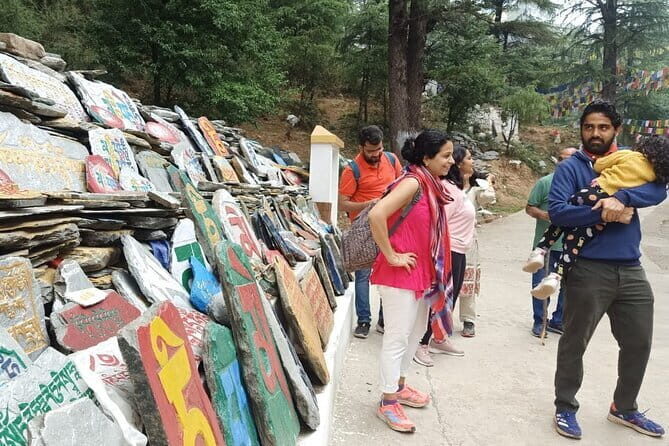
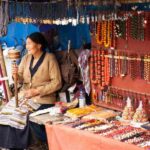
Finishing in McLeodganj Market is smart. After temples and tea, you’re not forced to keep that quiet mood. Instead, you can shift into browsing mode with Tibetan handcrafts and locally-made souvenirs.
This is also where the day’s theme becomes tangible. Tea-related experiences can lead to small take-home purchases, and monastic/tibetan culture stops usually come with the kind of souvenirs people actually want: handmade goods, small giftable items, and things that make your day trip feel real when you’re back home.
Practical tip: give yourself room to move. Market time can turn into slow browsing, and this is where you’ll want to be flexible. If you’re rushing, you’ll miss the best selection.
Price and Value: Why $46 Can Make Sense Here
At $46 per person, this tour is priced as a practical day solution rather than a luxury outing. The value comes from several things bundled together:
- Round-trip hotel pickup and drop-off in the Dharamsala area
- a private vehicle
- a local guide
- bottled water
- the tea factory component, including tea tour with tea tasting
- all taxes
What’s not included helps you plan honestly:
- No meals
- Dongyu Gatsal Ling Nunnery entrance fee not included
- and there’s a note about additional zoo/van vihar fees for foreign tourists that are not part of the tea-and-monastery flow
So here’s the balanced math. If you’d otherwise pay separately for transport + guide time + tea entry/tasting, this price can feel fair fast—especially because the tour already handles mountain driving logistics for you. The main thing that could make you feel less satisfied is if you get to the tea tasting hungry and realize lunch isn’t included. Fix that with snacks.
Timing and Group Size: The Comfort Sweet Spot
This tour runs about 5 to 6 hours, and you’ll notice the structure is designed around short stops. That’s not a flaw; it’s a strategy for keeping your attention from wearing out.
You’ll travel with a maximum of 8 people per booking, and the tour overall caps at 15 travelers. For me, this matters because it affects how smoothly you can move between stops. Smaller groups generally mean less waiting at entrances and fewer bottlenecks.
Also, you’ll want to dress appropriately because it operates in all weather. Mountain weather changes quickly—light rain, cool breezes, or sudden cloud cover can happen. Bring a layer you’ll actually wear, not just something that looks good in a bag.
Who This Tour Fits Best (And Who Might Want Something Else)
This guided day trip is ideal if you:
- want Palampur tea plus monasteries/temple visits without doing the planning
- prefer short structured stops instead of one long “sit and wander” block
- like cultural variety: Hindu temple, Tibetan Buddhist sites, then market browsing
- are short on time but still want more than one sightseeing angle
You might want a different style of tour if you:
- want a full meal included (this one does not)
- dislike any itinerary with an optional added entrance fee (Dongyu Gatsal Ling Nunnery is not included)
- prefer long, slow stays at each site rather than a tight schedule
Should You Book the Palampur-Monasteries, Temple & Tea Gardens Tour?
If you want a well-paced day that mixes calm religious sites with the hands-on payoff of tea tasting, I think this is a strong booking. The tea factory visit with tasting is the clearest value driver, and the monastic stops give your day more meaning than a simple sightseeing checklist.
Book it if you:
- like structured guided transport in mountain areas
- want to finish with real shopping time in McLeodganj Market
- can plan for snacks and the one entrance fee not included
Don’t book it if you’re expecting meals included or you want a slower, deeper temple-by-temple experience. This tour is about focus, not lingering.
FAQ
What is the duration of the tour?
The tour runs about 5 to 6 hours, with transfer times depending on traffic and the time of day.
How much does the tour cost?
The price is $46.00 per person.
Is hotel pickup and drop-off included?
Yes. Hotel/airport pickup and drop-off are included, along with transport by private vehicle.
Are meals included?
No. Meals are not included, so you’ll want to plan for snacks or buy food on your own.
Which entrances are included or not included?
Chamunda Devi Temple and Dorzong Monastic Institute list admission as free. The Palampur Co-operative Tea Factory tea tour and tasting are included. Dongyu Gatsal Ling Nunnery entrance is not included.
How many people are on the tour?
There’s a maximum of 8 people per booking, and the experience has a maximum of 15 travelers.
What is the cancellation policy?
This experience is non-refundable and cannot be changed for any reason. If you cancel or request an amendment, the amount paid is not refunded.