Kangra packs a lot into one day. This guided route blends stone temple artistry with fort-and-power history, plus roadside glimpses of village life on the way from McLeod Ganj or Dharamshala. You’ll move at a steady pace, with a guide who connects what you’re seeing to the stories behind it.
I especially like the mix of big sights and small moments: Masroor’s rock-cut temple set on a hill above the water pond, and then the Kangra Fort viewpoints that reward your climb. I also like that the day ends with time in the Kangra market, where you can browse practical souvenirs instead of just ticking off landmarks.
One consideration: you’re not doing a long, slow museum-style visit. If you’re expecting monuments fees to be included or a relaxed, no-moving-around schedule, plan for a bit of walking and extra costs for entry.
In This Review
- Key highlights to look for
- Why This Kangra Day Trip Feels Different Than a Typical Temples-Only Tour
- Leaving McLeod Ganj or Dharamshala: The Ride and Kangra Valley Glimpse
- Masroor Rock-Cut Temple: Rama, Laxmana, and Sita in Stone
- Kangra Fort: Rajput Power, Siege History, and Views That Matter
- Brajreshwari Devi Temple: The Shakti Peeth Legend Explained on Site
- Kangra Market Time: Souvenirs That Feel Local, Not Generic
- Your Guide Makes or Breaks the Day (and You Can Tell Who You’ll Get)
- Price and What You’ll Spend Beyond the Tour
- Best-Fit Traveler: Who Will Love This and Who Might Not
- Quick FAQ for Your Kangra Fort and Temple Plans
- FAQ
- What’s the total duration of the tour?
- Where does pickup happen?
- Do I need to pay monument entry fees?
- Is lunch included?
- What’s included in the transport?
- Is the guide available in English?
- Can I cancel for a refund?
- Should You Book This Kangra Historical Tour?
Key highlights to look for
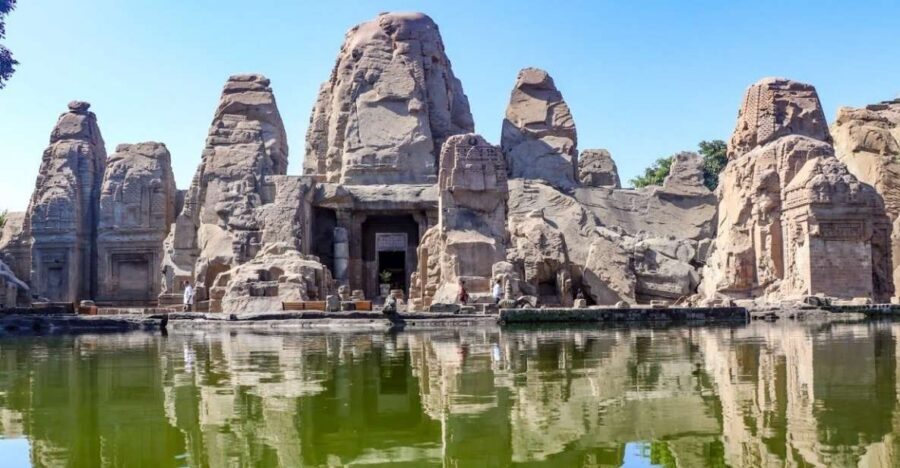
- Masroor Rock-Cut Temple dedicated to Rama, Laxmana, and Sita, with panoramic views toward the Dhauladhar Range
- Kangra Fort tied to the Katoch dynasty and major historical siege moments involving Mughal rulers
- Brajreshwari Devi Temple with the Shakti Peeth legend of Sati and Shiva’s Tandav
- Real village-to-town driving: a quick glimpse of local daily life en route to the sites
- Kangra market time for browsing local goods, including a chance to try lemon soda
Why This Kangra Day Trip Feels Different Than a Typical Temples-Only Tour
This is the kind of outing where you get scenery and story in the same breath. You start with hotel pickup from McLeod Ganj or Dharamshala, then head into the Kangra region for about six hours of guided sightseeing.
What makes it work is the balance: temple art first, then fort history, then a spiritual stop with a powerful myth, and finally a market break. It’s not just sightseeing. It’s learning how people in this region explain the past—through stone carvings, walls, and sacred sites you can still visit.
You’ll be in a private group with an English-speaking guide, traveling by car sized to your group (choices include a medium car, Innova, or a larger tempo traveler depending on group size). That matters, because you can ask questions on the ride and adjust pacing on the fly.
A few more Dharamsala tours and experiences worth a look
Leaving McLeod Ganj or Dharamshala: The Ride and Kangra Valley Glimpse
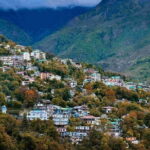
The day begins with the guide meeting you at your city hotel—so you skip the hassle of meeting points and taxis. Once you’re loaded into the private car, you’ll start heading toward Kangra, first taking in the Kangra Valley views and passing a local village.
This driving segment is more than “getting there.” It sets the tone: you see how the region actually lives—roads, small activity centers, and the everyday rhythm around you. If you like travel photography, these first stops from the car can be some of your best shots, especially when the light hits the valley.
A quick practical note: hills mean traffic can be slow at times, so keep your schedule flexible in your own day plan. Six hours of sightseeing can feel fast, but the road still deserves some respect.
Masroor Rock-Cut Temple: Rama, Laxmana, and Sita in Stone
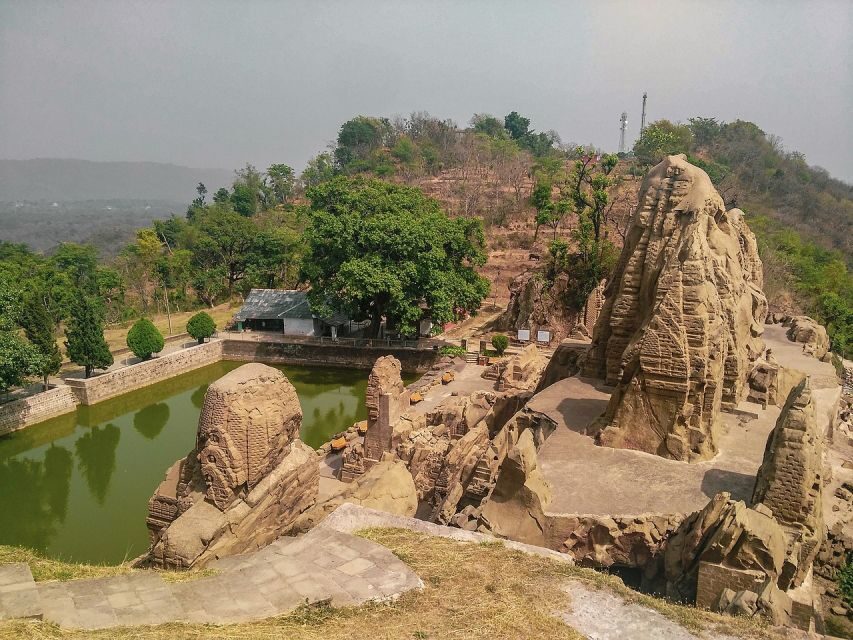
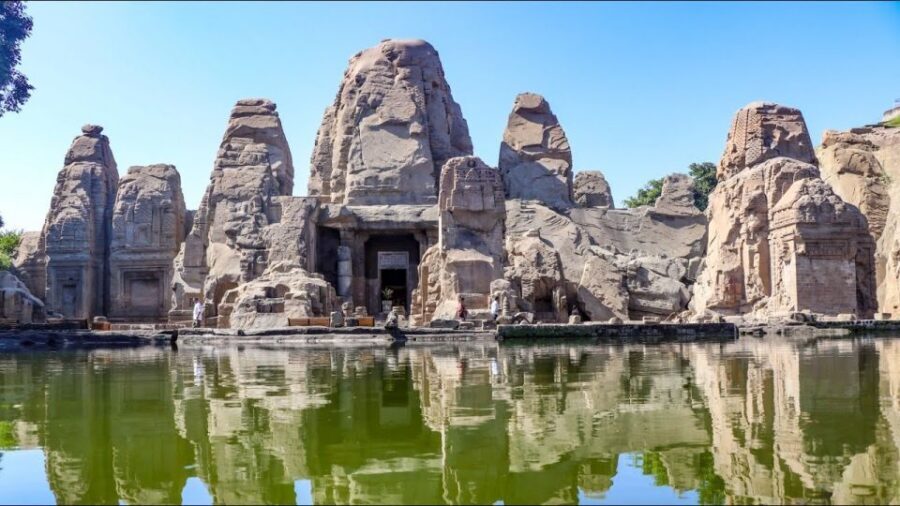
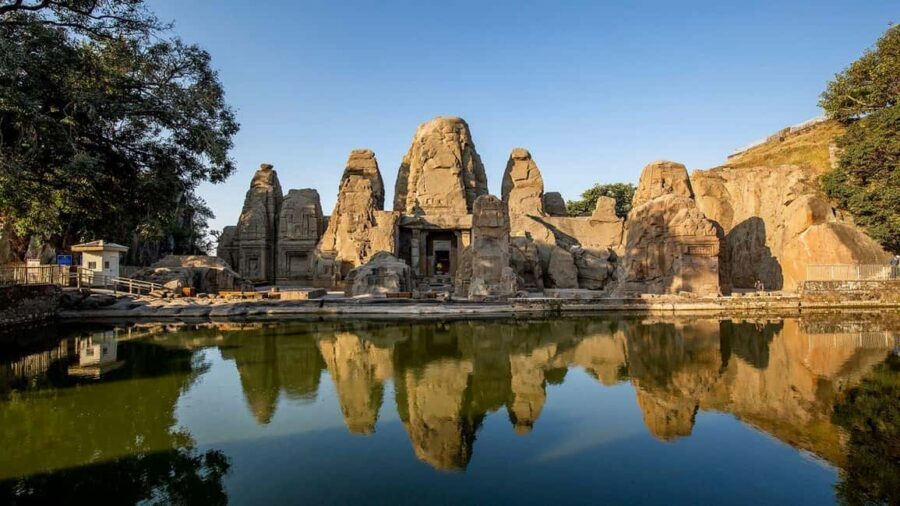
Your first major stop is the Masroor Rock Cut Temple complex, dedicated to Rama, Laxmana, and Sita. These are the Hindu figures associated with the Mahabharata-era epic traditions, and the stone images are worshiped by Hindu devotees who visit from around the world.
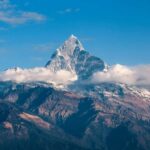
What you’ll notice right away is the setting. The temple complex is built on a water pond and sits on a hill, so you don’t just see carvings—you also get wide views across the terrain. On clear days, the distant Dhauladhar Range can frame the scene in the background.
Here’s how to make this stop more rewarding without adding time:
- Look at the carvings first, then step back and take in the hill-and-pond layout. It’s part of how the temple “reads” in one glance.
- If you’re photographing, try for angles that include the open view behind you, not just close-ups of the stonework.
This site is a great opener because it trains your eyes. After Masroor, the fort and temples later in the day feel connected instead of separate stops.
Kangra Fort: Rajput Power, Siege History, and Views That Matter
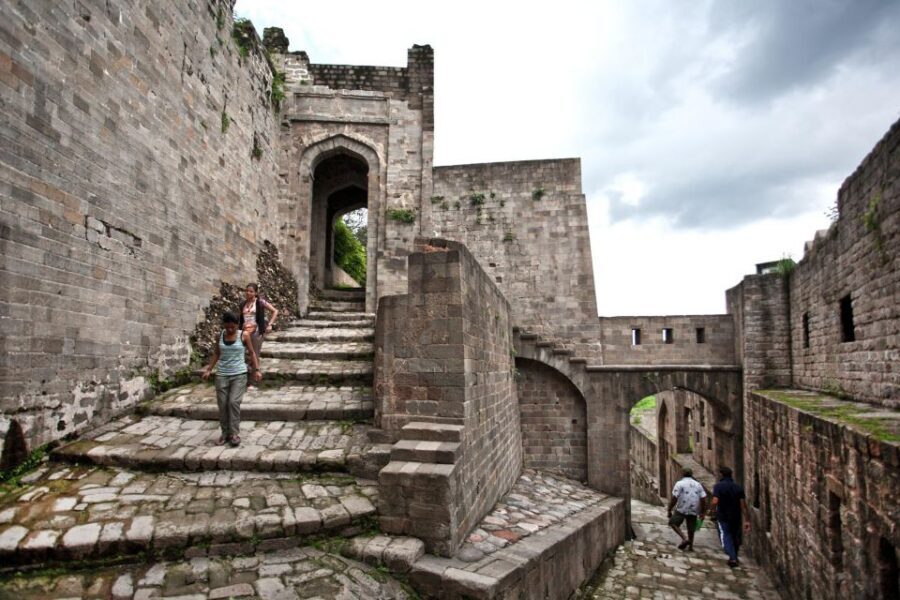
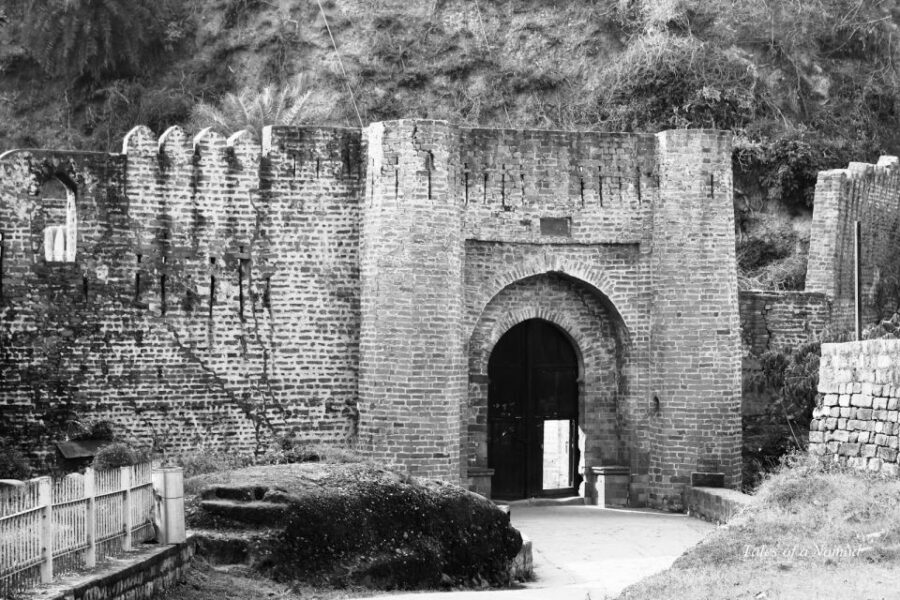
Next comes Kangra Fort, built by the royal Rajput family of Kangra State, known as the Katoch dynasty. The story goes further back too: the dynasty is traced to the ancient Trigarta Kingdom, mentioned in the Mahabharata epic.
The fort’s reputation is huge—described as the largest fort in the Himalayas and likely one of the oldest dated forts in India. But the real hook is the resistance and capture timeline you’ll hear from your guide.
Kangra Fort reportedly resisted Akbar’s siege in 1615, then later came under Mughal control when Akbar’s son Jehangir subdued the fort in 1620, forcing the submission of the Raja of Chamba, described as a major raja in the region. Even if you don’t remember the dates exactly, you’ll feel the weight of those events in the stone and the layout.
Practical side: forts ask for a bit of effort. One person’s highlight was the nice view from climbing up, which is a good clue that you’ll likely walk and possibly climb for vantage points. Wear comfortable shoes. Bring a little water if you tend to get thirsty when walking.
If you love history but hate long, slow lectures, this is a good fit. The fort gives you physical scale, and the guide can tie the story to what’s in front of you while you move.
Brajreshwari Devi Temple: The Shakti Peeth Legend Explained on Site
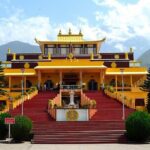
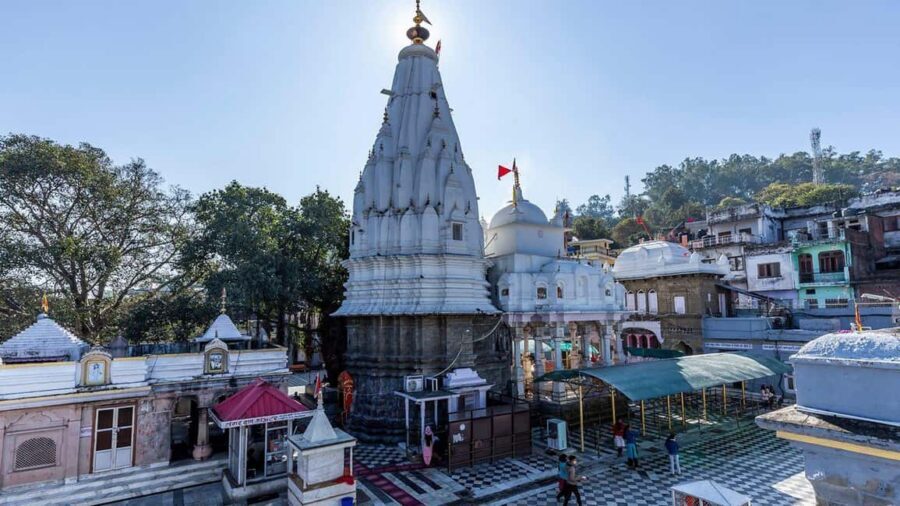
After the fort, you’ll visit Brajreshwari Devi Temple, a sacred site tied to Shakti Peeth tradition. The legend links back to the story of Goddess Sati and Lord Shiva—Sati sacrifices herself in her father’s yagya, Shiva takes her body on his shoulder and begins Tandav, and then Vishnu divides Sati’s body into 51 parts with the Chakra to stop the destruction. The story says Sati’s left breast fell at this spot, establishing it as a Shakti Peeth.
It also connects to Mahabharata tradition in another way: the original temple is described as built by the Pandavas during the Mahabharatha time.
This stop is a good reminder that in India, the sacred isn’t just an idea—it’s a place with meaning that shapes how people behave. When you’re here, move respectfully and keep your voice calm. If you’re curious, ask your guide how local devotees connect the myth to the temple today.
Even if you’ve heard version of the legend elsewhere, hearing it in this specific location helps the story land differently. It’s one of those “the meaning sticks because you’re standing in it” moments.
Kangra Market Time: Souvenirs That Feel Local, Not Generic
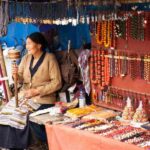
By the time you reach the market, you’re probably ready for something lighter than history walls and temple carvings. You’ll get time to explore the local market in Kangra, with chances to browse goods that make sensible gifts and souvenirs.
This is where the trip turns practical. Instead of just buying something because it’s photographed well, you can choose items based on what you actually find appealing—handicraft-type goods, small packaged treats, and everyday items.
There’s also a fun detail: one highlight was trying homemade lemon soda during a market walk. It’s the sort of small taste that tells you you’re in the real flow of the town, not a staged “tourist only” zone.
If you want photos here, keep it respectful. Smile, ask if needed, and focus on signs, streets, and shopfront colors rather than close-up portraits.
Your Guide Makes or Breaks the Day (and You Can Tell Who You’ll Get)
This experience is built around a guided format, and the guide quality clearly matters. In past bookings, guides such as Mr. Hemant, Onkar, and Ashok were singled out for strong storytelling and clear explanation, with good English and real comfort connecting local culture and monument history.
That human factor changes everything. A guide can help you spot what to look for on stonework, explain why a fort mattered in a specific siege, and translate myth into something you can picture.
One balancing note: not every guide experience runs the same way. There was at least one case where someone felt the guide’s English and depth could be better, with some repeating. So if you’re the type who wants a lot of detail and back-and-forth questions, you might value choosing a time slot where you can communicate clearly with your guide right from the start.
Price and What You’ll Spend Beyond the Tour
At around $104 for the private group booking listed for up to 1 traveler, this can be good value for a six-hour day that includes hotel pickup and drop-off, a private car, and an English-speaking guide. You’re also paying for convenience: not coordinating multiple rides and not guessing how long each stop takes.
What’s not included is important. Monument fees are extra, and so are breakfast/lunch/dinner. That’s where you should budget a little buffer so you don’t get surprised mid-day. One person noted lunch restaurant pricing felt a bit expensive, so if food is a priority, consider carrying a snack or planning to keep meals simple.
Parking fees are included, which helps, and your transport is handled with the right vehicle size. That reduces stress and lets the day stay focused on the sites.
If you’re traveling solo and want private attention, this price can feel fair. If you’re splitting the car with friends, it becomes a solid deal.
Best-Fit Traveler: Who Will Love This and Who Might Not
You’ll probably love this tour if:
- You like temples and forts, but want someone to connect the sites to the stories behind them.
- You enjoy short, efficient sightseeing rather than spending an entire day doing one massive complex.
- You want a mix of spiritual sites and political history in one loop.
It’s less ideal if you want:
- A very slow pace with long free-exploration time at each monument (this is a guided run).
- Meals and monument entries included by default (they’re not listed as included).
Also, be honest about walking. The fort viewpoint suggests some effort. With good shoes, it’s manageable for many visitors; without them, it can feel more tiring than expected.
Quick FAQ for Your Kangra Fort and Temple Plans
FAQ
What’s the total duration of the tour?
The tour runs for 6 hours from hotel pickup to return.
Where does pickup happen?
Pickup is from city hotels only in McLeod Ganj or Dharamshala (there are two pickup options).
Do I need to pay monument entry fees?
Monuments fees are not included, so you should expect extra charges at the sites.
Is lunch included?
No. Breakfast/lunch/dinner are not included.
What’s included in the transport?
You get a private car chosen based on group size (options include medium car for up to 2 pax, Innova up to 6 pax, or tempo traveler up to 10 pax), plus parking fees.
Is the guide available in English?
Yes. The tour includes an English speaking guide.
Can I cancel for a refund?
Yes. It’s listed as free cancellation up to 24 hours in advance for a full refund, and there’s also a reserve now, pay later option.
Should You Book This Kangra Historical Tour?
If you want a single day that teaches you something—without turning your day into a full-day grind—this is an easy yes. The combination of Masroor Rock-Cut Temple, Kangra Fort, and Brajreshwari Devi Temple gives you three different lenses on the region: art, power, and devotion.
Book it especially if you like guided context and you’re comfortable with some walking for viewpoints. Skip it if you’re trying to avoid extra on-the-spot costs like monument fees and meals.
And when you book, decide what you care about most—temple detail, fort views, or the market stop—then ask your guide to focus the story around that. With the right guide, this day feels like more than a checklist. It feels like Kangra explaining itself.