Six hours, many monastery gates. This Dharamshala tour strings together the places that keep Tibetan Buddhism alive in the hills, from the Namgyal Monastery (the spiritual base of the Dalai Lama) to quieter retreats and practice-focused monasteries. I like that the day is built around understanding what you’re seeing, not just ticking off buildings.
Two things I really like are the solid English-language guidance and the way you cover multiple monastery styles in one go. The guide, often Onkar, is described as patient, question-friendly, and willing to slow down when you want time for the details. The other big plus is the smooth, careful driving and local know-how from staff such as driver Abhishek, which matters a lot on mountain roads.
One consideration: this is a tight 6-hour circuit, and meals are not included, plus monument fees may apply. If you’re hoping for a long, leisurely day with big breaks, you’ll want to plan for frequent short stops and bring some energy for walking and stair-climbing.
In This Review
- Key highlights to clock fast
- How a six-hour Dharamshala monastery route actually feels
- Dalai Lama Temple and Office: setting the tone before you wander
- Namgyal Monastery: the Dalai Lama’s spiritual seat
- Nechung Monastery and the Nechung Oracle tradition
- Dip Tse Chok Ling: calm practice in a nature setting
- Norbulingka Institute: traditional arts you can actually see
- Gyuto Monastery: tantric rituals and daily monastic life
- Thosamling/Dolmaling Nunnery: meditation and contemplative life
- Price and logistics: value for a packed spiritual day
- What to ask your guide (and what to pay attention to)
- Respectful visiting tips that make the day better
- Should you book this Dharamshala monasteries tour?
- FAQ
- What is the duration of the Dharamshala monasteries tour?
- Where does the tour start and end?
- Is the tour guided in English?
- Is this tour private or shared?
- Which monasteries and cultural stops are included?
- Are meals included in the price?
- Are monument fees included?
- What’s included besides the guide?
- Is there free cancellation?
Key highlights to clock fast
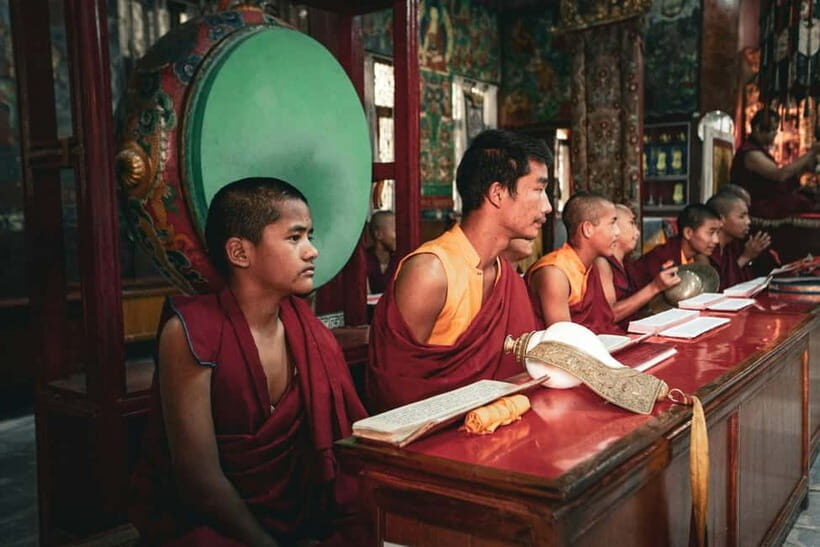
- Namgyal Monastery first, so the spiritual tone is set right away
- Nechung Monastery and the Nechung Oracle tradition for a distinctly Tibetan flavor
- Norbulingka Institute where craftspeople keep traditional arts going
- Gyuto Monastery focused on tantric rituals and monastic daily practice
- A nunnery visit at the end, with time for meditation and contemplative insight
- Hotel pickup and drop-off, so you can avoid transport stress
How a six-hour Dharamshala monastery route actually feels
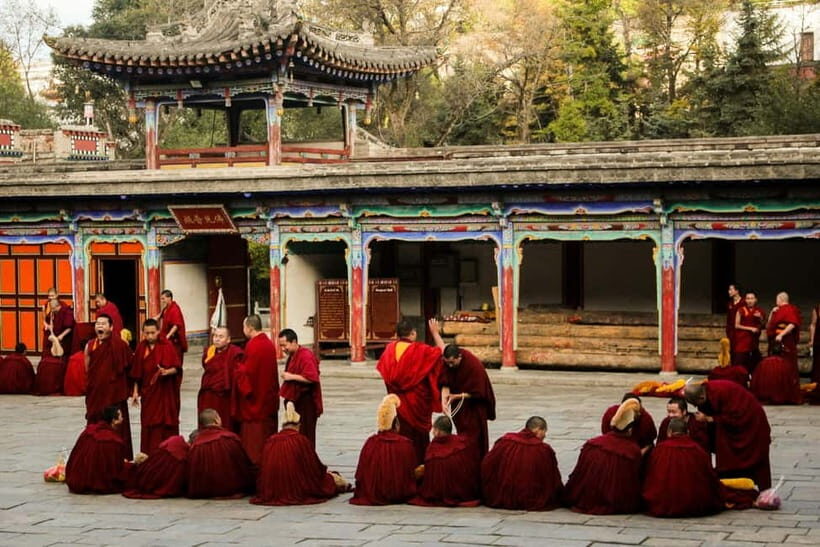
This tour is designed like a guided walk through Tibetan Buddhist life, not a single-theme museum stop. You’ll start with major spiritual ground, then move into different kinds of monasteries and cultural practice spaces, each with its own mood and purpose. Because it’s a private group format, the guide can pace you more like a conversation than a lecture.
The schedule mixes longer guided time with shorter orientation-style visits. That’s good for most people because you don’t get stuck in one place too long, but you also get enough time in key sites to see the religious art, understand the roles of monastics, and notice the rhythm of daily practice.
Also, this route is built to cover prominent monasteries around Dharamshala and McLeod Ganj. Even if you already visited one monastery before, you’ll likely spot big differences across traditions, architecture, and daily routines.
If you're still narrowing it down, here are other tours in Mcleod Ganj we've reviewed.
Dalai Lama Temple and Office: setting the tone before you wander
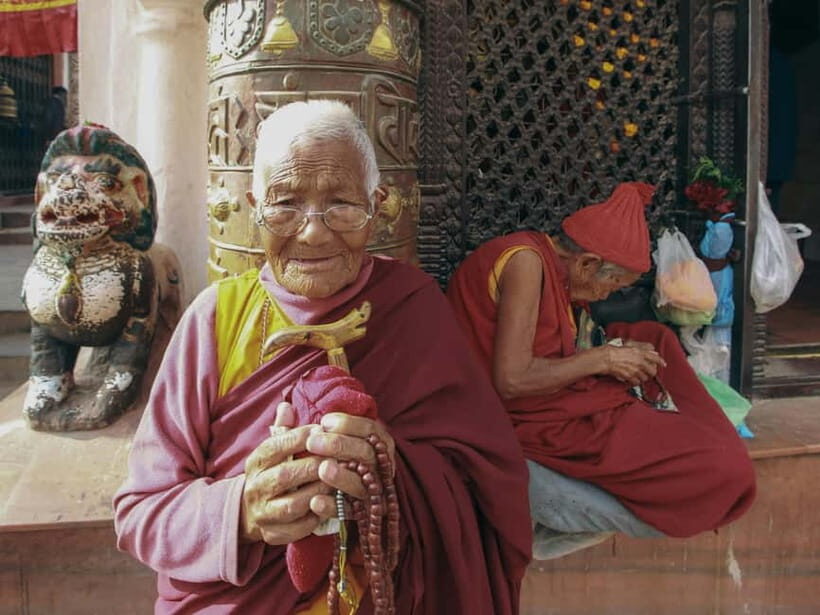
One of the early blocks of the day is time at the Dalai Lama temple / Office of H.H. the Dalai Lama, paired with a short visit to the Kalachakra temple. Think of this as context time: you’re learning what the spiritual center means locally before you step into monastery compounds.
You’ll have about 1 hour here, which is long enough for a guided look without feeling rushed. And that small 15-minute Kalachakra stop can be useful because it helps you see how multiple traditions show up in the same region of Tibetan Buddhist practice.
The practical side: temples and offices usually require a bit of quiet, slower behavior than regular sightseeing. You’ll want to dress modestly and be ready for short stretches where you just stand, look, and absorb.
Namgyal Monastery: the Dalai Lama’s spiritual seat
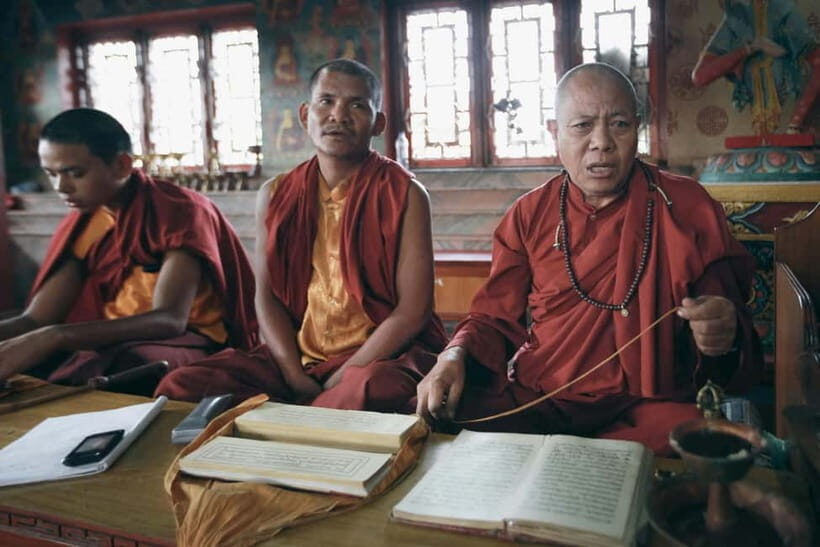
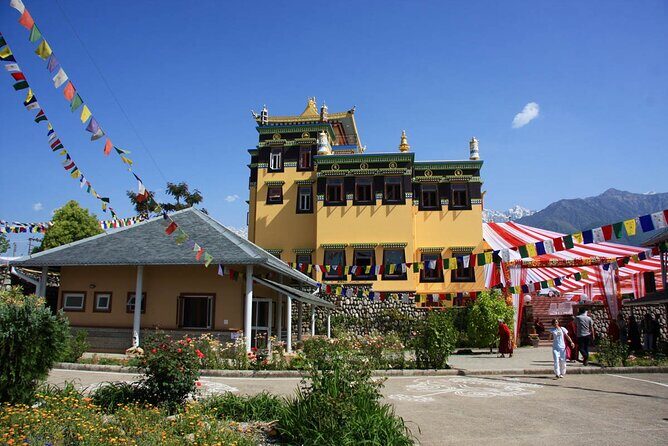
The tour’s spiritual kickoff is Namgyal Monastery, described as the personal monastery of the Dalai Lama. This is the kind of place where the atmosphere changes the moment you enter—less sightseeing mode, more respect mode. You’ll explore tranquil halls and vibrant Tibetan art, with the guide explaining what you’re seeing as you go.
What I like about leading with Namgyal is simple: it gives you a “why” before the “what.” After you get that foundation, later monasteries won’t feel like separate buildings; they’ll feel like different expressions of the same living tradition.
A realistic expectation: you won’t do everything at once. Time is limited, so you should focus on the guided cues that explain symbols, roles, and the purpose of the spaces you’re walking through.
Nechung Monastery and the Nechung Oracle tradition
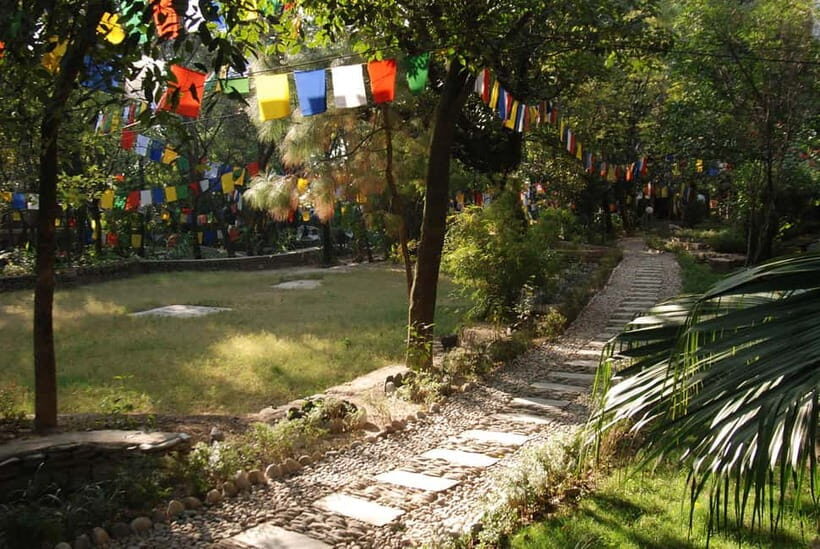
Next up is Nechung Monastery, a key stop for Tibetan tradition connected to the Nechung Oracle. The tour frames this site as steeped in ancient practices, and your guide should help translate the meaning behind what’s done here.
You’ll typically get about 30 minutes for Nechung. That’s enough to take in the setting and understand the tradition without expecting a long, dramatic performance. The value is the guided explanation of how spiritual practice can be both religious and cultural—something the Tibetan community continues through generations.
If you’re someone who likes spiritual history more than photo opportunities, this is a high-value stop. You’ll leave with clearer context for why some monasteries are known for teachings, others for rituals, and others for traditions connected to guidance.
Dip Tse Chok Ling: calm practice in a nature setting
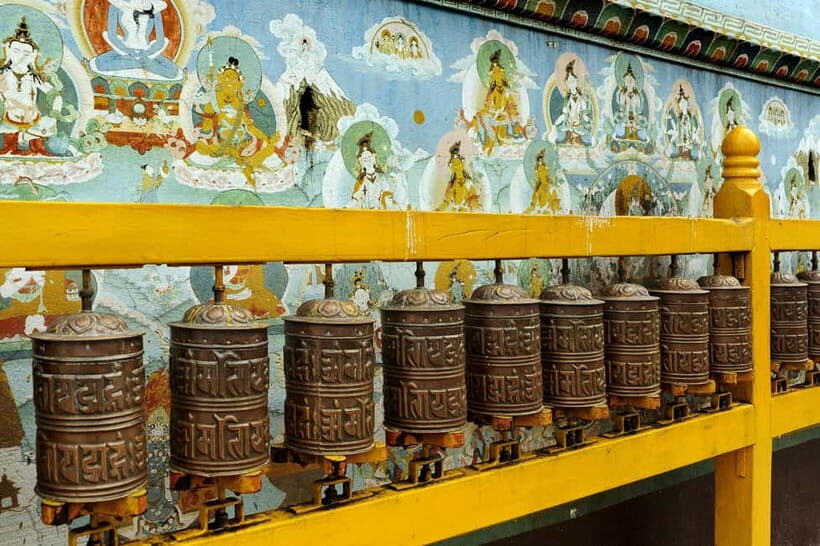
The itinerary also includes Dip Tse Chok Ling Monastery, described as a serene retreat amid nature. This stop tends to feel different from the more institutional monasteries because the point is quiet and meditation-focused atmosphere.
This is the kind of place where you can slow down without feeling like you’re wasting time. Even when your guided windows are shorter, the atmosphere encourages you to look, listen, and be less rushed.
A small practical note: monasteries can mean uneven ground, steps, and changing light from sun to shade. Comfortable shoes matter here more than they do in flat tourist areas.
Norbulingka Institute: traditional arts you can actually see
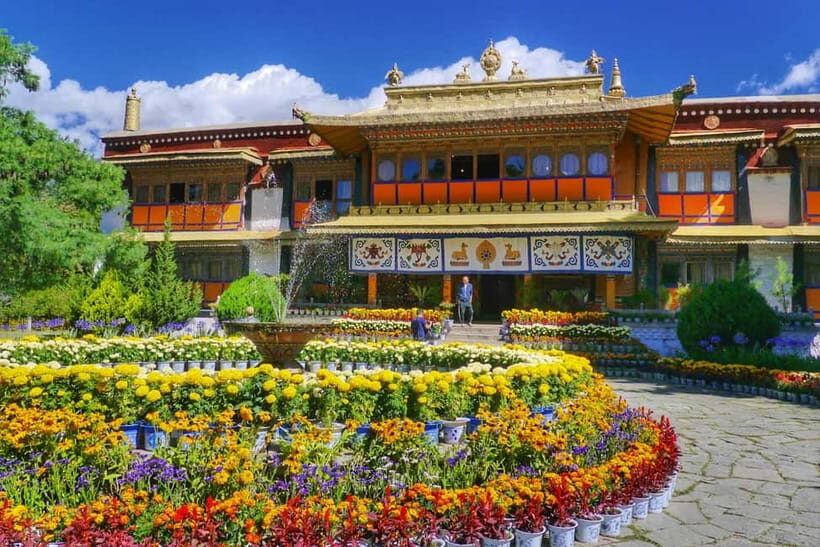
Norbulingka Institute brings in another angle on Tibetan culture: living crafts and cultural preservation. You’ll spend about 1 hour, with time to wander through lush gardens and see artisans preserving traditional arts and crafts.
I like this stop because it turns your brain from religious symbolism to human work. Monasteries teach and practice; institutes like this also keep knowledge alive through skills—what gets carved, painted, repaired, and passed on.
If you enjoy cultural continuity, this is a great counterbalance to the more strictly ceremonial feel of some monastery spaces. It also gives you a break where you’re still learning, but you’re not only in religious halls.
Gyuto Monastery: tantric rituals and daily monastic life
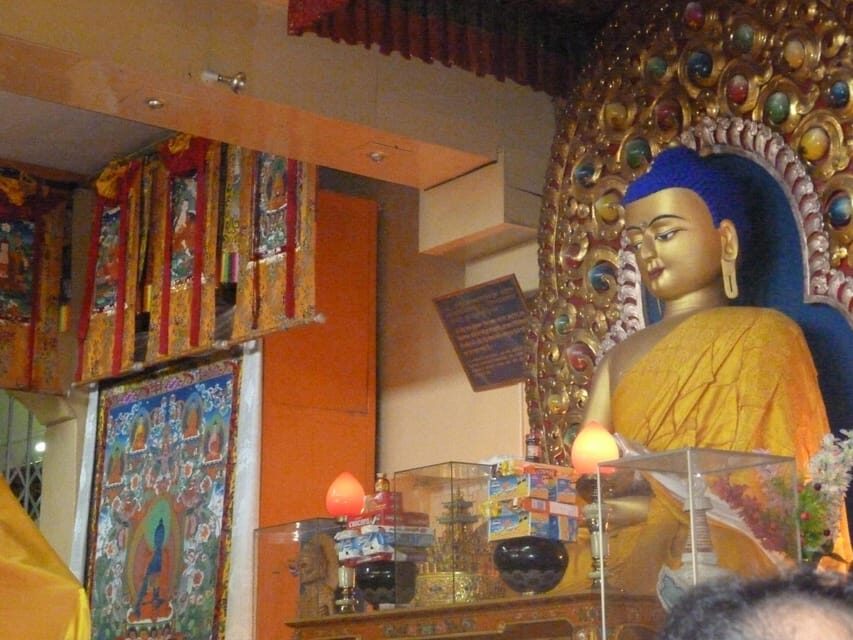
One of the most intense spiritual stops on the day is Gyuto Monastery, known for tantric rituals and teachings. You’ll have about 1 hour here, and the tour is set up so you can observe monks in their daily practices while soaking in the quiet seriousness of the place.
This is a good match if you want to understand that Tibetan Buddhism isn’t only chanting in silence. Tantric traditions involve specific teachings and structured ritual practice, and your guide should help you connect what you see with the broader framework.
One thing to plan for: tantric-related spaces can feel formal and focused. You’ll want to keep your posture respectful, hold back on flash photography, and let the guide lead so you don’t miss the meaning behind the details you notice.
Thosamling/Dolmaling Nunnery: meditation and contemplative life
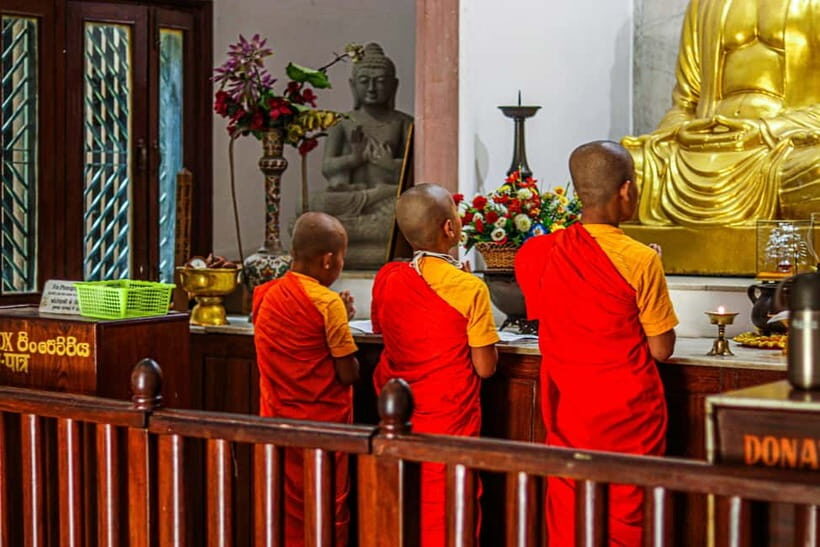
The day ends with a nunnery stop, listed as Thosamling Nunnery in the tour description and Dolmaling Nunnery in the schedule. Either way, the intent is the same: a tranquil sanctuary for Tibetan nuns, with a chance to participate in meditation sessions and hear insights into contemplative lifestyle.
This closing stop is valuable because it shifts your view from the male monastic institutions you might associate with Buddhism. You get a fuller picture of community roles—teachers, practitioners, caretakers, and students of contemplation.
It also tends to work emotionally as a finale. By the time you reach the nunnery, your brain has already gathered religious context from earlier sites, so the final stop can feel more grounded than overwhelming.
Price and logistics: value for a packed spiritual day
At $54 per person for about 6 hours, the value depends on what you hate doing on trips. If you dread coordinating transport and you prefer a guide to help you interpret what you’re seeing, this tour is easy to justify.
What’s included that you’d otherwise spend time managing:
- Hotel pickup and drop-off
- A local English-speaking professional guide
- Water bottle
- Coverage of prominent monasteries around Dharamshala and McLeod Ganj
- All taxes
What’s not included:
- Meals
- Monument fees (if applicable)
Also, because meals aren’t included, you’ll want to think about lunch the night before. If you’re the kind of person who gets hangry in quiet places, don’t leave it to chance. The good news is the itinerary timing includes substantial guided blocks, so you’re likely to have some window to sort food without losing the entire day.
The other logistics factor is pace. Even with a private group, the day is compact, with multiple stops that each ask for short guided time. If you want slow travel, you may wish you had a full day just for one monastery. But if your goal is breadth and context, this route makes strong sense.
What to ask your guide (and what to pay attention to)
Your guide is a key part of the payoff, and the tone matters. Feedback highlights that Onkar is patient and willing to answer questions, even when you want to slow down at particular spots. That’s exactly how you should use the time: ask what a symbol means, how monastic roles work, and why this site matters in the local Tibetan community.
Here are a few smart things to watch as you go:
- How spaces are labeled and used (teaching rooms vs. practice spaces)
- The difference between a monastery’s purpose and an institute’s purpose
- How ritual-focused sites like Gyuto contrast with meditation-leaning retreats like Dip Tse Chok Ling
- How craft preservation at Norbulingka supports religious culture in everyday life
- How the nunnery experience changes your understanding of monastic community
If you’re visiting during cooler months, temperatures can swing. Keep your layers in mind so you can focus on the day rather than on feeling cold.
Respectful visiting tips that make the day better
These monasteries are not just scenic stops, and your behavior matters. Even when you’re excited, keep your voice low and move carefully. Dress modestly, avoid loud phone calls, and follow whatever photo guidance the guide or staff shares on the ground.
Since you’ll be doing multiple entries in one day, build a simple routine:
- Wear shoes you’re comfortable walking in for stairs and uneven paths
- Bring a small water bottle plan since water is included but breaks are short
- Keep your phone charged but use it thoughtfully, especially in focused areas
A last tip: if you’re sensitive to silence, treat it as part of the experience. These are places where quiet is part of the teaching.
Should you book this Dharamshala monasteries tour?
I think this tour is a great fit if you want a structured, high-context introduction to Tibetan Buddhist monasteries in Dharamshala and McLeod Ganj without spending your vacation time figuring out logistics. The blend of Namgyal Monastery, Nechung Monastery, Norbulingka Institute, Gyuto Monastery, and a nunnery stop gives you variety in purpose: teaching, ritual, crafts, and contemplative life.
Skip it (or pick a slower alternative) if you’re the type who needs long breaks, meals built in, and big stretches of free time. This is a full day of meaningful stops, but it’s still a schedule. Bring patience, dress for walking, and let the guide do their job.
If you like clear explanations and you want your monasteries visit to feel connected, book it.
FAQ
What is the duration of the Dharamshala monasteries tour?
The tour lasts about 6 hours.
Where does the tour start and end?
Pickup and drop-off are from your hotel in Dharamshala, and the tour returns to Dharamshala at the end.
Is the tour guided in English?
Yes. The tour includes a local English-speaking professional guide.
Is this tour private or shared?
It’s a private group.
Which monasteries and cultural stops are included?
The tour covers Namgyal Monastery, Nechung Monastery, Dip Tse Chok Ling Monastery, Norbulingka Institute, Gyuto Monastery, and a nunnery stop (listed as Thosamling Nunnery / Dolmaling Nunnery on the schedule). It also includes the Dalai Lama temple/office and the Kalachakra temple.
Are meals included in the price?
No. Meals are not included.
Are monument fees included?
No. Monument fees are not included.
What’s included besides the guide?
Pickup and drop-off from your hotel, a water bottle, all taxes, and guided access to prominent monasteries are included.
Is there free cancellation?
Yes, you can cancel up to 24 hours in advance for a full refund.