Shimla reads better on foot. This private guided walk focuses on colonial-era architecture and the everyday stories tied to it, moving at a relaxed pace from Christ Church to the Indian Institute of Advanced Study (IIAS).
I especially like the local guide storytelling, often with vivid anecdotes and place-specific context that make buildings feel personal. I also like the slow, scenic rhythm—enough time to pause, look closely, and take photos instead of rushing from one stop to the next. One thing to consider: admission tickets aren’t included, so you’ll mostly see many sites from the outside and won’t enter attractions that require paid entry.
In This Review
- Key highlights to look for on this Shimla colonial trail
- Why this Shimla walking tour feels different than a quick photo loop
- Starting outside Christ Church: the colonial chapter begins here
- Ridge Road and Scandal Point: where Shimla’s roads start making sense
- Telegraph heritage on the Mall: the BSNL office story
- Bantony Castle and Kalibari Temple: castles and local legend in the same breath
- Railway Board building: cast iron, steel, and a fire-resistant idea
- Gorton Castle and the feel of “craftsmanship”
- CPWD Office and the shift toward civic buildings
- Vidhan Sabha Chowk and the Oberoi Cecil: past meets present at speed
- All India Radio Centre: 1955 and the city’s communications story
- Finishing at IIAS: the walk’s endpoint becomes a research landmark
- Pacing, private comfort, and what you’ll actually get in 2 hours
- Guides and storytelling: why the human factor is the real value
- Price reality check: $16.67 per person for a guided walk that covers the core corridor
- Who should book this Shimla colonial trails walk
- Should you book this private guided colonial walk?
- FAQ
- How long is the Shimla private guided walk?
- Where does the tour start?
- Where does the tour end?
- Is this a private tour?
- What’s included in the price?
- Are admission tickets included for stops?
- What ticket format do I get?
- How far in advance is this usually booked?
- Can I cancel for a refund?
- Will I get confirmation after booking?
Key highlights to look for on this Shimla colonial trail
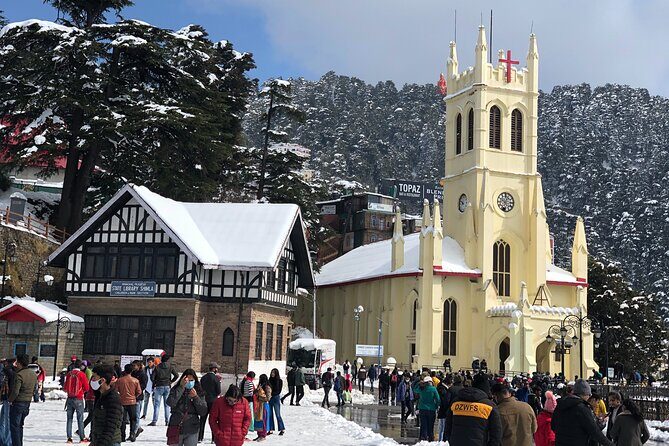
- Christ Church start point: a major landmark right on Shimla’s Ridge area.
- Ridge Road and Scandal Point: the classic open-space meeting of roads and viewpoints.
- Colonial buildings in plain sight: the red-brick telegraph heritage, a cast-iron/steel Railway Board building, and multiple heritage structures.
- Kali Bari Temple and the city name link: a stop that connects local legend to Shimla’s identity.
- A private tour with a real person on the ground: local English, Hindi, and Pahari speaking guidance.
- Finish at IIAS: a clear endpoint near Chaura Maidan area, with the guide dropping you at the main entrance.
Why this Shimla walking tour feels different than a quick photo loop
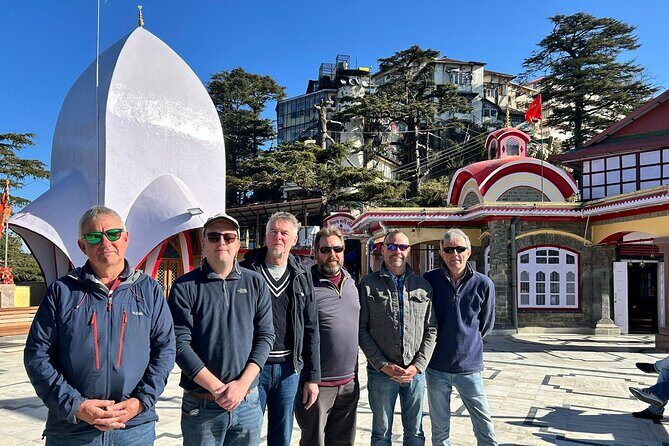
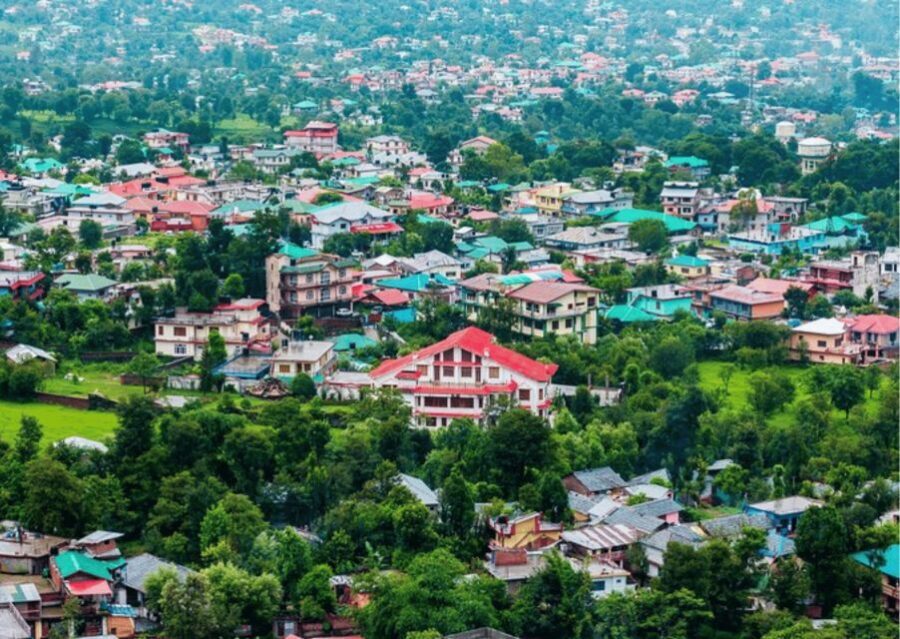
A walking route through Shimla’s central areas turns what looks like random sights into a connected story. You get a sequence: church, open Ridge space, road junction viewpoint, colonial offices, heritage castles, government landmarks, and then a research institute ending point.
This format is built for people who want orientation fast. If you’re visiting Shimla for the first time, you’ll understand where key places sit relative to the Mall/Ridge corridor—and you’ll also learn why the colonial-era buildings feel so intentional in design and placement.
The price also works out well for the time you get. At $16.67 per person for about 2 hours, you’re paying for a guided walk plus local context—without the cost and time of a longer transport-heavy day.
A few more Shimla tours and experiences worth a look


Starting outside Christ Church: the colonial chapter begins here
Your tour starts outside Christ Church on Shimla’s Ridge area. It’s described as the second oldest church in North India after St John’s Church in Meerut, which gives you an immediate sense of how long this hill station has been shaping its own institutions.
Worship is conducted in Hindi and English, and the guide points you toward the church’s role in a multi-language city. There’s also a named local connection mentioned for the current clergy (Rev. Sohan Lal), which adds a human touch beyond just architecture.
Practical note: you’ll be at the church area briefly (about 5 minutes), so come with comfy shoes and be ready to walk right away. Admission isn’t included, but the goal here is orientation and story-setting.
Ridge Road and Scandal Point: where Shimla’s roads start making sense
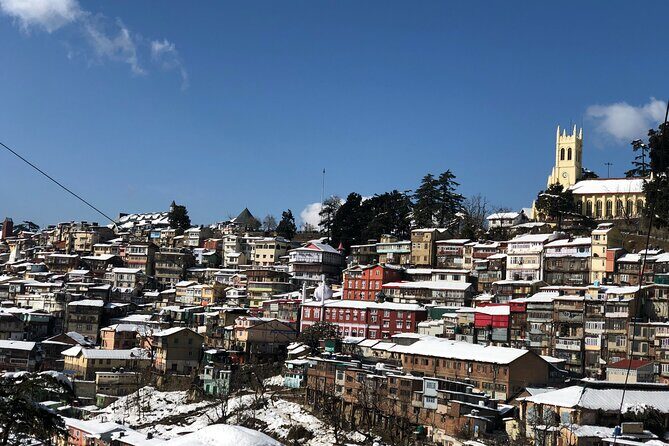
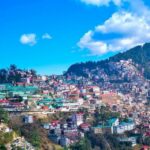
Next you move onto The Ridge, a large open space in the center of Shimla. This is one of those places where a short stop pays off because you can actually see the geography of the area—why people gather here, and how the city spreads from it.
From there, you hit Scandal Point, described as where the Mall Road joins Ridge Road on the west side. Even if you don’t know the lore beforehand, this junction matters. It’s the kind of spot where views and movement intersect, so the guide can connect the “what” (the roads) with the “why” (the city’s colonial-era planning and later social life around it).
Both Ridge and Scandal Point are quick stops (around 5 minutes and 1 minute, respectively). The timing is intentional: you’re getting snapshots, not sitting through lectures.
Telegraph heritage on the Mall: the BSNL office story
A key exterior stop is the BSNL Office Shimla, a red brick Telegraph Office designed by Scottish architect Scott Begg in 1922. This is a great example of how colonial infrastructure wasn’t just functional—it became visual. The guide can tie the building’s style to the wider period when communication networks were being formalized in hill stations.
You’re only there briefly (about 5 minutes), and admission isn’t included anyway. That’s fine here. The value is in noticing details you might otherwise skip, like the brick-and-form look and the fact that the building is tied to a named foreign architect and a clear year.
Bantony Castle and Kalibari Temple: castles and local legend in the same breath
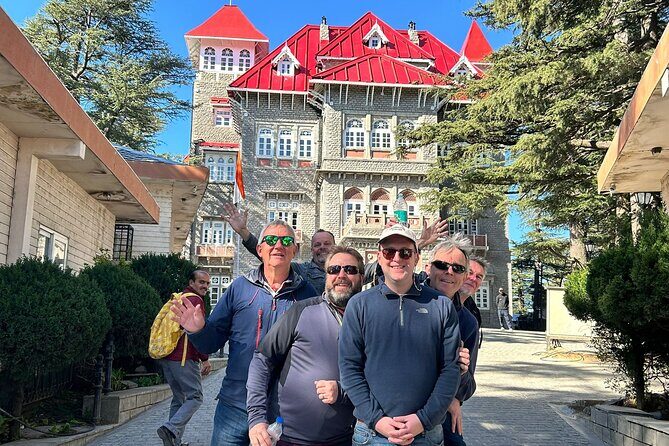
At Bantony Castle, you’re in a heritage setting with direct royal context. It’s located on the Kalibari road, just a short distance from Scandal Point, and is described as the summer palace of the Maharaja of Sirmaur, built in the 19th century.
The castle stop is short (around 5 minutes), so you’ll want to focus on what the guide emphasizes: how power, seasons, and architecture blended in a hill station climate.
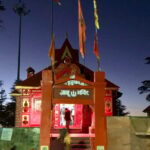
Then you move to Kali Bari Temple, Shimla—on Bantony Hill—where the story shifts from royal summer living to local spiritual identity. The temple is dedicated to the reincarnation of Goddess Kali, known as Shyamala, and Shimla’s name is linked to that tradition. This is one of the few stops where the tour’s “colonial trails” theme takes a sideways turn—on purpose. Shimla wasn’t only shaped by imported designs; it’s also shaped by place-based belief and naming.
The stop is quick and often very memorable because it gives you a different lens on the city. If you’re the kind of person who likes meaning behind names and symbols, don’t rush your few minutes at Kalibari.
A few more Shimla tours and experiences worth a look
Railway Board building: cast iron, steel, and a fire-resistant idea
The walk continues to the Railway Board Building, built in 1896. It’s described as the first of its kind in India, made mainly from cast iron and steel, and designed to resist fire. That combination—industrial materials plus a safety goal—tells you a lot about the priorities of the era.
You’ll spend about 5 minutes here. Since admission isn’t included, you’re not depending on an indoor visit. Instead, you’re learning how to read the structure like a historical document: year, materials, purpose.
Also, this is the kind of stop where a good guide makes a short exterior moment feel longer. The more they connect it to the broader “why Shimla developed the way it did,” the more this becomes more than just a photo background.
Gorton Castle and the feel of “craftsmanship”
Next is Gorton Castle, described as a heritage monument blending innovative minds and intelligent craftsmanship. The tour doesn’t load you with paperwork here. It’s about getting your eye in—seeing the architectural mood and how these structures relate to the surrounding area.
It’s an extremely brief stop (around 1 minute), so I recommend using that window for one simple task: look for shape, detail, and how it sits in its setting. If you do that, the guide’s comments land better and you’ll remember it later.
CPWD Office and the shift toward civic buildings
Your route then reaches the CPWD Office (public works context). You get a timeline detail here: in 1819, Lieutenant Ross, Assistant Political Agent in the hill states, set up a wood cottage in Shimla. A few years later, his successor and Scottish civil servant Charles Pratt Kennedy built the first “pucca” structure mentioned in the description.
Even though you’re not standing at a massive museum door, this stop is useful because it connects governance and building evolution. A lot of colonial planning shows up in these quieter civic-adjacent locations, not only in the grand landmarks.
Spend the 5 minutes you’re allotted noticing how the story pivots from castles and churches to state-building work.
Vidhan Sabha Chowk and the Oberoi Cecil: past meets present at speed
After the CPWD stop, you move to Vidhan Sabha Chowk, where the Himachal Pradesh Legislative Assembly (Vidhan Sabha) is located. The description notes it’s a unicameral legislature. It’s quick (about 1 minute), but it’s a useful reminder: Shimla’s colonial-era buildings didn’t freeze time. The city kept evolving, and government functions continued in the same central corridors.
Then you pass the Oberoi Cecil, Shimla, described as a historic luxury hotel. You don’t linger long (about 5 minutes), and admission isn’t included—but hotels like this often sit inside the same historic development zones. The guide’s job here is to help you connect the dots without turning the walk into a long lecture.
All India Radio Centre: 1955 and the city’s communications story
Mid-route, you also reach the All India Radio Centre, set up in Shimla in 1955. This stop matters because it ties neatly into earlier communication references on the tour, like the Telegraph Office.
It’s a brief mention (no long time budget listed), but the idea is clear: Shimla stayed important for broadcast and communication long after the earliest colonial infrastructure period.
If you like seeing continuity across decades, this short stop is a nice “bridge” moment.
Finishing at IIAS: the walk’s endpoint becomes a research landmark
The tour ends at the Indian Institute of Advanced Study (IIAS), Shimla. It’s a research institute set up by the Ministry of Education, Government of India in 1964, and it began functioning on 20 October 1965.
You’ll spend around 15 minutes here, and your guide will drop you outside the main entrance. No admission tickets are listed as included, so treat this ending as a final story-and-look stop rather than a long inside visit.
This finish point is clever for two reasons. First, it gives you a modern purpose for the last steps of the day. Second, the institute sits in the broader Chaura Maidan area, which makes it easier to plan your next move—coffee, a short rest, or continuing sightseeing.
Pacing, private comfort, and what you’ll actually get in 2 hours
This is a private tour/activity, meaning only your group participates. That matters more than you might think. A local guide can adjust the pace to your questions, your photo habits, and how much you care about architectural detail versus cultural context.
The tour is about 2 hours, so it’s ideal for:
- your first morning or afternoon in Shimla,
- a light day when you still want serious context,
- anyone who prefers walking with stops over bus trips.
What you won’t get is long museum-style entry time. Since admission tickets aren’t included, and the tour notes you won’t enter attractions that require admission, the experience stays focused on exterior scenes and guide-led explanation.
For the best experience, you’ll enjoy it most if you’re the type of person who likes to listen while walking. If that’s your style, you’ll probably love how the guide turns quick segments into memorable moments.
Guides and storytelling: why the human factor is the real value
One of the most praised parts of this tour is the way the guide tells the story. I like that the tour is built around being with a local expert and hearing the city through someone who lives there—not just someone who reads a script.
In the feedback tied to this tour format, guides like Preeti and Pawan Sharma come up repeatedly for English delivery and passion in storytelling. People also highlight that the guide waits when schedules slip, including being patient if someone arrives late, and that there can be room for a quick coffee stop without derailing the route.
That kind of flexibility makes the walk feel human. You’re not being dragged through a fixed checklist.
Price reality check: $16.67 per person for a guided walk that covers the core corridor
At $16.67 per person for about 2 hours, this tour is priced like a value-first experience. You’re paying for a guided route that hits key Shimla landmarks along the central colonial corridor, with a local guide who speaks English, Hindi, and Pahari.
If you were to hire a private guide on your own without the structure, you’d likely pay more. If you were to do this self-guided, you’d miss the connective tissue: the named architects (like Scott Begg), the specific years (like 1922 and 1896), and the “why this place matters” explanations that turn buildings into a timeline.
The only cost you might feel is optional spending on the side, since admissions aren’t included and you’re free to add snacks or coffee on your own.
Who should book this Shimla colonial trails walk
I’d book it if you want:
- a first-time Shimla orientation with history tied to real streets,
- a walk-focused activity rather than a long day tour,
- a private guide who can answer questions on the spot.
You might skip it if you mainly want ticketed museum interiors or long indoor visits. This walk is designed for short exterior stops with strong storytelling.
Should you book this private guided colonial walk?
If you’re aiming to understand Shimla beyond postcard views, this is one of the better ways to do it. You get a connected route—from Christ Church through Ridge, the colonial office buildings, heritage castles, and temple significance—ending at IIAS.
Book it if you like walking with a guide, asking questions, and making the most of a 2-hour window. Bring comfortable shoes, keep expectations realistic about no paid-entry attractions, and you’ll likely leave with a much clearer sense of how Shimla’s colonial-era identity was built—and how it still shows up today.
FAQ
How long is the Shimla private guided walk?
The tour runs for about 2 hours.
Where does the tour start?
The meeting point is outside Christ Church, Shimla, at the Ridge to US Club area on The Mall.
Where does the tour end?
The tour ends at the Indian Institute of Advanced Study (IIAS), Shimla, with the guide dropping you outside the main entrance.
Is this a private tour?
Yes. It’s listed as a private tour/activity, so only your group participates.
What’s included in the price?
Included items are a local English, Hindi, and Pahari speaking guide, the walking tour, a one-way walk from Christ Church to IIAS, and the guide’s local conversation and gossips as part of the experience.
Are admission tickets included for stops?
No. Admission tickets are not included, and the tour notes you won’t enter attractions that require admission.
What ticket format do I get?
You receive a mobile ticket.
How far in advance is this usually booked?
On average, it’s booked about 30 days in advance.
Can I cancel for a refund?
Yes, there is free cancellation. You can cancel up to 24 hours in advance for a full refund.
Will I get confirmation after booking?
Yes. Confirmation will be received at the time of booking.