Indrahar Pass feels like a switch flicks from town life to high-mountain travel. You start in the Dharamshala area, hike up through classic viewpoints like Triund, then push onward toward the 4,342-meter pass in the Dhauladhar range. It’s a good easy-to-moderate option for people who want a real summit-style day without needing technical climbing.
Two things I really like about this trek are the way it’s structured around big scenery at sensible points, and the fact that your food and tents are handled for you. You get coffee/tea, breakfast, lunch, dinner, plus snacks, which matters when you’re climbing high and your energy needs to be steady.
One drawback to think about: this route and altitude can mean cold, wind, and sometimes snow conditions. One past group flagged that they felt the pre-trek gear expectations didn’t match the reality, so I’d take weather seriously and plan your own cold-weather readiness instead of assuming you’ll be fully equipped on short notice.
In This Review
- Key highlights you’ll actually feel on the trail
- From McLeodganj to Triund: the easy start that sets expectations
- Triund to Lahesh Cave via Laka: where the trail gets more character
- Lahesh Cave to Indrahar Pass: the ridge work you’ll remember
- A balanced safety note
- Camp life included: tents, hot food, and the kind of relief you earn
- What camp comforts can’t fix
- Guides and group size: what a max of 21 really means
- Price and value: why $108.15 can be more than it seems
- Route rhythm: what each day segment is really doing for you
- Who should book this trek (and who should think twice)
- Should you book Indrahar Pass with Manu Adventures India?
- FAQ
- How long is the Indrahar Pass trek?
- Where does the trek start and when?
- What’s included in the price?
- What is not included?
- How many people are in a group?
- What conditions does the trek depend on?
Key highlights you’ll actually feel on the trail
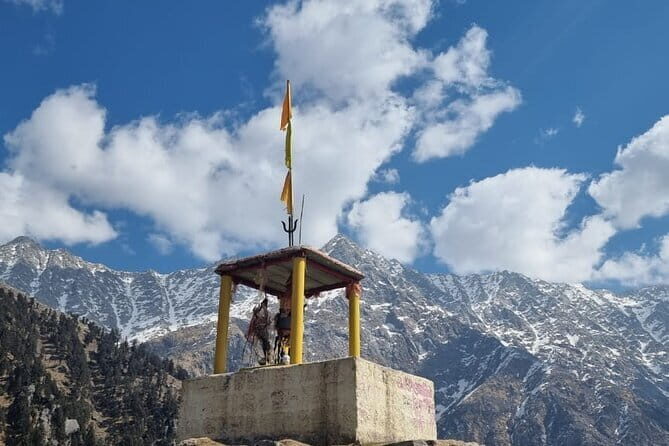
- Triund views first: A clear payoff early on, starting from McLeodganj via Dhramkot and Galu Devi.
- Lahesh Cave adds variety: You shift from meadow walking to rockier ground with cave-area terrain.
- Indrahar Pass at 4,342 m: High enough to feel the altitude effort, with the pass marking the Kangra–Chamba border.
- Meals remove stress: Coffee/tea, breakfast, lunch, dinner, and snacks are included—less decision fatigue for you.
- Small-group feel (max 21): You’re not lost in a huge herd.
- Guides matter here: People specifically praised expert guidance and route adjustments when weather changes (including names like Anil and Manu in past groups).
From McLeodganj to Triund: the easy start that sets expectations
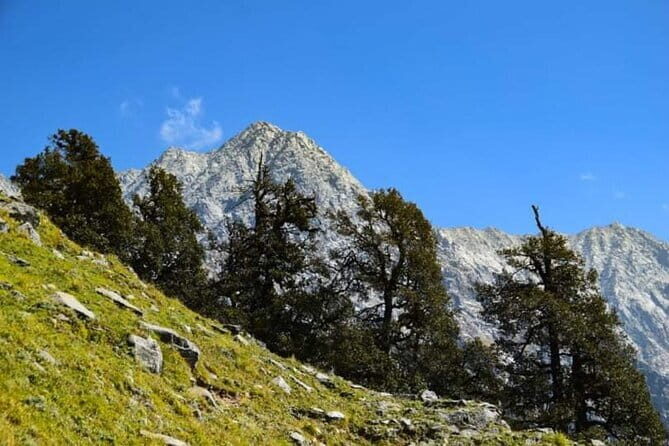
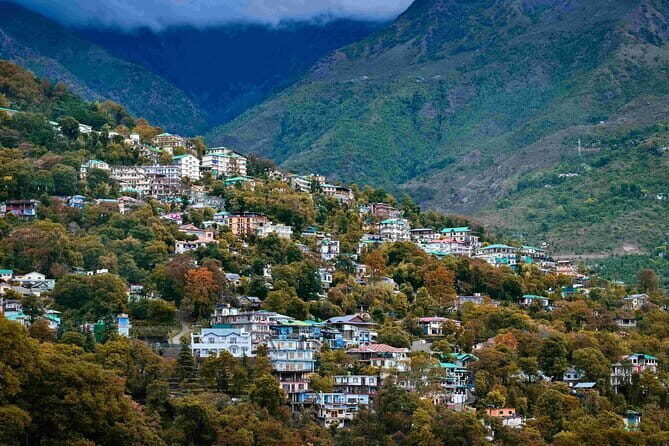
You begin near Dharamshala, in the McLeodganj area—home turf for Tibetan culture and the Dalai Lama’s seat. The trek’s first leg pulls you out of the town vibe and into the Himalayan rhythm, starting from McLeodganj and hiking toward Triund (2,875 m).
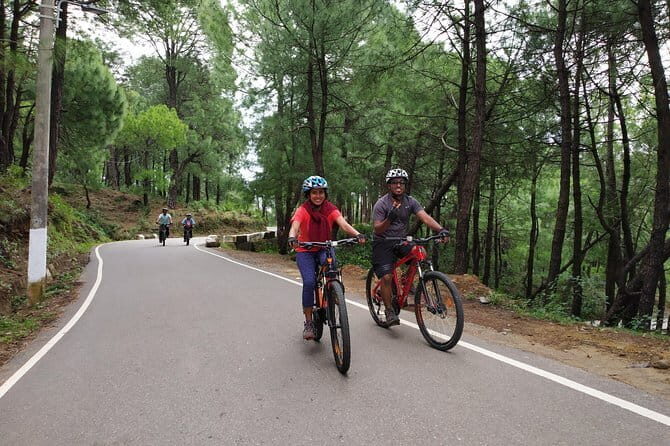
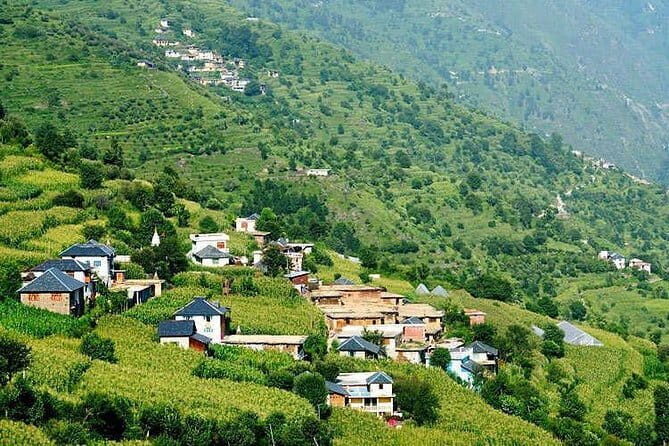
The route goes through Dhramkot village and past Galu Devi, which helps break up the climb. You’re not just walking “up, up, up.” You’ll get small landscape changes, local life along the way, and a gradual ramp toward bigger views. This is one reason the trek works for the easy-to-moderate label: the effort feels steady rather than like a sudden wall.
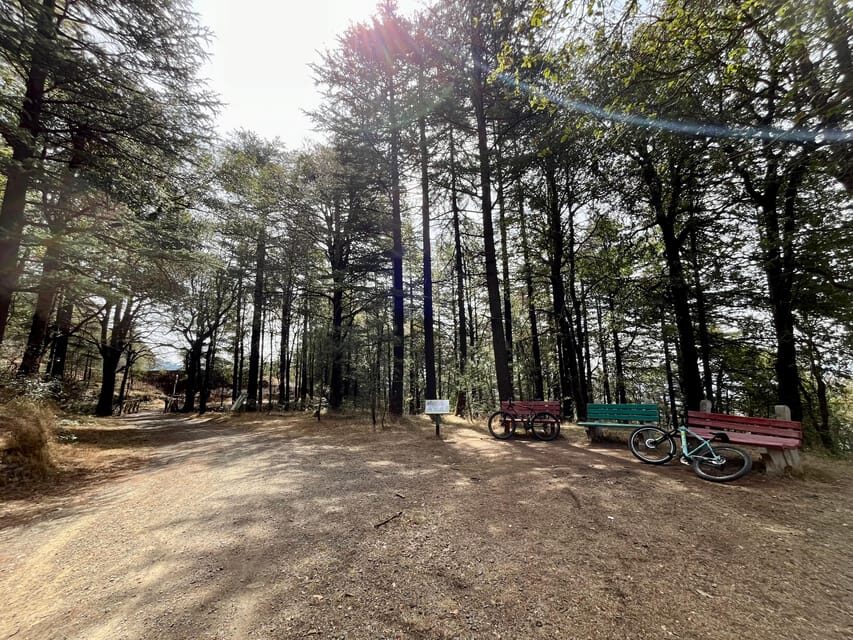
The Triund moment is your first real emotional reward. If you’re the type who likes to earn views (not just stumble into them), Triund is a great place to regroup, take photos, and reset your legs for the next day. Practical note: at that elevation, it can cool down quickly, even if it feels warm when you start.
If you're still narrowing it down, here are other tours in Dharamsala we've reviewed.
Triund to Lahesh Cave via Laka: where the trail gets more character
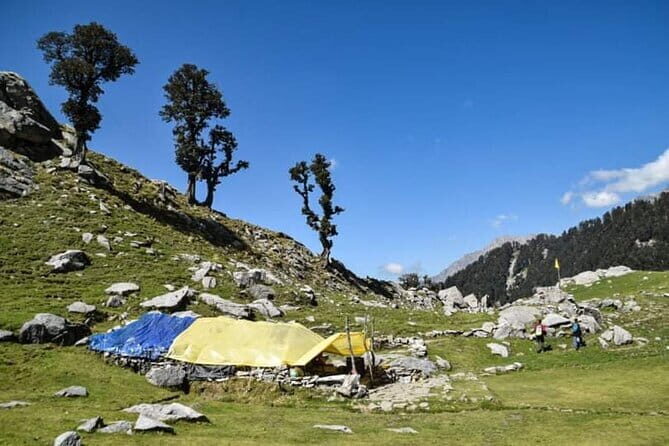
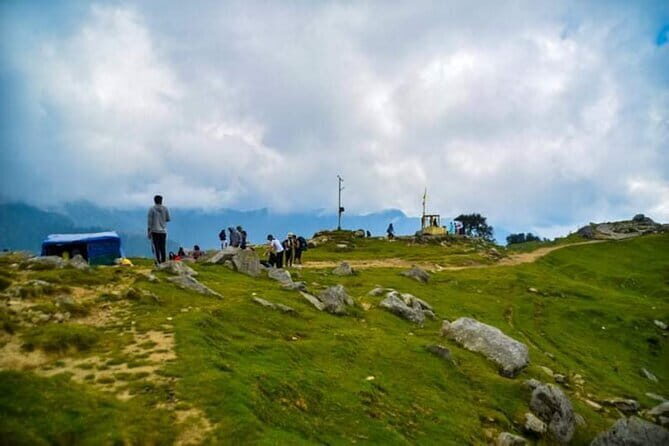
After Triund, you continue toward Lahesh Cave, traveling via Laka. The trail includes a meadow area scattered with boulders, which is fun in a different way than forest trails. It also means your steps won’t always feel smooth, so go slow and don’t let your stride get lazy.
This part matters because it changes the texture of your trekking day. Earlier, you’re building rhythm. Here, you’re learning how the ground behaves—rocks, uneven footing, and a trail that asks for careful placement. You’ll likely feel it most when you’re tired, so the best move is simple: keep your pace controlled, drink water regularly, and don’t chase other people’s speed.
And then there’s Lahesh Cave. The cave-area stretch adds a memorable “destination” feel to the day, not just passing terrain. Even if you don’t treat it like a pilgrimage stop, it gives the hike structure. It’s also a useful base point in the overall route because it positions you for the more serious ridge travel toward Indrahar Pass.
Lahesh Cave to Indrahar Pass: the ridge work you’ll remember
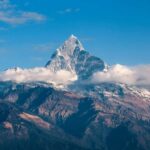
Indrahar Pass sits in the Dhauladhar range at 4,342 meters, and it forms the border between Kangra and Chamba districts. That’s a neat geographic detail, but the bigger takeaway is how the pass walk feels: more direct, more exposed in spots, and more about steady climbing over a ridge line.
From Lahesh Cave, the trail begins for the pass by walking over rocks on the North East face of the ridge. The guidance you get includes a specific reference: you keep the steep wall of Mon to your right. That kind of directional anchor matters because it helps you stay oriented when the trail narrows or the terrain looks similar from a few steps away.
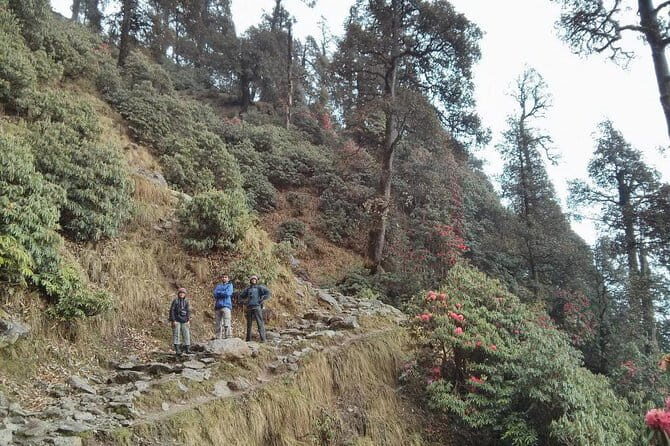
As you move onward, the route continues over the crest and you’ll meet several ascents. This is the part where an experienced guide becomes more than a nice-to-have. Past groups highlighted that expert guidance is key, and that’s consistent with how this section behaves: weather, visibility, and snow patches can change your footing quickly.
A balanced safety note
One negative note from a prior group involved concerns about snow readiness and the trekking conditions not matching what they expected. You can’t always predict weather, but you can protect yourself. If your trip falls in colder months or the forecast looks iffy, bring appropriate cold gear and consider traction gear you trust. Don’t assume every mountain problem will be solved by whatever’s on site.
Camp life included: tents, hot food, and the kind of relief you earn
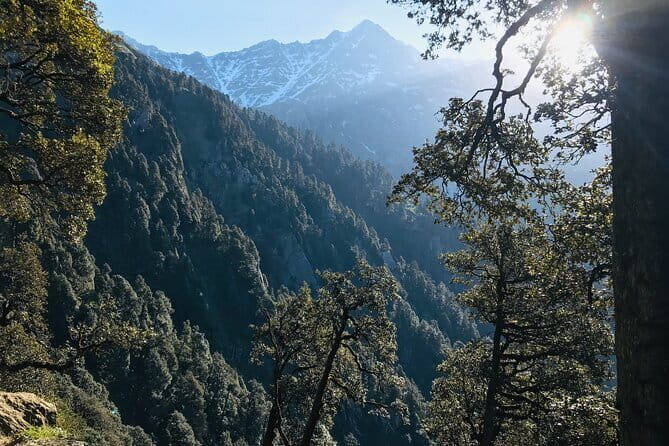
This trek includes tents and meals throughout your days on trail: coffee/tea, breakfast, lunch, dinner, plus snacks. That sounds basic until you’re actually at altitude, tired, and trying to plan food logistics. Having meals handled takes away the constant mental load, and it means your energy stays more consistent from day to day.
Past trekkers specifically praised the comfort and cleanliness of tents, calling out good quality setup. People also mentioned Indian hospitality and that the team looked after them above and beyond. In practical terms, that usually means you spend more time concentrating on the hike—and less time worrying about small problems like where your supplies are or whether everyone has enough to eat.
Other hiking tours in Dharamsala

What camp comforts can’t fix
Even with good camping, weather can still be tough. Cold nights, wind, and damp conditions are still your reality at height. So while tents and warm meals help a lot, you should still dress in layers and prepare for chilly conditions like a grown-up—because the mountains don’t negotiate.
Guides and group size: what a max of 21 really means
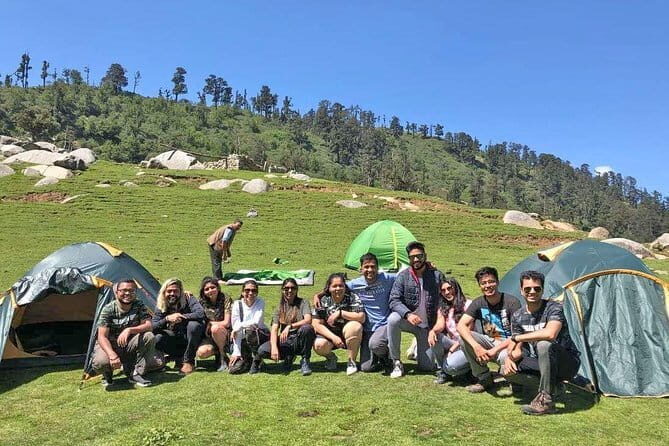
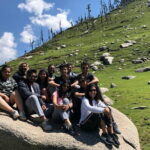
This is run as a guided experience with a maximum of 21 travelers. That size usually lands in the sweet spot: big enough to feel social, small enough that you’re not getting left behind in a trail train.
Guides are central here. One past group mentioned a guide named Anil adjusting the route mid-way due to weather. Another highlighted Manu as part of the team experience. I’d take that as a sign to expect flexibility. In mountains, a plan is a living thing, not a rigid script.
If you’re trekking solo or you just want confidence you’ll be handled, this kind of organization matters. Many people like the fact that staff are easy to reach by phone or WhatsApp, which helps when you’re coordinating your own schedule around the start time.
Price and value: why $108.15 can be more than it seems
At about $108.15 per person for a roughly 4-day trek (often discussed as 3 nights), the headline price looks simple. The real value comes from what’s included versus what’s not.
Included:
- coffee/tea, breakfast, lunch, dinner, snacks
- tents
- a guided trek setup across the main route segments
Not included:
- private transportation
So you’re paying for a lot of the expensive-in-energy parts: food at altitude and camping setup. If you’ve ever tried to self-plan a similar multi-day trek near Dharamshala, you know the cost isn’t only money—it’s time, mistakes, and uncertainty. This package reduces that uncertainty, especially if you’re new to Himachal hiking.
Just remember the one missing piece you’ll likely still need to solve: how you get to the meeting point and back on your own schedule. The trek itself ends back at the meeting point, but your private transport is your responsibility.
Route rhythm: what each day segment is really doing for you
Here’s the practical purpose behind the route flow, not just the geography.
Day 1 to Triund:
This day is about altitude buy-in. You’re moving from McLeodganj up to Triund through Dhramkot and Galu Devi, which gives you a gradual climb and early views. The goal is to finish day one not wrecked—so day two can feel demanding but not chaotic.
Day 2 to Lahesh Cave via Laka:
This section adds texture: meadow boulder walking, shifting ground, and the cave area as a meaningful stop. It builds your confidence on uneven terrain so you’re not surprised later.
Day 3 toward Indrahar Pass:
This is where the trek becomes more serious: rocks, ridge travel, and multiple ascents. The pass itself sits high, and you’ll feel it in your legs and breathing. This is also where guide navigation and weather judgment matter most.
Day 4 back to the meeting point area:
Your final day brings the relief of closing out the hike and returning to the Bhagsu Nag area. Ending back where you started keeps the logistics straightforward, which is a big deal when you’re traveling and carrying gear.
Who should book this trek (and who should think twice)
You’ll likely love Indrahar Pass Trek with Manu Adventures India if you:
- want a guided mountain experience in the Dharamshala region
- like early payoff views at Triund and a bigger push toward a high pass
- prefer meals and tents handled so you can focus on walking
- want a small group size (max 21) without feeling alone
You might think twice if you:
- are very sensitive to cold or uncertain weather
- expect the trek to feel “light” at 4,342 meters
- are relying on someone else to supply snow readiness tools
A good match is someone with strong physical fitness and realistic expectations. The experience also states that service animals are allowed, and it’s near public transportation, which can help if you’re not planning to hire a private car.
Should you book Indrahar Pass with Manu Adventures India?
If your goal is a well-run trek that gives you real mountain moments—Triund views, Lahesh Cave terrain, and the Indrahar Pass pass feeling—this looks like a strong choice. The included meals and tents are a real value boost, and the consistent praise for food, comfort, and staff care points to solid day-to-day execution.
My deciding advice: book if you’re ready to treat this as a real trek in the Himalayas, not a casual walk. Also, be proactive about cold-weather readiness. If you show up prepared and follow your guide’s pace, you’ll likely come away with that rare mix of satisfaction and scenery.
FAQ
How long is the Indrahar Pass trek?
It runs for about 4 days.
Where does the trek start and when?
The start is at Manu Adventures India, Bhagsu Nag, Dharamshala. Start time is 9:00 am, and the activity ends back at the meeting point.
What’s included in the price?
Included are coffee and/or tea, breakfast, lunch, dinner, snacks, and tents.
What is not included?
Private transportation is not included.
How many people are in a group?
There is a maximum of 21 travelers.
What conditions does the trek depend on?
This experience requires good weather. If it’s canceled due to poor weather, you’ll be offered a different date or a full refund.