Thomas Cook will sell you an 8N/9D Shimla-Manali-Dharamshala-Dalhousie tour from Delhi for around ₹35,000 per person on a 3-star, twin-sharing basis. Kesari runs a 7N/8D Shimla-Manali-Dalhousie-Amritsar with the same room class for ₹37,990. The HPTDC will hand you the same routing for under ₹20,000 if you book directly and don’t need an English-speaking tour manager. The price gap is the question this guide answers: what’s actually inside an operator package, when it’s worth paying the markup, and when you’re better off building the trip yourself.
Type “Himachal tour packages” into Google from anywhere in India and the first ten results are tour operators competing to sell you essentially the same trip. Thomas Cook, MakeMyTrip, Kesari, SOTC, Veena World, EaseMyTrip, Yatra, Thrillophilia, Bharat Booking, Trawell. Each of them lists between fifteen and forty Himachal itineraries. Almost all of them cover Shimla, Manali, and one or two of the secondary towns (Dharamshala, Dalhousie, Kasol). Almost all of them are sold from Delhi, Chandigarh, Mumbai, or with airfare add-ons from your home city. Almost all of them quote a starting price that is the lowest possible season, the lowest possible occupancy, and the lowest hotel category they can put on the page.
The answer to “which package should I book” depends on three things: how long you have, where you’re flying from, and whether you actually want to be on a fixed itinerary with a tour manager or whether you’d rather pick the rooms yourself. This guide walks through what’s on the market in 2026, what each duration actually covers, what the realistic per-person budget looks like for each tier, and where the operator package is the right choice versus where you’d save thirty per cent and have a better trip by booking direct.
In This Article
- What Tour Operators Are Actually Selling
- What Each Itinerary Length Actually Covers
- 4 Nights / 5 Days: Shimla and Manali Only
- 6 Nights / 7 Days: The Standard Triple
- 8 Nights / 9 Days: Adding Dharamshala or Dalhousie
- 10-12 Nights: The Full Circuit or Spiti
- Honeymoon and Couple Packages
- The Real Per-Person Price, by Tier and Season
- What’s Actually Included (and What Isn’t)
- Operator Package vs Self-Organising, When Each Wins
- Book the Operator Package If
- Self-Organise If
- The HPTDC Question
- Departure Cities and the Real Cost of Flying In
- The Best-Selling Operator Packages in 2026, A Read
- Activities Worth Booking Through a Specialist Operator
- Getting There, the Transport Mode That Shapes the Package
- Booking Logistics, What to Confirm Before You Pay
- The Realistic 7-Day Package, Built From the Ground Up
- Which Direction Are You Coming From?
What Tour Operators Are Actually Selling
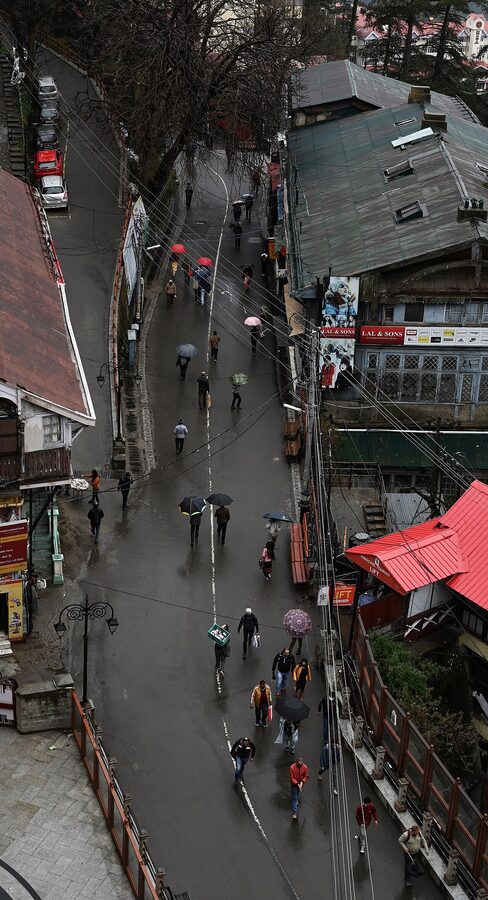
The operator market for Himachal Pradesh splits into four formats, and once you understand the four it’s easy to read any brochure on the OTA pages.
Group tours (GIT, Group Inclusive Tour). A bus or coach with 25-50 fellow travellers, a fixed departure date, a tour manager, fixed hotels, fixed meals, fixed sightseeing. Kesari, SOTC, Thomas Cook (under their “GIT” filter), and Veena World are the main sellers in this format. Per-person prices in 2026 run ₹23,990 to ₹53,990 for 6N/7D Shimla-Manali combinations, depending on season and hotel category. Departures are usually weekly or twice-weekly from Delhi, Mumbai, Pune, Ahmedabad, and Bangalore. Airfare is a separate line item.
Private tours / FIT (Free Independent Traveller). The same itinerary as a group tour, but it’s just your party, your driver, and your vehicle. No tour manager, no other travellers. Thomas Cook, MakeMyTrip, Yatra, and most of the smaller agencies (Bharat Booking, Trawell, GT Holidays) sell heavily in this format. Prices are higher per head than GIT, typically ₹30,000 to ₹70,000 per person for a couple on a 6-7 night trip, because you’re not splitting the vehicle and guide cost across a coach. Hotels are usually 3-star to 4-star, twin sharing.
Premium / luxury packages. Same shape, better hotels. The Oberoi Cecil in Shimla or Wildflower Hall in Mashobra, The Himalayan castle hotel in Manali, the Hyatt Regency in Dharamshala. Per-person rates climb to ₹60,000 to ₹1,50,000 for 6-7 nights. SOTC, Thomas Cook, and a handful of bespoke agencies (Holidify Premium, Pickyourtrail) operate in this segment. Genuinely worth booking only if your trip is structured around the hotels themselves.
Backpacker / “experiential” group tours. Thrillophilia, JustWravel, The Searching Souls, Roamtrekkers. Mixed-age small groups (8-15 people), tents and homestays instead of hotels, more trekking and outdoor time, bus or shared SUV for transport. ₹10,000 to ₹25,000 per person for 5-7 day Spiti, Kasol, or Triund-focused trips. Predominantly young Indian customers in their 20s and early 30s.
One thing to know going in: every starting price you see on every operator page is a teaser. The real per-person quote, after you’ve added GST, peak-season surcharge, transport upgrades, and a non-base hotel, is usually 25-40% above the headline. Our hotels guide covers the actual property tiers behind those star ratings if you want to read the print before you click “request callback”.
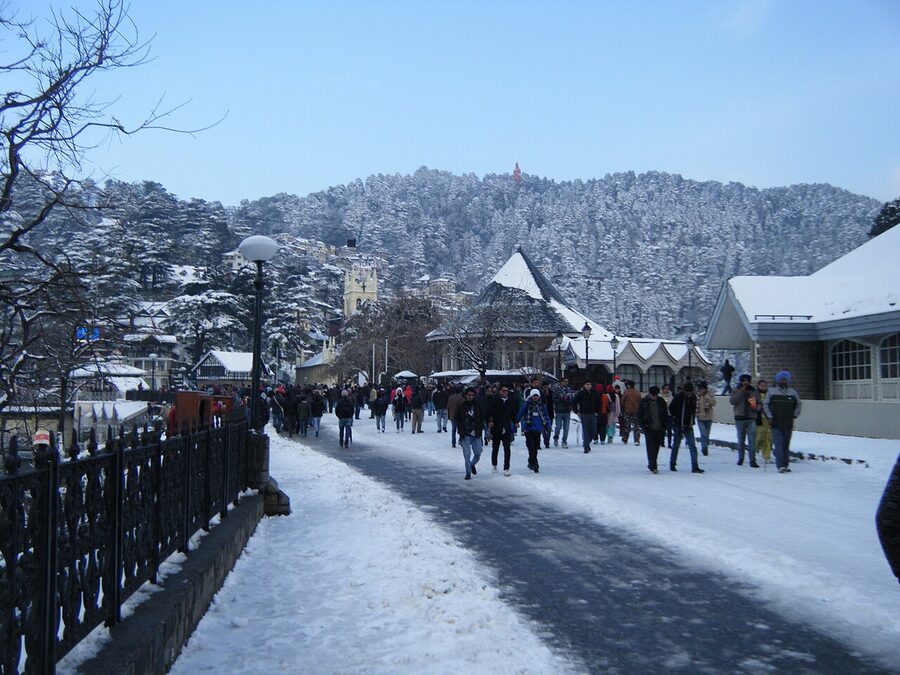
What Each Itinerary Length Actually Covers
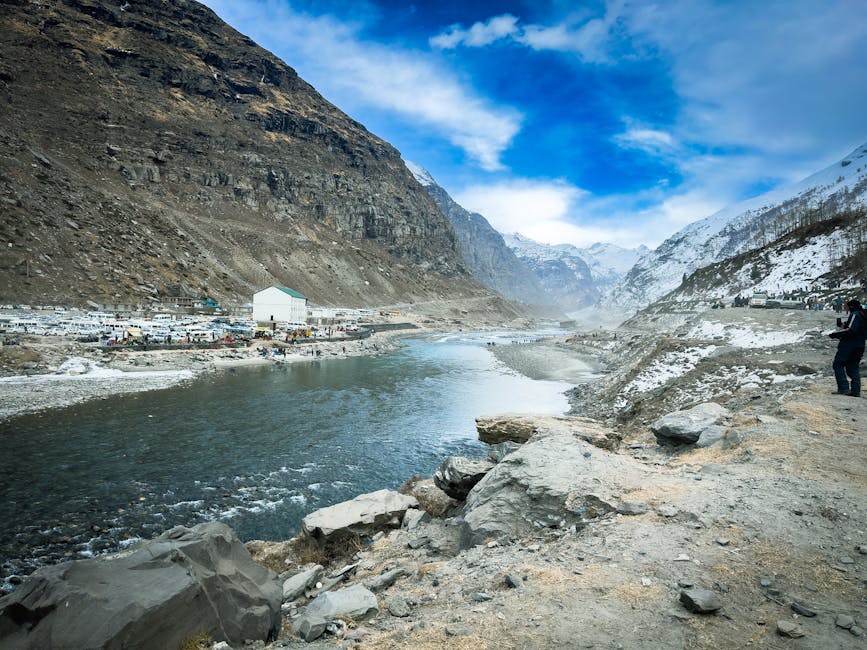
Operator packages cluster at four lengths: 4 nights (the long weekend), 5-6 nights (the standard week), 8-10 nights (the proper trip), and 11+ nights for Spiti or Lahaul circuits. Every brochure dresses these differently, but the geography only allows so many variations. Here’s what each duration actually covers and what gets squeezed out.
4 Nights / 5 Days: Shimla and Manali Only
This is the long-weekend format. Day 1: arrive Chandigarh or Delhi, drive to Shimla (4-7 hours). Day 2: Shimla sightseeing, Kufri, the Ridge, Christ Church, Jakhu Temple. Day 3: drive Shimla to Manali (8-10 hours, the longest single transit of the trip). Day 4: Manali sightseeing, Hadimba Temple, Solang Valley, Vashisht hot springs. Day 5: drive back to Delhi or fly out from Bhuntar. Per-person price on private FIT: ₹15,000 to ₹28,000. On GIT group: ₹12,000 to ₹22,000.
What you lose in this format: any genuine time in either town. The two-night-per-stop pattern means you arrive late afternoon, do half a day of sightseeing, and leave the next morning. Rohtang Pass and Atal Tunnel from Manali typically need a full extra day with permits, which a 5-day package does not have. Skip this length unless you’re really constrained on leave.
6 Nights / 7 Days: The Standard Triple
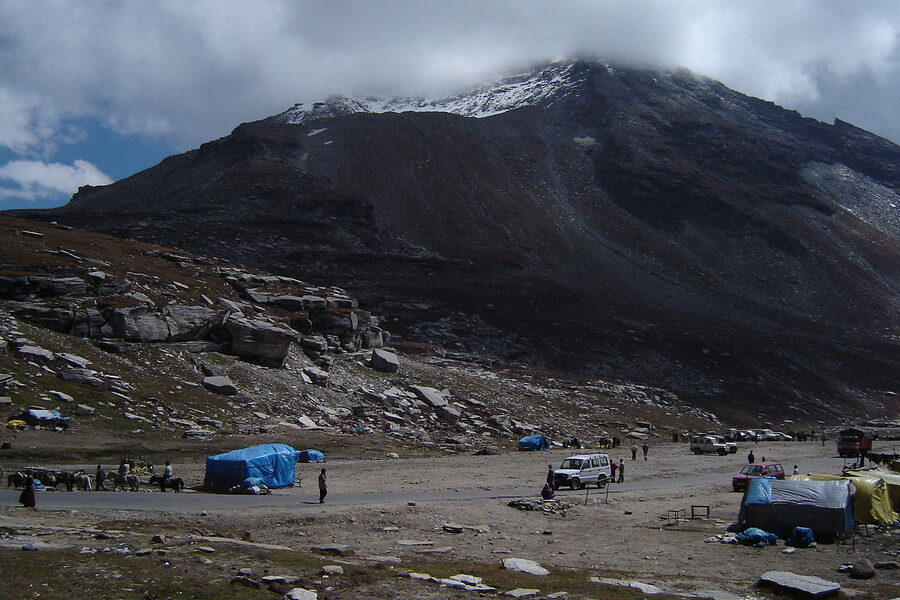
This is the most-booked format and the one the operators have refined hardest. Shimla (2N), Manali (3N including a buffer day for Rohtang), Chandigarh transit (1N). Per-person: ₹20,000 to ₹40,000 on private FIT, ₹18,000 to ₹35,000 on GIT, ₹40,000 to ₹70,000 on premium. The Manali stop usually includes a half-day sightseeing day plus a full Rohtang/Solang day plus a leisure day, which is sensible pacing. The Shimla portion still feels rushed.
Variations include swapping one Shimla night for Kasauli or Chail (HPTDC’s “Shimla-Naldehra-Chail” two-day add-on), or adding a Kullu valley night for the Manikaran gurudwara visit. Both are good substitutions if the season permits. The state attractions reference covers what each town actually has if you want to mix and match.
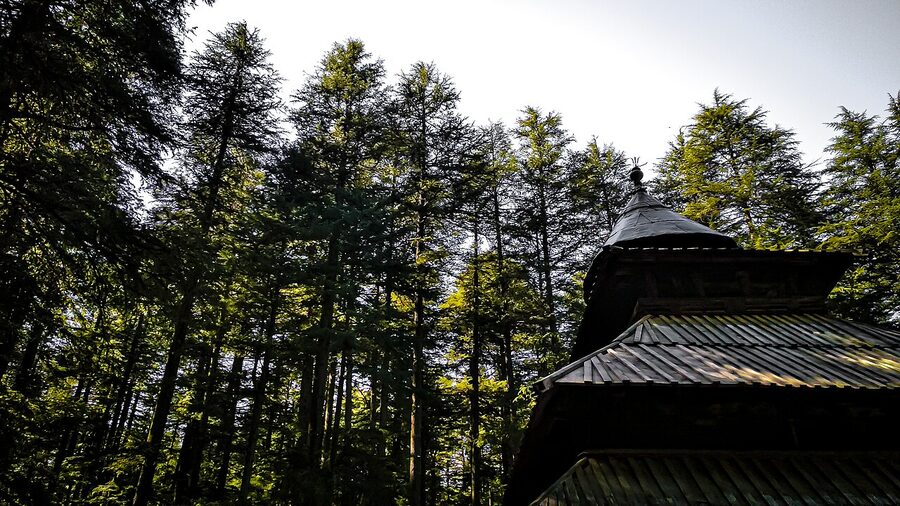
8 Nights / 9 Days: Adding Dharamshala or Dalhousie
The 8-9 night packages drop a third hill station into the trip. Two main variants are sold in 2026: the eastern triple (Shimla-Manali-Dharamshala) and the western combination (Shimla-Manali-Dalhousie-Amritsar). Both run ₹30,000 to ₹55,000 per person on private FIT.
The eastern variant adds Dharamshala-McLeod Ganj for the Tibetan Buddhist content (Dalai Lama temple, Norbulingka Institute, Bhagsu Falls). The driving is brutal, Manali to Dharamshala is 250 km of switchbacks, no shortcut, 8-10 hours. Most operators break the drive at Mandi or Palampur, but you still lose effectively a full day to road. Worth it if the dharma side is what you came for.
The western variant adds Dalhousie, Khajjiar, and the Punjab leg (Amritsar, Wagah border, the Golden Temple). This is Kesari’s flagship product and the most-sold 8-9 night package in their catalogue at ₹37,990 per person all-inclusive. The Punjab plain offers a contrast that makes Himachal feel cooler and prettier when you return; the routing also moves smoothly because Dalhousie connects to Amritsar by reasonable road in 5-6 hours.
10-12 Nights: The Full Circuit or Spiti
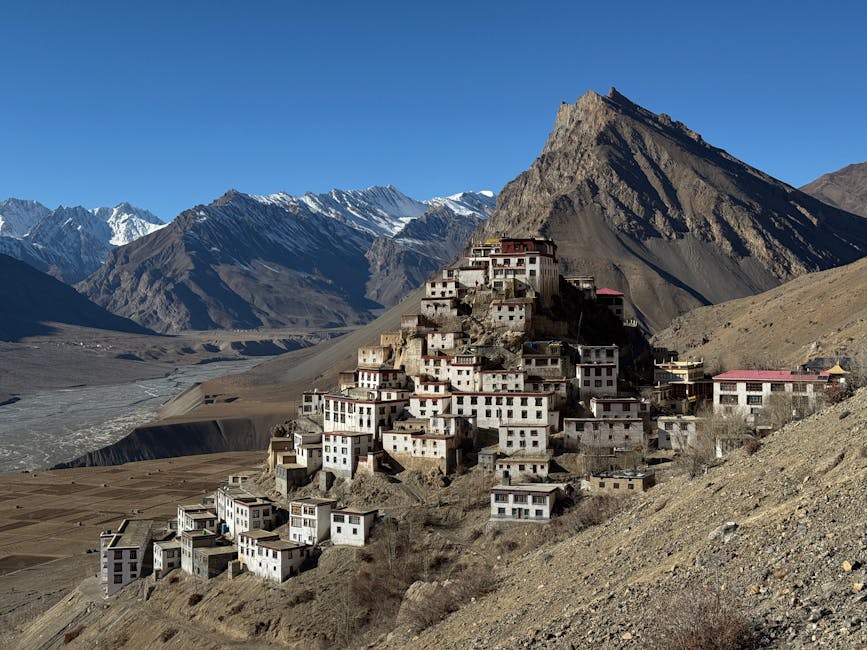
Two genuinely distinct trips at this length. The “full state” circuit (Shimla-Manali-Dharamshala-Dalhousie, 10-11 nights) is the slow version of the standard tour with a night extra in each location. ₹50,000 to ₹85,000 per person on FIT. Genuinely the easiest version of a Himachal trip if you can take the time, because every drive is digestible, you have margin for a snow day or a weather hold, and you actually get to read a book at one of the hotels.
The Spiti circuit is a different animal. Manali to Kaza via Rohtang and Kunzum (June-September only), or Shimla to Kaza via Kalpa and Nako (year-round but harder in winter). 10-12 nights, sleeping at altitudes from 2,500 to 4,200 metres, in homestays and basic guesthouses for most of it. Per-person prices ₹25,000 to ₹50,000 because the accommodation tier drops sharply once you’re past Kalpa or Sissu. The Lahaul-Spiti reference page covers what’s actually up there. Specialist operators like Thrillophilia, Spiti Holiday Adventure, Banbanjara, and Ghummakkad do this trip far better than the mainstream tour companies.
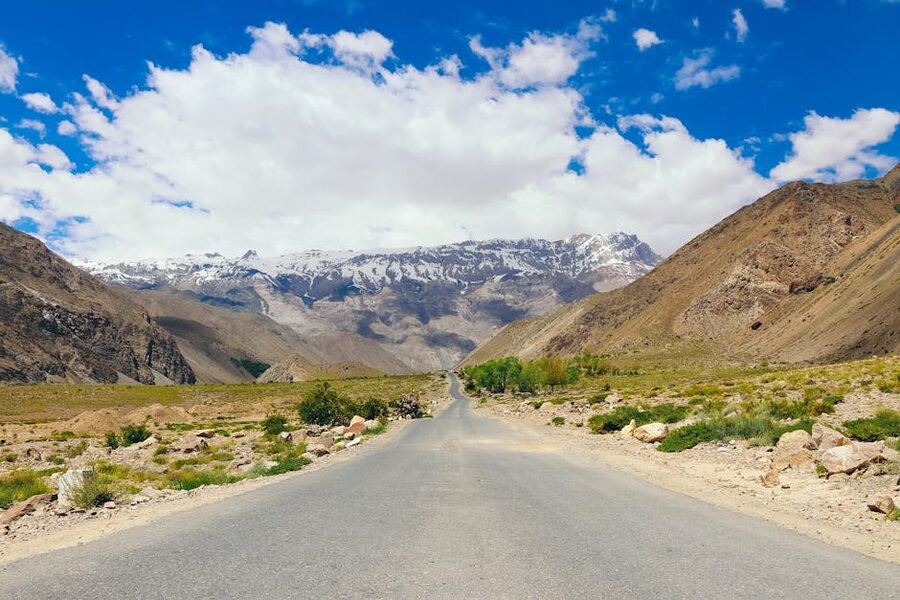
Honeymoon and Couple Packages
Honeymoon packages are not a different itinerary, they’re a 5-7 night Shimla-Manali in which the operator upgrades the hotels, decorates the room with rose petals on day one, throws in a candlelight dinner, and prices it ₹5,000-15,000 above the same-length couple FIT. Genuinely worth the markup only if you want the room dressing handled; the actual sightseeing is identical. The honeymoon guide covers which properties are worth the upgrade.
The Real Per-Person Price, by Tier and Season
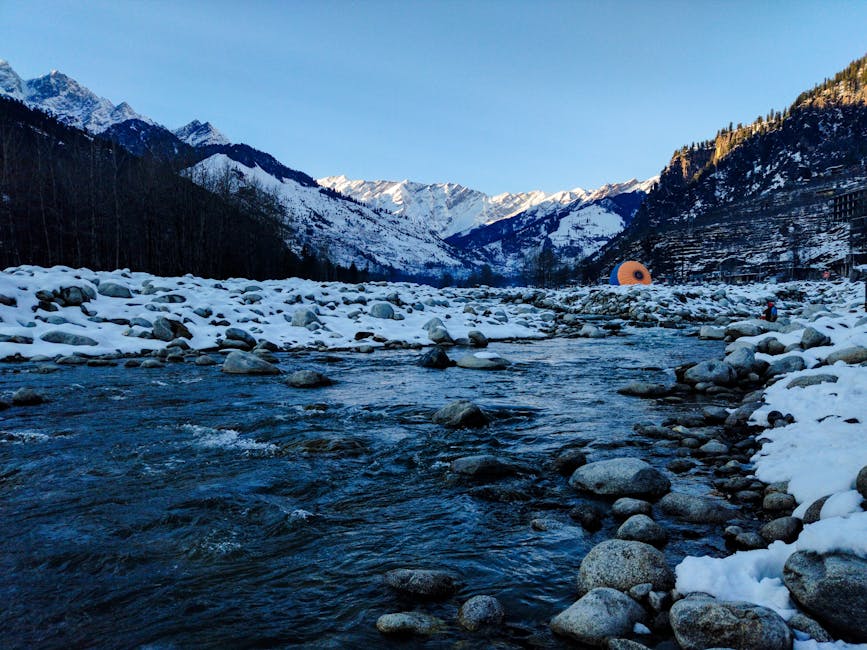
Operator quotes are quoted in starting prices. The real number a typical couple pays after the season uplift, hotel category bump, and the optional extras the agent calls “highly recommended” is usually 25-40% above what the brochure says. Here’s the realistic 2026 range for a 6N/7D Shimla-Manali trip per person on twin-sharing.
Budget tier (2-star hotels, sedan transport, no airfare): ₹15,000-22,000 per person off-season (October-November, late February, monsoon). ₹22,000-32,000 in shoulder season (March, April, September). ₹32,000-45,000 in peak (May-June, December 24-January 5).
Standard FIT (3-star hotels, Innova or Crysta vehicle, English-speaking driver, breakfast and dinner): ₹25,000-35,000 off-season. ₹35,000-50,000 shoulder. ₹50,000-70,000 peak.
Premium (4-star or heritage properties, Cecil, The Himalayan, Hyatt Regency Dharamshala, luxury vehicle, all meals): ₹55,000-80,000 off-season. ₹80,000-1,20,000 shoulder. ₹1,20,000-1,80,000 peak. Wildflower Hall alone runs ₹40,000+ per night in peak, so any package featuring it will be at the top of this band.
GIT group tour (3-star, coach transport, 25-40 person group): ₹18,000-25,000 off-season. ₹25,000-35,000 shoulder. ₹35,000-50,000 peak. Add ₹6,000-15,000 for return airfare from your home city, depending on origin and how far in advance you book.
Backpacker group tour (homestays, hostels, shared SUV transport, smaller groups, more outdoor time): ₹10,000-18,000 across the year. The Spiti versions of these run ₹18,000-25,000 because the distances are longer.
The seasonality matters more than most operators admit. A premium FIT package in mid-October costs roughly half what the same package costs in late December. If your dates are flexible, the late-September-to-mid-November window is the connoisseur’s pick: clear skies, post-monsoon greenery, apple harvest, no snow yet, and the lowest rates of the calendar. The state tourism department site publishes seasonal advisories worth a glance before you commit dates.
What’s Actually Included (and What Isn’t)
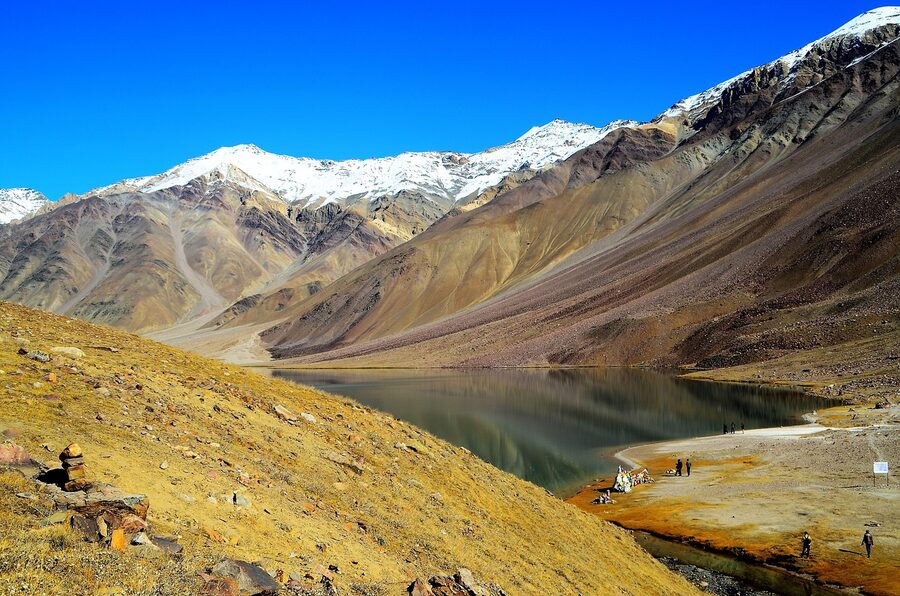
The standard inclusions across the major operators are surprisingly consistent. The standard exclusions are where the bills add up.
Almost always included: Twin-sharing accommodation in the named hotel category, daily breakfast (usually buffet), one of lunch or dinner (usually dinner) in the hotel, intercity transport in a clean private vehicle, sightseeing inside each town with the same vehicle, all driver allowances and toll charges, GST on the package amount.
Usually included on premium: All three meals daily, English-speaking guide for the local sightseeing in each town, monument entry tickets where applicable, meet-and-greet at the airport.
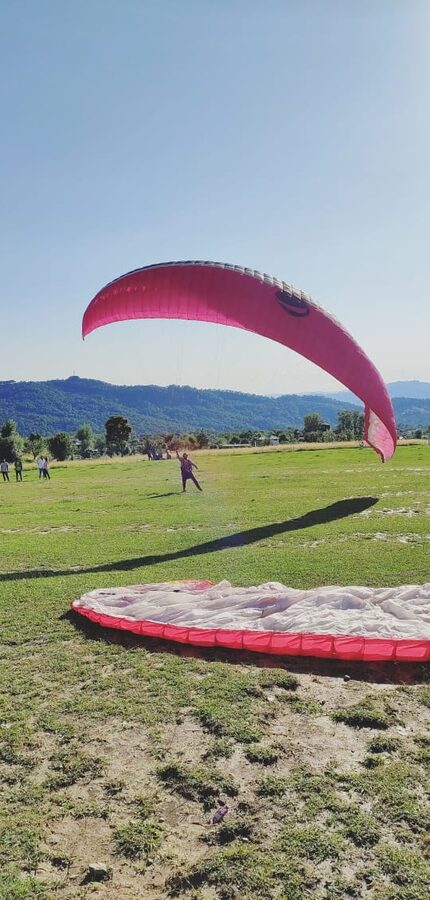
Almost never included, these are the line items the agent will add at the end: Airfare or train fare to and from the start city. Rohtang Pass permit and the additional vehicle (₹2,500-4,500 per group, often a separate Innova because vehicle quotas are restricted near the pass). Atal Tunnel side trip if you want to actually stop. Solang Valley adventure activities (paragliding ₹2,500-4,000, zorbing ₹500-800, cable car ₹500). Toy train tickets on the Kalka-Shimla route (₹250-3,000 depending on class). Boat rides at Manikaran or Chamera. Personal expenses, snacks, mineral water, room service, laundry, telephone, tips. Travel insurance. Anything you order at a restaurant outside the planned meal.
The Solang Valley pricing in particular catches first-timers, the brochure mentions “Solang Valley sightseeing” and you arrive expecting it to be a stop on the route. It is. But the activities at Solang are all separately priced and aggressively upsold; budget another ₹3,000-6,000 per person if you want to do paragliding, zorbing, and the cable car together.
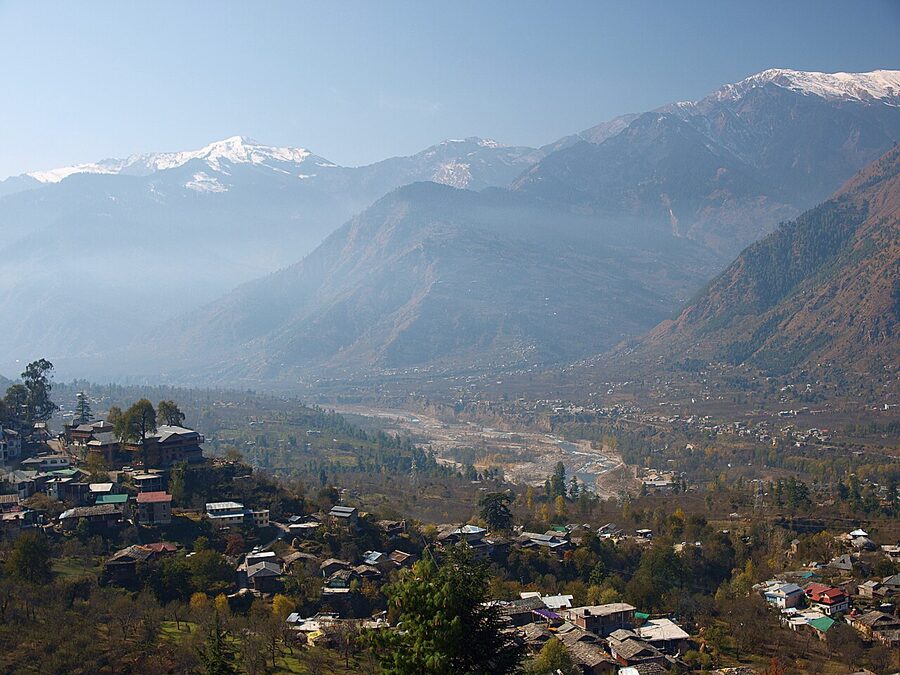
The other commonly hidden cost is the Rohtang permit and the change of vehicle for it. Standard tour vehicles aren’t permitted on the Rohtang stretch beyond a certain point, so even on a private FIT package you switch to a separately-paid Innova or Sumo for the day. The total day-trip cost from Manali (vehicle, permit, driver) is often ₹4,500-7,500 above the package, even though “Rohtang Pass excursion” appears in the itinerary.
Operator Package vs Self-Organising, When Each Wins
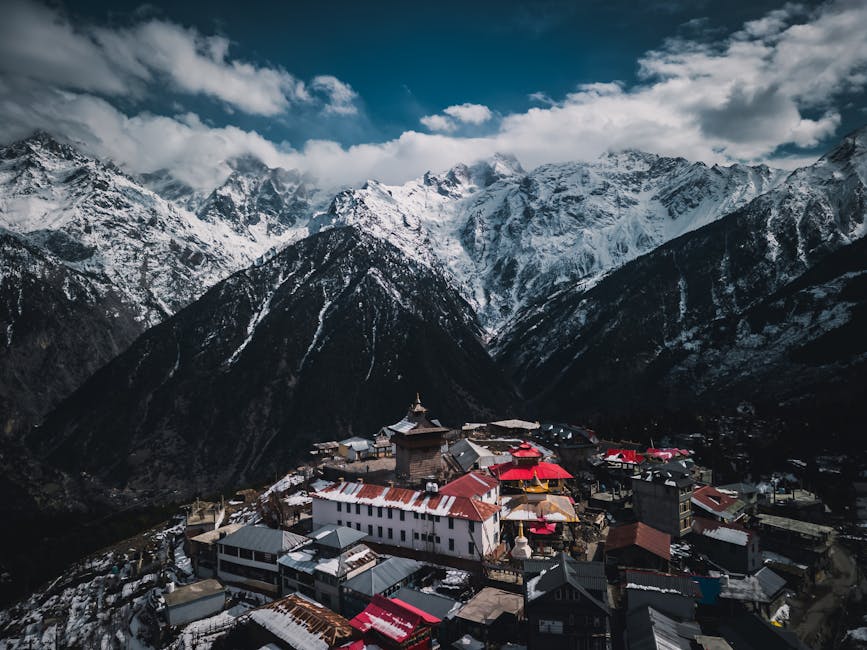
The package-versus-DIY question doesn’t have a single right answer. It depends on the trip you’re trying to take. Here’s the breakdown by use case.
Book the Operator Package If
You’re flying in from a non-northern city for 5-7 days. If you’re coming from Bangalore, Hyderabad, Chennai, or Kolkata for a one-week Shimla-Manali, the operator is genuinely doing work for you. They’ve negotiated a hotel rate you can’t match on Booking.com, they’ve handled the Delhi-Chandigarh transfer, the Kalka-Shimla connection, and the inter-town vehicle, and they have a back-up contact when something goes wrong on the road. Self-organising adds 15-25 hours of planning time and you’ll save at most ten per cent.
You’re a first-time visitor and want zero decisions on the trip. If you’ve never been to a hill station before, never driven on a Himalayan road, never seen snow, and you just want it handled, operators are fine. The wider wildlife sanctuaries and longer scenic add-ons can be tagged on later if a single trip goes well. The standard 6N/7D Shimla-Manali at ₹30,000-40,000 per person on a private FIT is functional. You’ll eat what’s served, see what’s on the itinerary, and have a good time.
You’re going as a large family group. Co-ordinating eight-plus relatives across age ranges from grandparents to children is impossibly painful with self-bookings. The operator wraps everyone into one room block, one vehicle plan, and one paymaster.
You’re attending Kullu Dussehra or another festival period. Festival-season hotel inventory is locked up by operator block-bookings months in advance. The Kullu Dussehra week in October is the textbook example, direct booking is a wall of “sold out” by August. The package is the only way in.
You’re booking a honeymoon and want it pre-arranged. The room dressing, candlelight dinner, and surprise touches add up to less than ₹10,000 on a typical 6-night package, and they’re done well at the better hotels (Wildflower Hall, The Himalayan, Hyatt Regency Dharamshala).
Self-Organise If
You have 10+ days and want to go anywhere off the standard circuit. Tirthan Valley, Jibhi, Sangla, Chitkul, Sojha, Tosh, Pulga, Sethan, Hampta, the genuinely interesting parts of Himachal Pradesh. Operator product here is thin to nonexistent; the homestays and small lodges that own the inventory don’t pay OTA commission and don’t appear in the package catalogues. Self-booking is faster and substantially cheaper. The Manali hotels guide covers the up-valley alternatives.
You’re flexible on dates and want to optimise for value. The October-November and February-March shoulder windows have direct hotel rates 40-60% below peak. Self-booking in these windows runs about 60% of the operator price for the same accommodation tier. Operators don’t pass season discounts through cleanly because their per-departure pricing is set quarterly.
You want to use HPTDC properties. The state corporation runs about sixty hotels, and many of the most desirable Himachal addresses (Chail Palace, Holiday Home Shimla, Apple Blossom Fagu, Hadimba Cottages) are HPTDC. Their public-rate booking on hptdc.in is consistently the cheapest channel. Mainstream tour packages rarely use HPTDC inventory because the corporation doesn’t pay sales commission to OTAs. The same logic applies to the most desirable heritage HPTDC building in the state, Chail Palace, which is bookable only on the corporation site.
You’re a couple or solo traveller comfortable with logistics. The ten hours you’d spend planning a self-organised 7-night trip are probably worth the ₹15,000-30,000 you’ll save. Add the gain of being able to change a hotel mid-trip, switch which town you stay extra nights in, or detour to the Tirthan if the Manali weather looks bad. The flexibility is worth real money.
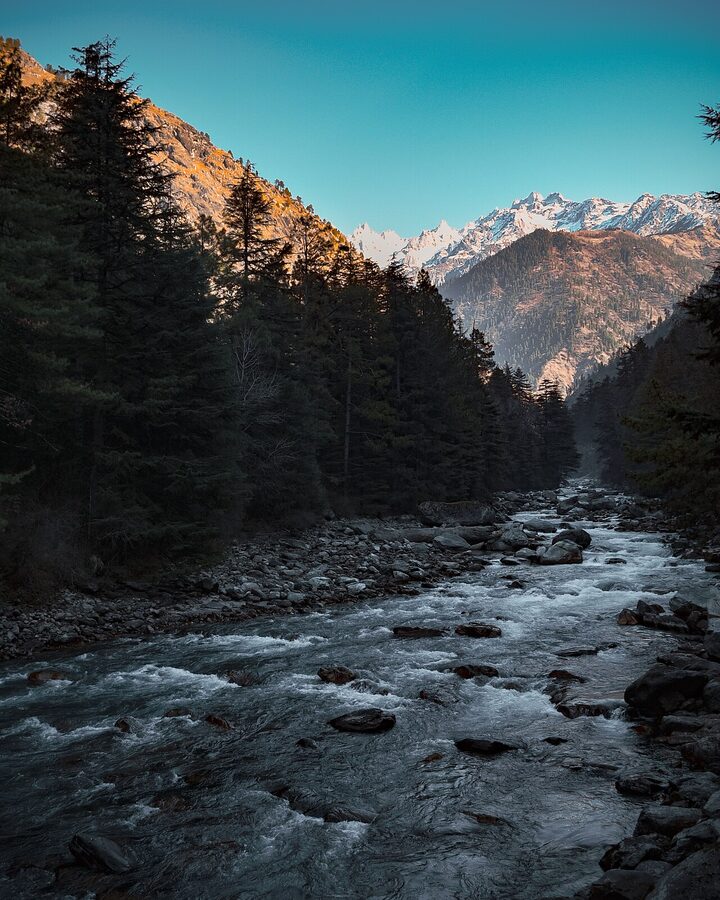
You want to do a serious trek or a Spiti loop. Mainstream operators handle Spiti badly. They put you in too-fast vehicles, skip the acclimatisation nights, and don’t have homestay relationships in Komic or Demul. The specialist operators (Thrillophilia, Banbanjara, Spiti Holiday Adventure, Ghummakkad) are better, but for serious trekking the genuine specialists (Indiahikes, Bikat Adventures) operate on a totally different cost basis and shouldn’t be compared with the standard tour catalogue.
The HPTDC Question
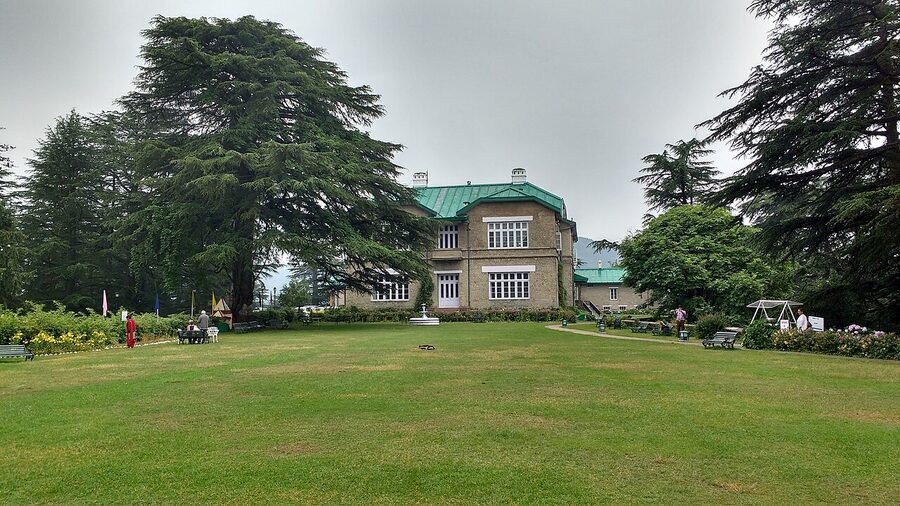
The Himachal Pradesh Tourism Development Corporation operates twenty-three official tour circuits in addition to its hotel chain. They’re listed on hptdc.in under Special Offers, and they cover routes the private operators ignore, the Satluj Circuit (Delhi-Kasauli-Chail-Chandigarh, 3 days), the Beas Circuit (Mandi-Manikaran-Kullu-Manali-Rohtang-Naggar-Mandi, 3 days), the Dhauladhar Circuit (Dharamshala-Palampur-Bir-Joginder Nagar, 2 days), and the Tribal Circuit (Sarahan-Sangla-Kalpa-Kaza-Tabo, 4 days).
What the HPTDC sells is essentially the same product as a private FIT package but at roughly 50-60% of the retail price. A 4N/5D Shimla-Manali HPTDC package at the corporation hotels with their own coach is around ₹16,000-22,000 per person in 2026. The downside: the booking interface is brutal, the hotels are mostly tired but functional, and the in-coach experience is more austere than a Kesari group tour. The upside: the Holiday Home in Shimla or Apple Blossom at Fagu sit on land the private chains will never get, the rooms have heating and hot water, and the per-person savings are real.
Worth knowing about even if you don’t ultimately book it: the HPTDC publishes their per-circuit kilometre routing on their site, and it’s a useful template for self-organising. If you’re thinking about a Beas Circuit yourself, the HPTDC route map (Mandi-Rewalsar-Kullu-Manikaran-Mandi, 292 km, minimum 3 days) is a sane skeleton you can drop your own hotels onto.
Departure Cities and the Real Cost of Flying In
Most operator packages are quoted “ex-Delhi” or “ex-Chandigarh”, meaning the price assumes you’ve made your own way to one of those two cities. The departure-city economics matter because the airfare often equals 20-40% of the total trip cost, and the package starting prices conveniently exclude it.
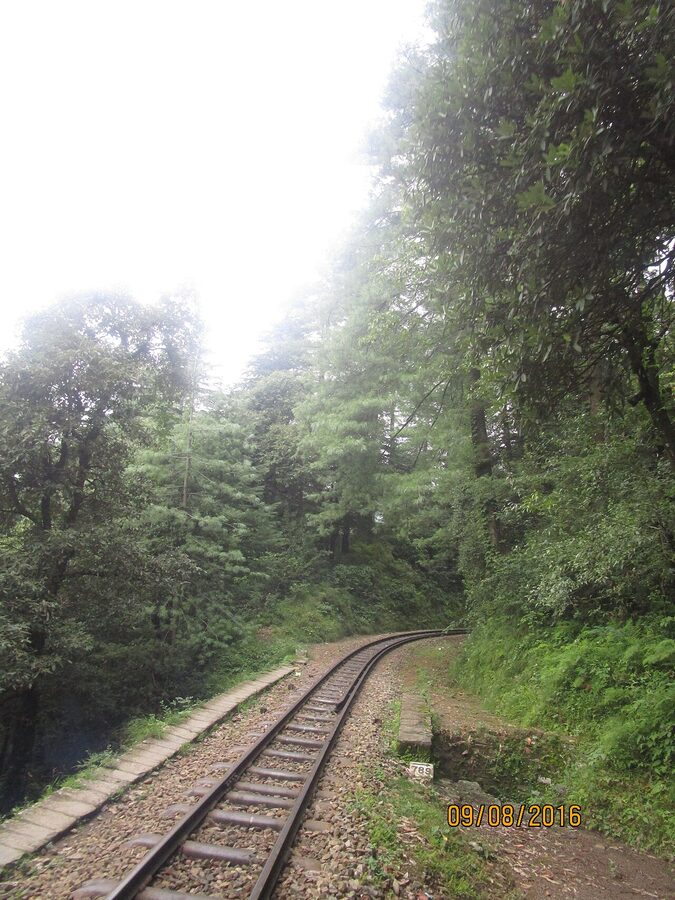
From Delhi: the easiest start. Volvo coach to Shimla (8-10 hours, ₹1,200-1,800 one-way) or Manali (12-14 hours, ₹1,500-2,500). Train via Kalka to Shimla on the toy train (5 hours, ₹250-3,000 depending on class). Or fly to Bhuntar (Kullu-Manali airport, 90 minutes from Manali, ₹4,000-9,000 one-way) or Kangra (for Dharamshala, ₹4,500-9,500). Operators baked into the price assume road transit from Delhi. Delhi-to-Manali tour formats are split out separately for that specific routing.
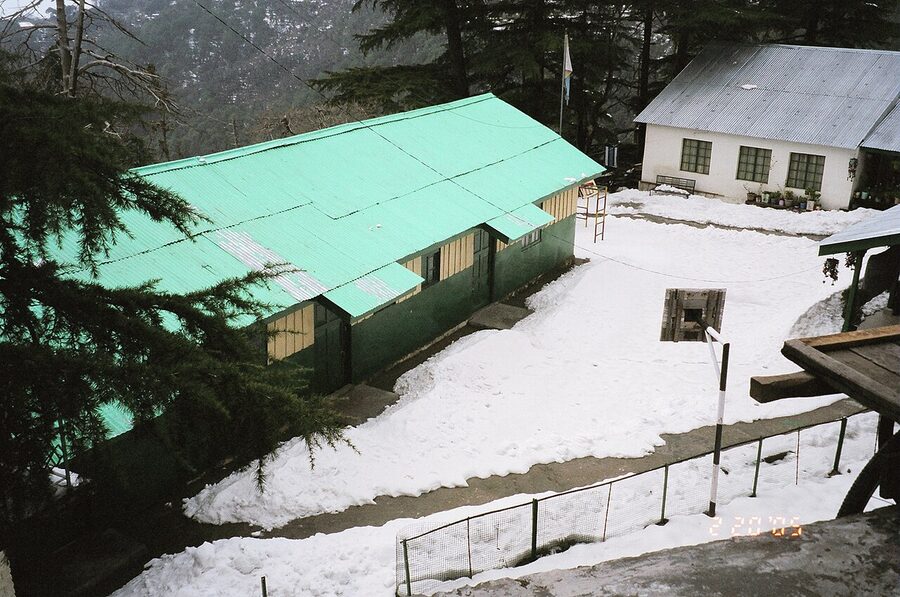
From Chandigarh: 4-7 hours by road to Shimla, 8-10 to Manali. Most premium packages start here because the road time is shorter and the airport is well-connected. Add ₹4,000-8,000 for return Chandigarh airfare from your home city.
From Mumbai: most operators sell as “ex-Mumbai” with airfare bundled, typically routing through Delhi. Expect ₹35,000-55,000 per person all-inclusive on a 6-7 night standard package, ₹60,000+ on premium.
From Bangalore, Chennai, Hyderabad: similar to Mumbai but airfare runs ₹6,000-12,000 each way. Total all-in for a standard package: ₹40,000-65,000. The MakeMyTrip and Veena World ex-Bangalore packages from ₹5,438-9,499 starting prices on their search pages are a useful filter benchmark; the realistic number is double.
From Pune, Ahmedabad: ₹35,000-55,000 typical all-in. King Hills Travels’ “ex-Ahmedabad” is one of the better-marketed couple specials in 2026 (₹9,499-22,000 starting before season uplift).
The Best-Selling Operator Packages in 2026, A Read
A non-exhaustive read of what’s actively sold and what each is best at, based on the 2026 catalogues from the major operators. Use the operator’s own page for the current price; we don’t quote their booking links because the slugs change quarterly.
Thomas Cook, “Magnificent Himachal” 7N/8D from Delhi. The brand’s flagship Himachal product. Shimla 2N, Manali 3N, Dalhousie 1N, Amritsar 1N. Private FIT or GIT options. Includes Wagah Border ceremony, which is the differentiator. ₹35,000-50,000 per person depending on hotel category. Decent for first-timers.
MakeMyTrip, “Shimla & Manali Vacay” 5N/6D. The volume-seller. Standard private FIT, 3-star hotels, MMT tour manager assistance, ex-Delhi or ex-Chandigarh. Around ₹25,000-35,000 per person at the typical configuration, marketed on starting prices in the ₹6,800-9,300 range that nobody actually pays.
Kesari, “Shimla Manali” GIT 6N/7D. The cleanest group-tour product in the segment. Volvo coach from Delhi/Chandigarh, English-speaking tour manager, fixed itinerary including Rohtang Pass, Solang Valley, Kullu Valley, Atal Tunnel, Vashisht hot springs. Hotel category 3-star equivalent. ₹23,990-35,990 per person. The pricing is consistent year-round which helps with planning. Their separate “Dalhousie Dharamshala Amritsar” 8N/9D at ₹37,990 is the second-most-booked product in their catalogue.
SOTC, “Shimla Manali Family” 6N/7D. Similar shape to Kesari. SOTC tends to slightly upgraded hotel selection and slightly higher per-person pricing (₹28,000-42,000). Targeted at the family segment.
Veena World, “Shimla Manali Family Tour Package (HPPS) 5N/6D”. The Marathi/Gujarati family-tour specialist. Strong in regional language tour-managing, and runs a well-developed kids’ programme. ₹28,000-40,000 per person, ex-Pune or ex-Mumbai with airfare add-on.
HPTDC, Beas Circuit, Satluj Circuit, Dhauladhar Circuit. Government-run, lowest published prices in the market, tired-but-functional hotels, austere coach experience. ₹16,000-25,000 per person for 3-5 night packages. Worth booking direct on hptdc.in if you’re price-sensitive and don’t need polish.
Thrillophilia, “Shimla Manali from Delhi” group tour 6N/7D. The youngest demographic in the standard tour segment. Smaller groups (8-15), homestay component, more activity-oriented. ₹15,000-25,000 per person. Their Spiti products (Spiti Bike Tour, Best of Spiti Valley) are properly executed and worth the spend if Spiti is the trip.
JustWravel, Himachal backpacking trips. The dedicated backpacker/group format. ₹8,000-15,000 per person on Kasol, Kheerganga, Tosh, Triund-focused 4-6 day trips. Mostly young Indian backpackers in their 20s. Tents and basic guesthouses, lots of trekking time.
Activities Worth Booking Through a Specialist Operator
If you’ve decided to self-organise the trip but want to book individual experiences as add-ons, certain activities are better through a specialist platform than through your hotel.
Adventure activities at Solang and Atal Tunnel: paragliding, zorbing, snow scooter, cable car. Book on the day at the activity ground or via a Klook day-pass; Klook’s Himachal page aggregates multiple Manali activities. Hotel desk pricing is usually 30-50% above ground rate.
Manali to Shimla / Manali to Dharamshala private transfers: if you’ve self-organised hotels but want a clean inter-town transfer, the Klook Manali-Shimla private transfer is a verifiable, fixed-price option that beats the standard taxi-rank quote.
Shimla-Manali day-itinerary tours from Delhi: if you only have 2-3 days and want a turnkey trip, both Viator’s Shimla Manali Package from Delhi and GetYourGuide’s 3-day Shimla and Manali tour are bookable in a few clicks. These are the small-group format and run cheaper than the big-operator equivalents.
Spiti Valley specialist trips: the 8-day Spiti via Kalpa, Kaza & Manali on GetYourGuide follows the right routing for proper acclimatisation. Viator’s 12-day “Scenic beauty of Himachal” covers the longer multi-region circuit.
For Manali day plans specifically, happytovisit.com/best-full-day-tours-in-manali/ compares the current full-day options with reviews, and the state tourism department (himachaltourism.gov.in) publishes the permit rules for Rohtang Pass day trips — check both before you lock an itinerary.
Manali walking and cultural tours: the Klook 2-hour Manali walking tour with a local is a good orientation if you’re staying multiple nights. Most package itineraries skip this and rush you through the temple stops in 30 minutes each.
Getting There, the Transport Mode That Shapes the Package
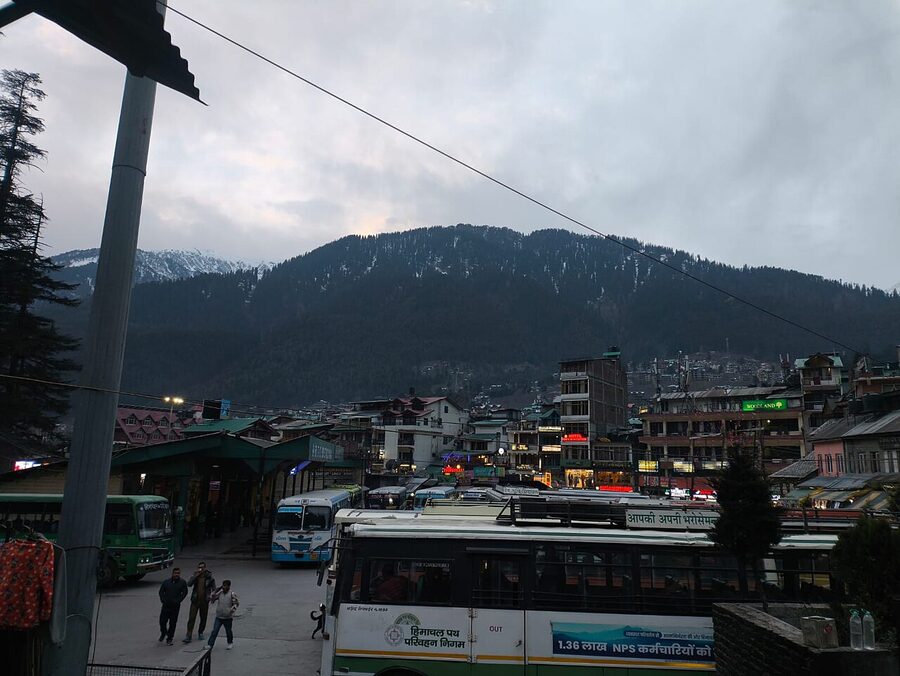
The mode of transport between Delhi and Himachal is the single biggest variable in package pricing and experience. Here’s the realistic breakdown.
Volvo coach from Delhi. The standard mode for budget and mid-tier GIT packages. ISBT Kashmiri Gate to Shimla (10 hours, ₹1,200-1,800), to Manali (14 hours, ₹1,500-2,500), to Dharamshala (12 hours, ₹1,400-2,200). Comfortable seats, AC, decent suspension. The night Volvo to Manali (departures around 5-7pm, arrival 7-9am) is the workhorse of the entire packaged-tour industry.
Train Delhi to Kalka, then Kalka-Shimla toy train. The romantic option. Shatabdi or Kalka Mail to Kalka (4-6 hours), then the heritage narrow-gauge to Shimla (5 hours). Total Delhi-Shimla in 9-11 hours including connection. Tickets ₹600-3,000 depending on class. Almost no operator package includes this option as the default; you have to ask for a substitution. Indian Railways is the only verified booking channel; everything else is a third-party reseller. Worth doing once.
Flight to Bhuntar (Kullu-Manali airport). The expensive shortcut. AirAsia, IndiGo, Star Air, Air India operate seasonally; flights ₹5,000-12,000 one-way from Delhi, sometimes higher during festival season. From Bhuntar to Manali is 50 km / 90 minutes by taxi. Useful only if your package time is genuinely short; the airport is small, weather-dependent, and cancellations are common.
Flight to Kangra (Dharamshala). Same caveats as Bhuntar, small airport, weather-prone, ₹4,500-9,500 one-way from Delhi. The drive from Kangra to Dharamshala is short (15 km), so this is the cleanest fly-in option for the Dharamshala-McLeod end of the state.
Flight to Shimla (Jubbarhatti). Tiny airport with very limited service, often just one daily flight from Delhi by Alliance Air. ₹6,000-12,000 one-way. Skip unless you have an extremely tight schedule.
Booking Logistics, What to Confirm Before You Pay
Whichever route you take, four pieces of documentation are worth confirming explicitly before payment, regardless of how reputable the operator is.
The exact hotel name in each location, not the category. “3-star hotel in Shimla” can mean Hotel Combermere or it can mean a backwater two-and-a-half-star pretending. Get the actual property name in writing. Cross-check it on Booking.com or TripAdvisor for recent reviews. If the operator hedges with “or similar” or “subject to availability”, push for a specific name.
Whether airfare is included or extra. The most common dispute. Most quoted starting prices exclude air; some “all-inclusive” packages do include it; some include it on group dates only. Confirm the specific routing and the booking class.
Rohtang permit handling. If your package mentions Rohtang or Atal Tunnel or Solang, ask whether the permit and the substitute vehicle are included or are an on-the-day add-on. The straight-talking operators will tell you it’s typically ₹4,500-7,500 extra per group. The opaque ones will let you find out at the hotel reception in Manali.
What happens if Rohtang is closed. Snow, weather, landslides, or military movement close the pass without notice. The standard contract clause says “alternate sightseeing will be arranged” which usually means a half-day around Solang and a refund of the permit fee. Ask whether the alternate plan is documented.
Cancellation policy. Standard terms across the major operators in 2026: 100% refund minus ₹2,000-5,000 admin fee if you cancel more than 30 days out. Roughly 50% refund 15-30 days out. 25% or less inside 15 days. Festival season (Dussehra week, Diwali, Christmas-New Year) cancellation terms are stricter, sometimes nothing returnable inside 60 days. Read the print before paying.
The Realistic 7-Day Package, Built From the Ground Up
If you’re trying to decide between an operator package and a self-built trip, here’s what a sensible 7-day Shimla-Manali itinerary actually looks like, and what each line item costs at retail in 2026 (per couple, twin sharing, October shoulder season, mid-tier 3-star hotels).
Day 1: Delhi to Shimla by Volvo (₹3,200 for two). Arrive late afternoon. Hotel in Mall area, ₹4,500. Total: ₹7,700.
Day 2: Shimla sightseeing, Mall, the Ridge, Christ Church, Jakhu Temple, Kufri (₹2,500 cab for the day, ₹400 entries, ₹1,200 lunch). Hotel ₹4,500. Total: ₹8,600.
Day 3: Shimla to Manali by Innova (₹6,500, including driver and tolls). Arrive evening. Hotel in Old Manali or Up-valley, ₹5,500. Total: ₹12,000.
Day 4: Manali sightseeing, Hadimba, Manu Temple, Vashisht, Mall walk (₹2,000 cab, ₹1,500 lunch and dinner). Hotel ₹5,500. Total: ₹9,000.
Day 5: Solang Valley and Atal Tunnel (₹4,500 vehicle including permit, ₹3,000 activities for two if you do paragliding for one and zorbing for both). Hotel ₹5,500. Total: ₹13,000.
Day 6: Manali to Chandigarh by Volvo (₹3,800 for two). Hotel near airport ₹3,500. Total: ₹7,300.
Day 7: Chandigarh to home airport by flight (highly variable, ₹6,000-12,000 for two). Total trip ex-flight: ₹57,600 for two, or ₹28,800 per person. Add airfare for the all-in.
The same trip on a Kesari GIT package: ₹47,980 for two on the standard configuration. Difference: ₹9,620 in the operator’s favour. Adjust for the fact that the operator’s Volvo for the long Shimla-Manali leg is a 30-person coach vs your private Innova, and the operator’s hotels are wherever their bulk contract lands rather than the property you’d choose. The ten thousand rupee saving is real, the experience trade-off is real, and the call depends on which one matters more to you.
Which Direction Are You Coming From?
One last frame that helps the package-versus-DIY question. If you’re already in north India, with Delhi or Chandigarh as your start point, building the trip yourself is straightforward, the road network is good, the Volvo network is dense, and the hotel inventory is reliable enough to book directly on the OTAs. The ten to fifteen per cent saving over a package and the freedom to deviate are both real.
If you’re flying in from outside India or from far southern India, the start-of-trip logistics (Delhi connection, transfer to ISBT, getting on the right bus) eat enough time and risk that the operator’s value proposition is genuine. ₹35,000 to ₹50,000 per person for a turnkey 7-day trip is reasonable money for the absence of headaches at the start and the back-up phone number when something goes sideways on the road.
And if your itinerary is anything other than Shimla and Manali, if you’re heading to Tirthan, or Sangla and Chitkul, or up to Spiti, or to Bir for the paragliding, or honeymooning at one of the heritage hotels, the standard packages don’t fit, and the right answer is to either book a specialist operator who actually knows that part of the state or to build the trip yourself. The festivals calendar and the wildlife sanctuary guides cover what’s actually in those corners.
The Himachal market is mature enough that there’s a sensible package for almost any traveller. The same maturity means the price gap between the most efficient operator product and a careful DIY build is narrower than it used to be. What you’re really buying with the package is the absence of decisions; what you’re paying for is the time you don’t spend planning. Whether that’s worth the markup is your call, and now you have the numbers to make it.