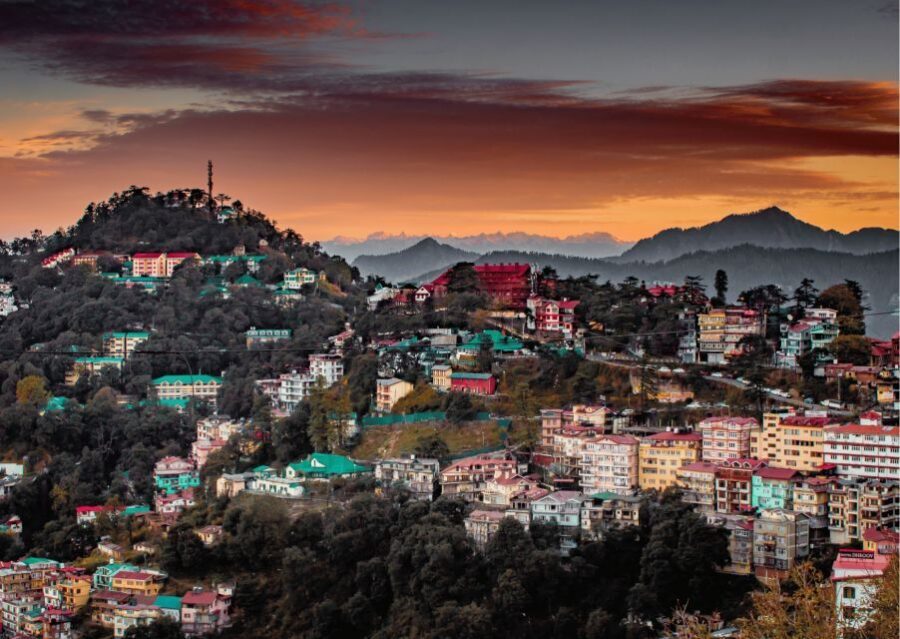
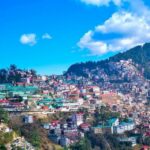
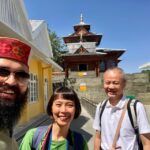
A hill station you can walk through. This private heritage and colonial trail takes you step-by-step from Christ Church to the Indian Institute of Advanced Study, with a local guide who brings the buildings (and the people behind them) to life. I like that you get a real local point of view, and I also love the way the route mixes neo-Gothic architecture with temples and government-era buildings in just two hours. One drawback: it’s a walking tour with some ups and downs, so you’ll want decent shoes and a steady pace.
If you’re the type who likes to understand what you’re looking at, this works well because the guide explains what each stop meant, not just what it looks like. The vibe is relaxed and personal, and guides you might meet include Preeti, Preeti/“Priti,” Raghav, Sunny/Sunni, and Pawan. Consider that entry fees and monument fees aren’t included, and some sights tied to the end point (the Viceregal Lodge) can be closed on Mondays.
In This Review
- Key highlights that make this walk worth your time
- Why this Shimla walk beats doing it alone
- Starting at Christ Church: neo-Gothic details you can actually notice
- Ridge and Scandal Point: where the walking rhythm starts
- Bantony Castle and Gorton Castle: castles that feel personal
- Kali Bari Temple: the tour isn’t only colonial
- Railway Board Building and HP Vidhan Sabha: administration in stone
- The Oberoi Cecil and All India Radio: continuity beyond the colonial era
- Gorton Castle to the finish: pacing, uphill sections, and views
- Ending at IIAS: the Viceregal Lodge note you must know
- Price and value: what $16 actually buys
- What to wear, bring, and plan around
- Who this tour is best for
- Should you book this Shimla Heritage, Culture & Colonial Trail?
- FAQ
- Where does the guided walk tour start?
- Where does the tour end?
- How long is the tour?
- Is this a private tour?
- What languages does the guide speak?
- Is hotel pickup or drop-off included?
- Are transportation costs included?
- Are monument fees or entry tickets included?
- Is the Viceregal Lodge open on Mondays?
- Who should not book this tour?
Key highlights that make this walk worth your time
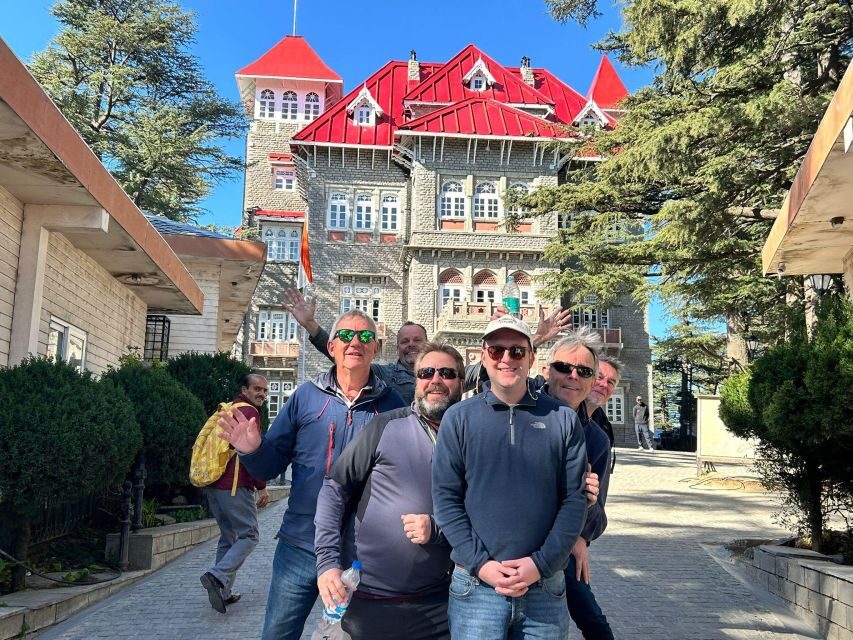
- A private guide with local languages (English, Hindi, and Pahari spoken support)
- Christ Church to IIAS in one continuous one-way stroll
- Colonial-era architecture on compact stops, from castles to administrative buildings
- Temple + official buildings in the same walk, so you see more than one “theme”
- Good pacing for a 2-hour route, usually around a few kilometers with grades
- Local stories and gossips that add color without slowing you down
Why this Shimla walk beats doing it alone
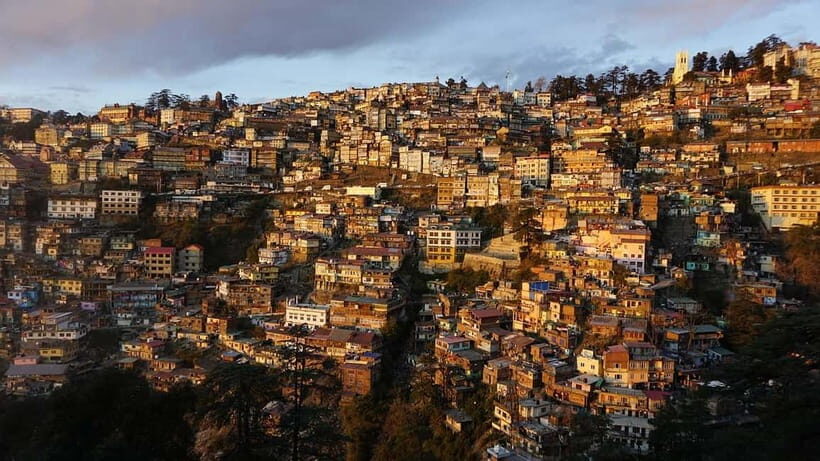
I’m a fan of guided walks when the city is layered. Shimla is one of those places where streets look simple, but the buildings carry political and cultural meaning, and that’s where a guide changes the whole experience.
You’ll start at Christ Church, then work along the Ridge and beyond—seeing the kind of colonial planning that shows up in architecture, not just in documents. I also like that you end at the Indian Institute of Advanced Study, which feels like a natural “finish line” with calm views at the end of the climb-and-stroll.
The best part is that this tour is built around interpretation: the guide connects architecture to the era. And because the group is private, you can ask questions as you go instead of waiting for a group of strangers to catch up.
A few more Shimla tours and experiences worth a look



Starting at Christ Church: neo-Gothic details you can actually notice
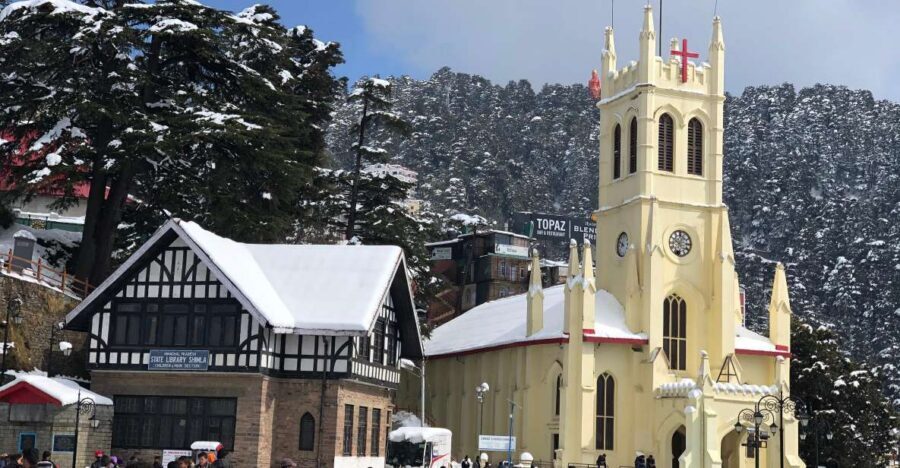
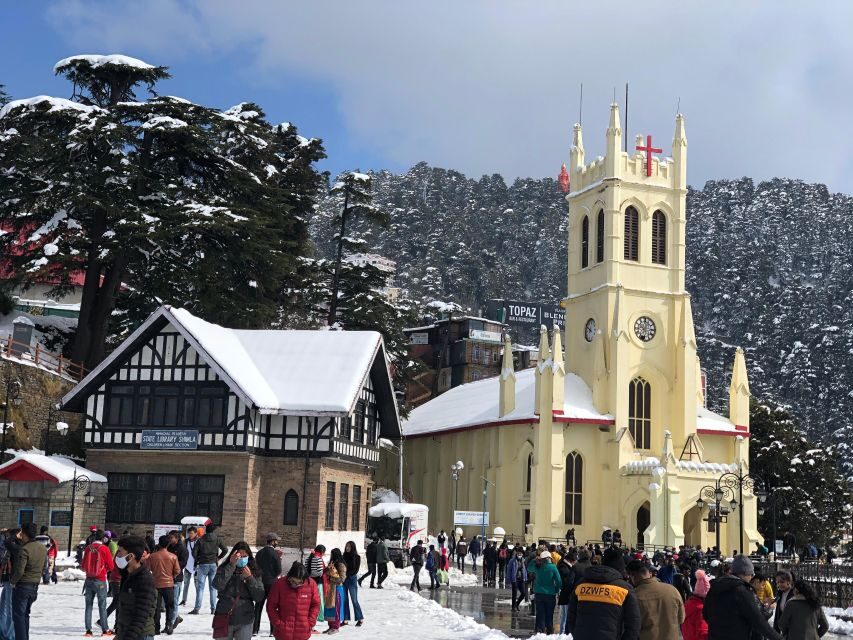
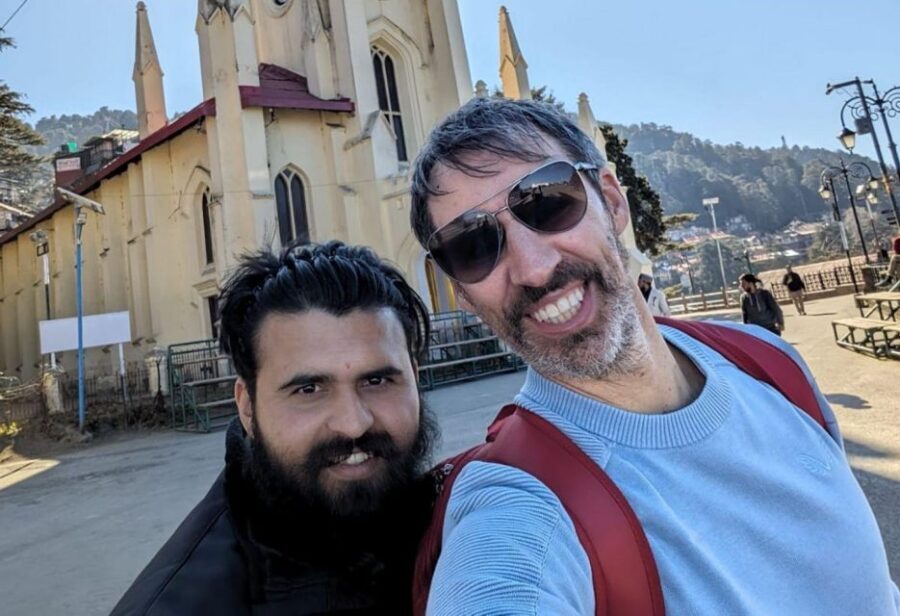
Your tour begins at Christ Church, Shimla, a landmark with neo-Gothic features like stained glass windows and an active organ (it’s still in use, according to past guests). If you’re the kind of person who normally walks past churches without noticing, this stop is where the guide helps you read the place.
Look closely at the shape and materials rather than treating it like a quick photo stop. The guide should point out what makes the building stand out in Shimla, and why it became an anchor for the British-era town plan.
Also, since there’s no hotel pickup included, plan to get to Christ Church on your own. Give yourself buffer time because meeting spots in Shimla can be easier than finding them when you’re tired.
Ridge and Scandal Point: where the walking rhythm starts
After Christ Church, you’ll move toward Ridge, Shimla, with a short guided walk segment. The Ridge is one of Shimla’s central hangout areas, so it helps to understand it early—this is where the city’s “public life” shows up, including events and gatherings.
Next comes Scandal Point, which sounds like gossip in a guide’s mouth—and that’s not an accident. Stops like this matter because they point you toward the social side of the colonial period, not only the buildings. Even when you don’t catch every detail, you’ll start to feel the storyline the guide is building.
If the weather is cold or it snowed recently, the ground can be slippery. One past guest mentioned the tour felt a bit slick after snow, so wear grippy shoes and don’t rush down slopes.
Bantony Castle and Gorton Castle: castles that feel personal
You’ll then pass by Bantony Castle, followed later by Gorton Castle. These are the kind of places that make people say, oh wow, Shimla was designed with big architectural statements in mind.
What you’ll like here is the contrast: castles can look dramatic from the street, but the guide helps you understand what they were for and how they fit into the town. If you love architecture, this is where you get practical viewing skills—what to look for, what to notice, and what questions to ask.
A small planning thought: castle stops can look short on paper, but they work best when you take time to stand still. If you keep walking without pausing, you lose half the point of these older structures.
Kali Bari Temple: the tour isn’t only colonial
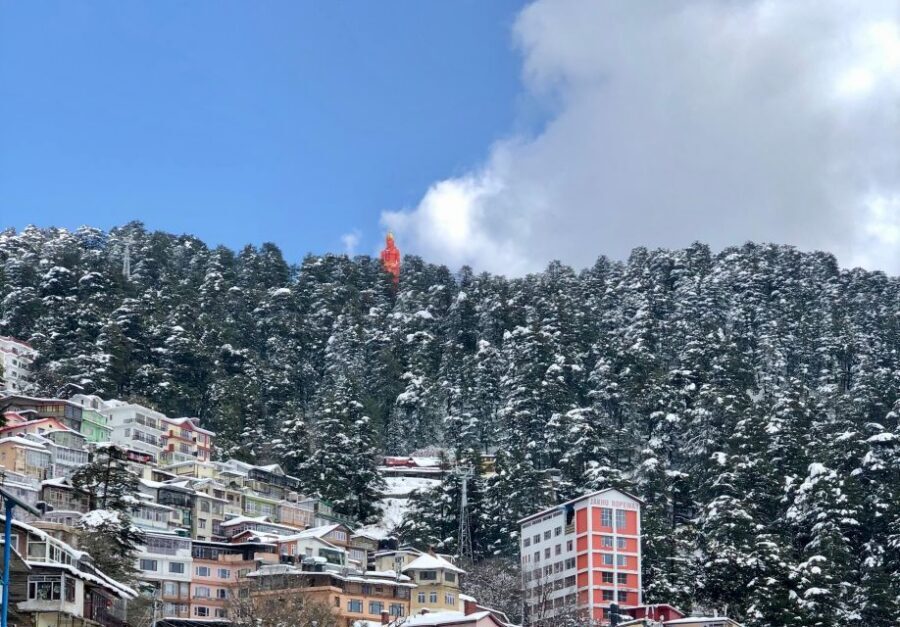
About halfway through, the route includes Kali Bari Temple, Shimla. This stop matters because it keeps the tour from becoming only a British-era architecture walk.
You’ll get a chance to see how daily religious life sits inside the same town that produced colonial institutions. It’s a good reminder that history isn’t frozen in one era—it keeps moving, and Shimla’s identity shows up in places people still visit.
If you’re taking photos, keep an eye on local customs. The temple is an active religious site, so move respectfully and don’t block anyone’s route.
A few more Shimla tours and experiences worth a look

Railway Board Building and HP Vidhan Sabha: administration in stone
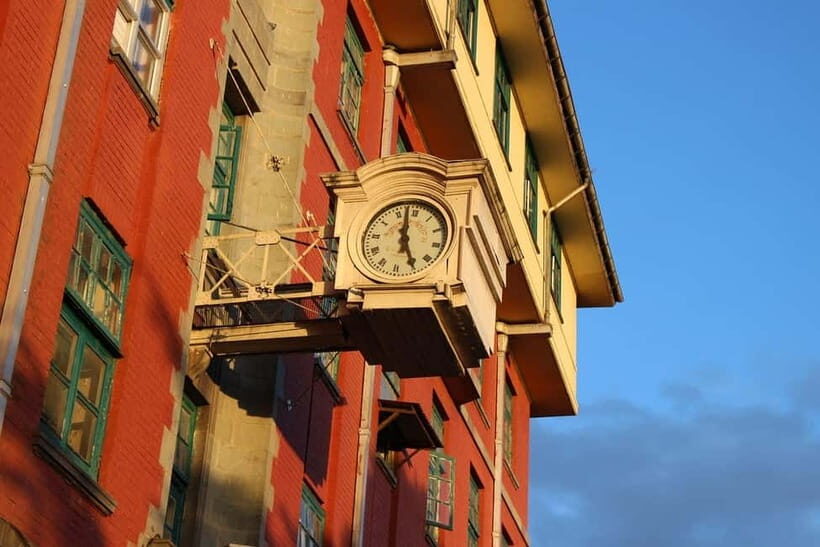
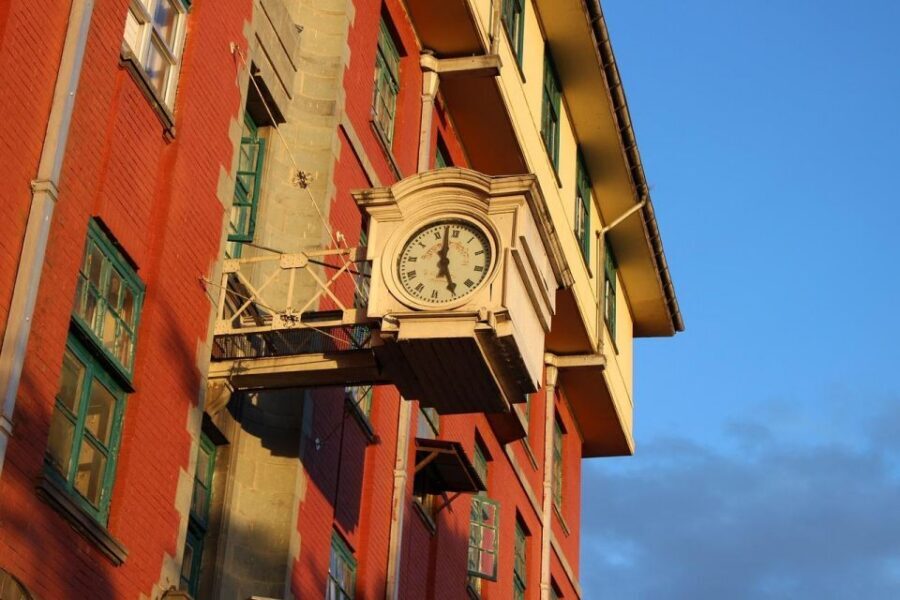
Next up are key buildings tied to governance and institutional life: the Railway Board Building and later HP Vidhan Sabha. This section is where the walk becomes more than pretty facades.
The guide should connect what these buildings represent—administration, planning, and the way power worked in practice. It’s especially valuable if you like the political side of architecture: the idea that buildings weren’t only built to impress, but to function and control.
You’ll also notice the spacing and street logic that makes a hill city feel orderly. Even if you don’t memorize every detail, you’ll get a better sense of why Shimla grew the way it did.
The Oberoi Cecil and All India Radio: continuity beyond the colonial era
As you keep walking, you’ll pass The Oberoi Cecil, Shimla, a stop that helps show how older-era prestige and modern identity can coexist in the same town center. It’s a short segment, but it adds context to what you’ve been seeing.
After that, you’ll reach All India Radio (Radio Station), Shimla District, Himachal Pradesh, India. This is a meaningful pivot from architecture-as-empire to institutions-as-public life. It also gives you a more “today” angle, even while you’re still on a heritage trail.
If you enjoy small details, this is a great section to ask questions. For example: how did a town like Shimla transition from colonial administration to modern institutions?
Gorton Castle to the finish: pacing, uphill sections, and views
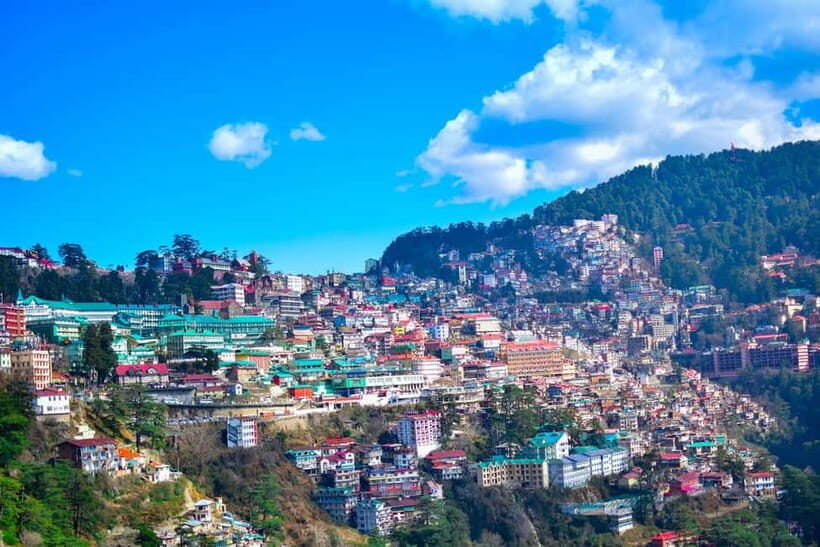
The walk continues toward the end point with short guided segments, including Gorton Castle and then HP Vidhan Sabha, before you approach the final area.
A useful reality check from past participants: the tour is about 2 hours and covers a few kilometers, typically with uphill and downhill. One guest specifically mentioned around 3 km with constant gradients, and that uphill parts can feel longer than expected when the air is thin and the slope keeps changing.
Plan your effort like this:
- Go slow on uphill bits
- Take short pauses where the guide stops for explanation
- Keep a bottle of water handy (meals aren’t included)
Ending at IIAS: the Viceregal Lodge note you must know
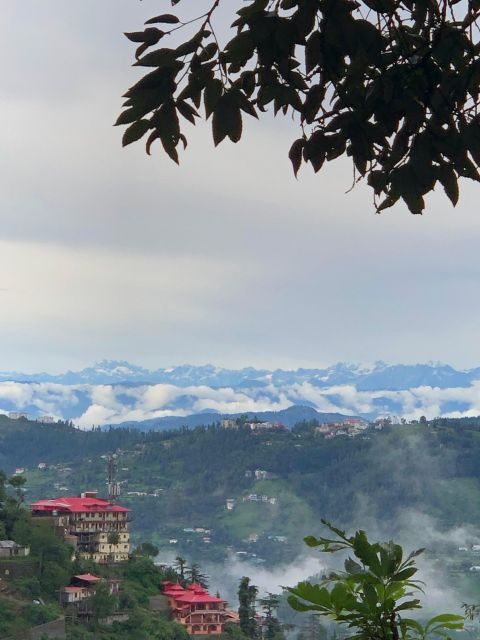
The tour finishes at the Indian Institute of Advanced Study (IIAS), Shimla. This is a satisfying endpoint because it feels like a proper “cap” to the walk—quiet, scenic, and connected to the same broader British-era legacy.
One important heads-up: the Viceregal Lodge remains closed on all Mondays. Since that closure is specifically called out, don’t assume every Monday you’ll be able to see the full end-of-tour area the same way.
If you’re visiting on a weekday, you’ll likely enjoy the shift from busy streets into something calmer. And if you want a place to sit, you might find nearby gardens or resting spots; one past guest paid a small amount to enjoy the gardens and sit, but note that entry details like that aren’t included in the tour cost.
Price and value: what $16 actually buys
At $16 per person for a 2-hour private walking tour, the value comes from two things: time with a local guide and focused route design.
You’re not paying for transport (none is provided), and there are no included monument fees or entry tickets. So the cost is mainly paying for the guide, the walking interpretation, and the convenience of a planned route that stops at the key colonial and cultural points.
In return, you get:
- A local guide who speaks English, Hindi, and Pahari spoken support
- A one-way walk from Christ Church to IIAS
- A private group format
- Explanation plus friendly local conversation (including local gossip, if you’re into that kind of color)
If you’re comparing this to self-guided walking, the difference is what you’ll miss alone: why each building matters, not just what it is. For many people, that’s the entire point.
What to wear, bring, and plan around
This tour is short, but it’s not flat. You’re walking between multiple hilltop-adjacent points in Shimla, and the terrain changes constantly.
I’d plan for:
- Grippy shoes for uphill and possible slick conditions
- A light layer for mornings and evenings (hill weather can shift quickly)
- Water, because there’s no meal provided
- Basic weather protection (umbrella or rain layer)
If you’re traveling with someone who has trouble with slopes, the tour may still work with breaks, but the official guidance says it’s not suitable for people over 95 years and not for children under 10. If you’re close to those limits, you should be honest about pace and stamina before you book.
Who this tour is best for
This tour fits you best if:
- You like architecture and place-based storytelling
- You want a guided route without committing to a full-day plan
- You enjoy asking questions in a private setting
- You’re curious about Shimla’s colonial-era town planning and how it overlaps with local culture
It’s also a good “first understanding” walk if you’re new to Shimla and want to orient yourself before branching out to temples, viewpoints, or shopping.
If you’re traveling with strict interests only in one category (only temples, only colonial forts, only museums), you might find the mix a little broad. But for most people, the blend is the appeal.
Should you book this Shimla Heritage, Culture & Colonial Trail?
Yes, if you want an efficient, guide-led way to understand Shimla’s layers without getting stuck doing research on your phone. The route connects Christ Church, the Ridge area, castle-like landmarks, institutional buildings, and ends at IIAS in a logical flow that makes the town feel like one story instead of scattered photos.
Skip it or choose another option if you:
- Need a fully flat walk
- Are visiting on a Monday and specifically want the Viceregal Lodge end-area viewing
- Are expecting included entry tickets or monument fees (those aren’t included)
If you’re on the fence, think about what you care about most. For most history-and-architecture fans, a private 2-hour walk with a local guide is exactly the right length in Shimla.
FAQ
Where does the guided walk tour start?
It starts at Christ Church, Shimla.
Where does the tour end?
The tour ends at the Indian Institute of Advanced Study (IIAS), Shimla.
How long is the tour?
The duration is 2 hours.
Is this a private tour?
Yes, it’s a private group tour.
What languages does the guide speak?
The tour includes a local guide who speaks English, Hindi, and Pahari.
Is hotel pickup or drop-off included?
No, hotel pickup and drop-off are not included.
Are transportation costs included?
No form of transportation is included.
Are monument fees or entry tickets included?
No, monument fees and any entry tickets are not included.
Is the Viceregal Lodge open on Mondays?
No. The Viceregal Lodge remains closed on all Mondays.
Who should not book this tour?
It’s not suitable for children under 10, babies under 1 year, and people over 95 years.