Shimla makes sense when someone points things out. This guided heritage walk takes you through the city’s British-era landmarks and hill-town institutions, with a local English-speaking guide who can turn random buildings into a clear story. I especially like that the tour is structured like a walk with real stops, not a long lecture.
One thing to keep in mind: it’s a real walking tour on hilly streets, so good shoes help and you may feel it a bit if your pace is slower.
In This Review
- Key things worth knowing before you go
- Why this heritage walk works (and not just as sightseeing)
- Starting at Christ Church and getting your bearings on the way to Mall Road
- The Mall Road section: where the colonial street becomes your visual map
- Gaiety Theater and the General Post Office: landmarks you’ll remember by purpose
- Betink’s Castle: the stop that turns architecture into story
- Imperial Bank, the Railway Board Building, and why institutions shape the city
- Indian Institute of Advanced Study: your walk’s calm finale
- Price and value: what $31 really buys you in Shimla
- Comfort, pacing, and practical logistics that affect your day
- Who this tour is best for (and who might want a different style)
- Should you book the Guided Heritage Walk in Shimla?
- FAQ
- How long is the guided heritage walk in Shimla?
- What are the main stops on the walk?
- Where do I meet the guide?
- Is admission included for all stops?
- Do I get bottled water?
- Is transportation included from my hotel to the tour?
- Is transport provided after the tour ends?
- How big is the group?
- Does the tour use a mobile ticket?
- What happens if the weather is poor?
Key things worth knowing before you go
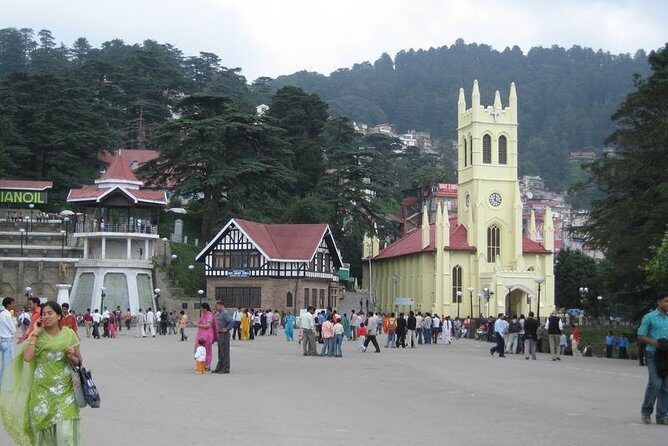
- Christ Church first: you meet at the main entry gate and start by setting the context for Shimla’s look and growth
- Mall Road orientation: a short, easy start along the main colonial-era street so you get your bearings fast
- Landmarks you can name later: you’ll see stops tied to places like the Gaiety Theater and the General Post Office
- Betink’s Castle storytelling: this is where the walk turns from sightseeing into understanding the hill town
- IIAS is the finale: the Indian Institute of Advanced Study is a strong end point for people who like institutions and architecture
- Small group size: capped at 15 travelers, which keeps questions from getting lost
Why this heritage walk works (and not just as sightseeing)
This tour is a good match for the kind of trip where you want more than photos. Shimla has a lot of historic-looking buildings, but without context it can blend together. A local guide helps you connect the dots between the colonial streets, the prominent public buildings, and the way the city grew into an education and research hub.
I also like the pacing style. It’s built around stops with time to look around, not just marching from one dot on a map to the next. You get bottled water, and the group stays small enough that you can ask practical questions without waiting for a megaphone line.
One more value point: the tour includes the walk from Christ Church to the Indian Institute of Advanced Study. That’s important because it means you’re not paying for transportation you don’t use. You’re paying for interpretation, direction, and a route you can follow on foot.
A few more Shimla tours and experiences worth a look



Starting at Christ Church and getting your bearings on the way to Mall Road
You begin at the main entry gate of Christ Church. The meet is straightforward, and the starting point matters because Christ Church anchors the early story of Shimla’s town center. From there, your guide starts shaping how you’ll see what you pass—where the city’s power sat, what kinds of institutions arrived, and why certain streets became main connectors.
From Christ Church, the walk moves toward the Mall Road, Shimla’s main street. It was constructed during British colonial times, and walking it early in the route helps you understand the layout quickly. Even if you’ve never been here before, the Mall gives you a “spine” for the rest of the day.
This early stretch is also useful for your comfort. It’s the time to notice street slope, crowd levels, and where you’ll want to pause for photos. If you’re sensitive to walking uphill, this is when you can adjust your pace before the route becomes more demanding.
The Mall Road section: where the colonial street becomes your visual map
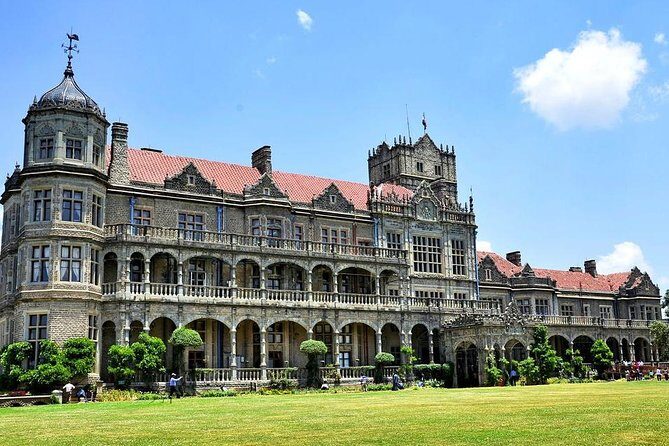
The tour spends time along Mall Road, and it’s more than a scenic stroll. Your guide uses it as a reference point so the rest of the walk lands more clearly in your head. Mall Road is the kind of place where you can later recognize the area just by memory of street rhythm and building styles.
You’ll also learn what kinds of buildings to look for as you go—Shimla’s architecture is described in the Tudor-bethan and neo-style colonial vocabulary. You might not have the words at first, but after a guide points out the patterns, you’ll start seeing the shapes and details on your own later.
Practical tip: bring your phone battery plan. The Mall is the kind of place where you’ll want repeated photos, especially when the light is good.
Gaiety Theater and the General Post Office: landmarks you’ll remember by purpose
One of the best parts of a heritage walk is when landmarks connect to a real function. That’s what makes places like the Gaiety Theater and the General Post Office matter on this route. They’re not just pretty facades; they represent cultural and civic life in colonial Shimla.
As you move along, your guide ties each stop to why the building belonged in this hill-town center. That turns your walk into a guided explanation of how the city worked: where people went for culture, where communication and services got organized, and how the center shaped daily life.
A small caution: depending on foot traffic, you may have less time to linger at every facade for a slow look. You’ll still get enough time to absorb the main ideas, but if you want very long stops at every building, you’ll need to talk to your guide about a slower pace early.
Betink’s Castle: the stop that turns architecture into story
Betink’s Castle is a highlight for a reason. It’s the kind of place where a guide can give you context that makes the building feel less random and more meaningful in Shimla’s overall pattern.
This is one of the stops where you’ll learn about local history in a way that doesn’t feel like a textbook. The goal isn’t memorizing dates. It’s understanding how this city became a destination, and how its buildings—castle-like and institutional—fit the identity Shimla built for itself.
I like this kind of storytelling because it changes how you walk afterwards. Once you’ve heard the explanation for one distinctive structure, you start noticing other details: what’s prominent, what’s symbolic, and what looks like it was designed to impress visitors.
Other walking tours we've reviewed in Shimla


Imperial Bank, the Railway Board Building, and why institutions shape the city
The tour also includes stops at the Imperial Bank and the Railway Board Building. These kinds of institutions matter for two reasons.
First, they show you the practical side of Shimla’s history. Banks and railway leadership weren’t decorative. They were part of the systems that supported administration, travel, and commerce. Second, they help you see how the city’s role extended beyond being a hill retreat. Shimla became a hub—education, research, administration, and services all threaded into the urban fabric.
Even if you’re not a history buff, these stops give you a more grounded understanding. You stop seeing buildings as isolated landmarks and start seeing them as nodes in a network.
If your interest leans toward architecture, keep an eye out for the transition from street to building details. Your guide can help you notice how the structures fit their streetscape.
Indian Institute of Advanced Study: your walk’s calm finale
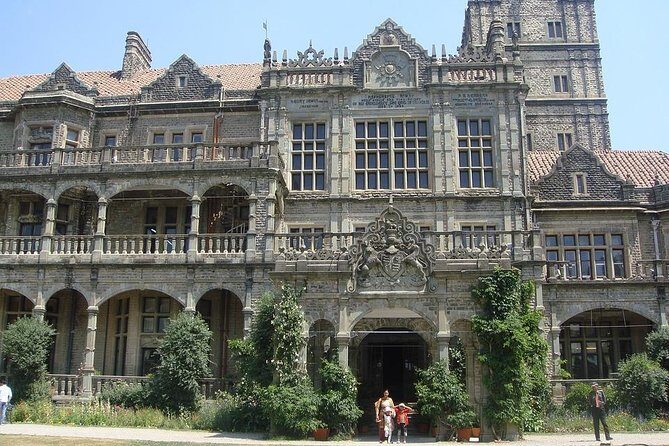
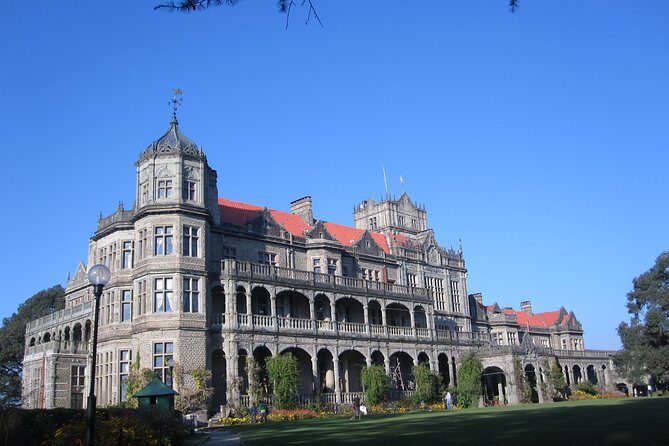
Your tour ends at the Indian Institute of Advanced Study (IIAS), with about 25 minutes at the site. This is a smart finish point because it shifts the story from colonial-era administration and civic landmarks into a modern research and academic identity.
IIAS also connects to something travelers often want in Shimla: a sense of what the city does today, not only what it did long ago. Even with a short visit, the stop feels like a natural conclusion to a walk that has been about institutions all along.
Important money note: entrance fee is not included for IIAS for foreign tourists. The tour data lists ₹700 per person for foreign tourists for Gaiety Heritage Cultural Complex + IIAS. So plan on that extra cost if you’re eligible.
Price and value: what $31 really buys you in Shimla
At $31.00 per person, this tour is priced for value because you’re paying for guided interpretation and a routed walk, not for private car time. You also get bottled water and a local English-speaking guide, and the group size is kept to a maximum of 15 travelers, which helps the experience stay personal.
Where people may feel surprise is the entrance fee piece. The walk includes certain areas with free entry listed for early stops, but the IIAS and the Gaiety Heritage Cultural Complex carry an entrance charge for foreign tourists. If you ignore that, the final spend can feel higher than you expected—so I’d treat the listed price as the guide-and-walk portion, then add the IIAS/Gaiety ticket cost for your total.
Still, even with that addition, you’re getting a tight half-day that covers multiple recognizable landmarks and doesn’t require you to guess your route. For many people, that’s what “value” means in a place like Shimla: clarity, coverage, and not wasting precious holiday hours.
Comfort, pacing, and practical logistics that affect your day
This tour is about walking in a hill town. That’s the whole deal. Plan on some unevenness and slope. It’s not described as a stroller-friendly stroll, and one caution that comes up with walking tours in Shimla is that the effort can feel more intense than expected if you’re not used to hills.
Your best move: wear comfortable shoes and adjust your pace at the start. Even if the group stays small, you want your guide’s help in keeping the walk manageable. One guide-led approach can make the difference between enjoying viewpoints and getting tired too early.
Also note what isn’t included: there’s no hotel pickup and drop-off, and there’s no transport cost included for getting from IIAS back to your hotel or Christ Church. That means you should already have a return plan—taxi, rideshare, or public transport—depending on where you’re staying.
Finally, the tour uses a mobile ticket, which is convenient if you prefer paper-light travel days.
Who this tour is best for (and who might want a different style)
This is a great fit if you want:
- A guided walk rather than a drive-by tour
- The chance to see multiple landmarks in a short window (about 3 hours)
- Help understanding Shimla’s story through named places like Gaiety Theater, General Post Office, and Betink’s Castle
- A small group experience with time for questions
It may be less ideal if you:
- Prefer to cover sights with minimal walking
- Need guaranteed long stops at every building
- Don’t want to think about separate entrance fees for IIAS/Gaiety (for foreign tourists)
The best match is people who like city walking, decent history context, and being able to say, later, I understood why these buildings matter.
Should you book the Guided Heritage Walk in Shimla?
Book it if you want a structured, local-guided way to understand Shimla in a half-day. The combination of a small group, an English-speaking guide, and a route that hits both civic/cultural landmarks and an academic endpoint makes this tour efficient and satisfying.
Skip or adjust expectations if you hate hills or you need transport included. Since you’ll arrange your own ride back from IIAS, plan your end-of-day logistics before you lock anything in.
If you’re traveling in good weather, this is the kind of experience that turns a simple sightseeing day into a clearer, more memorable Shimla.
FAQ
How long is the guided heritage walk in Shimla?
It lasts about 3 hours.
What are the main stops on the walk?
You start at Christ Church, walk along Mall Road, visit Shimla heritage landmarks, and finish at the Indian Institute of Advanced Study.
Where do I meet the guide?
Your guide meets you at the main entry gate of Christ Church.
Is admission included for all stops?
The start areas listed (Christ Church and Mall Road) show free admission tickets. Entrance for Gaiety Heritage Cultural Complex and IIAS for foreign tourists is not included.
Do I get bottled water?
Yes, bottled water is included.
Is transportation included from my hotel to the tour?
No hotel pickup or drop-off is included.
Is transport provided after the tour ends?
No. You need to arrange your own transport from the Indian Institute of Advanced Study back to your hotel or Christ Church.
How big is the group?
The maximum group size is 15 travelers.
Does the tour use a mobile ticket?
Yes, the tour uses a mobile ticket.
What happens if the weather is poor?
This experience requires good weather. If it’s canceled due to poor weather, you’ll be offered a different date or a full refund.