Two hours, six colonial stops. The route strings together Shimla’s big-name buildings and a few calmer cultural spots, so you get a clear sense of how British-era architecture shaped the town. You’ll start at Viceregal Lodge and spend focused time at each stop, with photo tips built into the walk.
I like the pace a lot: it’s short enough to feel manageable, but still structured so you can actually notice details instead of rushing. I also appreciate the included hot beverage and the guide’s English-and-Hindi storytelling that connects the sites to religious and local meaning. One possible drawback: the tour is described as free-entry at multiple stops, but one participant reported being asked to pay there, and they also said a couple locations weren’t covered—so it’s smart to confirm what you’ll enter on the day.
In This Review
- Quick highlights
- Colonial Shimla in Two Hours: What This Walk Really Feels Like
- Rashtrapati Niwas (Viceregal Lodge): The Colonial Mansion That Starts the Story
- Himalayan Bird Park: Short Stop, Serious Photo Opportunities
- Himachal State Museum: Coins, Paintings, and Pahari-Influenced Craft
- Vidhan Sabha Canteen Area: Colonial Buildings and a Heritage-Spot Pass-Through
- Gorton Castle: Neo-Gothic Architecture From the 1800s
- Kali Bari Temple on Jakhoo Hill: A Meaningful Ending With Local Faith
- Guide Style, Photography Tips, and the Included Hot Beverage
- Price and Value: Is $11.97 a Good Deal?
- Meeting Points, Route Flow, and Small Logistics That Matter
- Who Should Book This Shimla Colonial Walk?
- Should You Book Colonial Trails of Shimla?
- FAQ
- How long is the Colonial Trails of Shimla walking tour?
- How much does the tour cost?
- Where does the tour start and where does it end?
- Is there a mobile ticket?
- Is entry included for the stops?
- What’s included in the price?
- What is not included?
- How big is the group?
- What languages does the guide speak?
- Is free cancellation available?
Quick highlights

- Viceregal Lodge opener at Rashtrapati Niwas on Observatory Hill sets the colonial tone fast
- Himalayan Bird Park gives you photo time with Himachal state birds
- Himachal State Museum includes coins, paintings, and Pahari-influenced art and handicrafts
- Gorton Castle focuses on 19th-century neo-Gothic architecture
- Kali Bari Temple (Jakhoo Hill) ends the walk with a deeply local 1845 place of worship
- Small group (max 15) keeps the walk conversational and easier to manage
Colonial Shimla in Two Hours: What This Walk Really Feels Like
.jpg)
This is the kind of tour that helps you get your bearings fast. Instead of trying to see everything on your own, a guide meets you at Viceregal Lodge and shepherds you from one landmark to the next for about 2 hours. Each stop gets around 20 minutes, which is just long enough to look carefully, take photos, and hear the story without turning the day into a long slog.
The best part is how the walk balances big architecture with smaller cultural details. You’re not only visiting famous buildings; you’re also stepping through a bird park and a museum, then closing at a temple. That mix makes it more interesting than a straight “colonial photos only” loop.
You’ll also pass by viewpoints tied to British-era engineering and church architecture as you move toward the finish. The walk ends at Kali Bari Temple on Jakhoo Hill, so the last stretch has a strong payoff if you like religious sites and atmosphere.
A few more Shimla tours and experiences worth a look

Rashtrapati Niwas (Viceregal Lodge): The Colonial Mansion That Starts the Story
.jpg)
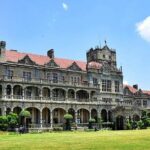
You kick things off at Rashtrapati Niwas, popularly known as Viceregal Lodge, on Observatory Hill. It’s a majestic colonial mansion that used to be the residence of the British Viceroy of India. Starting here matters because it’s the anchor point for everything else on the walk. Once you’ve seen the scale and style of the lodge, the rest of Shimla’s colonial feel makes more sense.
In your 20-minute window, you’re mainly there to take in the mansion setting and get photos from good angles. If you’re the type who likes architectural lines—symmetry, balconies, and that grand institutional look—this stop will help you “read” the city while you walk.
A key practical note: the tour description says admission is free for this stop, but one participant reported having to pay. So if you want a smooth experience, have a small backup plan in your pocket in case you’re asked for a ticket when you arrive.
Himalayan Bird Park: Short Stop, Serious Photo Opportunities
.jpg)
Next up is Himalayan Bird Park. The focus here isn’t a long bird walk—it’s photo time and a quick look at a collection of Himachal state birds. The tour frames it as modest but colorful, which is a helpful expectation: you’re not signing up for a full-day birding expedition. Instead, you’re getting an easy contrast to the heavy colonial architecture.
During your allotted time, keep your camera ready. Bird parks reward patience, but the tour’s structure means you’ll be moving on soon—so use those minutes to grab clear shots and then listen for context about what you’re seeing.
Admission is listed as free, which is great for value. Still, given the one reported issue about free entry, I’d treat all “free” claims as something to double-check at the gate (especially for museums and enclosed sites).
Himachal State Museum: Coins, Paintings, and Pahari-Influenced Craft
.jpg)
The Himachal State Museum is where the tour shifts from architecture to objects. In a short visit, you’ll see items like ancient coins, paintings, and other handicraft pieces. What ties it together is that the aesthetics are influenced by the Pahari form of art.
This stop works well if you enjoy small details. In museums, the trick is not to try to see everything. With only about 20 minutes, you’re better off picking a couple categories—coins, paintings, or handicrafts—and letting the guide’s explanation help you understand what you’re looking at.
If you care about regional art styles, this is one of the more meaningful parts of the route. Colonial Shimla can sometimes feel like it’s only about buildings, but the museum reminds you the culture didn’t stop with the British era. It’s a quick way to understand the place beyond the facades.
Again, the tour says entry is free here. Because one participant reported paying, I suggest you keep a small amount of cash or a card-ready backup just in case, and ask the guide how entry works that day.
Vidhan Sabha Canteen Area: Colonial Buildings and a Heritage-Spot Pass-Through
.jpg)
You’ll pass through colonial buildings around the Vidhan Sabha area and stop near the Vidhan Sabha canteen. The description points out a heritage building of Shimla Vidhan Sabha and also mentions one old library.
This is the stop where expectations should be slightly flexible. The wording suggests you’re visiting while also moving through the area, not necessarily settling into one big interior experience. For you, that means you’ll get more value if you’re the kind of traveler who enjoys spotting architectural features while also listening for context.
That said, one concern shows up from participant feedback: one person said the tour did not include seeing Vidhan Sabha canteen or Gorton Castle. I can’t guarantee what will happen on your date, but it’s a strong signal to take seriously: ask the guide at the start which places you’ll definitely enter or spend time at, and use the first stop to clarify.
A few more Shimla tours and experiences worth a look
Gorton Castle: Neo-Gothic Architecture From the 1800s
.jpg)
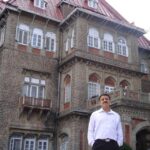
Gorton Castle is the neo-Gothic highlight for this walk. It was constructed in the 19th century and is described as a landmark castle with that dramatic Gothic look—sharp forms, architectural styling, and a “storybook” feel that fits Shimla’s hill setting.
With about 20 minutes, the goal is photos plus a basic understanding of what makes the building stylistically different from simpler colonial structures. Neo-Gothic architecture often shows up in features like pointed forms and detailed facades, so try to photograph from at least two angles if you can.
Here’s the practical caution again: one participant report said Gorton Castle wasn’t seen on their day. That doesn’t mean it won’t be on your tour. But if you’re specifically coming for Gorton Castle as a must-see, I’d confirm early that you’ll reach it and have time to view it properly.
Kali Bari Temple on Jakhoo Hill: A Meaningful Ending With Local Faith
.jpg)
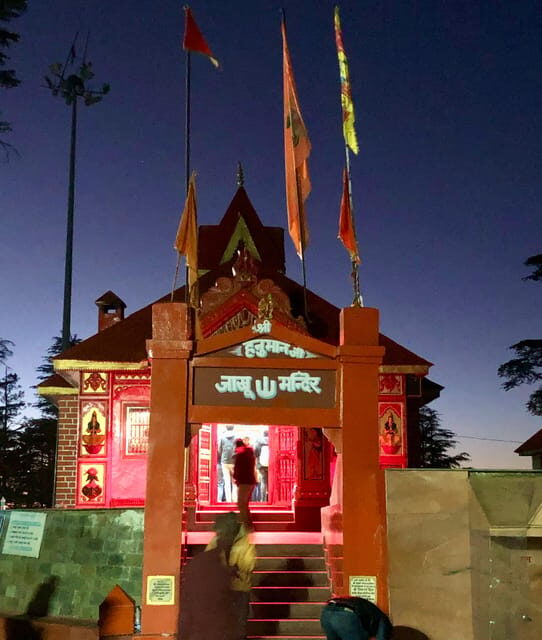
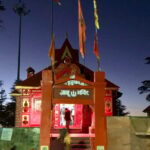
The tour finishes at Kali Bari Temple, located on Jakhoo Hill. The temple is an ancient place of worship dedicated to Goddess Kali and it was built in 1845. For devotees, it’s considered of immense religious importance, so this last stop has a different mood than the colonial buildings and museum rooms.
For you as a visitor, the best approach is simple: slow down. At a working temple, respect matters more than photo gear. Use the guide’s storytelling to understand what people believe and why the location matters, and take photos only when it feels appropriate.
On the way to the finish, the walk also passes key landmarks connected to British craftsmanship and church architecture. You’ll pass the Shimla-Kalka Railway Track and you’ll see St. Michael’s Cathedral referenced for its French-Gothic style architecture splendor. Even if you don’t spend a full stop there, these pass-by moments can add texture to your mental map of Shimla’s colonial-era influence.
Guide Style, Photography Tips, and the Included Hot Beverage
.jpg)
This tour is led by a highly trained storyteller/guide who speaks English and Hindi. The guide’s job isn’t just to move you between points—it’s also to provide heart-warming stories around each place and help you connect the sites to their culture and local life afterward.
That matters because colonial architecture can feel like a set of photos until someone explains what it meant and how it fits into the city’s identity. You’ll also get photography tips included, which helps if you’re trying to shoot buildings on a hill where angles and perspective can make or break your photos.
One small-but-nice extra: one hot beverage is included. In Shimla’s hill-town atmosphere, that can be a welcome pause during a short walk, and it keeps the experience from feeling purely “stop-and-go.”
One more caution worth stating: one participant said the guide’s English wasn’t enough for them. The tour description says English and Hindi are supported, but if language is critical for your experience, it’s smart to choose a time when you expect the guide to be comfortable with English, or ask a quick question early to test communication.
Price and Value: Is $11.97 a Good Deal?
At $11.97 per person for a 2-hour guided walking tour, this is priced in the budget-friendly range. What makes it potentially good value is the mix of:
- a guide for the full walk (not just “self-guided with a map”)
- photography tips
- entry to the photographic destinations (as described)
- one hot beverage
If all stops are covered and the listed entries truly are free, you’re paying mostly for the guide and organization—plus you’re getting access to a museum, a bird park, and a major castle/temple-related route. That can be a strong deal for a short stay in Shimla.
The trade-off is trust and verification. Because one participant reported being charged admission at multiple stops and also said certain locations weren’t included, the value can swing depending on how the tour runs that day. In other words, the price is attractive, but you should still be alert.
If you want the best value from this tour, arrive on time at the meeting point, listen at the start for the route details, and ask what’s definitely included for entry. With that approach, the $11.97 can feel like a bargain.
Meeting Points, Route Flow, and Small Logistics That Matter
The meeting point is Viceregal Lodge at Rashtrapati Nivas, Chaura Maidan Road near Observatory Hill in Boileauganj, Shimla. The end point is Kali Bari Temple, on Mall Rd at Kali Bari, Shimla.
This tour is near public transportation, which helps if you’re juggling other plans. It also uses a mobile ticket, so have your phone ready. The group size is capped at 15 travelers, which is small enough for questions but still large enough to feel like a group outing.
Two items are not included: hotel pickup/drop and bottled water. If you’re doing a 2-hour walk, I recommend planning to have water available on your own, especially if you’re sensitive to dehydration during longer outdoor periods.
Finally, this one gets booked ahead of time; the average booking window is listed at 67 days. If you’re traveling during peak season or have a specific date in mind, book early so you don’t end up scrambling.
Who Should Book This Shimla Colonial Walk?
This tour fits you best if:
- you want a guided overview of Shimla’s colonial architecture and how it connects to the city
- you like photography and want practical help rather than only wandering
- you’re short on time and need a plan that covers a lot in 2 hours
- you’re interested in both buildings and cultural stops like the bird park and museum
- you enjoy conversational tours where stories connect places to local life and beliefs
It may not be ideal if you require absolutely flawless coverage of every named stop or if you need highly fluent English explanations throughout—because one participant reported issues with both entry costs and whether all listed places were covered. If those are deal-breakers for you, consider contacting the provider ahead of time or choosing a tour with more explicit confirmation of each entry.
Should You Book Colonial Trails of Shimla?
I’d book this tour if you want a compact, photo-friendly walk that gives you a clearer view of Shimla’s colonial-era architecture plus a museum and temple ending. At $11.97, the included guide, photography help, and hot beverage can make it a genuinely efficient use of a half day.
But I wouldn’t book it blindly. Since the description says free entry at multiple sites and a participant reported paying admission anyway (and missing some stops), you should confirm at the start what you’ll actually enter and see. If the guide can clearly explain the plan and entry expectations, this can be a strong way to spend 2 hours in Shimla.
FAQ
How long is the Colonial Trails of Shimla walking tour?
It runs for about 2 hours.
How much does the tour cost?
The price is $11.97 per person.
Where does the tour start and where does it end?
It starts at Viceregal Lodge / Rashtrapati Nivas Chaura Maidan Road near Observatory Hill in Boileauganj, Shimla. It ends at Kali Bari Temple on Mall Rd, Kali Bari, Shimla.
Is there a mobile ticket?
Yes, the tour includes a mobile ticket.
Is entry included for the stops?
The tour information says entry to the photographic destinations is included. One participant reported being asked to pay admission at multiple stops, so it’s worth double-checking at the gate on the day.
What’s included in the price?
Included items are a guide (English & Hindi), entry to photographic destinations (as described), photography tips, one hot beverage, and conversations about religious aspects, beliefs, and local importance.
What is not included?
Hotel pickup and drop are not included, and bottled water is not included.
How big is the group?
The maximum group size is 15 travelers.
What languages does the guide speak?
The guide speaks English and Hindi.
Is free cancellation available?
Yes. You can cancel for a full refund up to 24 hours before the experience starts.